

The Sheep Blog

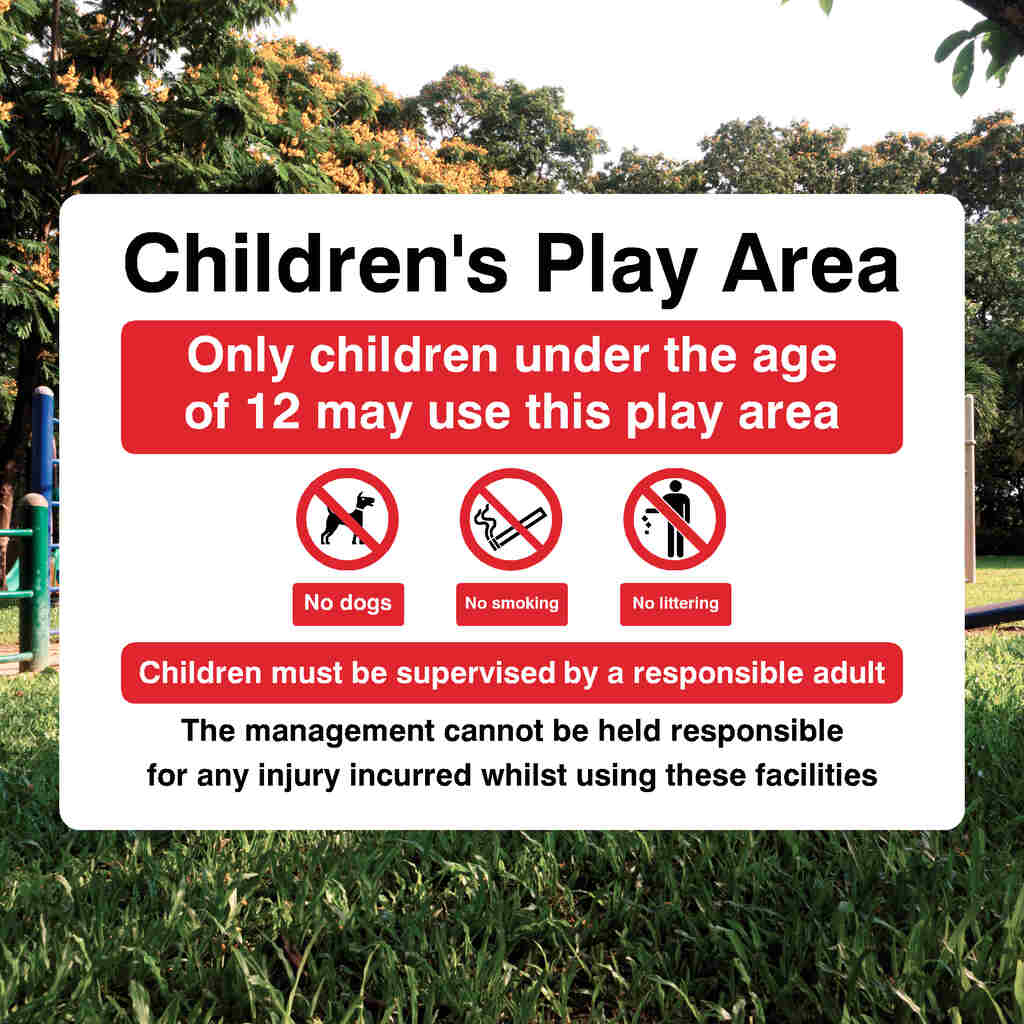
Children's Play Area Sign Under 12


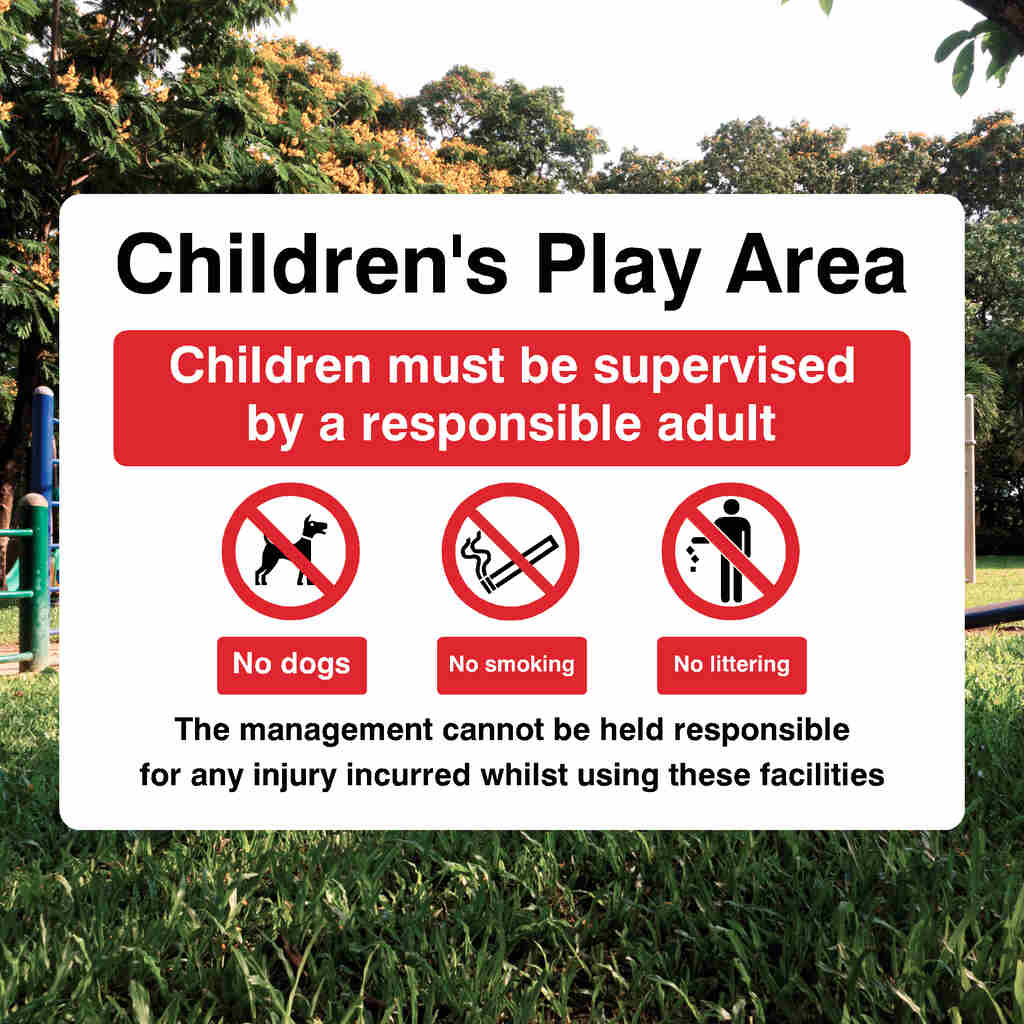


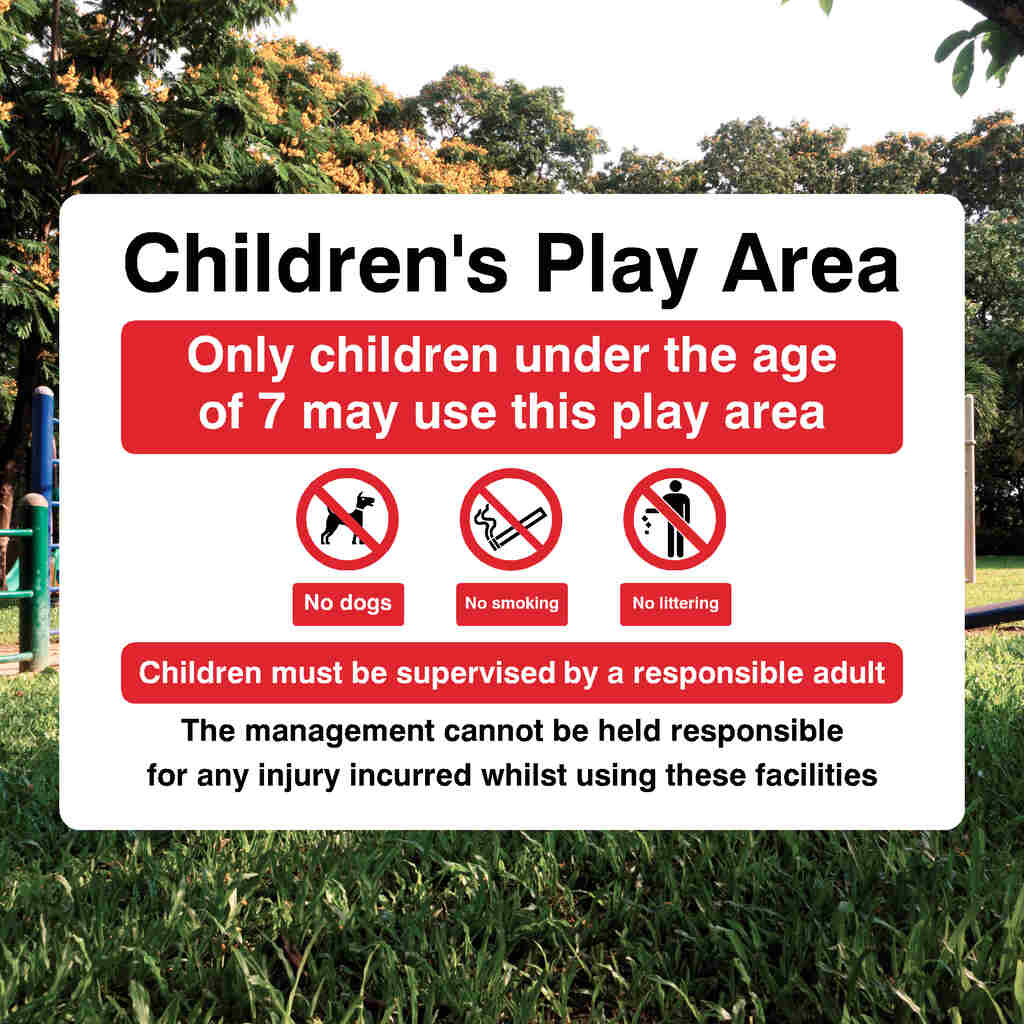
Children's Play Area Sign Under 7


Disclaimer Notice Play Area Sign

Children’s Play Area No Dogs Sign
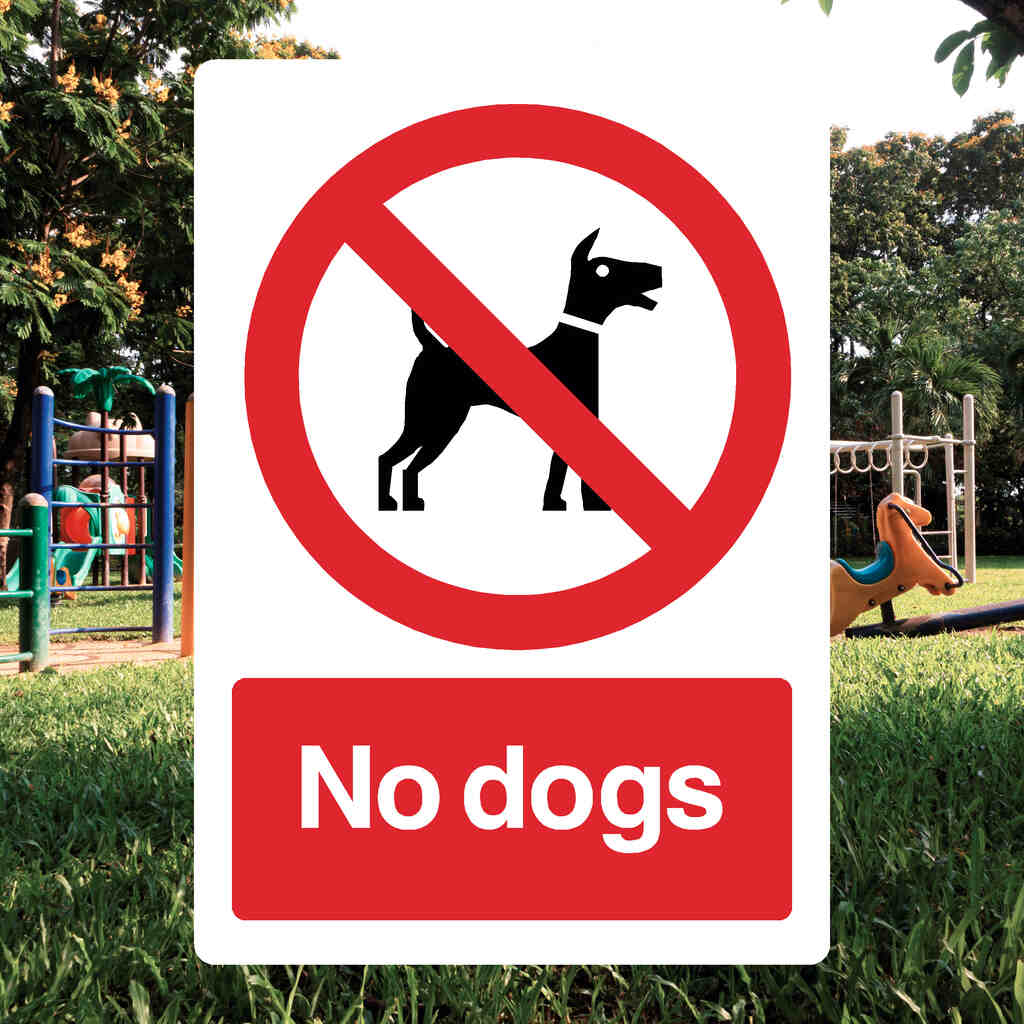


No Dogs Childrens Play Area Sign
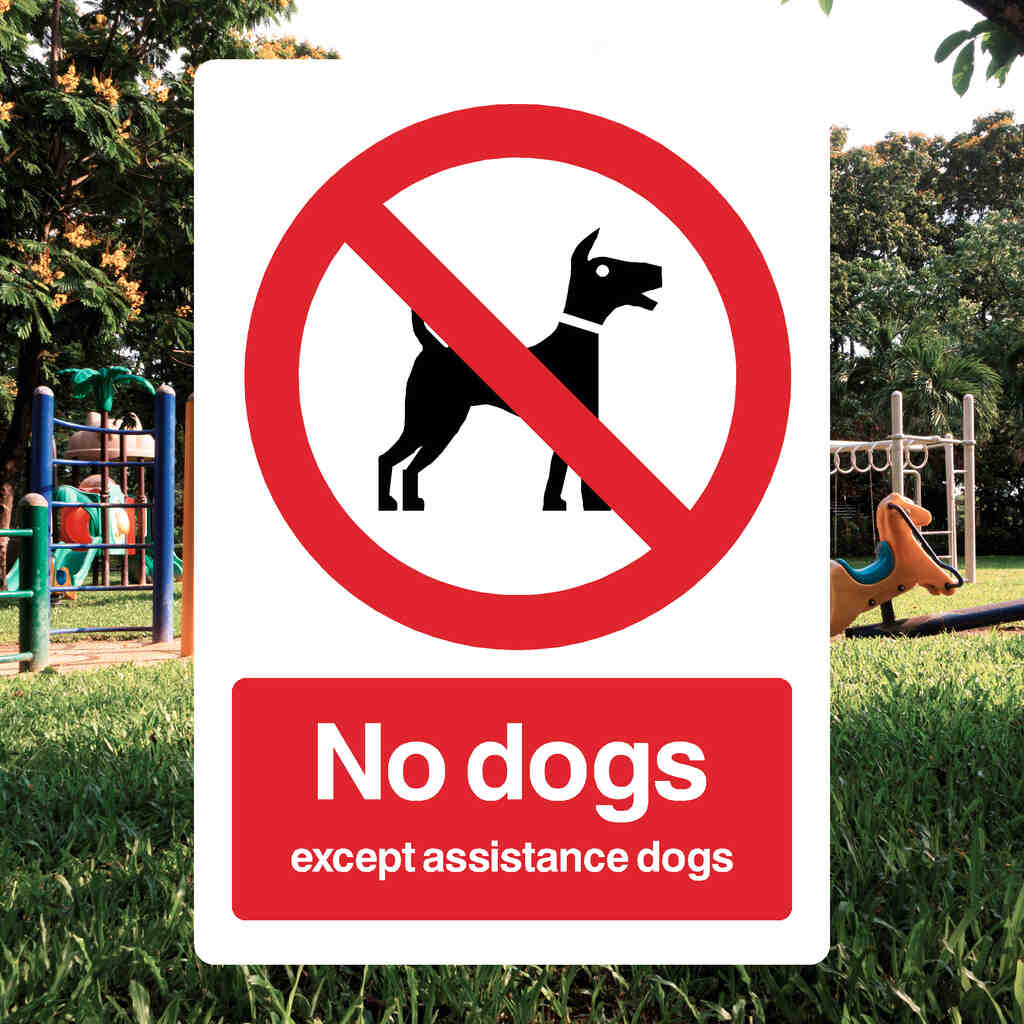
No Dogs Except Assistance Sign

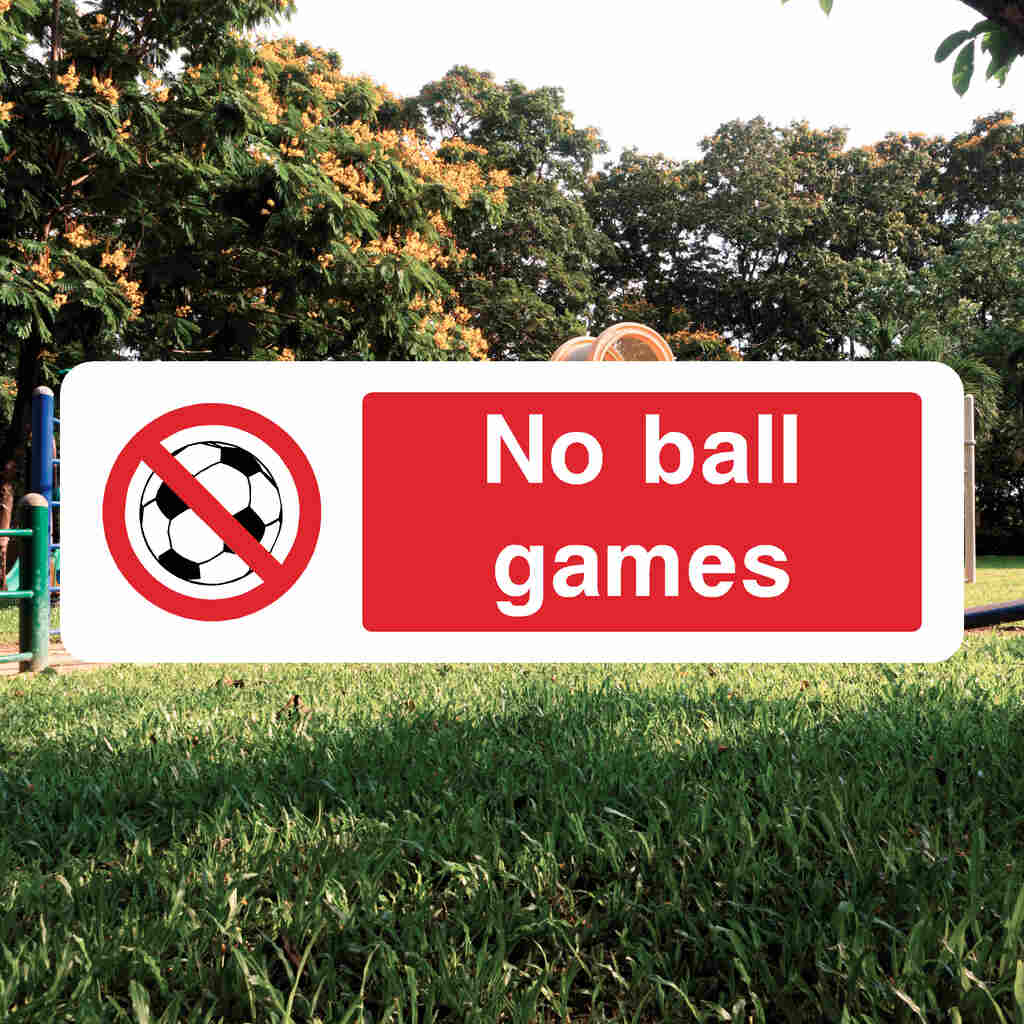

Children's Play Area Under 12 Sign


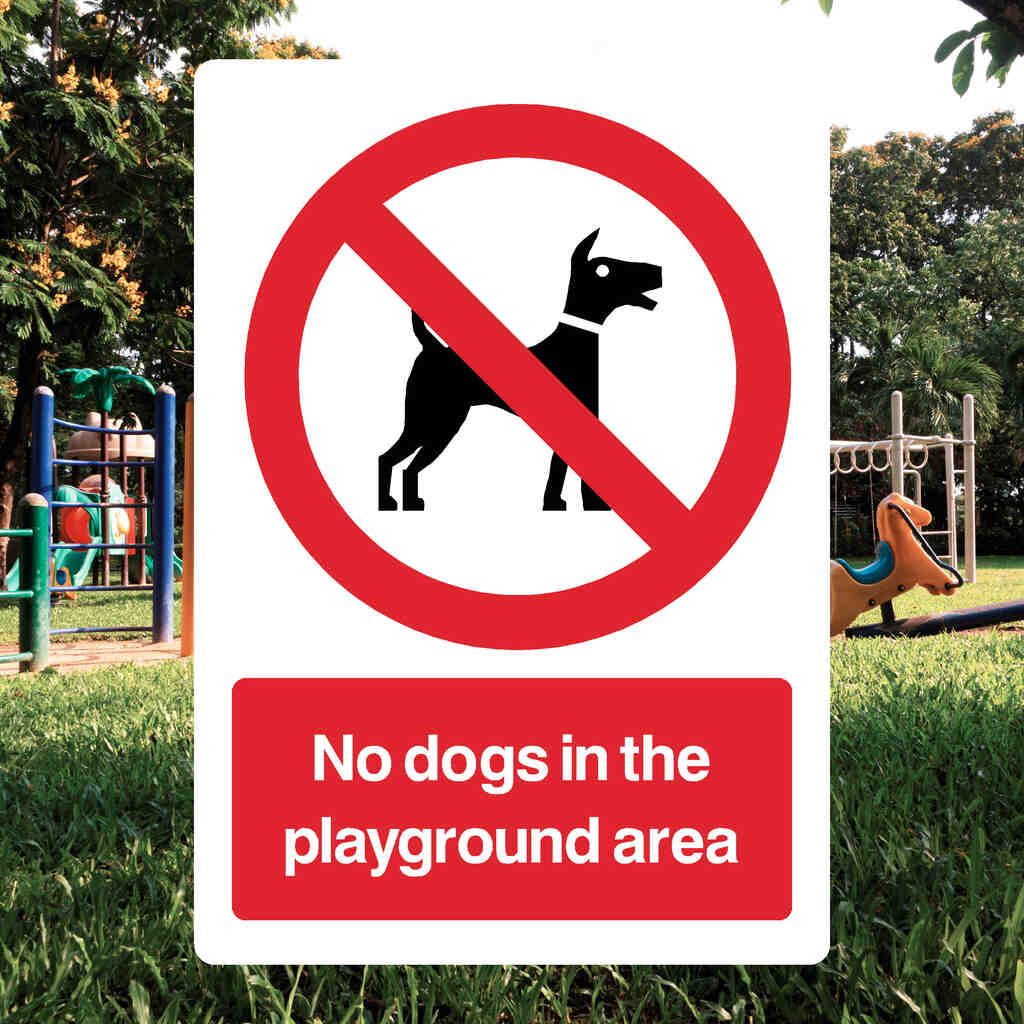
Children's Play Area Sign Metal Post


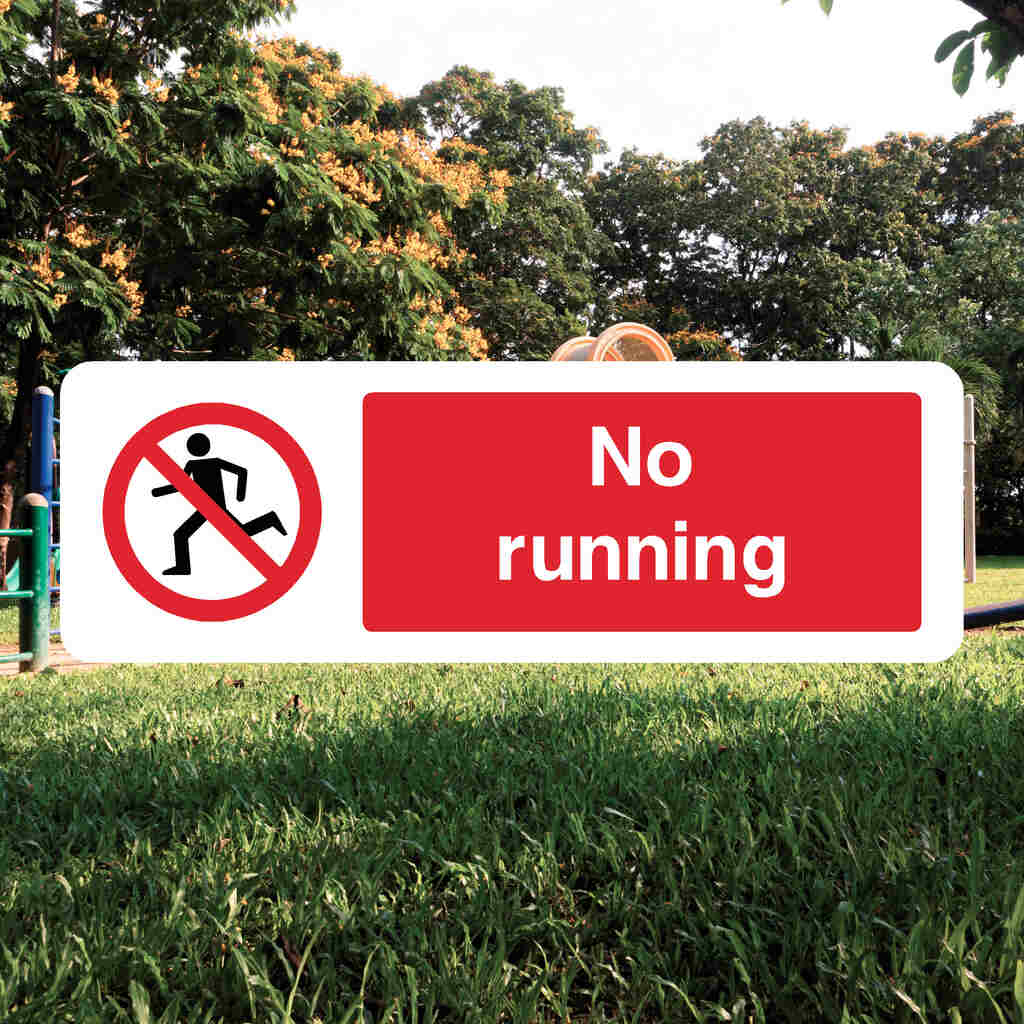


No Skateboarding Sign Portrait

Children's Play Area Under 7 Sign

Children's Play Area Under 4 Sign

Children's Play Area Sign Under 4
Play Area Disclaimer Sign Metal Post v2


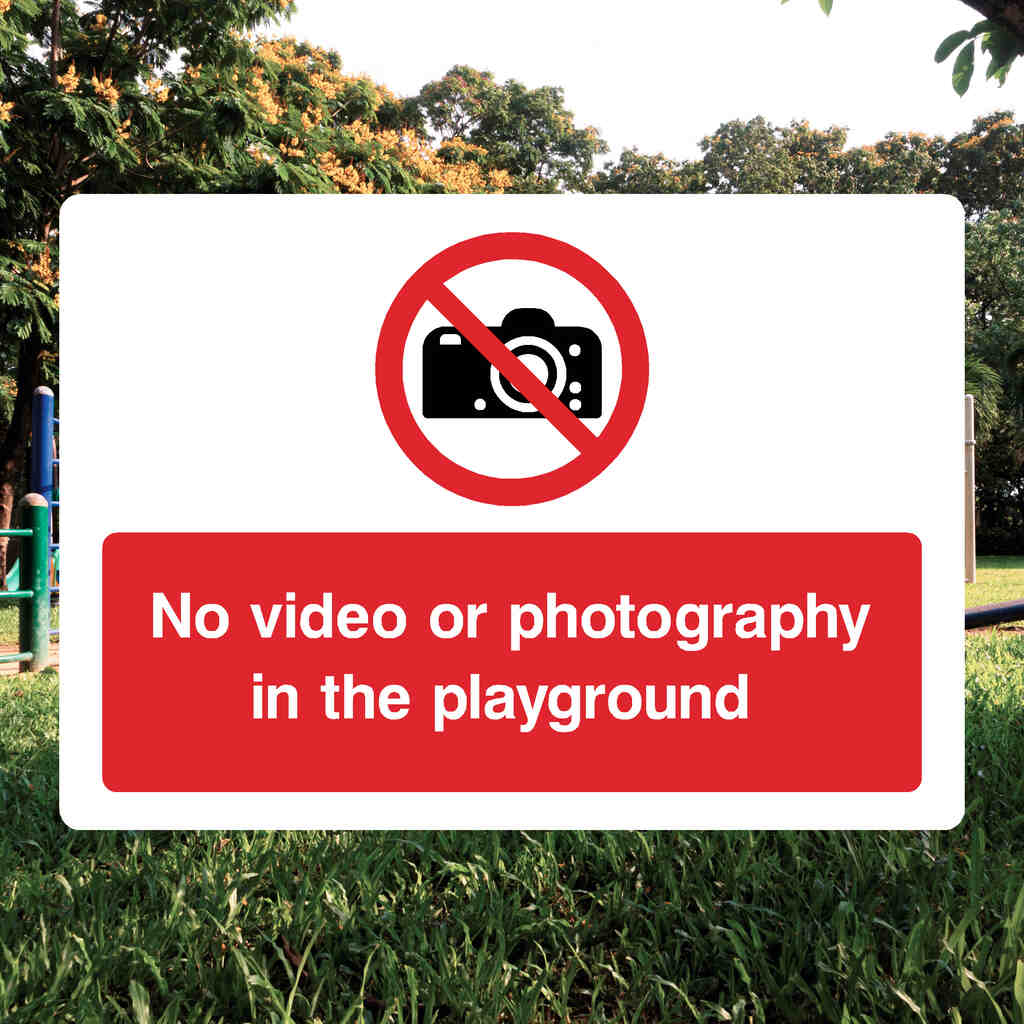
No Video Photography Play Sign

Play Area Signs help playground operators clearly communicate rules, restrictions and important information to children, parents, carers and other visitors.
From age guidance and supervision information to No Dogs, No Smoking and general playground rules, well-positioned signage can help visitors understand how a play area is intended to be used.
Our playground and play area signs are suitable for local authorities, schools, nurseries, pubs, holiday parks, housing developments, community groups, leisure facilities and other organisations responsible for children's play spaces.
Every play area is different.
A small playground within a pub garden may require different information from a large public playground operated by a local authority.
Depending on the site, useful signs can communicate:
Choose messages that reflect the actual facilities, rules and risks at your play area rather than copying a generic list from another playground.
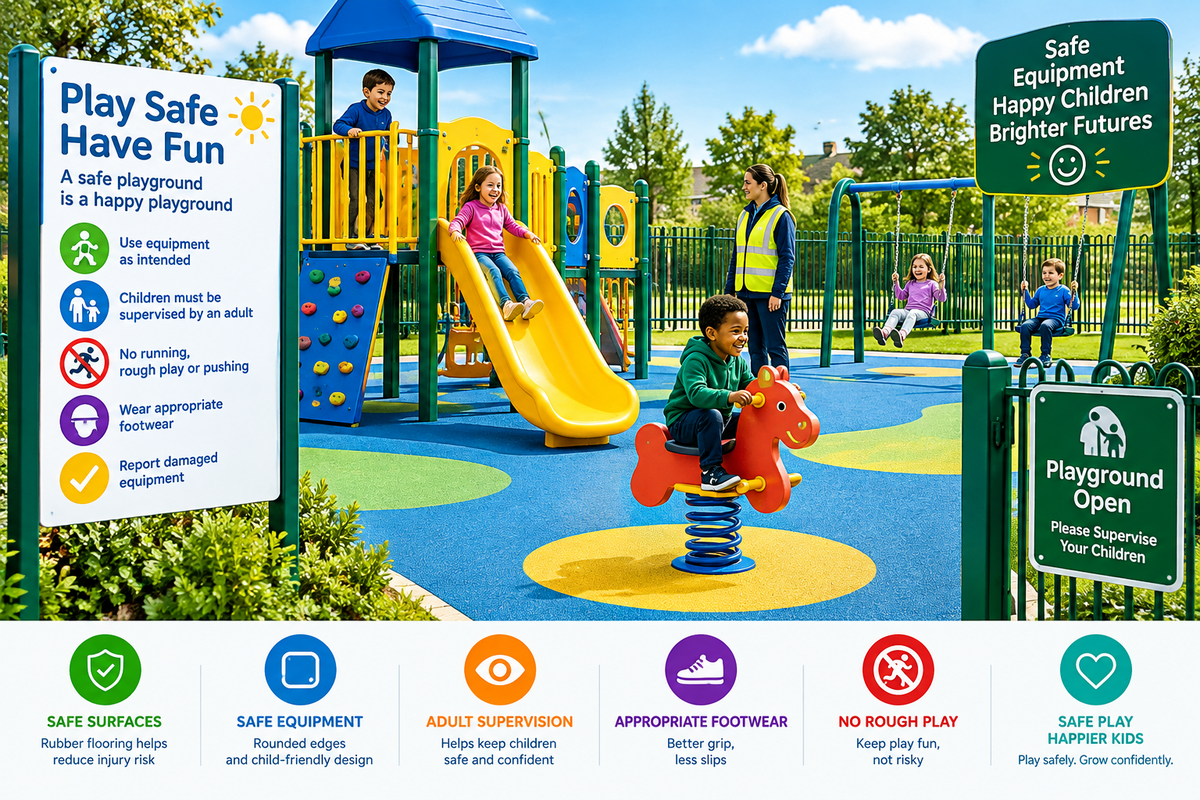
A single Playground Rules Sign can provide visitors with several important instructions in one place.
This can be particularly useful at the main entrance to a play area.
Depending on your site's rules, a playground information board might cover matters such as:
Keep rules relevant and easy to understand.
A board containing too many instructions can be difficult to read and may reduce the impact of the most important information.
Play equipment is often designed with particular users or age groups in mind.
Where appropriate, signs can communicate information such as:
The wording should accurately reflect the play area's design, equipment and operator's arrangements.
Avoid using arbitrary age restrictions that don't correspond with the facilities provided.
Some play areas use signs asking parents or guardians to supervise children.
These can provide a useful reminder, particularly at facilities intended for younger children.
However, a supervision notice shouldn't be treated as a way of transferring all responsibility for playground safety to parents.
Playground operators still need appropriate arrangements for the design, inspection, maintenance and management of the play area.
Dog restrictions are common around children's play areas.
Where dogs aren't permitted, a clearly positioned No Dogs Sign can make the rule obvious before somebody enters the playground.
Useful locations include:
If dogs are permitted in the surrounding park but prohibited specifically inside the children's play area, position the sign where that boundary begins.
Playground operators may also want or need to communicate smoking restrictions.
The appropriate wording and legal requirements depend on the location and type of premises.
If vaping is also prohibited under the operator's policy, a No Smoking & No Vaping sign can communicate that rule.
Don't assume that smoking and vaping are legally identical issues.
Cycles, scooters or other wheeled activities may be restricted in some play areas where they could conflict with children using fixed playground equipment.
Where a restriction applies, place the sign at the entrance rather than waiting until visitors are already inside the play area.
The rules should reflect how the site is actually managed.
Broken glass can create an obvious hazard in children's play spaces.
Where glass containers are prohibited, a clear No Glass notice can reinforce the rule.
This may be particularly useful at play areas located within:
Signage should support appropriate site management, cleaning and inspection.
Some playground operators may prohibit alcohol within the play area.
If that rule applies, signage can help distinguish the children's play space from surrounding recreational areas where different rules may apply.
Again, make sure the wording reflects the actual site policy and any applicable local restrictions.
Signs can also communicate safety information specific to the site.
Depending on the playground, that could include:
Temporary hazards should normally be dealt with as quickly as practical.
Don't rely on a warning sign where an unsafe item of equipment should instead be taken out of use, isolated or repaired.
There isn't one universal list of signs that every UK children's playground must display.
The appropriate signage depends on the individual play area, its design, equipment, location, users and management arrangements.
Signs can communicate important information, but playground safety depends on much more than signage.
Appropriate arrangements can include:
A sign should support these measures rather than replace them.
Playground safety doesn't end when equipment is installed.
Regular inspection and effective maintenance are important parts of managing a play area.
Signs themselves should form part of those checks.
Inspect playground signs for:
A damaged sign can itself become an unnecessary hazard, particularly if it has exposed fixings or sharp edges.
BS EN 1176 is an important series of standards relating to playground equipment and surfacing.
It includes considerations relevant to the design, installation, inspection and maintenance of playgrounds.
However, displaying a playground sign doesn't make a play area “BS EN 1176 compliant”.
Compliance with relevant playground standards involves the equipment, installation, inspection and management of the facility rather than simply putting up a notice.
Avoid treating signage as evidence that a playground as a whole meets a particular standard.
Some individual signs used around a playground may use recognised safety symbols covered by BS EN ISO 7010.
These can include certain:
ISO 7010 provides standardised graphical safety symbols, but it isn't playground legislation itself.
Many general playground information signs and rules boards won't correspond to a specific ISO 7010 symbol.
Choose signs according to the actual message that needs communicating.
The main playground rules or information sign will often be most useful at the entrance.
Visitors should ideally see important rules before entering the play area.
Other signs should be positioned where the information becomes relevant.
For example:
No Dogs – at the entrance or boundary where the dog restriction begins.
Age Guidance – at the relevant play area or equipment zone.
No Smoking – at entrances or other appropriate prominent locations.
Temporary Equipment Closure – directly at the affected equipment, together with appropriate physical measures to prevent use where necessary.
Emergency Information – somewhere clearly visible and accessible.
Think about how visitors actually approach and move around the playground.
Playground signs need to be easy for parents, carers and other visitors to see.
Consider:
A multi-message playground rules board generally needs to be larger than a simple No Dogs sign because it contains more information.
Don't reduce important instructions to tiny text simply to fit them onto a smaller panel.
Most playground signage will spend its life outdoors.
Choose a material suited to:
The appropriate choice will also depend on whether the sign is being attached to:
For long-term external use, a durable rigid material will generally be preferable to a material intended primarily for temporary signage.
Think carefully about how and where signs are installed.
Avoid creating:
Signs should be securely fixed and positioned so they're visible without introducing an unnecessary hazard.
This is particularly important in areas used by young children.
Vegetation and playground surroundings change throughout the year.
A sign that's clearly visible in winter could be hidden by foliage in summer.
Regularly check whether signs are:
Also check that new bins, benches, fencing or equipment haven't blocked important information.
More signs don't automatically create a safer playground.
Too many notices can make important information harder to identify.
Prioritise messages that visitors genuinely need.
Ask:
A well-designed entrance rules board plus a small number of specific signs can often communicate more effectively than dozens of individual notices.
Sometimes a play area or individual item of equipment needs to be temporarily taken out of use.
Reasons can include:
A temporary closure sign can explain the situation to visitors.
Where continued use could expose somebody to significant risk, don't rely on the sign alone. Appropriate barriers, isolation or other measures may also be needed.
Remove temporary signs once the restriction no longer applies.
Playground operators may choose to provide information explaining how visitors can:
This can be particularly useful in larger public parks or remote recreation areas.
Make sure contact details remain current.
An emergency telephone number belonging to somebody who left the organisation three years ago isn't much help.
Before ordering signs for a playground, consider:
Use the answers to build signage around your actual playground rather than relying on a generic checklist.
Safety Sheep Play Area Signs are Made in Britain for schools, councils, parks, nurseries, leisure facilities, holiday parks, pubs and other organisations managing children's play spaces.
Choose from playground rules, children's play area, age guidance, No Dogs, prohibition, information and safety signs in a range of sizes and materials for outdoor use.
Think Safety. Think Sheep.
Play Area Signs communicate rules, restrictions, safety information and other useful instructions to children, parents, carers and visitors using a playground or children's play area.
There isn't one universal list for every playground. Appropriate signs depend on the play area's equipment, age groups, rules, location, risks and management arrangements.
There isn't a blanket legal requirement for every UK playground to display the same set of safety signs. Operators should consider appropriate signage as part of the wider management of the individual play area.
Depending on the site, useful information can include age guidance, supervision information, restrictions on dogs, smoking, cycling, glass or alcohol, opening information and contact details for reporting problems.
Where dogs aren't permitted within a children's play area, a No Dogs Sign can clearly communicate the restriction. Position it where the restriction begins, such as at an entrance gate or perimeter.
Not every playground requires an age restriction sign. Where equipment or a play area is intended for a particular age group, appropriate age guidance can help parents and carers understand its intended use.
Choose a durable material suitable for weather, UV exposure and the expected installation period. Long-term outdoor playground signs generally benefit from rigid, weather-resistant materials.
BS EN 1176 relates primarily to playground equipment and associated requirements. A sign itself doesn't make an entire playground compliant with the standard.


