



The Safety Sheep Blog

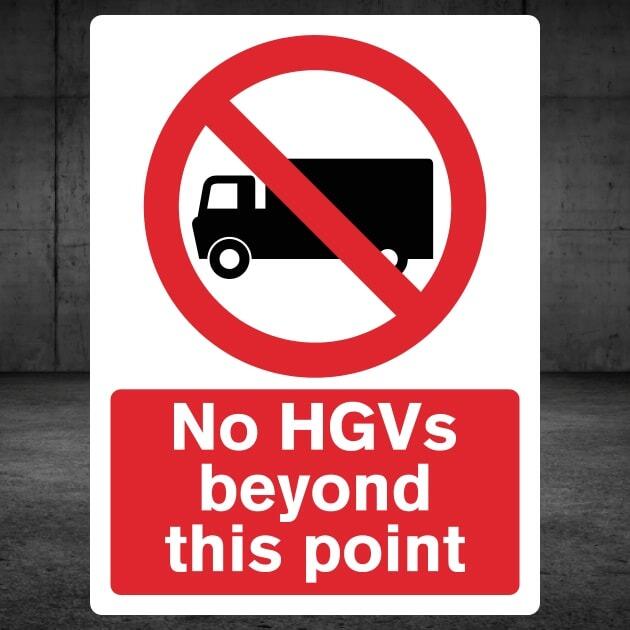
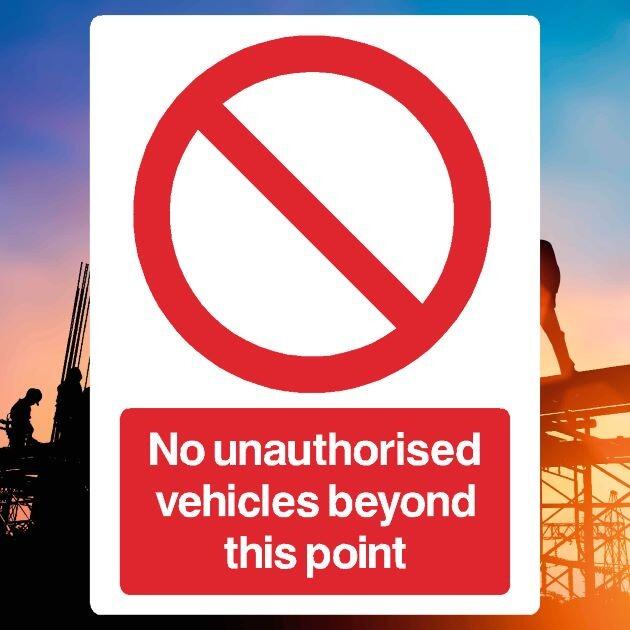
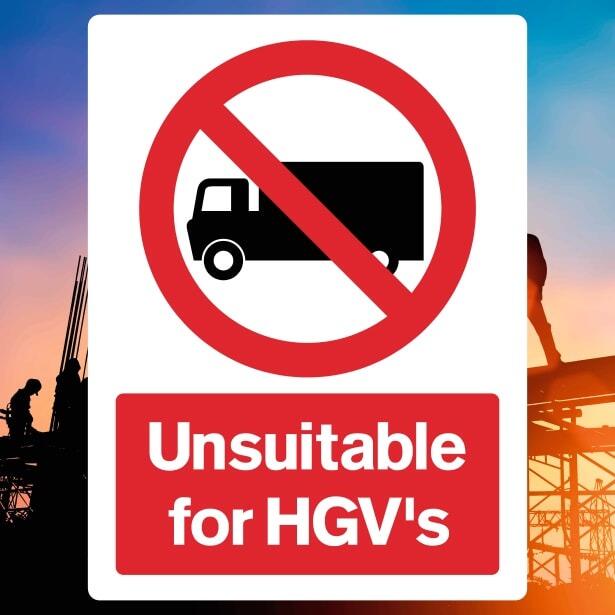
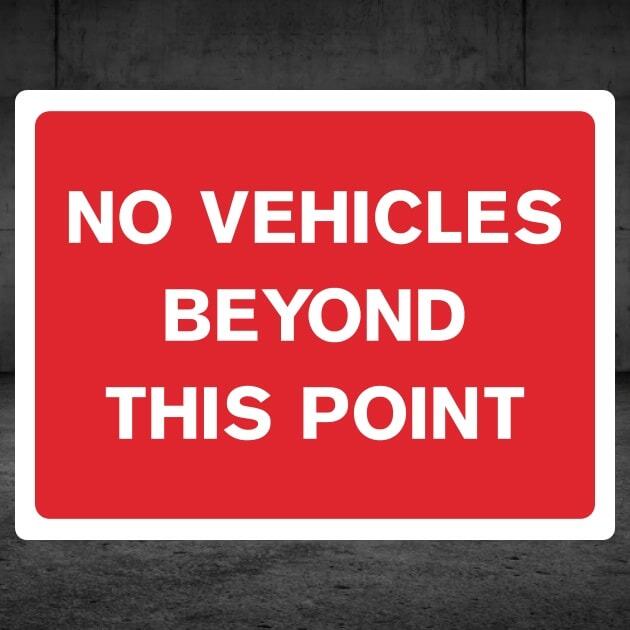
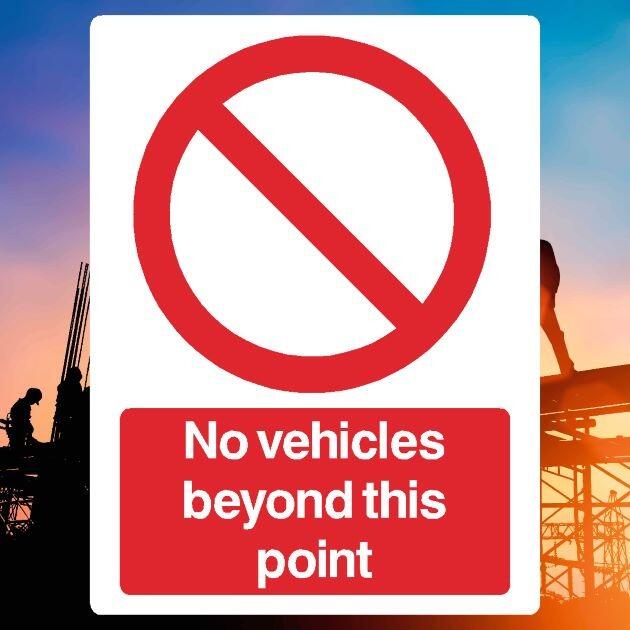
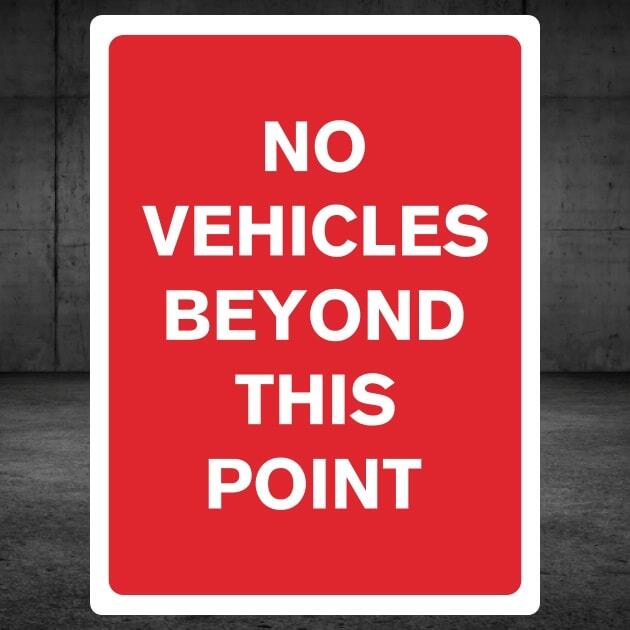
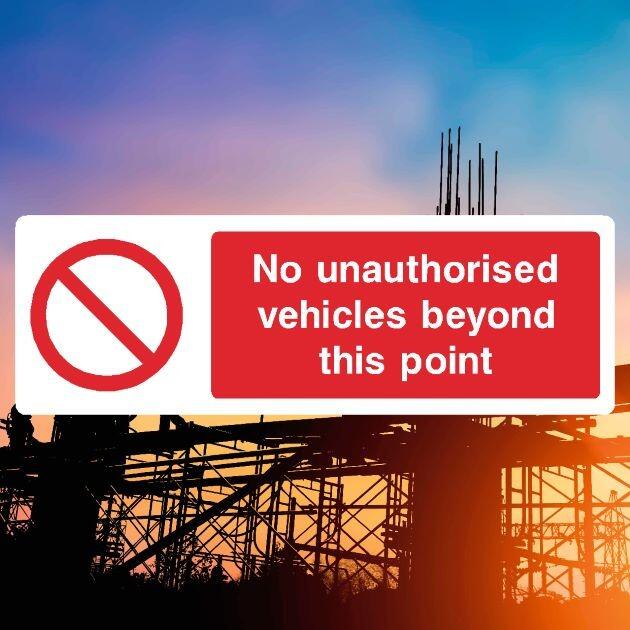
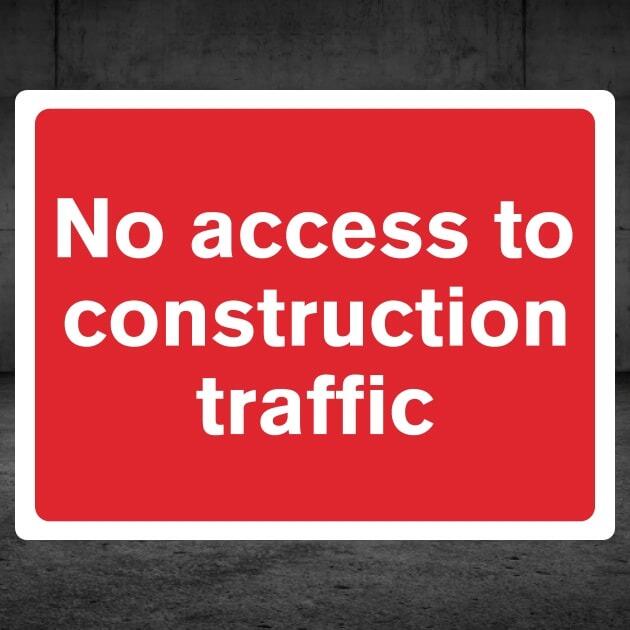

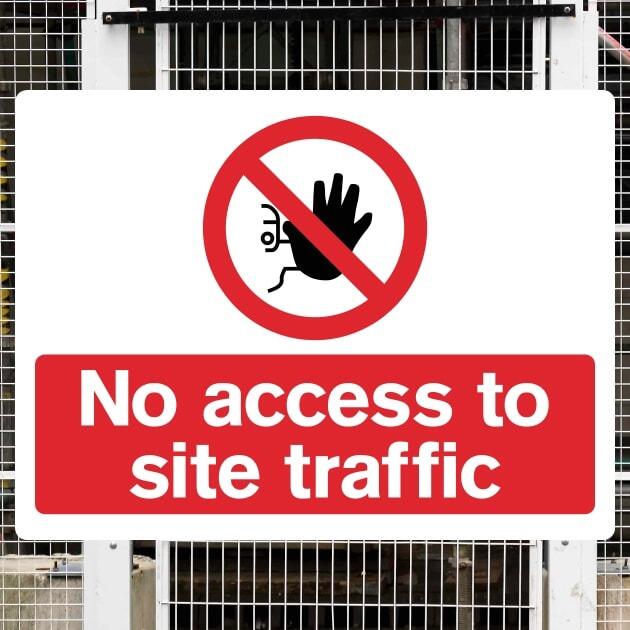

No Vehicle Signs clearly communicate where cars, vans, lorries, construction vehicles or other traffic must not enter or proceed.
They can be used on construction sites, private roads, industrial premises, warehouses, farms, commercial properties and other locations where vehicle movements need to be controlled.
From a straightforward No Vehicles sign to No Vehicles Beyond This Point or No Unauthorised Vehicles messaging, choosing wording that accurately reflects the restriction helps drivers understand what they need to do before entering the area.
No Vehicle Signs tell drivers that vehicle access to a particular entrance, road, route or area is prohibited or restricted.
Different sites require different messages.
These can include:
No Vehicles – prohibits vehicle access to an area or route.
No Vehicle Access – identifies an entrance or route that shouldn't be used by vehicles.
No Vehicles Beyond This Point – establishes a clear point beyond which vehicles must not proceed.
No Unauthorised Vehicles – restricts access while allowing approved vehicles to enter.
No Cars – applies specifically to cars where other types of traffic may be permitted.
No HGVs – restricts heavy goods vehicles where appropriate.
Choose the message that most accurately reflects your actual traffic arrangements.
Vehicle access restrictions can be required in many different environments.
Common locations include:
Position signs where drivers have enough time to understand the restriction and avoid entering the controlled area.
Construction sites often have carefully controlled vehicle routes.
Site layouts may include:
No Vehicle Signs can help reinforce traffic-management arrangements by identifying routes or areas that vehicles shouldn't enter.
Signage should support the site's wider traffic-management measures rather than replace physical segregation, barriers, planning, supervision or other appropriate controls.
Warehouses and industrial premises can have significant interaction between vehicles and pedestrians.
Forklifts, delivery vehicles, HGVs, vans and employee cars may all use different parts of a site.
Clear vehicle access signs can help identify:
Where only a particular type of vehicle is restricted, use a specific sign rather than a blanket No Vehicles message.
Private roads and commercial access routes may need signage to make vehicle restrictions clear.
Depending on the situation, appropriate wording could include:
The correct wording depends on what you're trying to communicate.
A No Vehicle Sign shouldn't be used simply because a road is privately owned if authorised vehicles are routinely allowed to use it.
A No Vehicles Beyond This Point sign is useful where vehicles can enter part of a site but must stop before proceeding into another area.
This can work particularly well at:
Position the sign at the point where the vehicle restriction actually begins.
Where approved vehicles are allowed to enter, No Unauthorised Vehicles may be more accurate than a general No Vehicles sign.
This could apply where access is permitted for:
Make sure drivers understand how authorisation is determined and provide any additional instructions needed.
These messages shouldn't automatically be treated as interchangeable.
A No Vehicle Sign specifically restricts vehicle access.
A No Entry Sign can communicate a broader access restriction.
If pedestrians are permitted to enter an area but vehicles aren't, a No Vehicle Sign provides a more accurate instruction.
Using specific wording reduces ambiguity.
These signs communicate opposite types of traffic restriction.
No Vehicle Signs prohibit vehicle access while pedestrian access may still be permitted.
No Pedestrian Signs prohibit people on foot while vehicles may still use the route.
This distinction is particularly important on construction sites, warehouses and industrial premises where separating pedestrians and vehicles can form part of traffic-management arrangements.
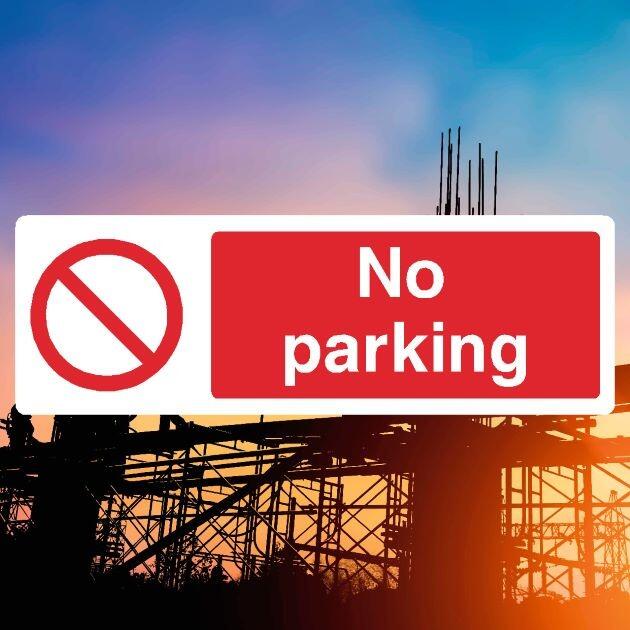
A No Vehicle Sign and a No Parking Sign communicate very different restrictions.
No Vehicle means vehicles shouldn't enter or proceed into the area.
No Parking means vehicles may be able to enter or travel through the area but shouldn't park there.
For example, a service road could allow vehicles to pass through while prohibiting parking.
Using No Vehicles in that situation would communicate the wrong instruction.
If your issue is parked vehicles rather than vehicle access, choose from our No Parking Signs instead.
Use No Vehicles where the vehicle restriction applies generally.
Use No Unauthorised Vehicles where approved vehicles are permitted but other vehicles aren't.
For example, an industrial compound used by company vehicles and approved contractors may require a No Unauthorised Vehicles message rather than a complete vehicle prohibition.
There isn't one universal list of No Vehicle Signs that every UK workplace must display.
The appropriate signage depends on the site's hazards, layout, traffic routes, access arrangements and the people who could be affected.
Where vehicle movements create risks, businesses should consider appropriate traffic-management measures.
Signage can communicate routes and restrictions, but it should support wider controls rather than replace them.
Depending on the site, those measures can include:
The appropriate combination depends on the individual workplace.
BS EN ISO 7010 provides standardised graphical symbols for safety signs, including recognised prohibition symbols.
Using recognised symbols can help make an instruction easier to understand consistently.
However, ISO 7010 is a standard rather than UK legislation itself.
The need for a particular sign should be based on the actual vehicle restriction and risk rather than assuming that displaying a standardised sign automatically makes a site compliant.
Where vehicle access is being communicated as a formal prohibition, recognised prohibition signage typically uses a red circular border and diagonal bar with a black pictogram on a white background.
Text can be added where it helps clarify the restriction.
For example, supplementary wording can explain whether the restriction applies to all vehicles, unauthorised vehicles or a particular vehicle type.
Position signs where drivers can see and understand the restriction before entering the controlled route or area.
Potential locations include:
Allow enough viewing distance for drivers to respond safely.
A sign positioned where a driver has already entered the restricted area is unlikely to provide effective guidance.
Vehicle signs often need to be seen from further away than signs intended solely for pedestrians.
Consider:
The driver should be able to identify and understand the restriction early enough to respond appropriately.
Outdoor vehicle access signs need a material suitable for the intended environment and expected period of use.
Consider:
Temporary construction projects may have different requirements from permanent private roads or industrial premises.
Sometimes the restriction doesn't apply to every vehicle.
You may need signage relating specifically to:
Where that's the case, choose a specific message rather than using a general No Vehicles sign.
Regularly check signs to make sure they're:
Vegetation, parked vehicles, temporary equipment and changes to a site layout can all reduce visibility.
Construction and industrial sites should review signage whenever traffic routes change.
If vehicles are allowed into an area but shouldn't stop or park there, use parking-control signage rather than a No Vehicle Sign.
Depending on the situation, that could include:
Matching the sign to the actual restriction makes the message clearer for drivers and avoids confusing access control with parking management.
Before ordering, consider:
These questions can help you select a sign that communicates the actual vehicle restriction rather than relying on overly general wording.
Safety Sheep No Vehicle Signs are Made in Britain for UK businesses, contractors and organisations.
Choose from No Vehicles, No Vehicle Access, No Vehicles Beyond This Point, No Unauthorised Vehicles and vehicle-specific access signs for construction sites, warehouses, private roads and commercial premises.
For other access restrictions, explore our complete No Entry Signs range, including Keep Out, No Access, No Unauthorised Access and No Pedestrian signs.
If vehicles are permitted to enter but parking is the problem, explore our dedicated No Parking Signs instead.
Think Safety. Think Sheep.
A No Vehicle Sign tells drivers that vehicles must not enter or proceed into a particular road, route or area.
They're commonly used on construction sites, private roads, warehouses, industrial premises, farms, commercial properties and other locations where vehicle access needs to be restricted.
No Vehicles specifically restricts vehicle access. No Entry can communicate a broader access restriction. If pedestrians are allowed but vehicles aren't, a specific No Vehicle Sign is normally clearer.
No Vehicles means vehicles shouldn't enter the area. No Parking means vehicles may be permitted to enter or travel through the area but shouldn't park there.
No Vehicles generally prohibits vehicle access. No Unauthorised Vehicles allows approved vehicles to enter while restricting vehicles that don't have permission.
Position the sign where approaching drivers can see and understand the restriction before entering the controlled road, entrance or area.
Yes. No Vehicle, No Unauthorised Vehicles and related signs can be used to communicate vehicle access restrictions on private roads and premises.
Potentially, yes. A No Vehicle Sign specifically restricts vehicle access. If pedestrian access is also prohibited, additional or alternative signage may be appropriate.
There isn't a universal requirement for every UK workplace to display a No Vehicle Sign. Appropriate safety and traffic signage should be determined according to the site's risks, layout and traffic arrangements.

