


The Sheep Blog

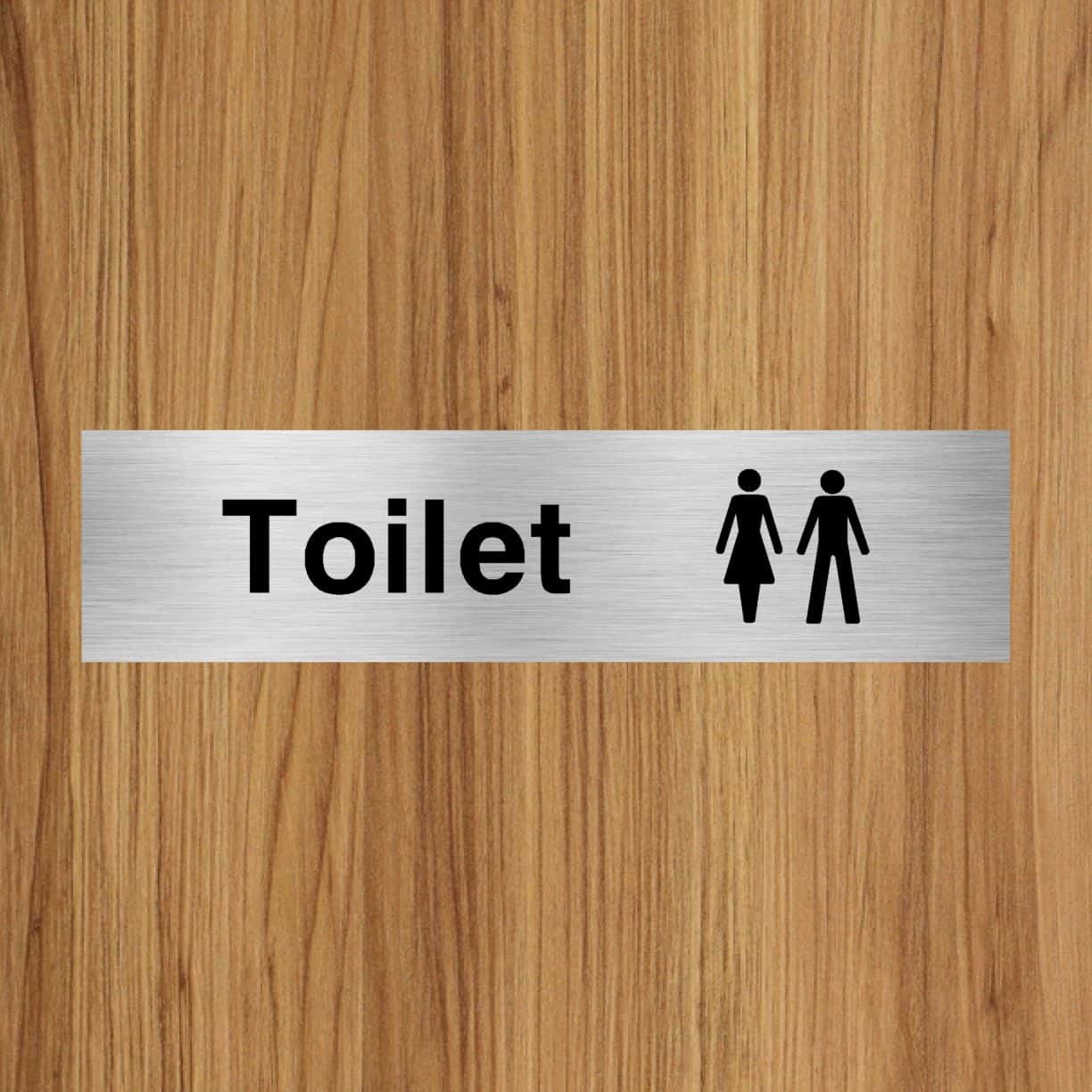
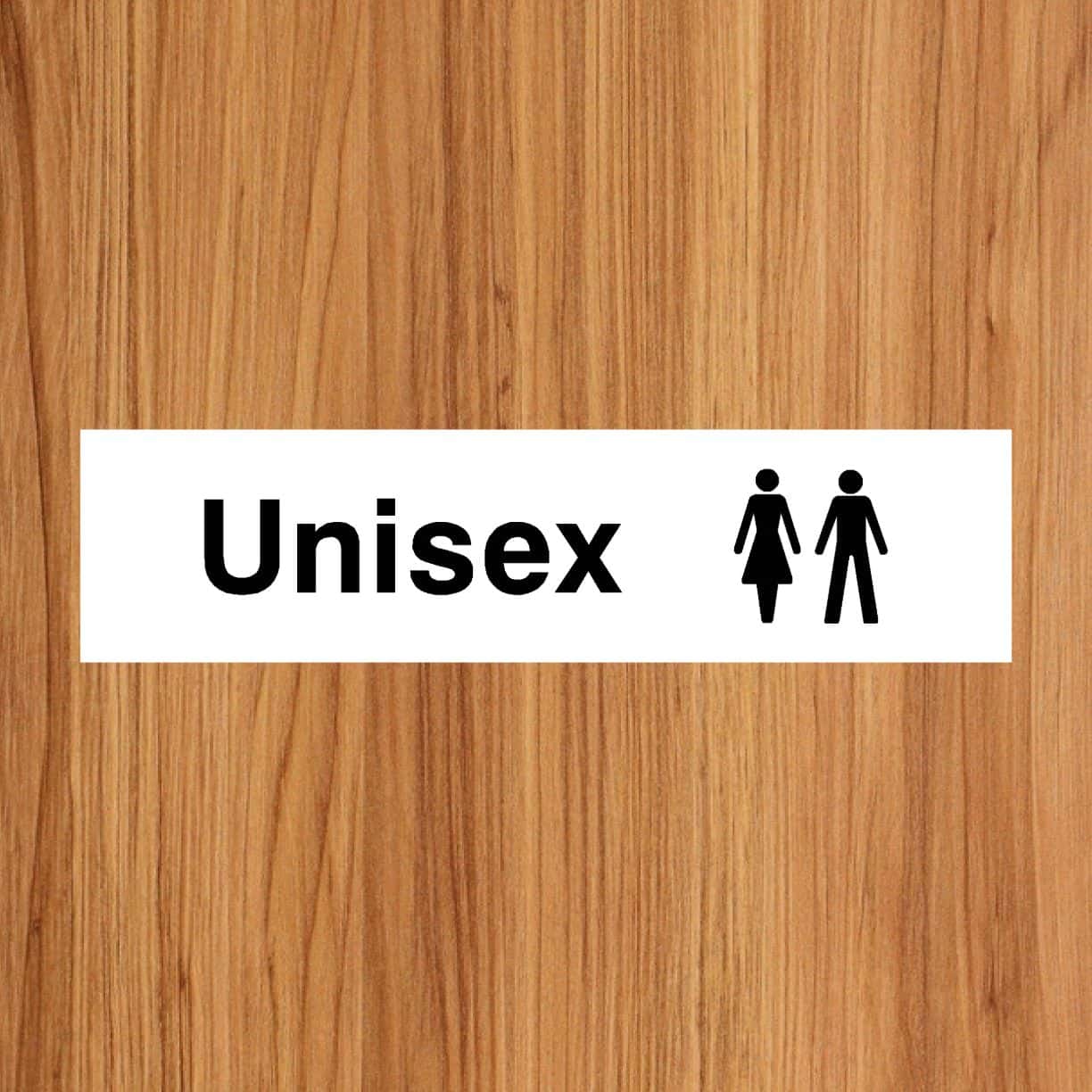
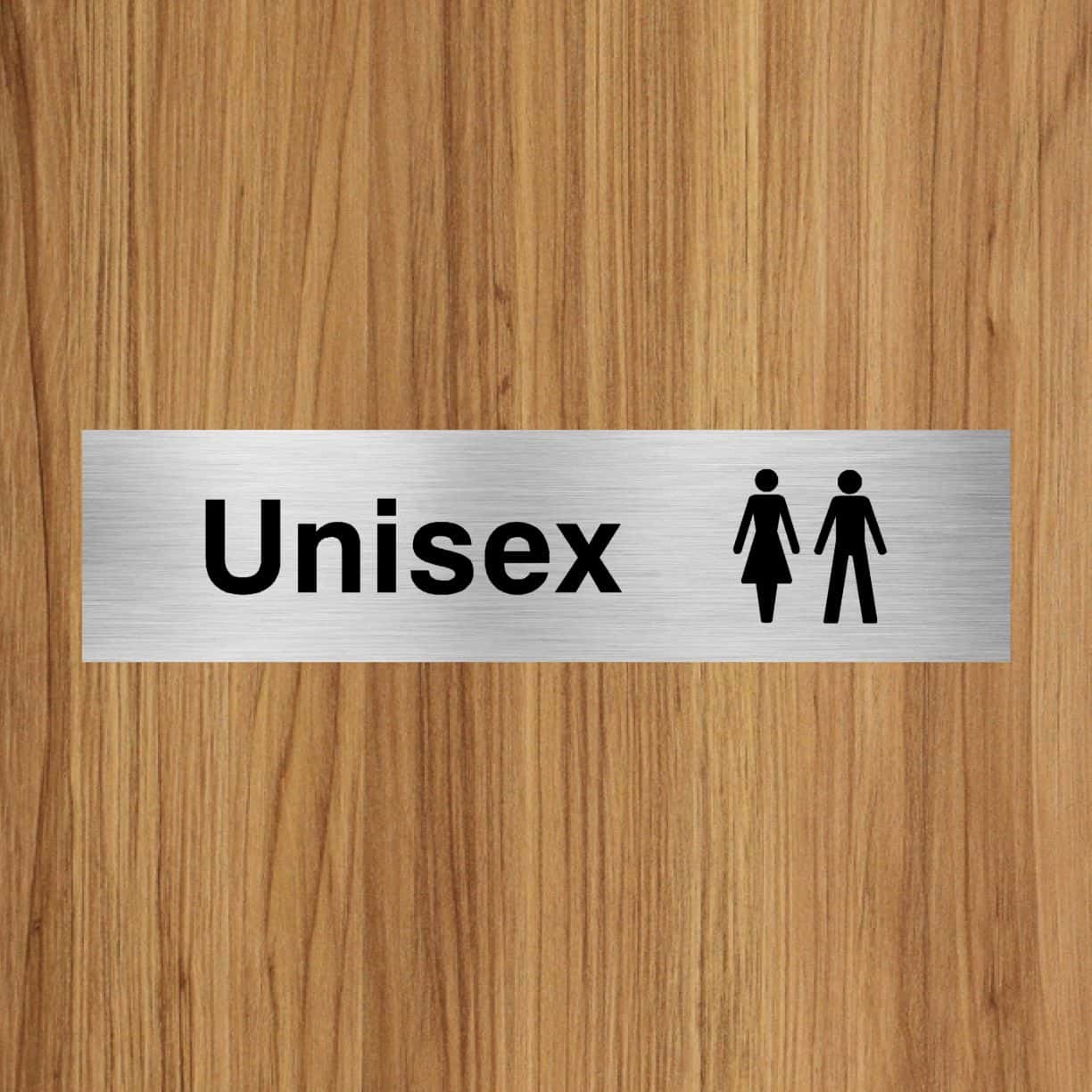


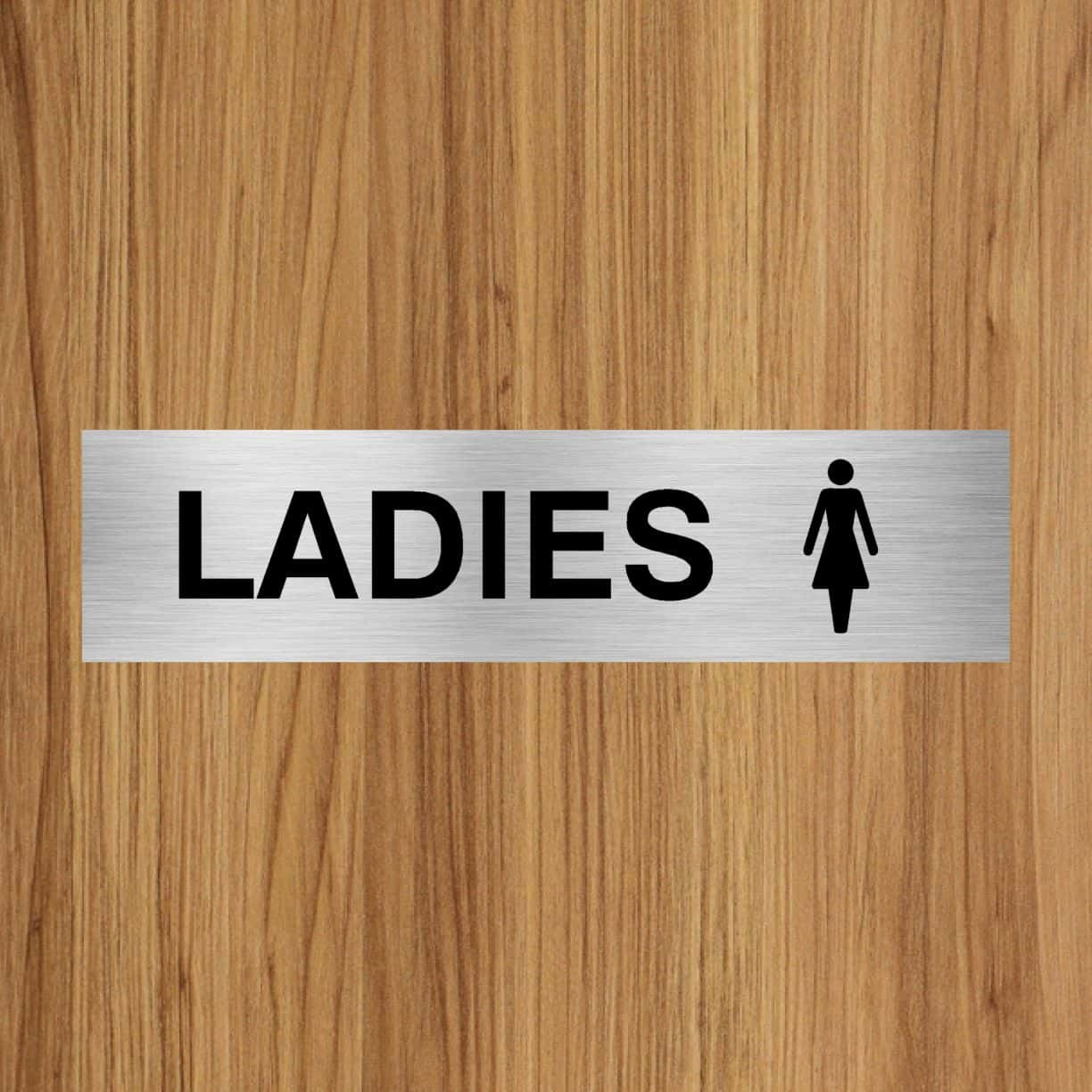
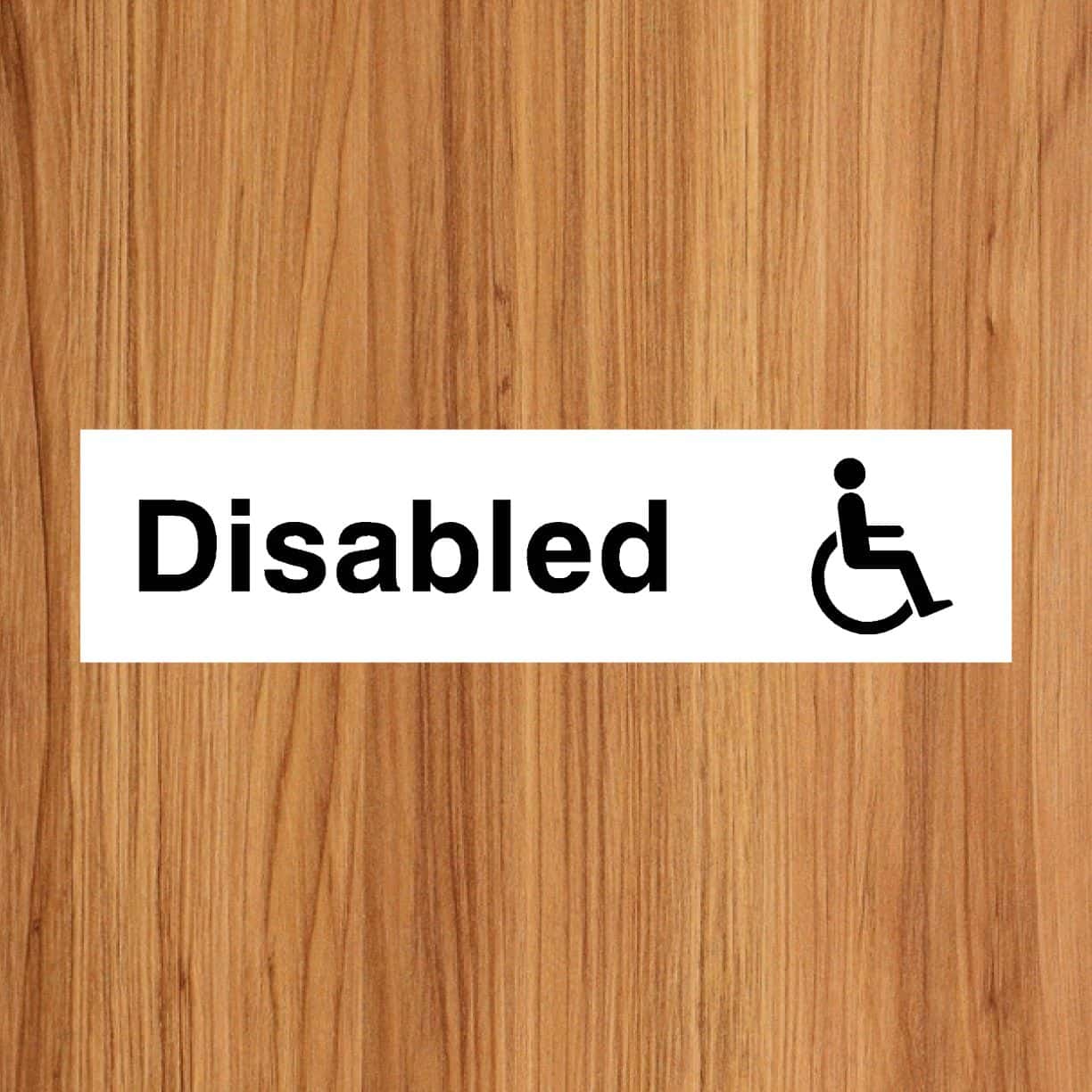
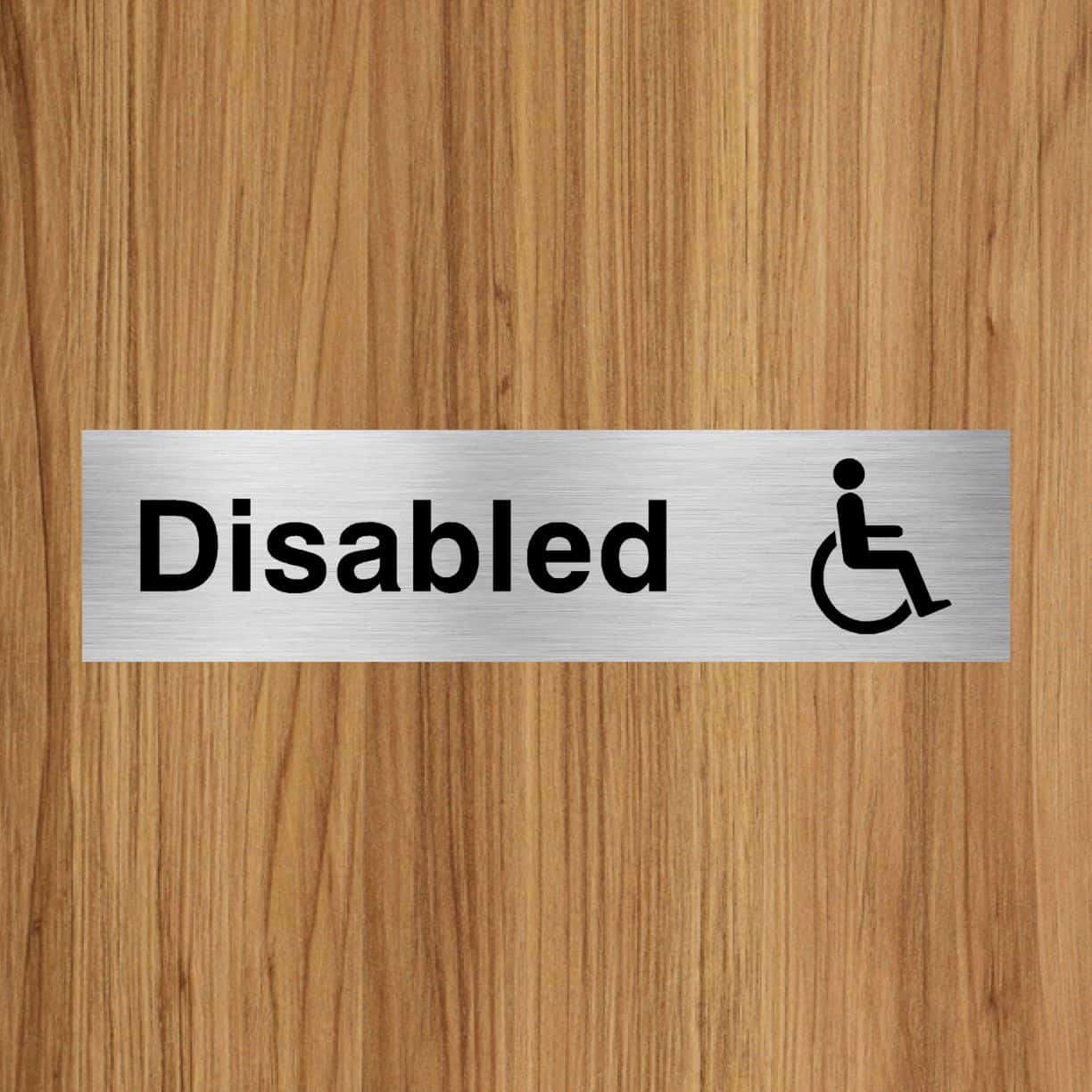
Disabled Toilet Door Sign Caps



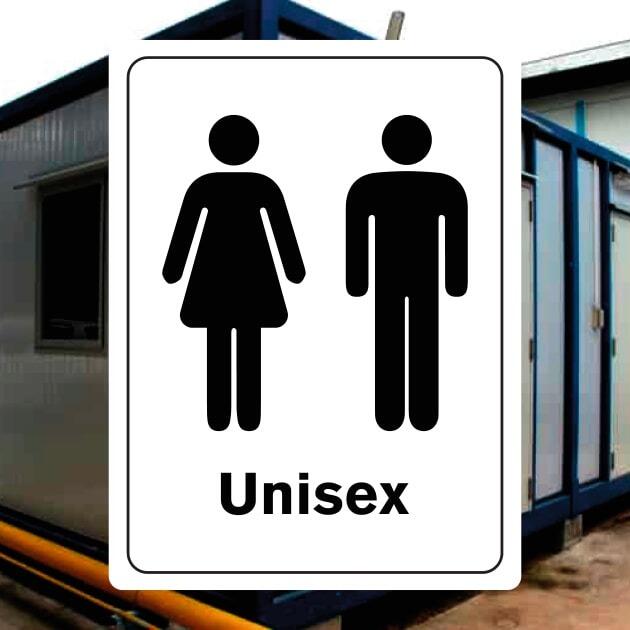
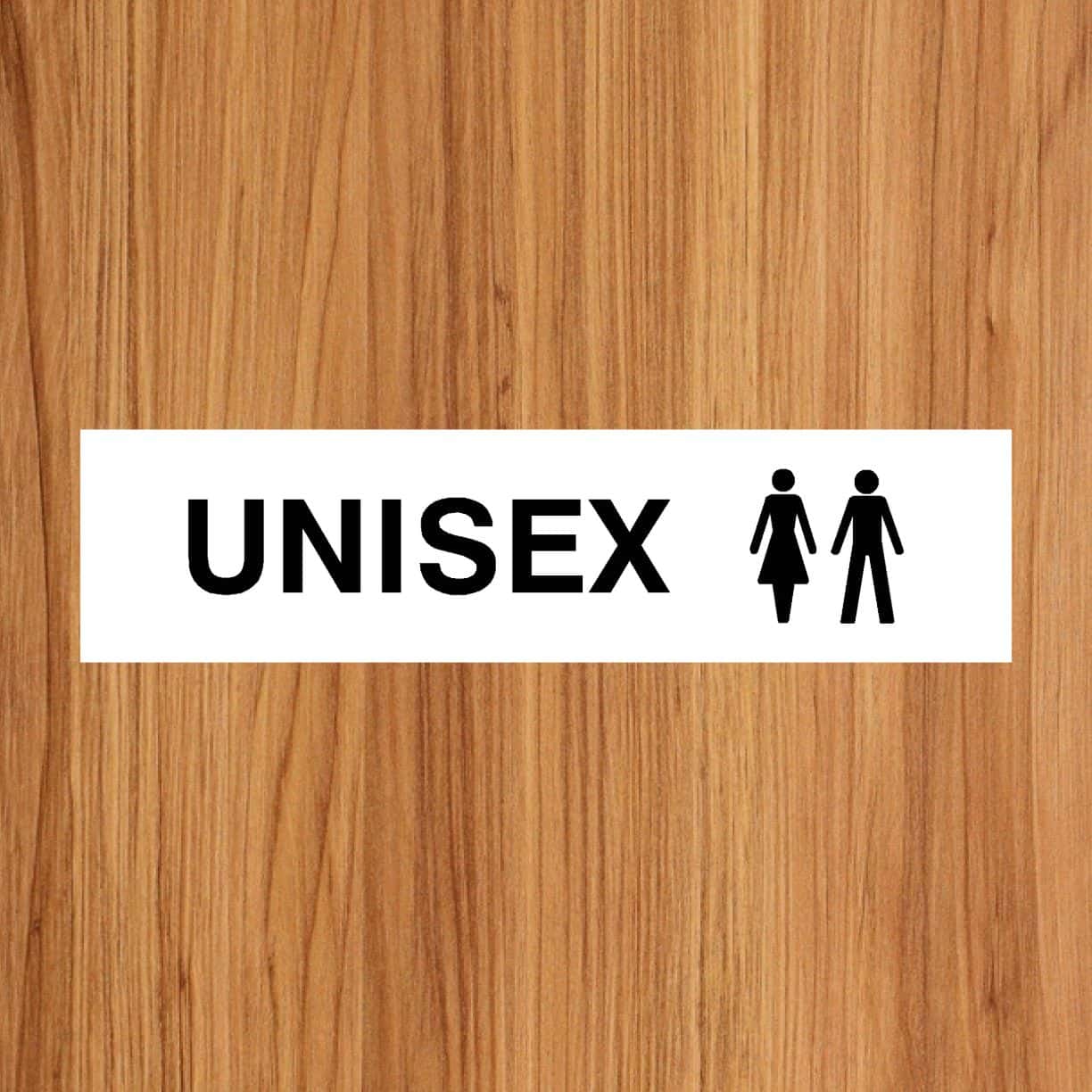
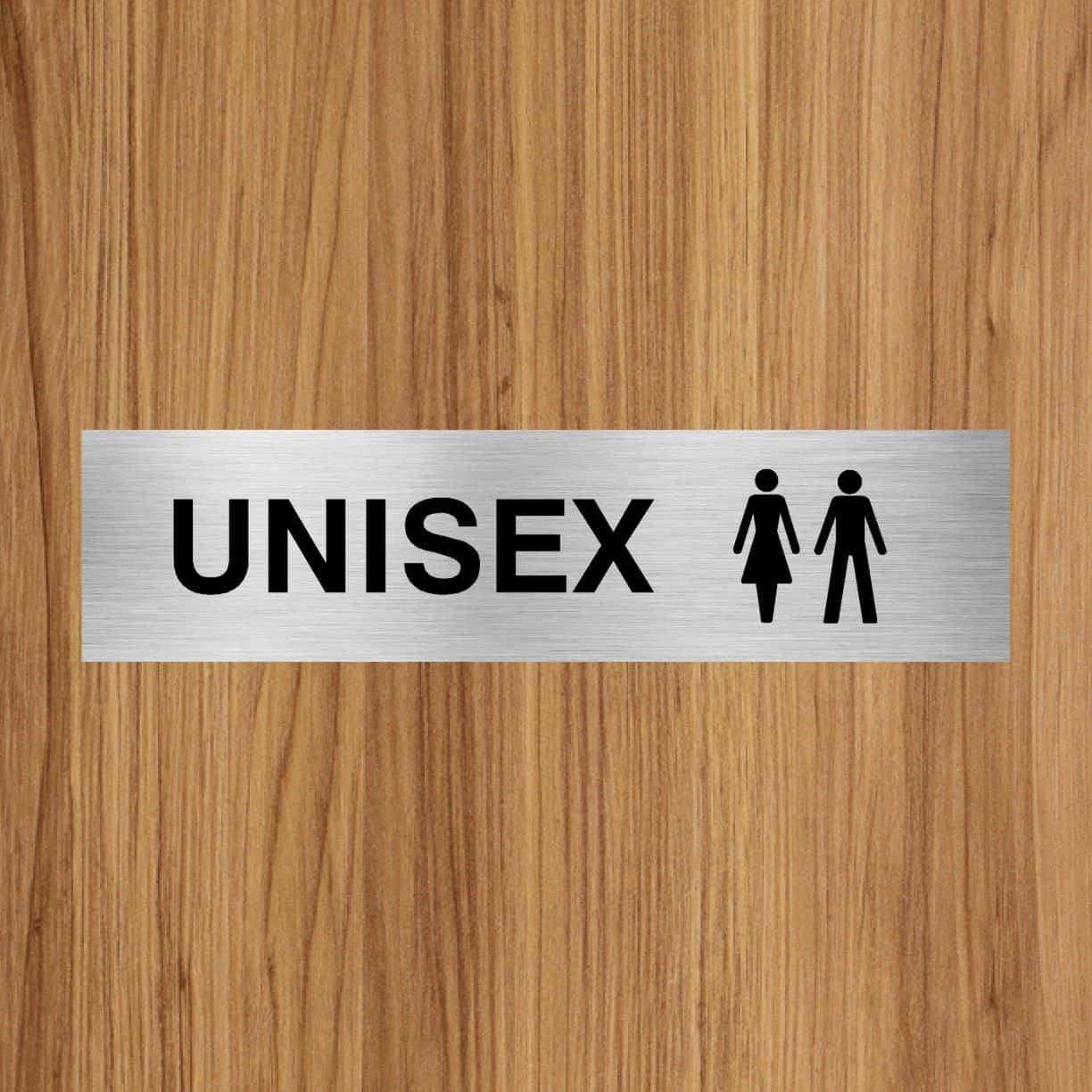
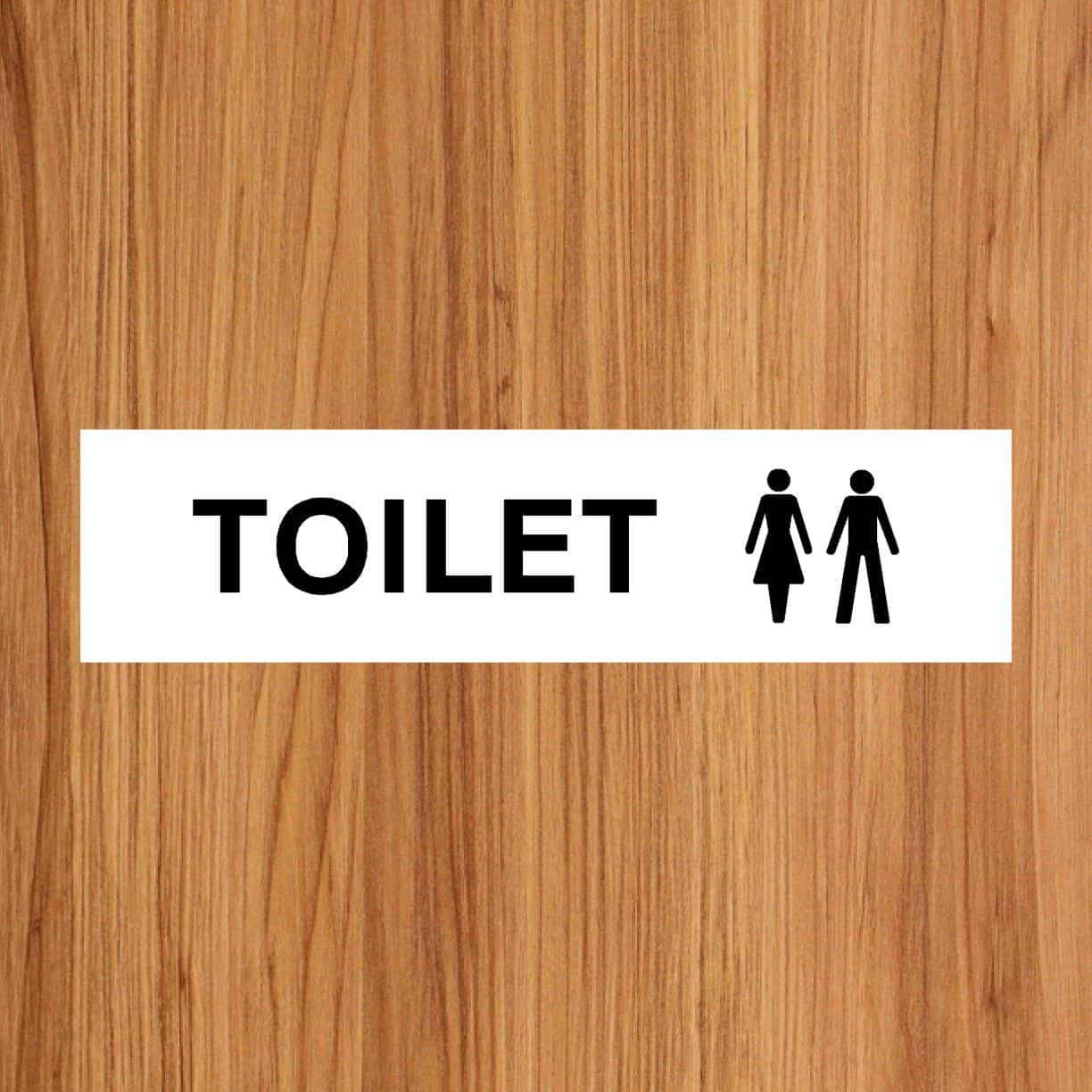
Unisex Toilet Standard Sign CAPS
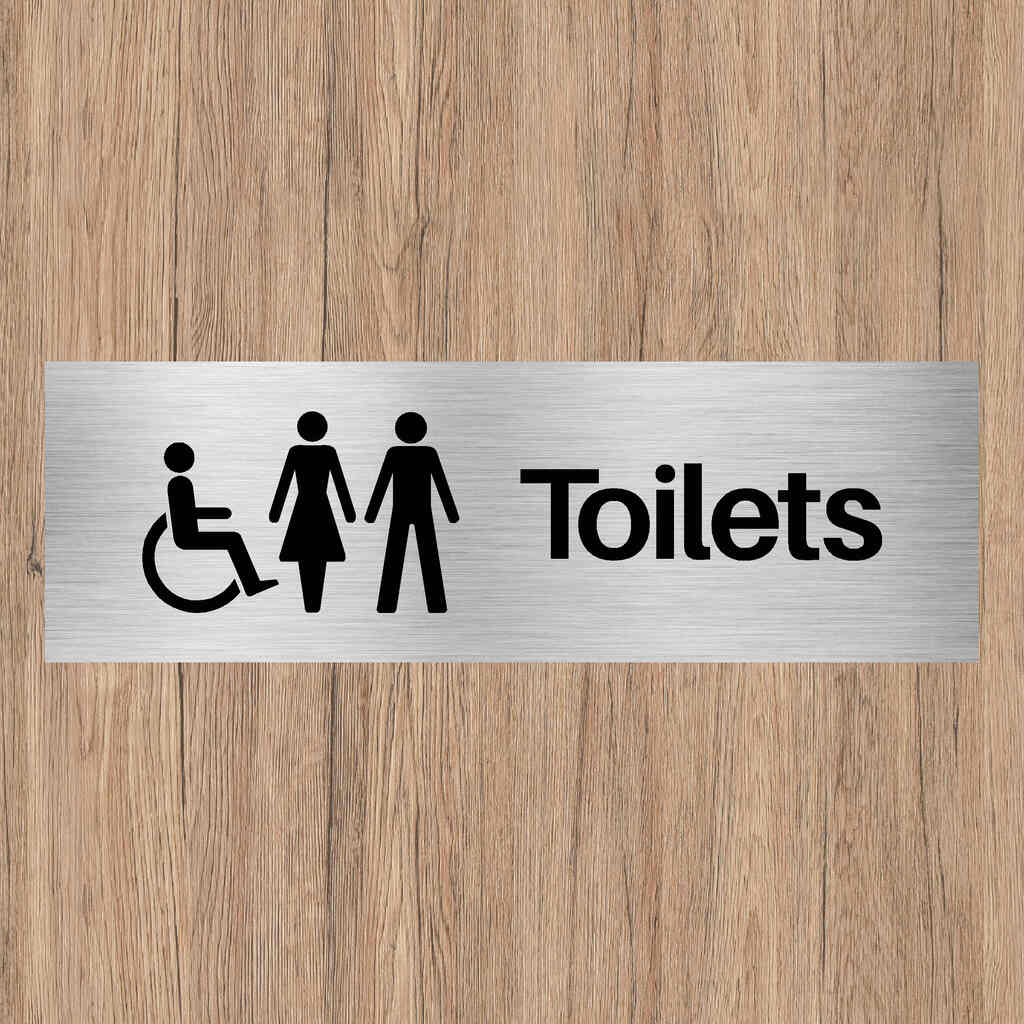
Accessible & Unisex Toilets Sign Brushed Silver
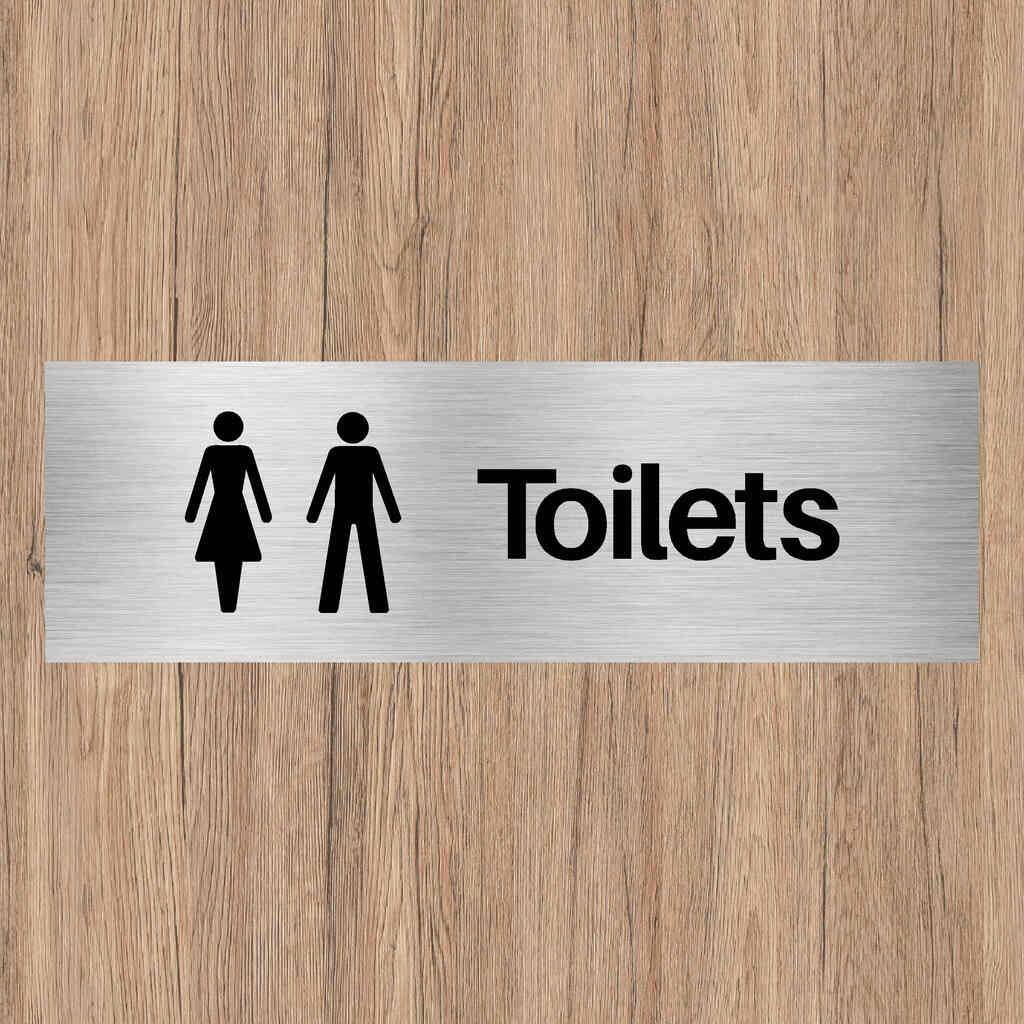
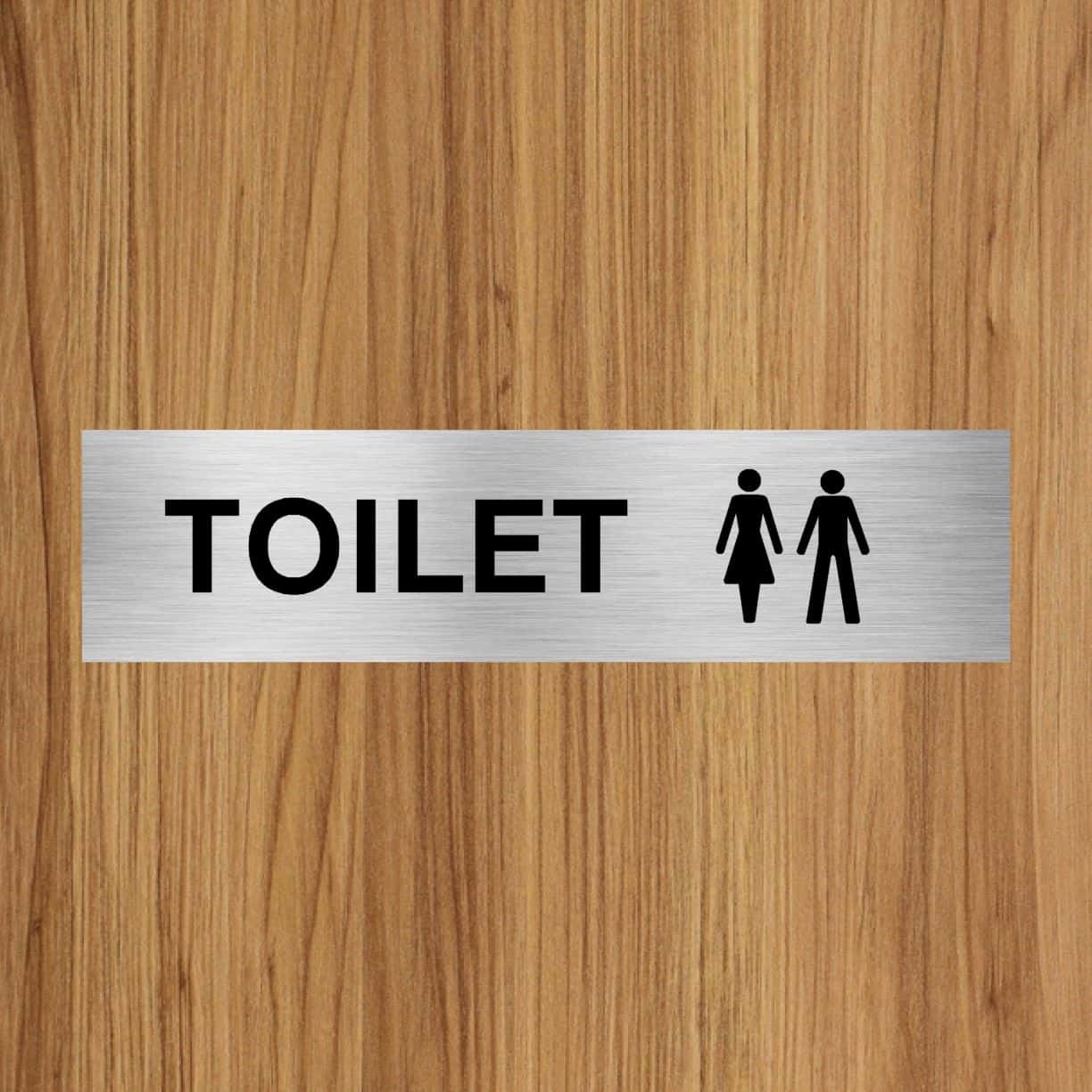
Unisex Toilets Sign Brushed Silver

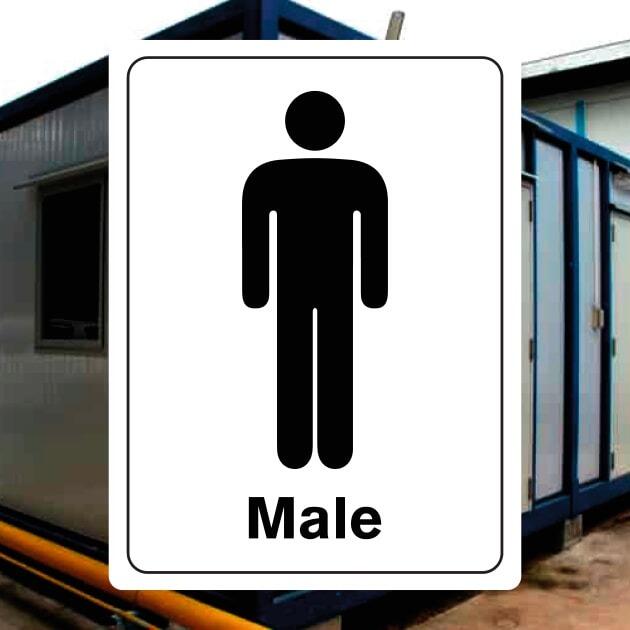

Male Toilet Door Sign Brushed Silver Caps
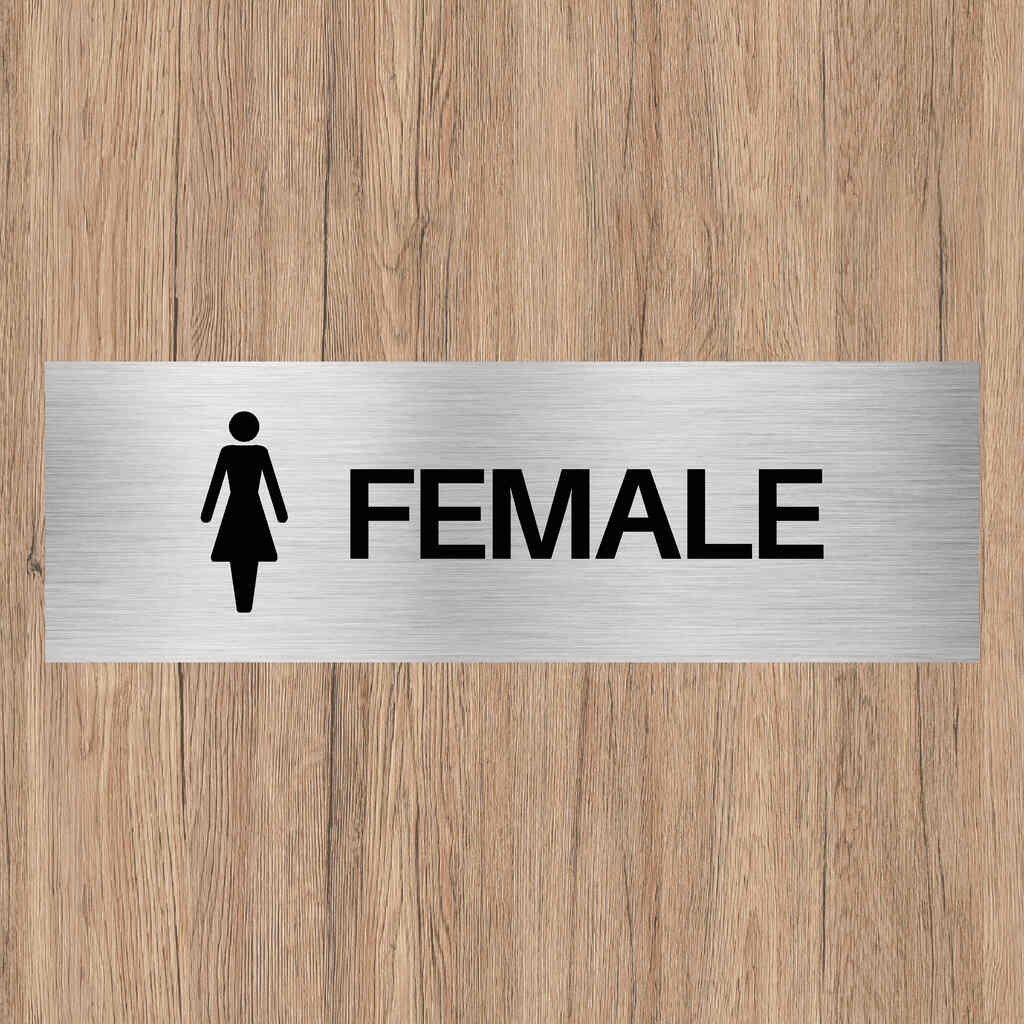
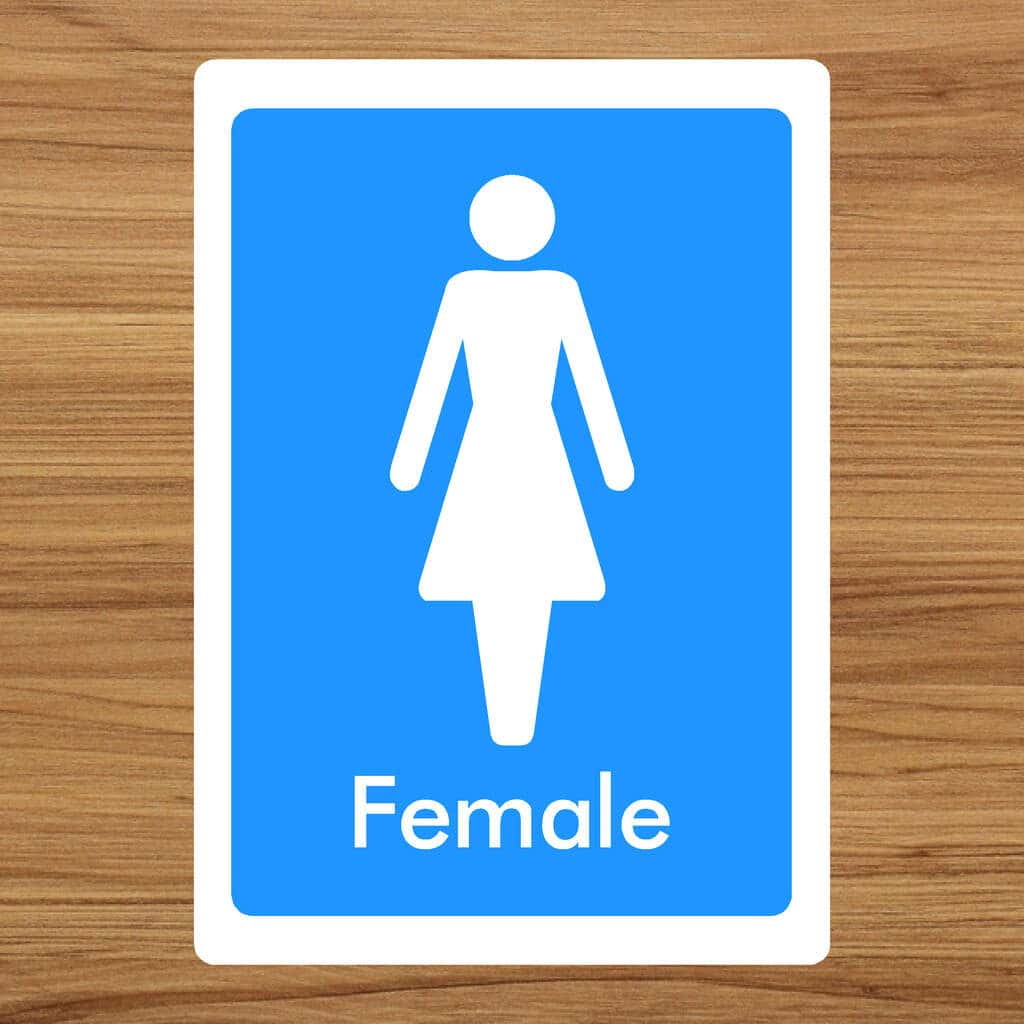
Female Toilet Door Sign Caps Brushed Silver

Gents Toilet Sign Brushed Silver Landscape
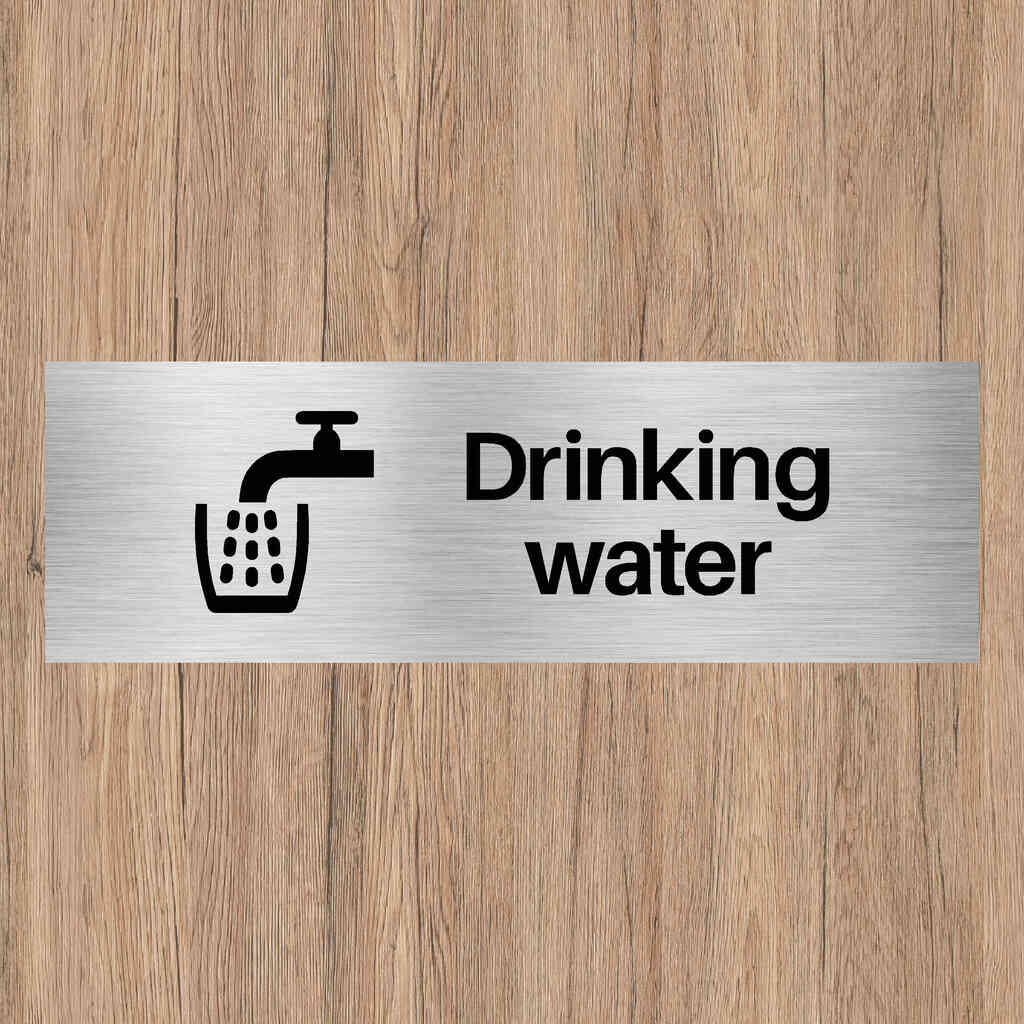
Drinking Water Sign Brushed Silver
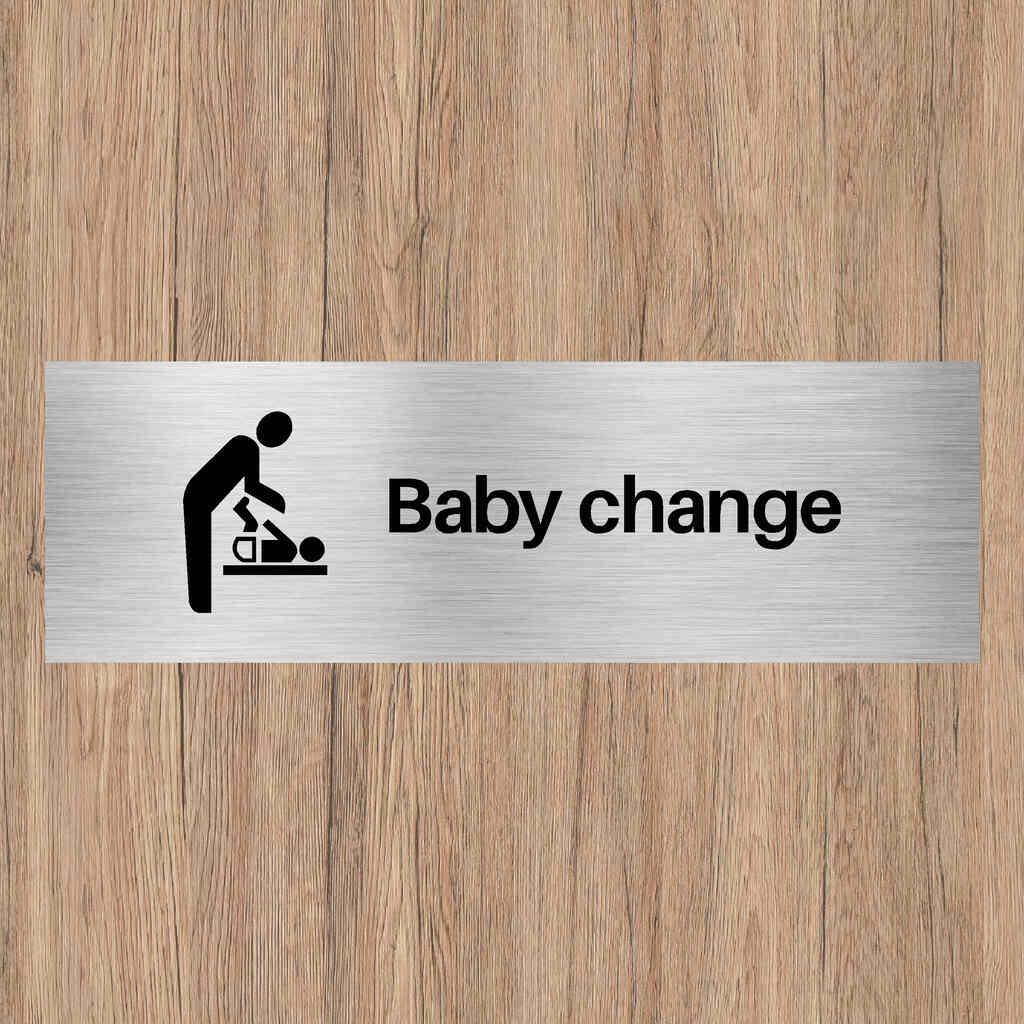
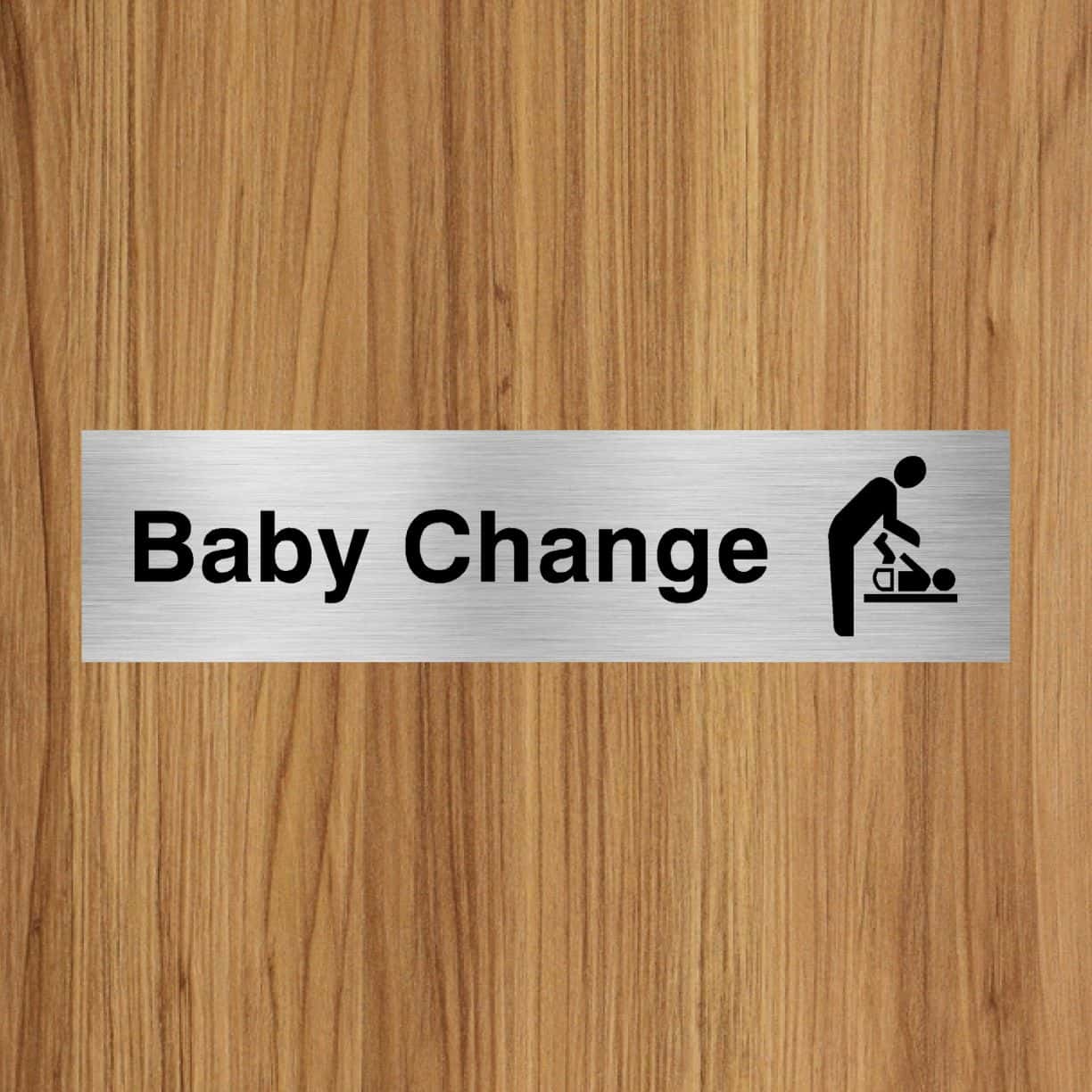
Baby Change Door Sign Brushed Silver
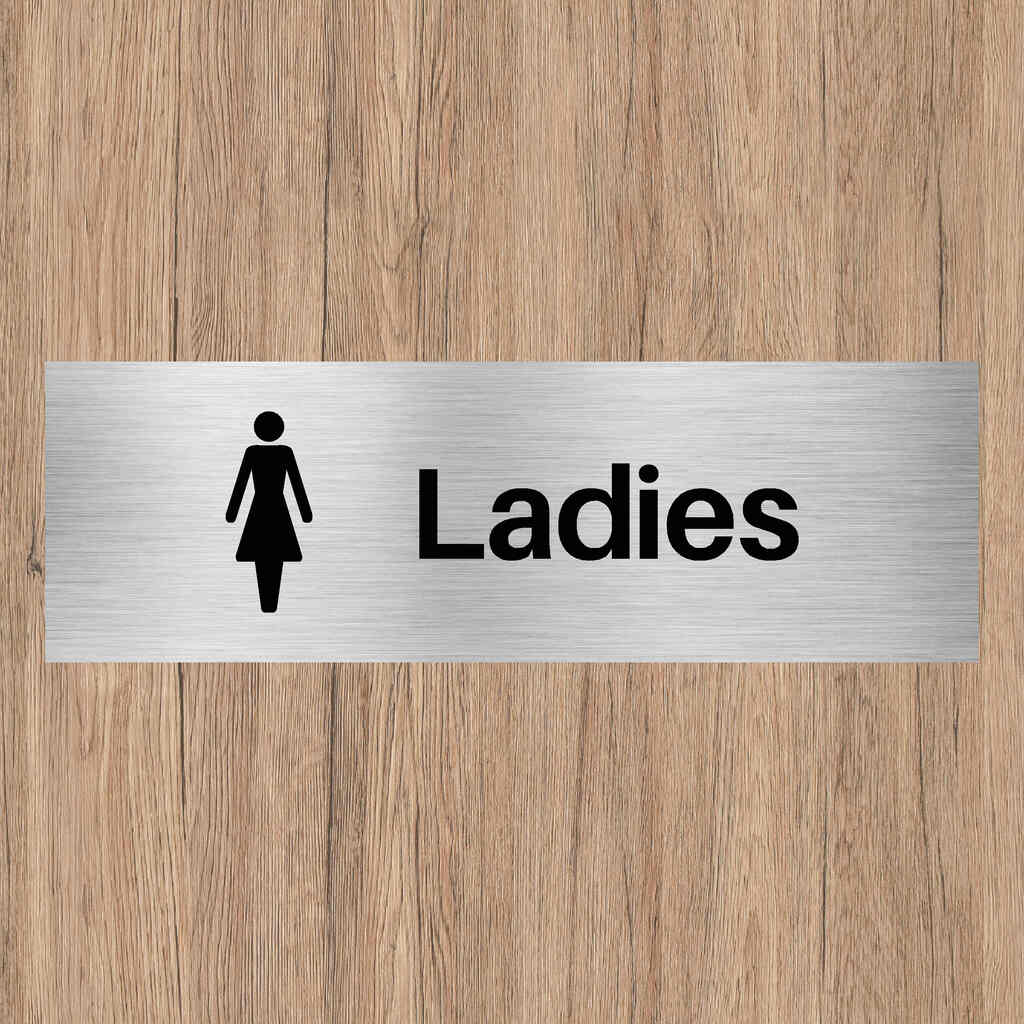
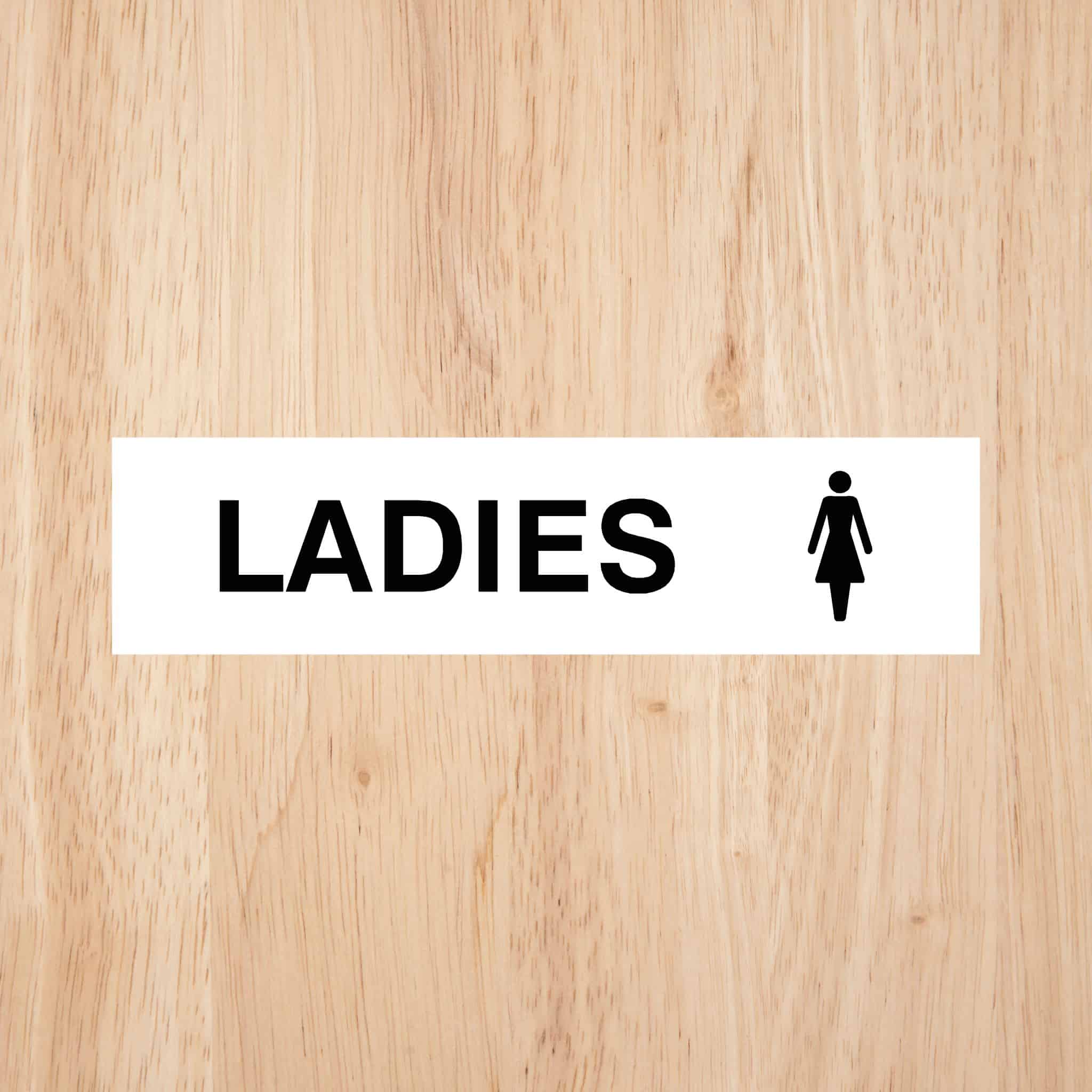
Ladies Toilet Sign Brushed Silver

Accessible Toilet Sign Brushed Silver


Clear toilet signs help staff, customers and visitors find the right facilities quickly and confidently.
From offices and shops to restaurants, hotels, schools, healthcare facilities and industrial workplaces, well-positioned toilet door signs and washroom signs can improve wayfinding and make facilities easier to identify.
Our range includes male, female, ladies, gents, unisex, accessible, inclusive and baby changing signs, with different styles and materials available to suit your premises.
Toilet doors should be easy to identify.
A clear toilet door sign removes uncertainty and helps visitors navigate an unfamiliar building without needing to ask staff for directions.
Depending on your facilities, signs can identify:
Choose terminology that's clear and appropriate for your premises and try to use it consistently throughout the building.
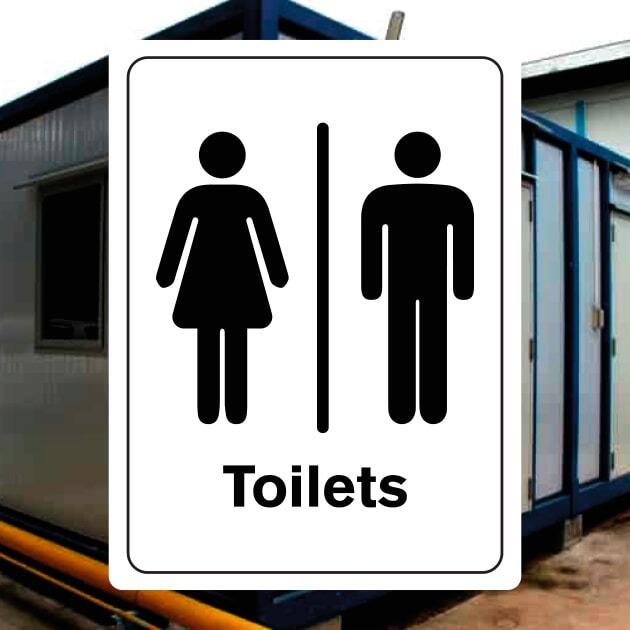
Male and female toilet signs provide familiar identification for separate toilet facilities.
Options can include wording such as:
Recognisable pictograms can make facilities easier to identify quickly, particularly in busy public buildings or premises used by people unfamiliar with the layout.
When signing several facilities, use a consistent design wherever possible.
Traditional Ladies and Gents toilet signs remain widely used in workplaces, hospitality venues and public buildings.
They can be particularly appropriate for:
Choose wording that fits your organisation and keep the terminology consistent across your building.
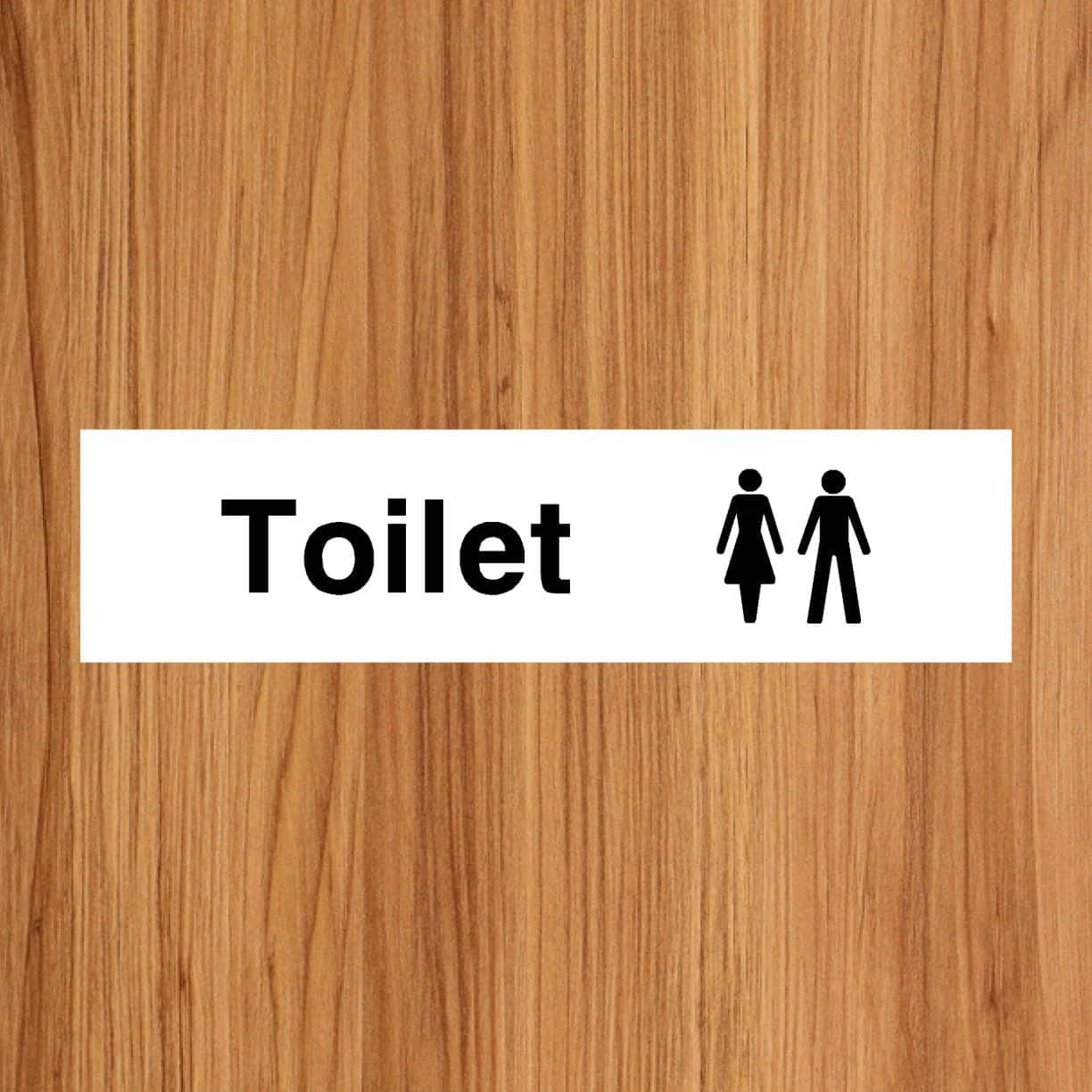
Unisex toilet signs identify toilet facilities intended for use regardless of sex.
Clear wording combined with familiar symbols can help people identify these facilities quickly.
They're suitable for many types of premises including:
Where several different types of toilet are provided, make sure each facility is clearly differentiated.
Accessible toilet facilities should be easy to find and identify.
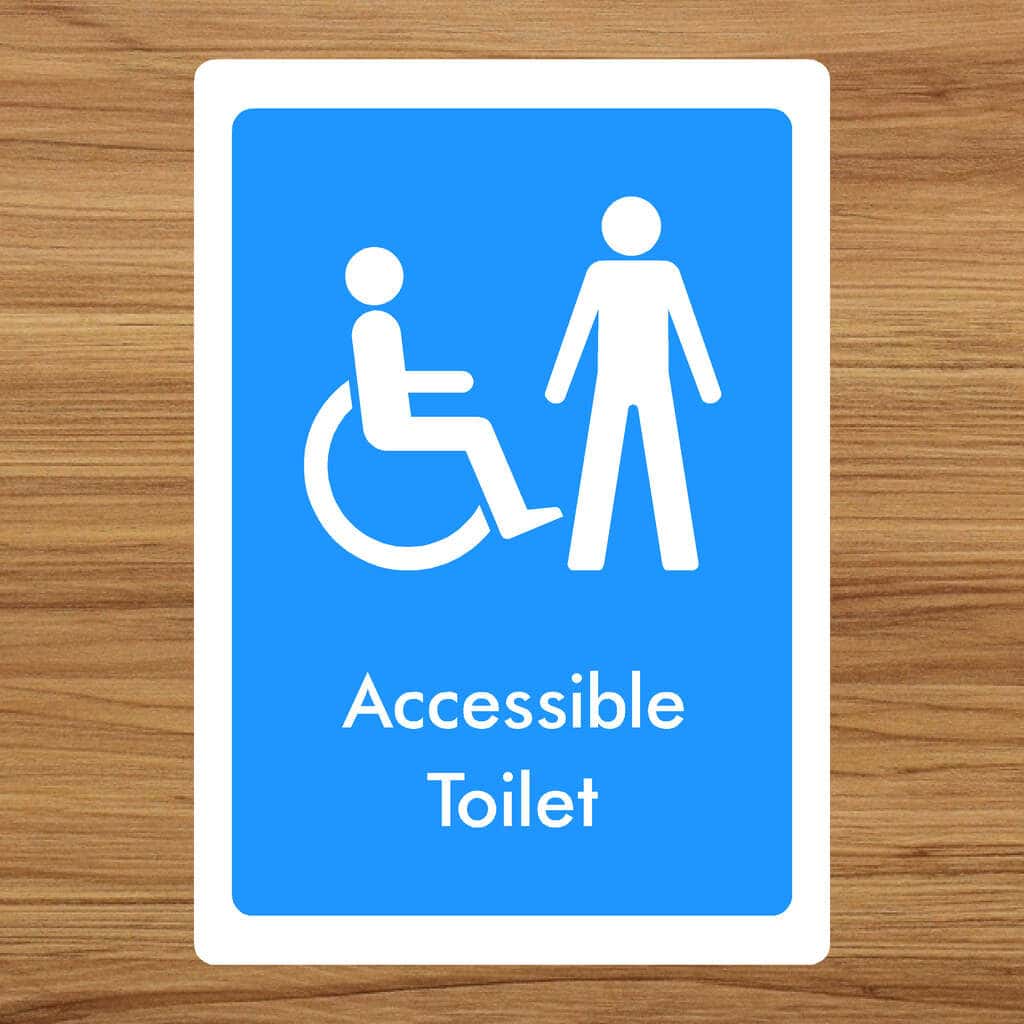
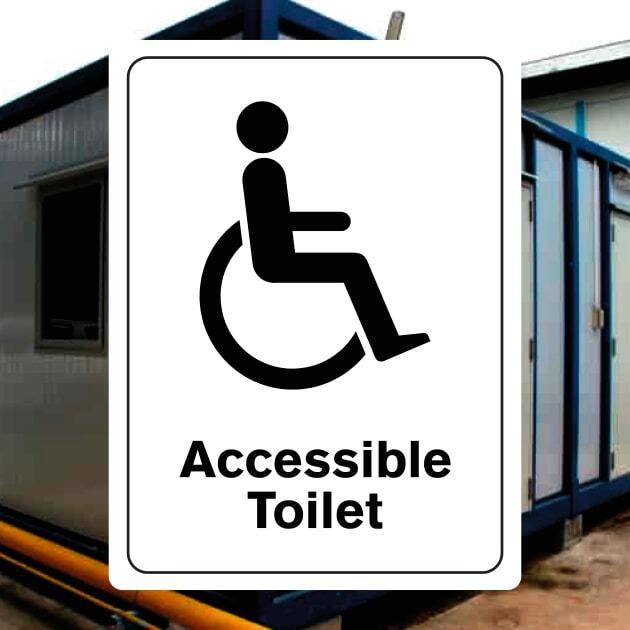
Accessible toilet signs commonly use the recognised wheelchair accessibility symbol alongside clear wording.
Good signage can help people locate accessible facilities without unnecessary searching or needing to ask for assistance.
Accessibility, however, involves much more than putting a sign on a door.
The provision, layout and accessibility of toilet facilities should be considered as part of the building's wider accessibility arrangements.
Many people still search for and use the term disabled toilet signs, and products using this wording remain familiar in existing premises.
Where you're installing or updating signage, Accessible Toilet may often provide more appropriate contemporary terminology.
Whichever wording is used, the purpose should be immediately clear and the sign should accurately identify the facility provided.
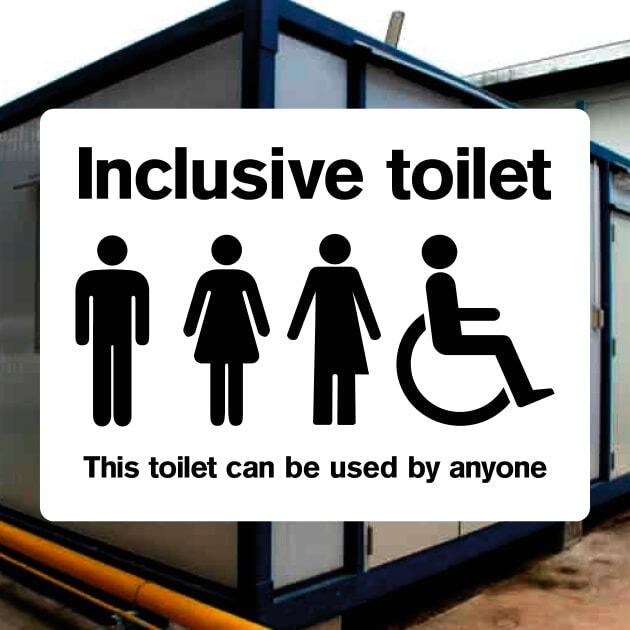
Inclusive toilet signage can be used where organisations want to identify facilities intended to be welcoming and usable by a broad range of people.
The wording and symbols chosen should make the nature of the facility clear rather than creating uncertainty.
If you're changing the way facilities are designated, consider the complete wayfinding system rather than simply replacing an individual door sign.
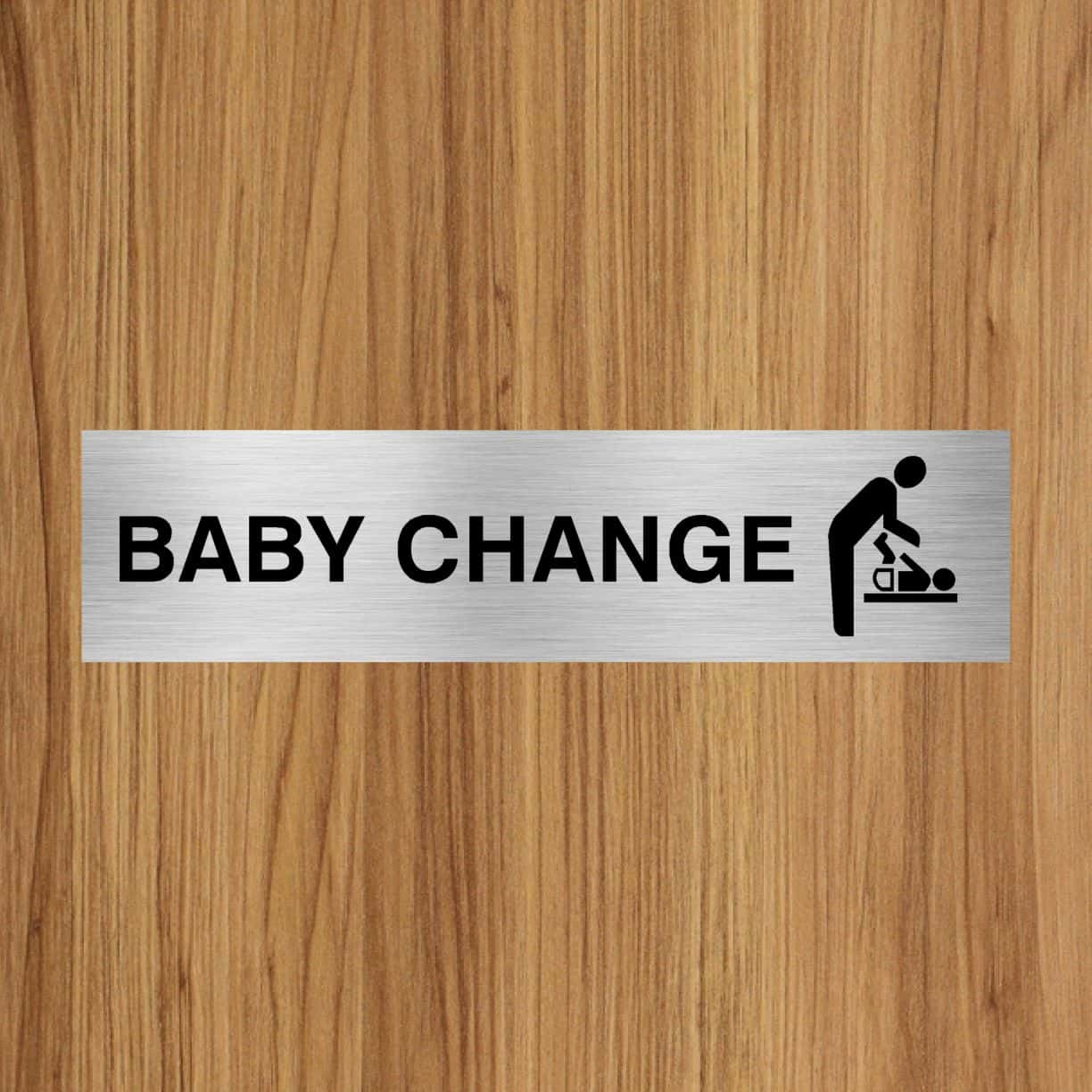
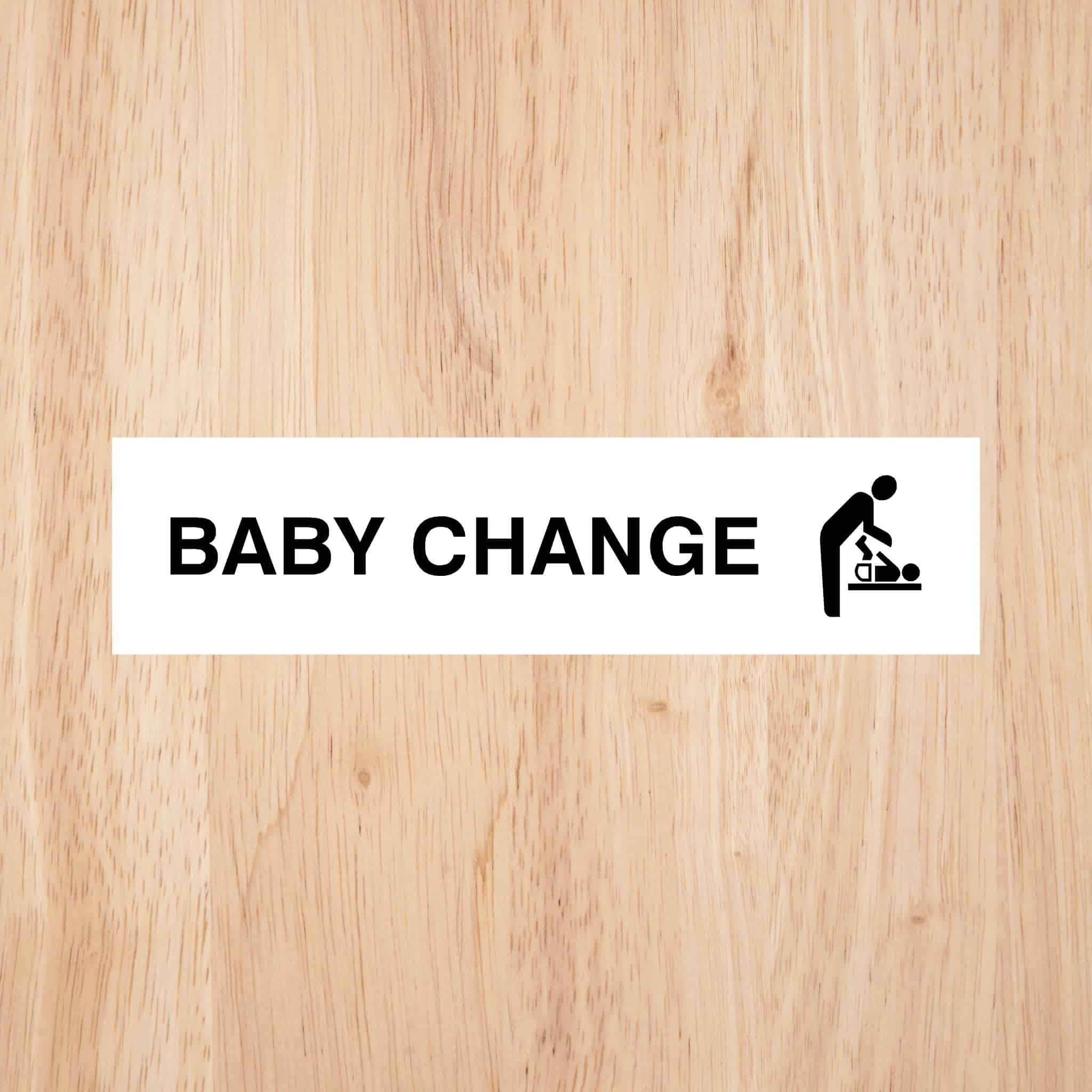
Baby changing facilities can be difficult for visitors to locate, particularly when they're situated within another toilet or washroom.
Clear baby changing signs can identify dedicated facilities or indicate where changing facilities are available.
They're useful in:
Position signs where parents and carers can see them before choosing which facility to enter.
Washrooms often need more than a single identification sign.
Depending on the facilities, additional signage can identify or reinforce:
Only use instructions that are genuinely relevant to the facility.
Too many unnecessary notices can make the important information harder to notice.
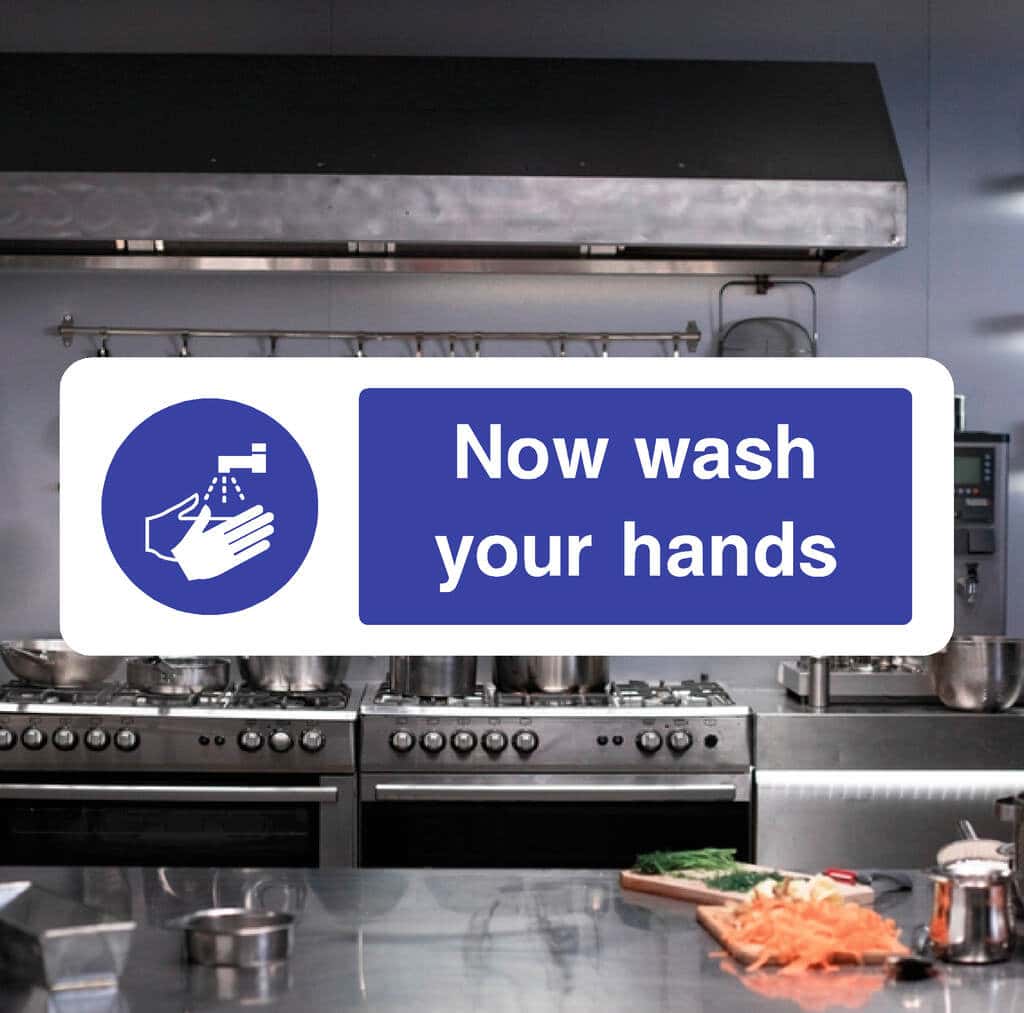
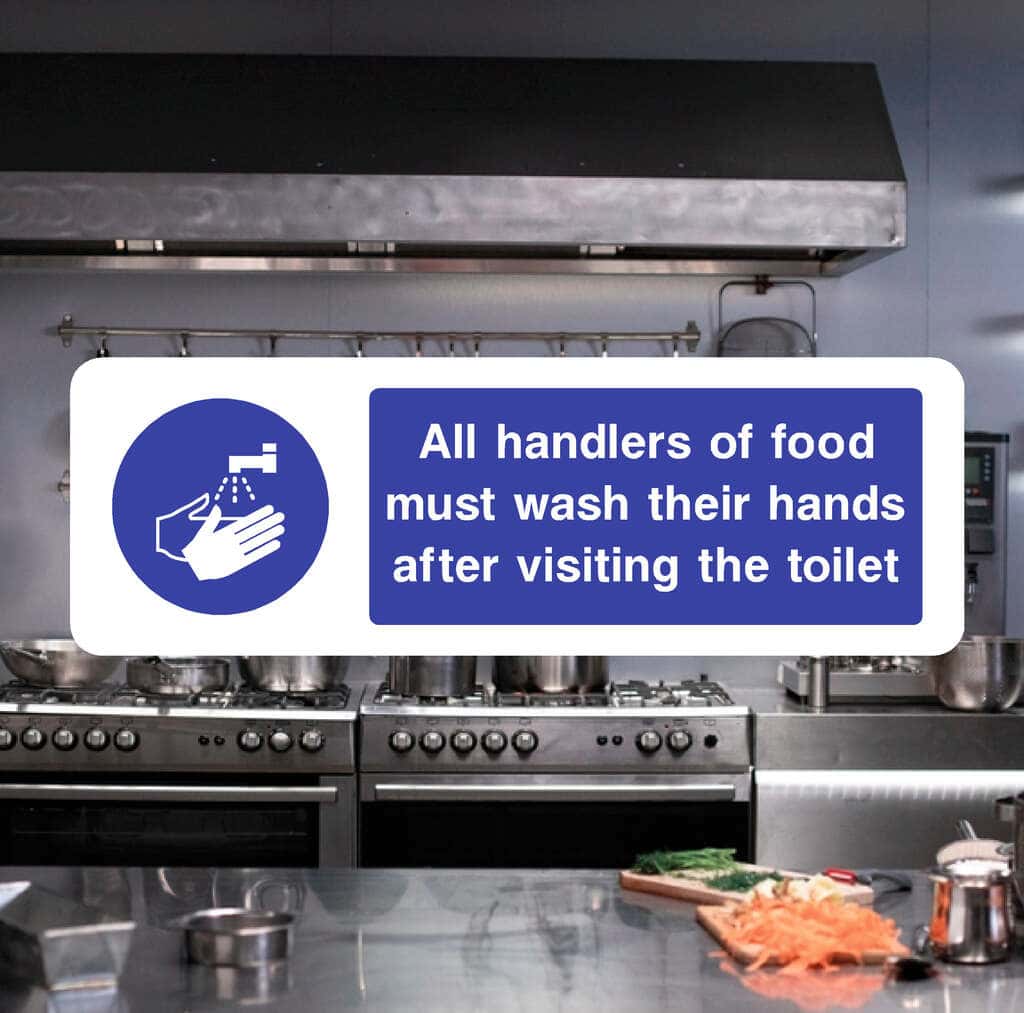
Wash Your Hands and Now Wash Your Hands signs can provide useful hygiene reminders in appropriate workplaces and washroom facilities.
They're particularly relevant where good hand hygiene forms part of established workplace or food-handling procedures.
Position hand washing notices where people will see them when the action needs to take place, rather than elsewhere in the building.
Office toilet signage should be simple, professional and consistent with the rest of the workplace.
Consider signs for:
Premium finishes can complement reception areas and modern office interiors, while simpler signs may be suitable for staff-only areas.
Customers shouldn't have to ask where the toilets are.
Restaurants, cafés, pubs and hotels can use clear toilet signage to guide customers from public areas to the appropriate facilities.
Consider the entire journey.
A well-designed door sign is useful once somebody reaches the toilet, but directional signage may also be needed if the facilities aren't visible from the main customer area.
Schools, colleges and other educational premises may need toilet signs for pupils, staff and visitors.
Clear pictograms combined with straightforward wording can make facilities easier to identify.
Signage should reflect the way facilities are actually designated and form part of the wider wayfinding system throughout the premises.
Healthcare and care environments may have several types of toilet and washroom facility.
Clear identification can be particularly important where visitors are unfamiliar with the building.
Consider consistency, readability, contrast and the needs of people using the premises when choosing signs and positioning.
The best material depends on the location, surface and appearance required.
Self-adhesive signs can provide a simple solution for clean, smooth surfaces and are useful where a lightweight sign is sufficient.
Rigid materials can provide a more substantial option for workplaces and commercial premises.
Brushed silver and stainless-style finishes can provide a premium appearance for:
They can be particularly effective where businesses want functional signage to complement the building's décor.
Consider how far away the sign needs to be recognised.
A door sign viewed from close range can usually be relatively compact.
Directional toilet signage intended to guide somebody along a corridor or across a larger public area may need to be considerably more prominent.
Consider:
The sign should be easy to identify without somebody having to approach the door closely to read it.
Position identification signs where they're easy to see as somebody approaches the facility.
Common locations include:
If the toilets aren't visible from the main area, use suitable directional signage to help people reach them.
Consistency is important.
Avoid placing one toilet sign high above a door, another at eye level and another around the corner unless the layout genuinely requires it.
Familiar symbols can make toilet facilities quicker to identify and reduce reliance on written language alone.
However, symbols should be clear and understandable.
Consider combining pictograms with concise wording where this makes the facility easier to identify.
Avoid overly decorative designs if they make the meaning difficult to understand.
A stylish sign isn't useful if nobody can see it.
Consider the contrast between:
Also think about lighting and reflections.
A highly reflective finish positioned opposite a bright light source may be harder to read than expected.
Consistency makes wayfinding easier.
If one floor uses Male/Female, another uses Ladies/Gents, and another uses symbols without wording, visitors have to interpret a different system each time.
Where possible, standardise:
For organisations operating several sites, an approved signage specification can make future ordering much easier.
Accessible facilities should be straightforward to locate and identify.
In England, building guidance covers access to and use of facilities, including sanitary accommodation. Requirements vary according to the type of building and work being undertaken.
A toilet sign by itself doesn't make a facility accessible or make a building compliant with accessibility requirements.
Accessibility can involve factors such as:
Use signage as one part of the wider accessibility arrangements for the premises.
Avoid assuming there's a universal legal requirement for every UK toilet door to display a particular commercial toilet sign.
Requirements can depend on the type of building, location, facilities, accessibility arrangements and applicable building or workplace provisions.
The practical objective is to make facilities clear and easy to identify while meeting the requirements applicable to your premises.
Building regulations and guidance also differ across the UK's nations, so businesses should check the requirements relevant to their location and project.
Before ordering, walk through the premises as though you're visiting for the first time.
Ask:
This simple review can identify gaps that aren't obvious to people who already know the building.
Safety Sheep supplies Made in Britain Toilet Signs & Washroom Signs for offices, shops, restaurants, hotels, schools, healthcare facilities and other workplaces and public premises.
Choose from male, female, ladies, gents, unisex, accessible, inclusive, baby changing and general toilet signs in a range of styles, sizes and materials.
Whether you're replacing one toilet door sign or updating signage throughout an entire premises, clear and consistent identification can make facilities easier for everyone to find.
Think Safety. Think Sheep.
Toilet signs can identify male, female, ladies, gents, unisex, accessible, inclusive, baby changing and general toilet facilities. Different styles, sizes and materials are available to suit different premises.
Toilet identification signs are usually positioned on or immediately beside the relevant door where they're easy to see as somebody approaches. Directional signs may also be useful where toilets aren't visible from main circulation areas.
The terms often overlap. Toilet signs usually identify the toilet facility itself, while washroom signage can also include identification, wayfinding and hygiene information used within or around washroom facilities.
Recognisable symbols can make facilities quicker to identify and reduce reliance on written language. Combining clear wording with familiar pictograms can be particularly useful in public-facing premises.
An accessible toilet sign identifies a toilet facility intended to be accessible to disabled people. These signs commonly incorporate the recognised wheelchair accessibility symbol.
Both terms are widely understood and people continue to search for both. When installing new signage, “Accessible Toilet” can often provide more contemporary and facility-focused wording.
There isn't one universal requirement for every UK toilet door to display the same commercial sign. Requirements depend on the premises, facilities, applicable regulations and building guidance. Signage should accurately identify facilities and support effective wayfinding.
Unisex toilet signs identify toilet facilities intended for use regardless of sex. Clear wording and recognisable symbols can help users identify these facilities quickly.


