



The Safety Sheep Blog


Construction Site Keep Out Sign v2
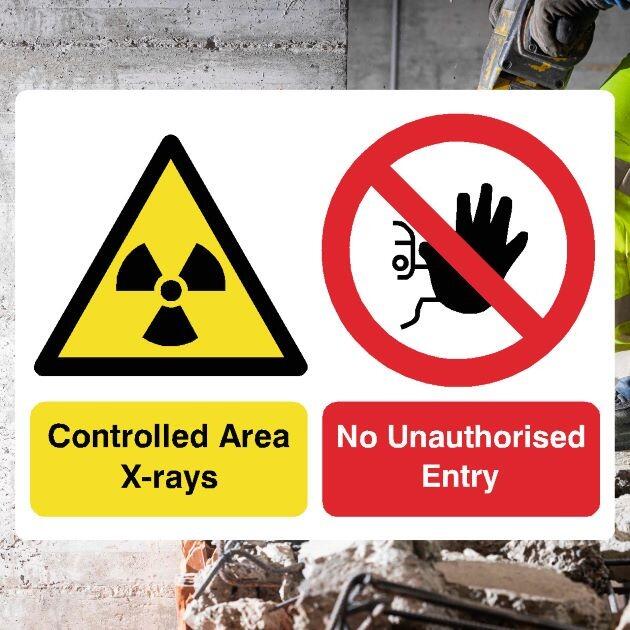
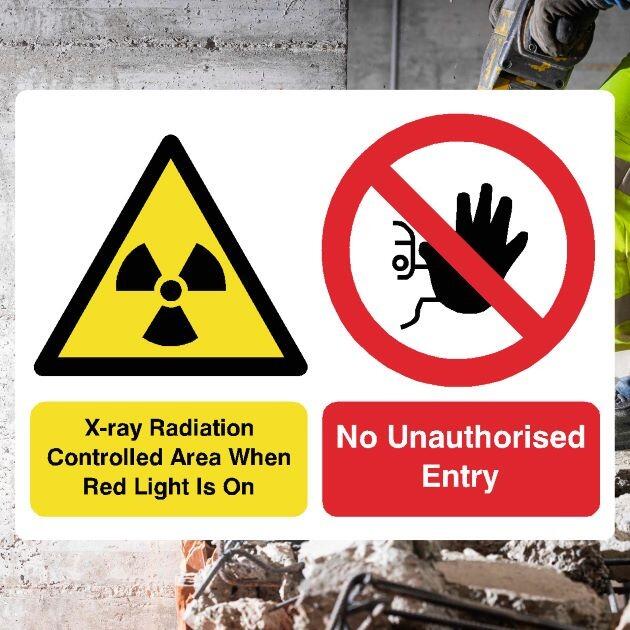
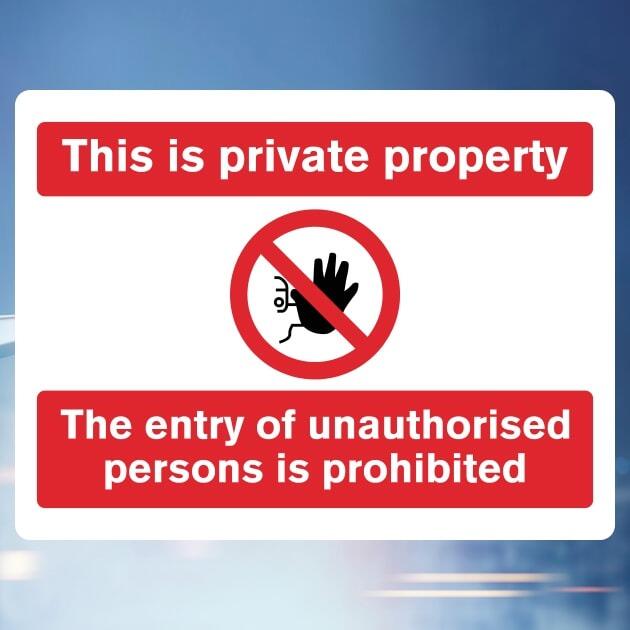
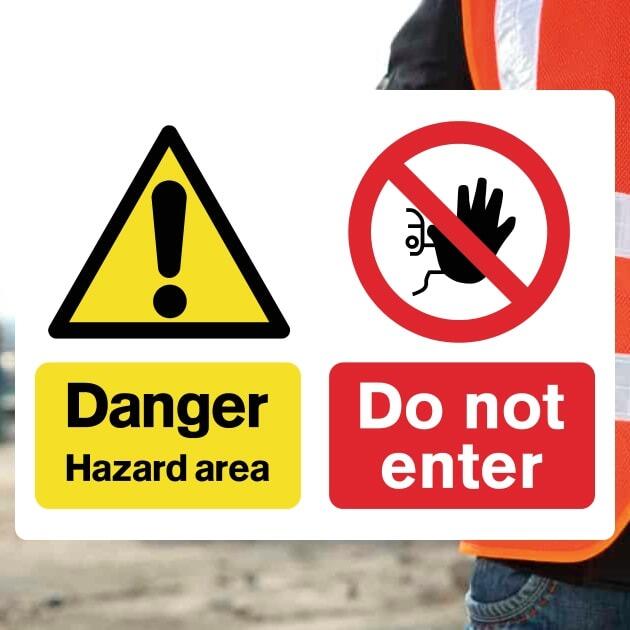
Hazardous Area Do Not Enter Sign v2
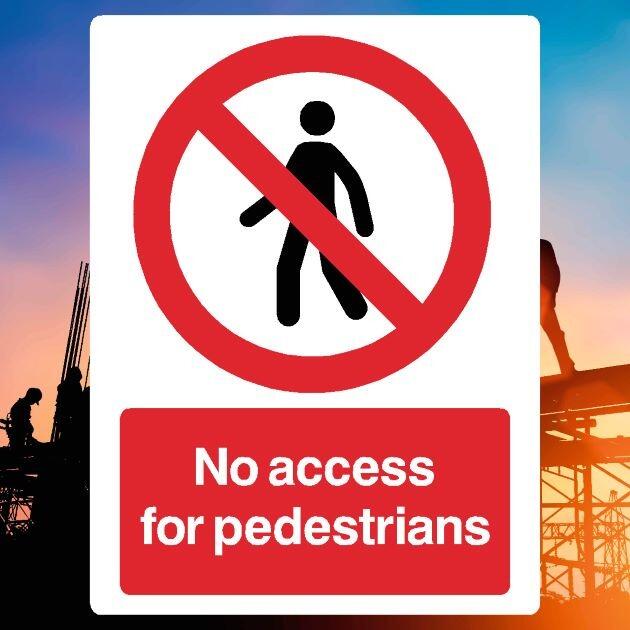
No Access For Pedestrians Sign

Confined Space No Entry Sign v2

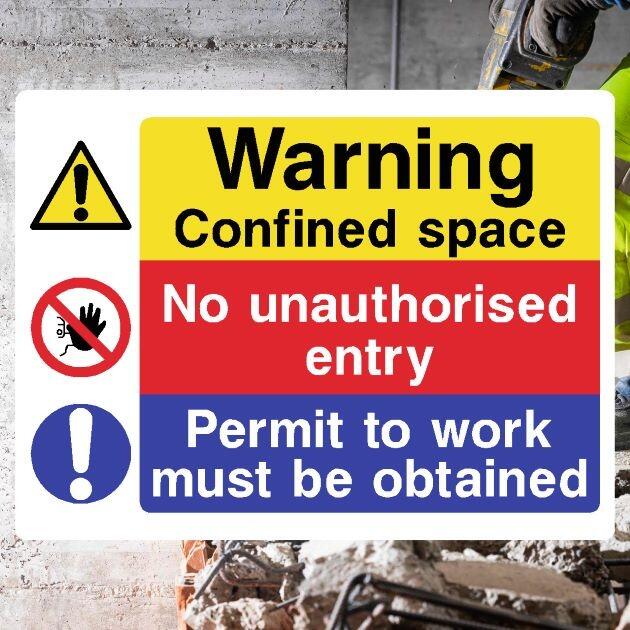
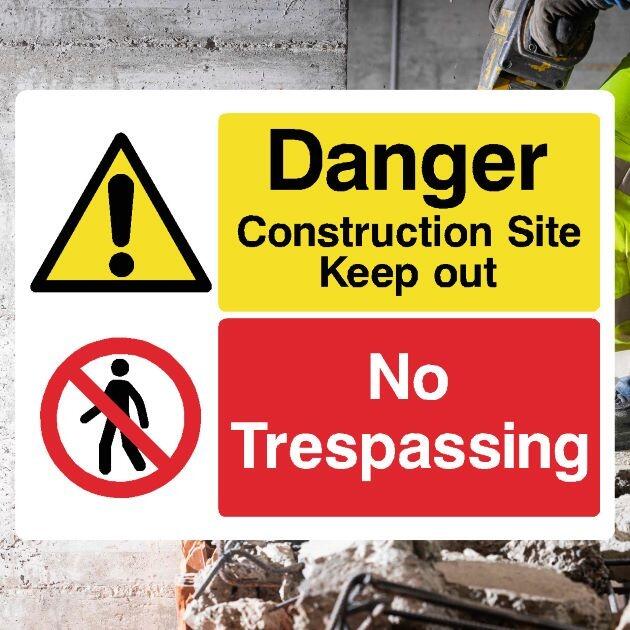
Construction Site Trespass Sign
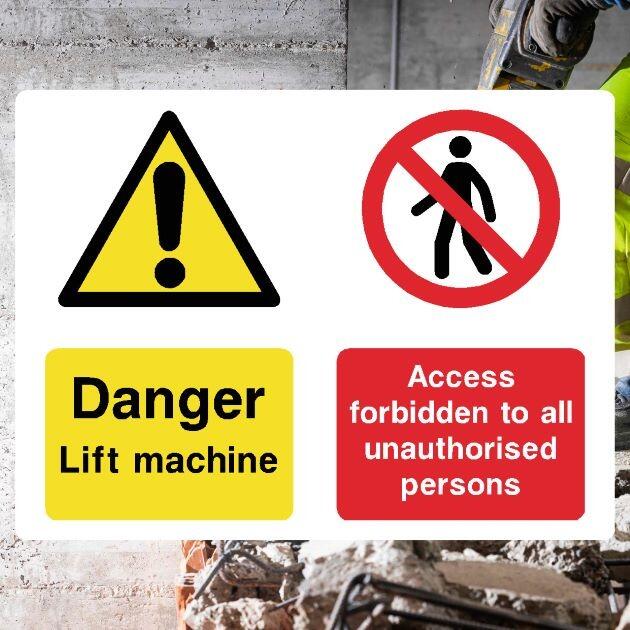
No Access For Pedestrians Sign v2
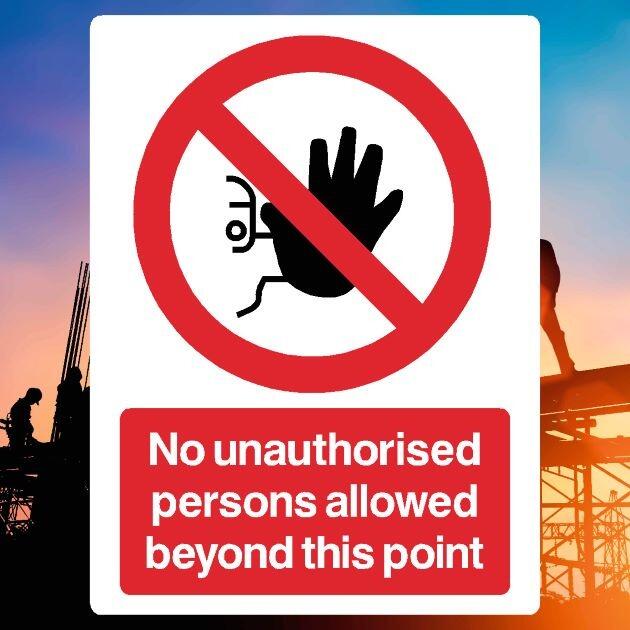
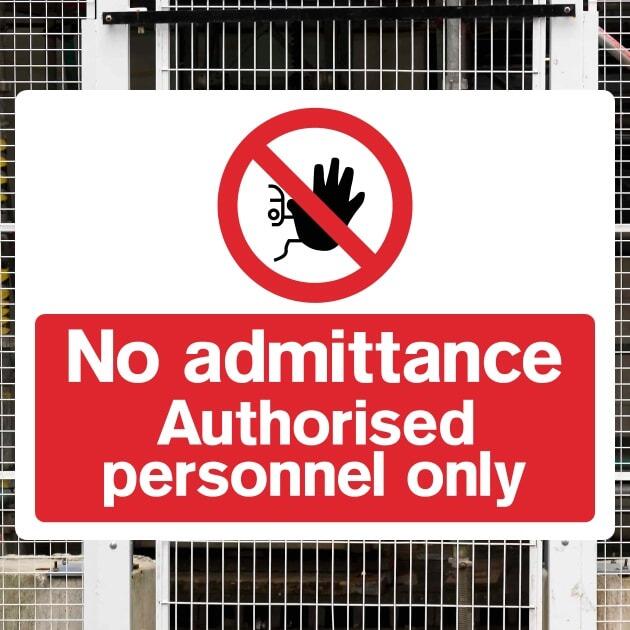
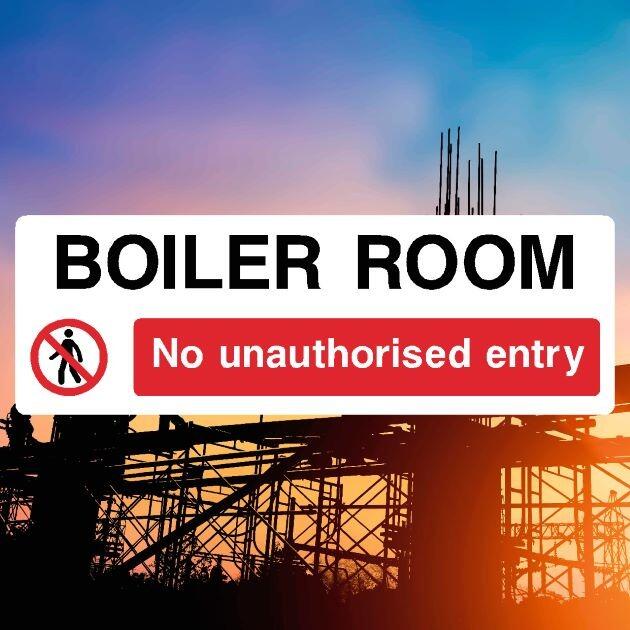

Compressor House No Entry Sign
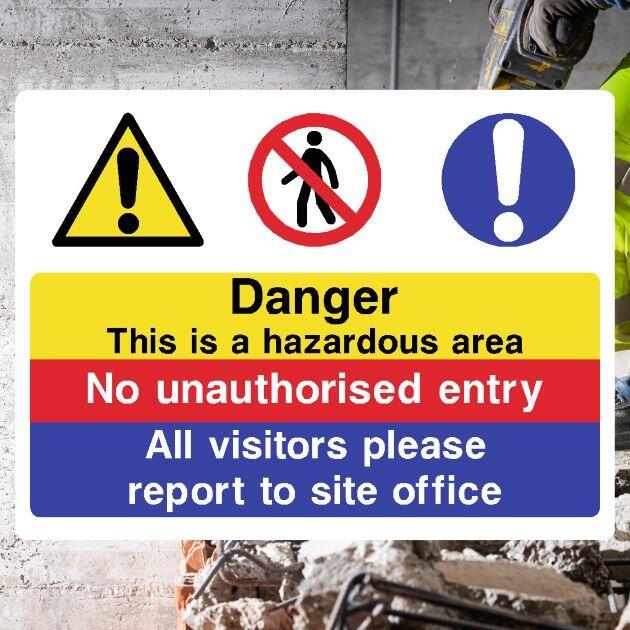
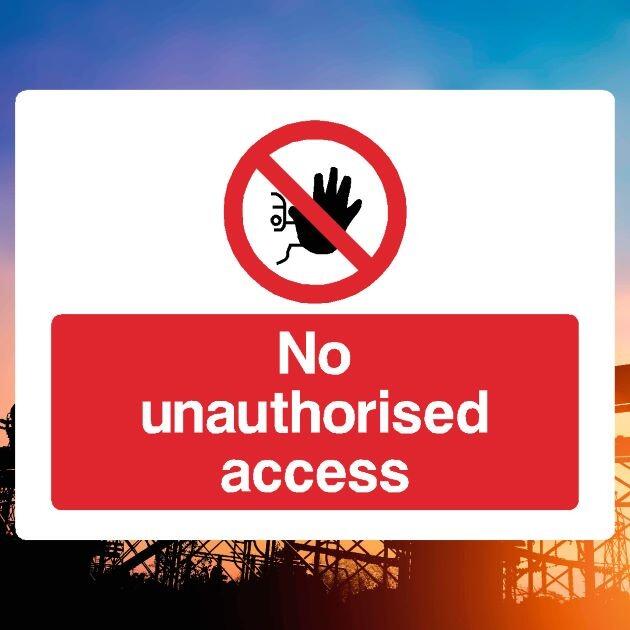
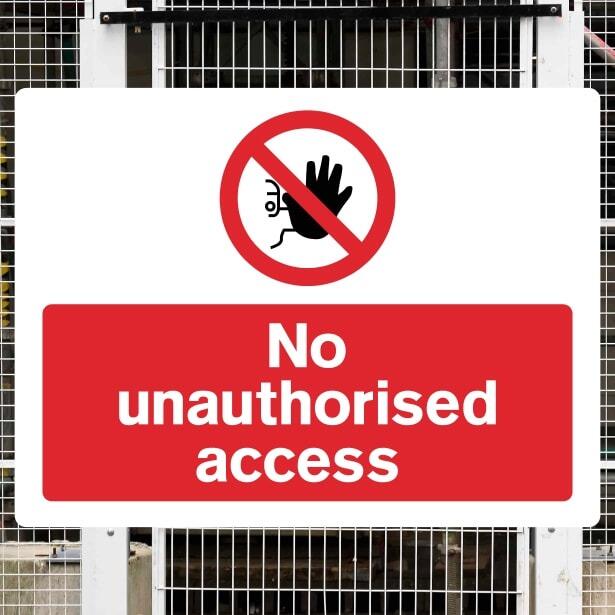
No Unauthorised Access Sign v2
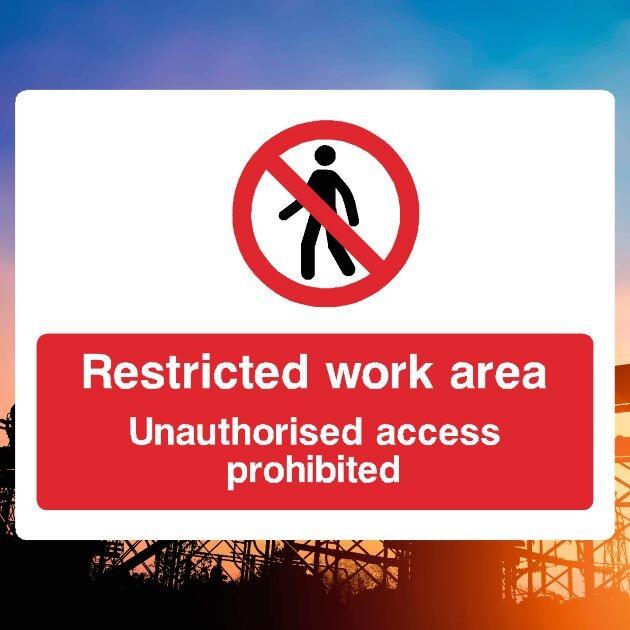
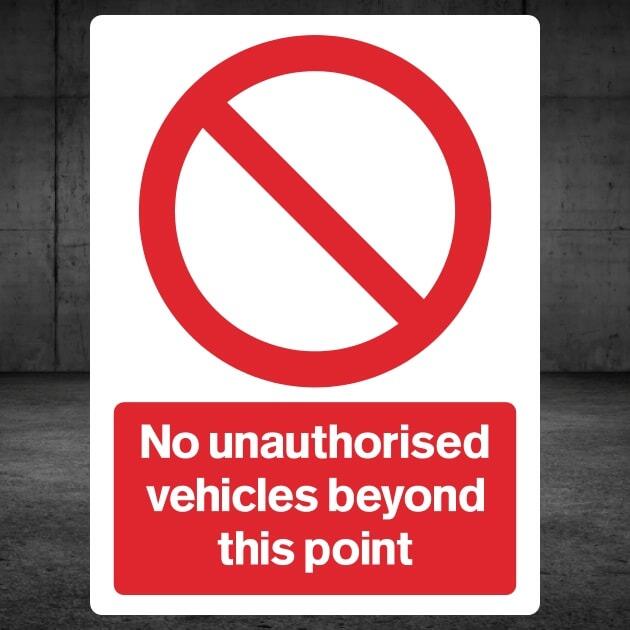
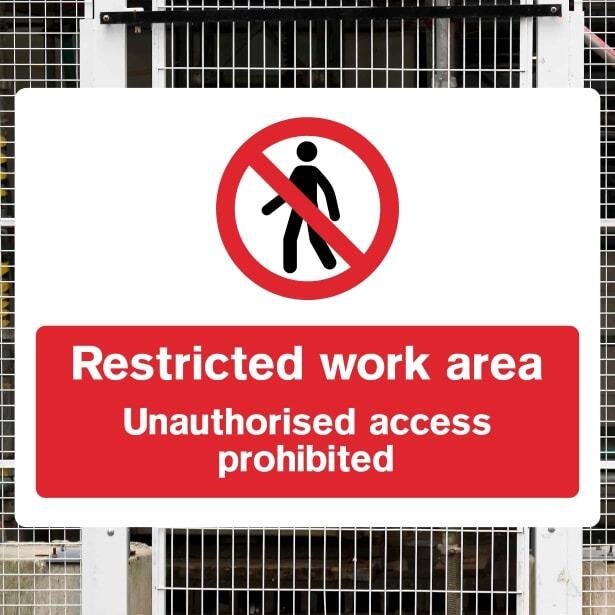
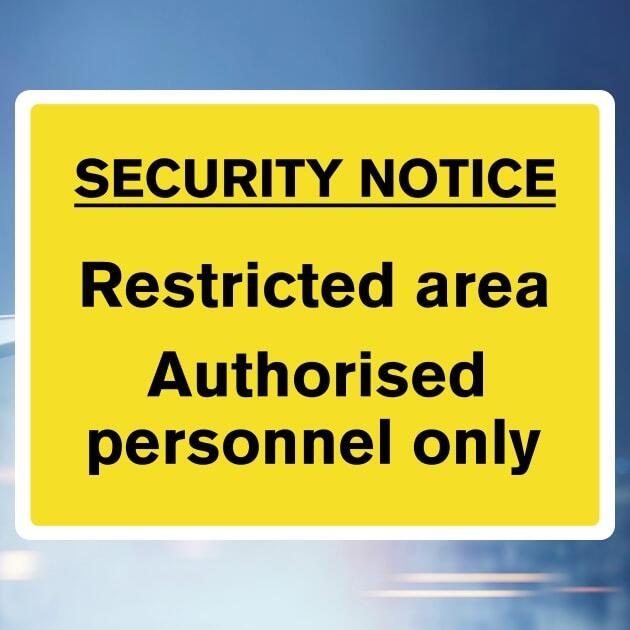
Restricted Area Sign – Authorised Only
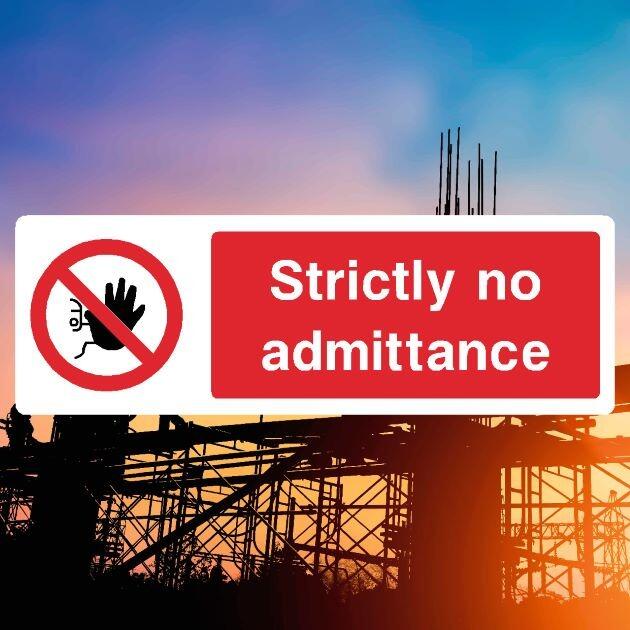
Strictly No Admittance Sign v2
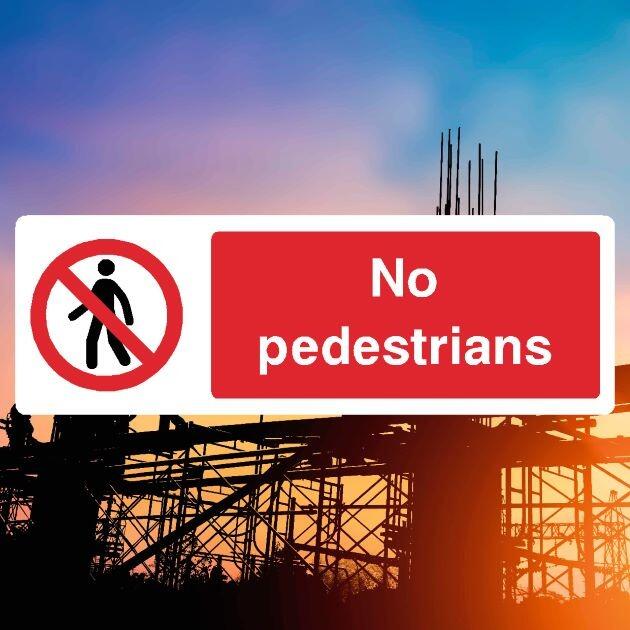
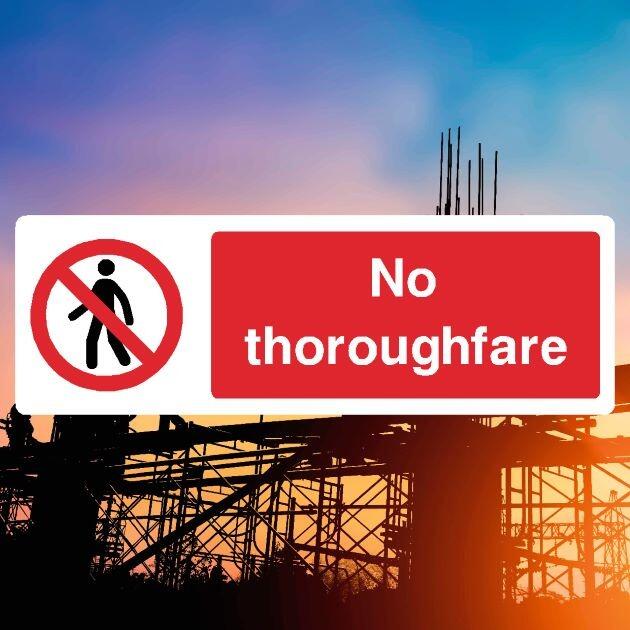
No Thoroughfare Sign Landscape
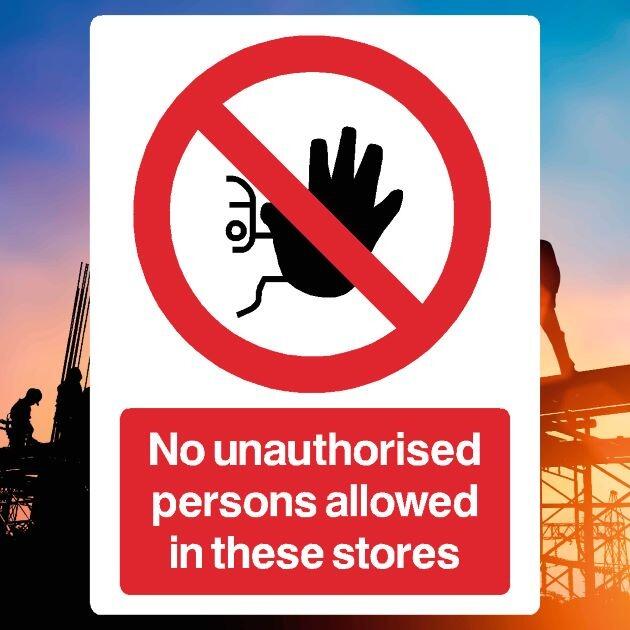
No Unauthorised In Stores Sign
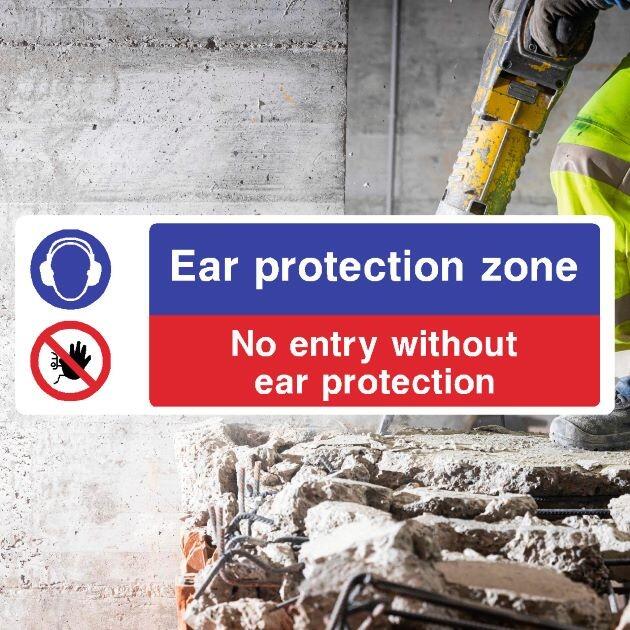
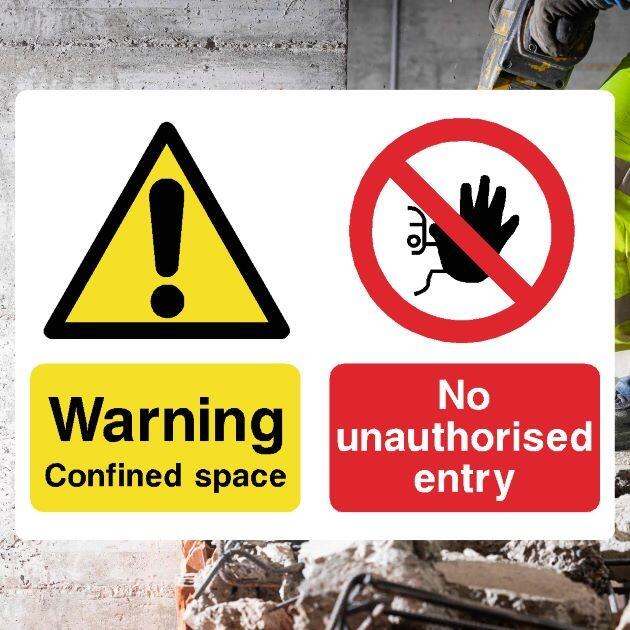

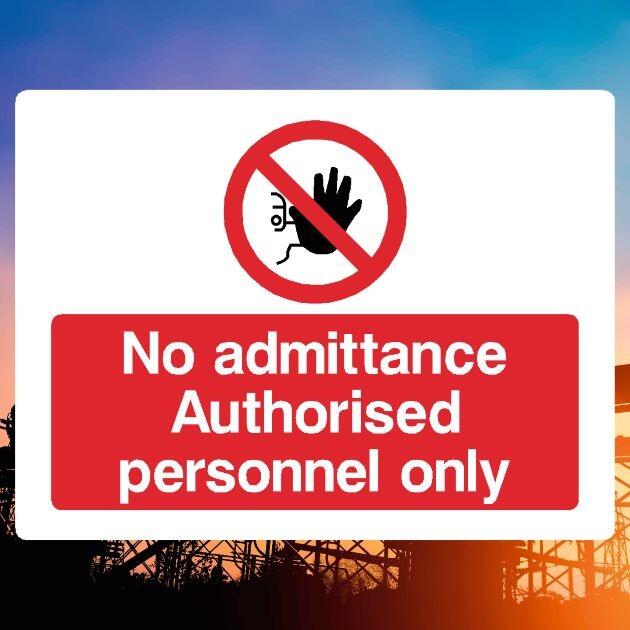
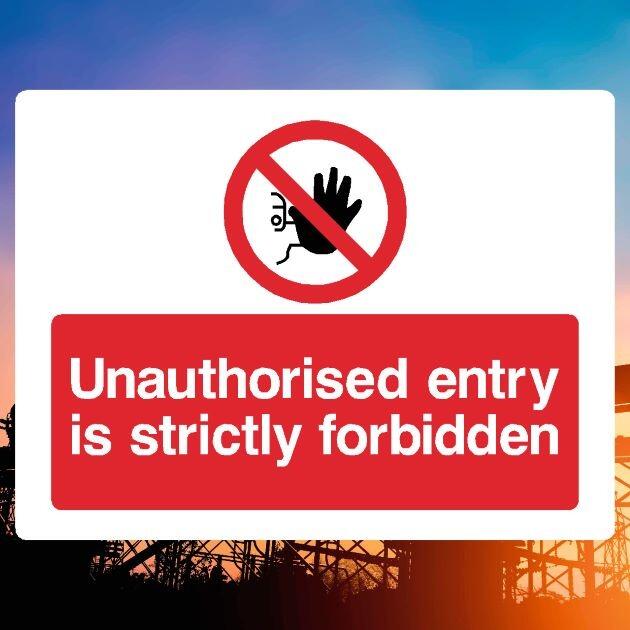
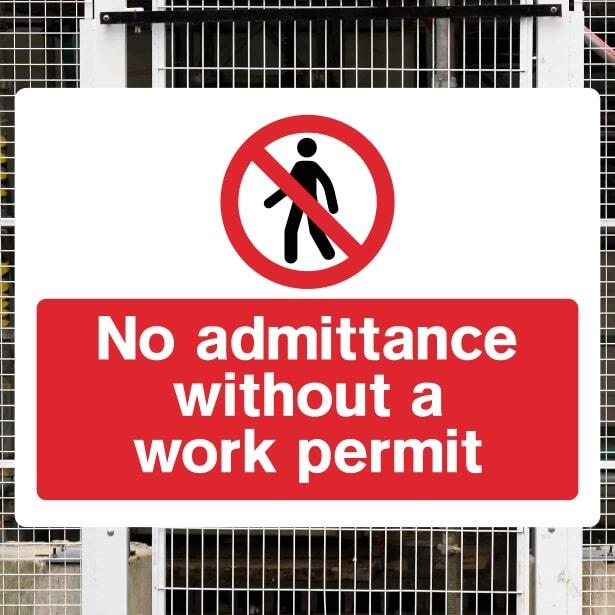
No Admittance Work Permit Sign
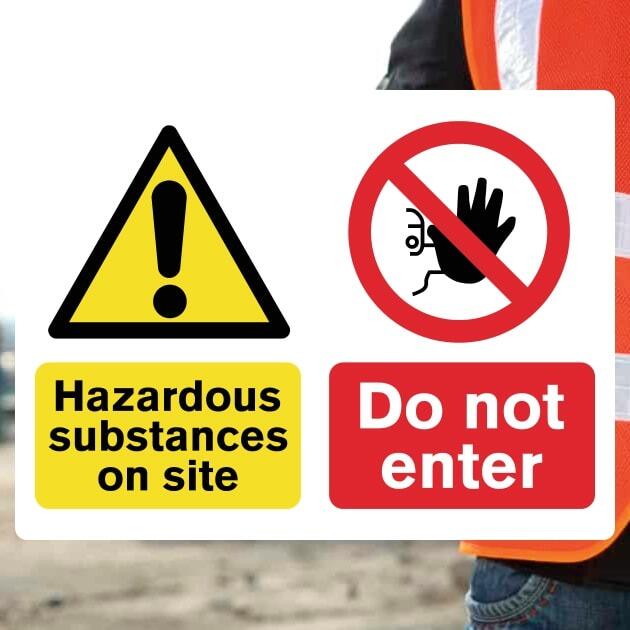
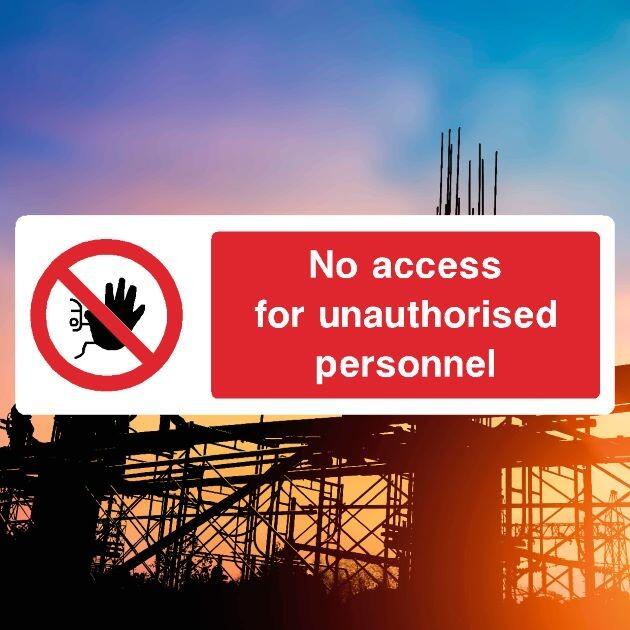
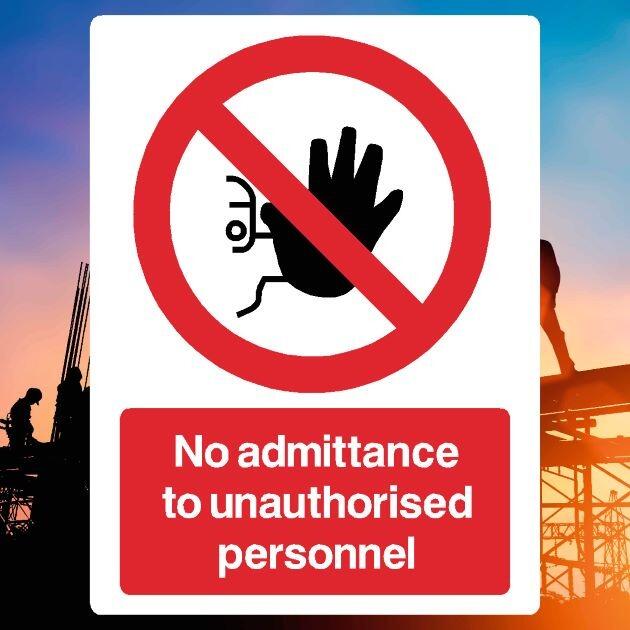
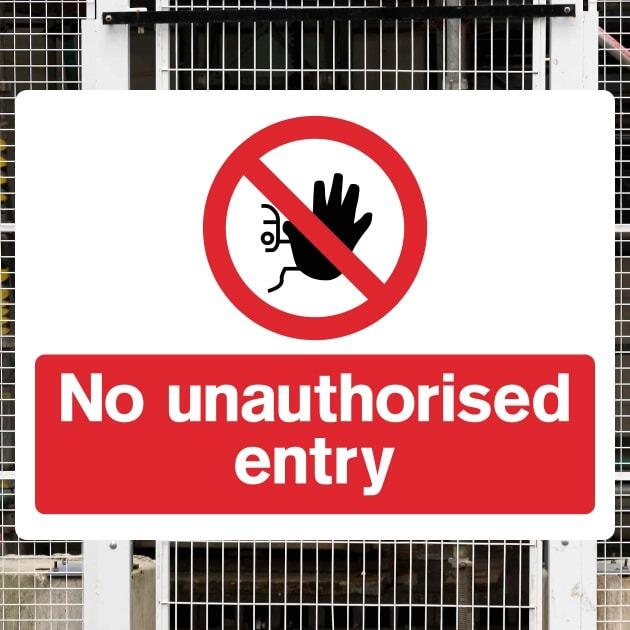
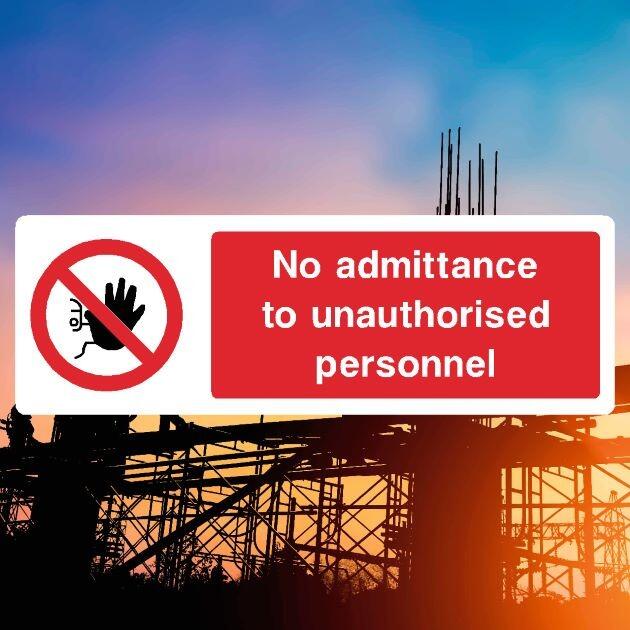
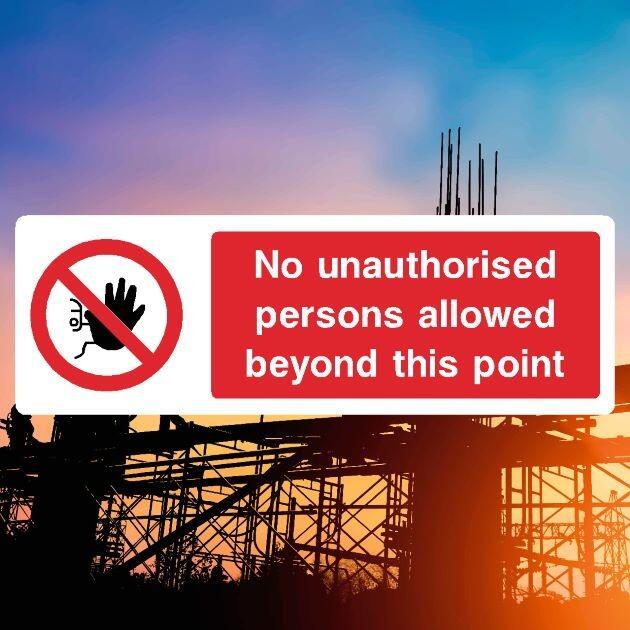
No Unauthorised Access Signs clearly identify areas that can only be entered by people with the appropriate permission.
Unlike a general No Entry message, these signs recognise that employees, contractors, maintenance teams or other approved personnel may need legitimate access while visitors and members of the public must remain outside.
They're suitable for construction sites, factories, warehouses, plant rooms, electrical areas, offices, schools, farms and other premises where access needs to be controlled.
No Unauthorised Access means that entry is restricted to people who have permission to enter.
Who counts as authorised will depend on the premises and the reason for the restriction.
This could include:
The sign communicates the boundary. The organisation operating the premises determines who is authorised to cross it.
These signs can be useful wherever an area isn't open for general access but still needs to be entered by approved people.
Typical locations include:
Position the sign where people can see the restriction before entering.
Construction sites need to control who enters working areas.
Visitors and members of the public may be unfamiliar with vehicle movements, excavations, machinery, work at height and other site hazards.
No Unauthorised Access signs can be used at gates, fencing, entrances and controlled work areas to reinforce site access arrangements.
The sign should support appropriate measures such as fencing, gates, visitor procedures, site induction and supervision rather than replace them.
Plant rooms can contain electrical equipment, heating systems, machinery, pressure systems and other equipment that shouldn't be accessed casually.
A No Unauthorised Access or Authorised Personnel Only sign can make the access restriction clear before somebody opens the door.
Where a particular hazard exists inside the room, additional hazard or mandatory signage may also be appropriate.
Warehouses and industrial sites can contain operational areas that visitors, delivery drivers and untrained employees shouldn't enter.
Examples include:
Restricted-access signs can help separate these areas from offices, reception areas and other locations used by visitors.
The distinction is important.
No Entry generally communicates that the viewer shouldn't enter the area or use the route.
No Unauthorised Access means that entry is controlled but permitted to people who have appropriate authorisation.
If employees or approved contractors routinely enter an area, No Unauthorised Access may therefore communicate the rule more accurately than a blanket No Entry message.
Keep Out provides a strong instruction to remain outside a site or area.
No Unauthorised Access specifically communicates that access is controlled and some people are permitted to enter.
Keep Out can be particularly useful around hazardous work areas or site boundaries, while No Unauthorised Access can work well at controlled entrances used by authorised personnel.
The correct choice depends on the access arrangements.
These messages communicate closely related restrictions from opposite directions.
No Unauthorised Access tells people who don't have permission that they must not enter.
Authorised Personnel Only tells the viewer that only approved people may enter.
Either can be appropriate depending on the environment and the message you want to emphasise.
Consistency is useful, particularly where a workplace has several similar restricted areas.
Staff Only can work well in offices, shops, hospitality businesses, schools and other public-facing premises where the distinction is simply between staff and visitors.
No Unauthorised Access can be more appropriate where access isn't limited exclusively to employees.
For example, a plant room may be entered by an authorised engineer or contractor who isn't a member of staff.
In that situation, No Unauthorised Access or Authorised Personnel Only can communicate the restriction more accurately.
Restricting access doesn't necessarily explain why an area is dangerous.
Where a specific hazard exists, additional signage may be needed to communicate it.
Depending on the location, that could include warnings relating to:
The access-control sign tells people who may enter. Hazard signage can tell authorised people what risk they need to understand.
There isn't a universal requirement for every UK workplace to display a No Unauthorised Access Sign.
The need for safety signage depends on the risks present, the people who could be affected and the measures used to control those risks.
Where a significant residual risk remains after other appropriate measures have been taken, safety signage can be used to communicate restrictions and instructions.
The appropriate approach should be based on the actual workplace and relevant risk assessment rather than assuming that every restricted area requires identical signage.
A No Unauthorised Access Sign communicates a restriction but doesn't physically prevent entry.
Depending on the level of risk, appropriate access-control measures could also include:
The greater the potential consequence of unauthorised entry, the less appropriate it is to rely on signage alone.
BS EN ISO 7010 provides standardised graphical symbols for safety signs.
Recognised safety symbols can help communicate instructions consistently across workplaces, particularly where employees, contractors and visitors may have different first languages.
However, ISO 7010 is a standard rather than UK legislation itself.
The need for a particular access restriction sign should be determined by the risk and access arrangements rather than simply by the existence of a standard symbol.
Position the sign where somebody makes the decision whether to enter.
Typical locations include:
People should see the restriction before crossing into the controlled area.
If there are several practical entrances, consider whether each requires appropriate signage.
Sign size should reflect the viewing distance and environment.
A small sign may be suitable for an internal cupboard or office door viewed at close range.
A warehouse entrance, construction gate or industrial access point may require a larger sign that can be understood from further away.
Consider:
The restriction needs to be clear before somebody reaches the controlled area.
Select a sign material according to where it will be installed and the conditions it will encounter.
Indoor doors and walls may only require a lightweight or self-adhesive solution.
Construction sites, warehouses, farms and outdoor entrances may benefit from more durable rigid materials capable of handling weather and regular exposure.
Also consider how the sign will be fixed and whether it will need to be moved as access arrangements change.
Check No Unauthorised Access Signs periodically to make sure they're:
Workplace layouts and access arrangements change.
A sign left on a door after the restriction has been removed can be just as confusing as a missing sign.
More signs don't necessarily create clearer access control.
Use wording that accurately describes the restriction at each location.
For example:
No Entry – where entry itself is prohibited.
Keep Out – where people need to remain outside a site or area.
No Unauthorised Access – where authorised people may enter.
Staff Only – where access is restricted specifically to employees.
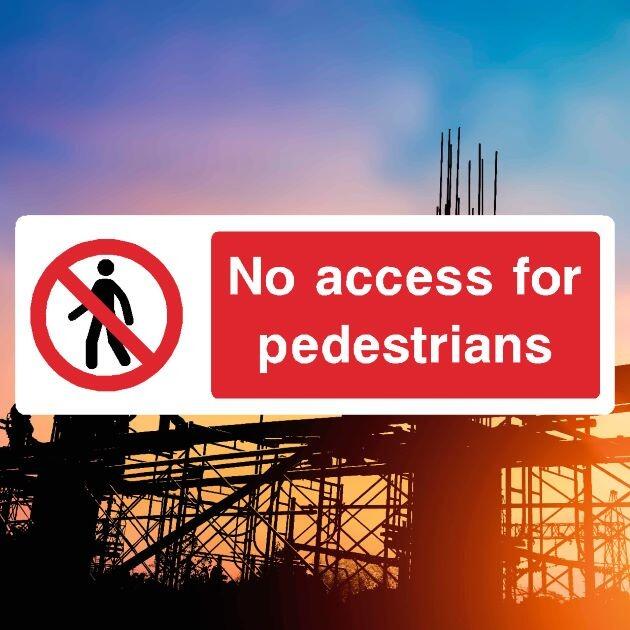
No Pedestrians – where pedestrians are prohibited but other traffic may be permitted.
No Vehicles – where the restriction applies specifically to vehicles.
The more accurately the message matches the rule, the easier it is for people to understand what they're expected to do.
Before ordering, consider:
Answering these questions can help you choose signage that accurately reflects how access is managed at your premises.
Safety Sheep No Unauthorised Access Signs are Made in Britain for UK businesses, contractors and organisations.
Choose from No Unauthorised Access, No Unauthorised Entry, Authorised Personnel Only and related signs for workplaces, construction sites, warehouses and controlled areas.
For other access restrictions, explore our complete No Entry Signs range, including Keep Out, No Access, No Pedestrian and No Vehicle signs.
Think Safety. Think Sheep.
No Unauthorised Access means that entry is restricted to people who have appropriate permission. This could include approved employees, contractors, maintenance personnel or other authorised people.
They're commonly used at construction sites, plant rooms, electrical areas, warehouses, factories, workshops, maintenance areas, chemical stores, staff areas and other controlled locations.
No Entry generally tells the viewer not to enter. No Unauthorised Access indicates that entry is permitted to people who have appropriate authorisation but restricted to everyone else.
They communicate a similar access restriction. No Unauthorised Access focuses on who must not enter, while Authorised Personnel Only focuses on who is permitted to enter.
Staff Only is suitable where entry is restricted specifically to employees. No Unauthorised Access may be more appropriate where approved contractors, engineers or other authorised non-employees also need access.
There isn't a universal requirement for every UK workplace to display one. Appropriate safety signage should be determined according to the risks, access arrangements and relevant workplace requirements.
They are commonly used where access to a construction site or particular work area needs to be restricted. The signage required depends on the site's layout, hazards and access-control arrangements.
Position the sign where people can see the restriction before entering, such as on a door, gate, barrier, site entrance or perimeter fence.
The sign communicates that access is restricted but doesn't physically prevent entry. Where necessary, use signage alongside appropriate fencing, locked gates, security or other access controls.


