



The Safety Sheep Blog



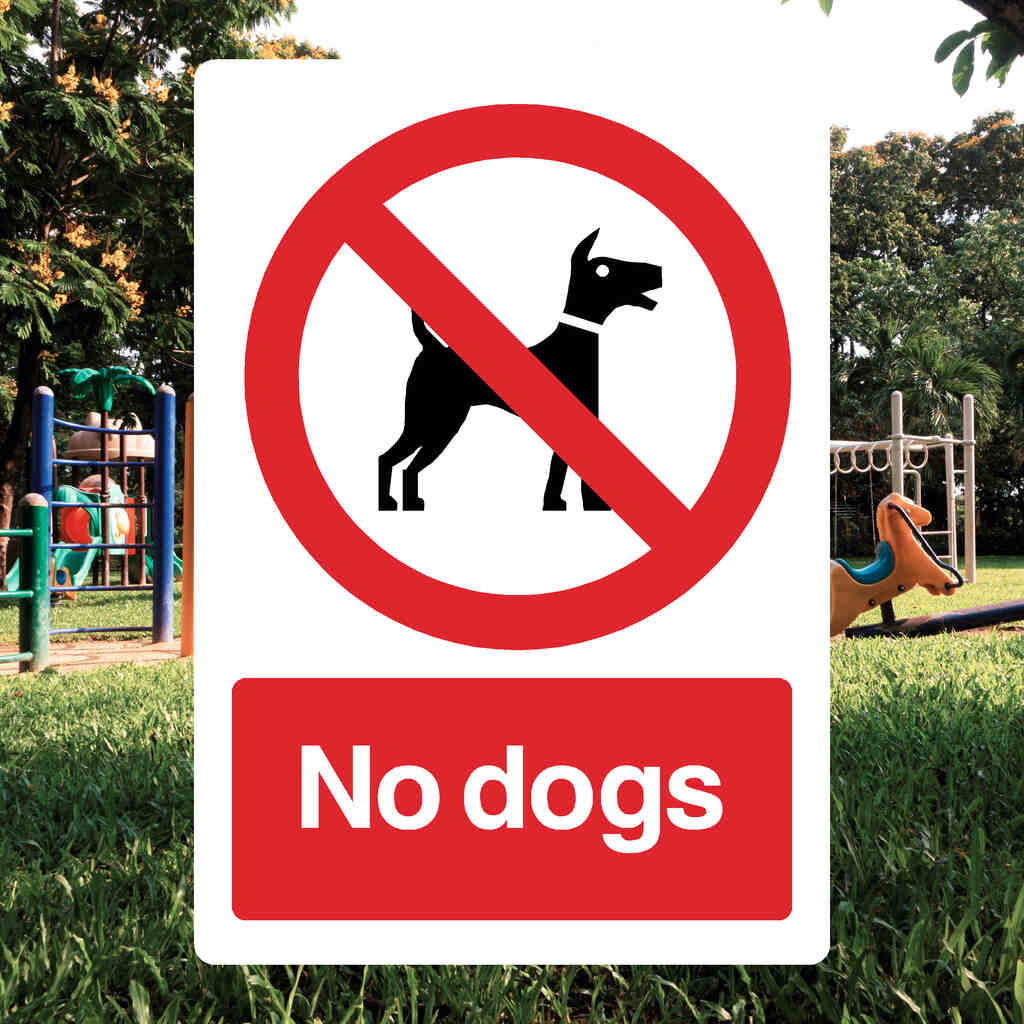
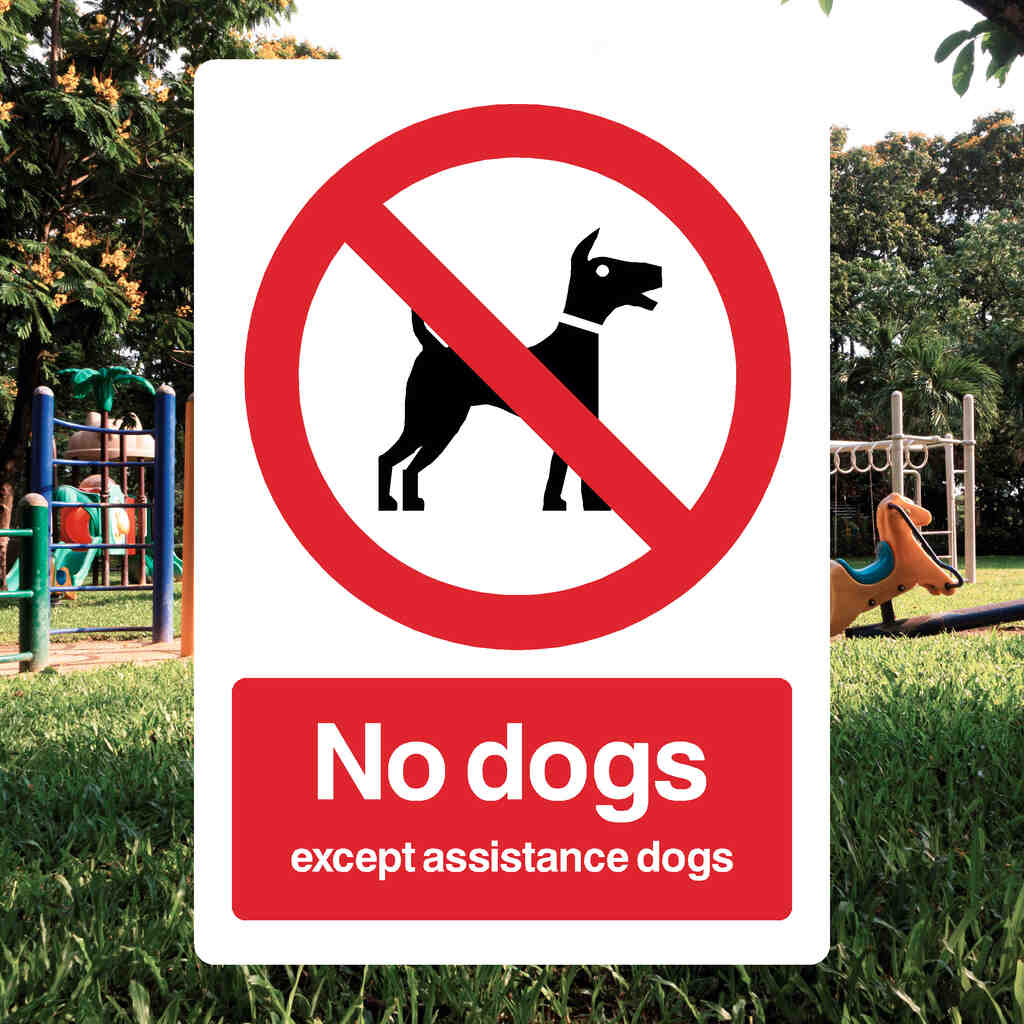
No Dogs Except Assistance Sign
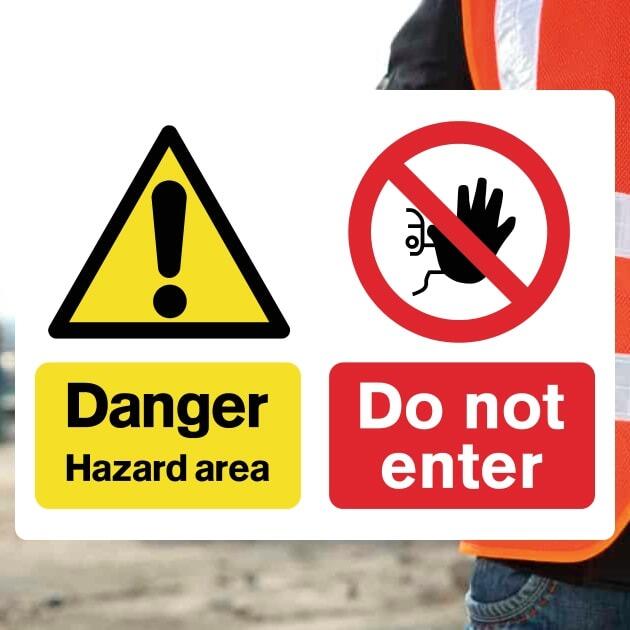
Hazardous Area Do Not Enter Sign v2

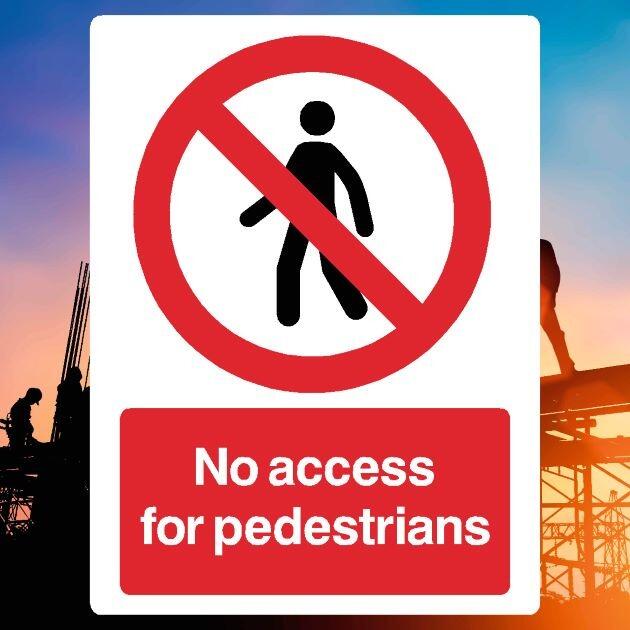
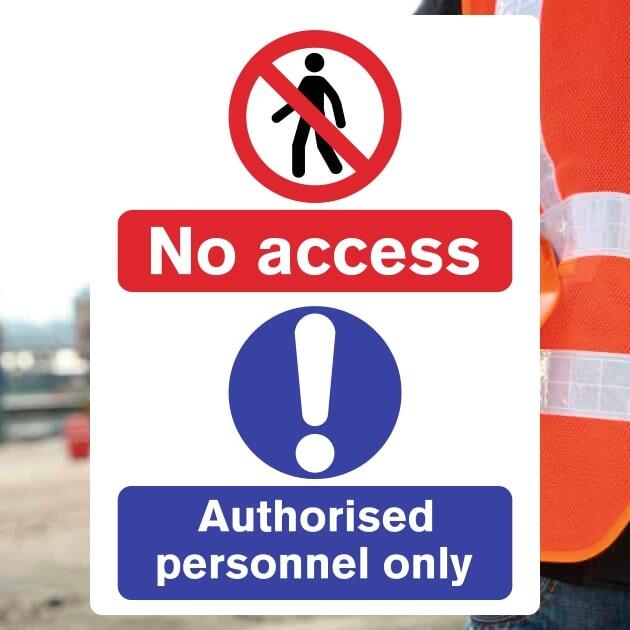
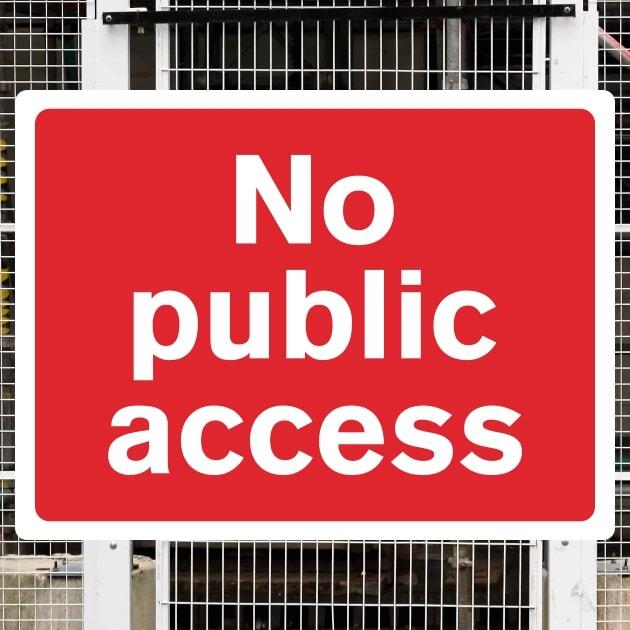
No Access For Pedestrians Sign



Do Not Climb On Racking Sign v2
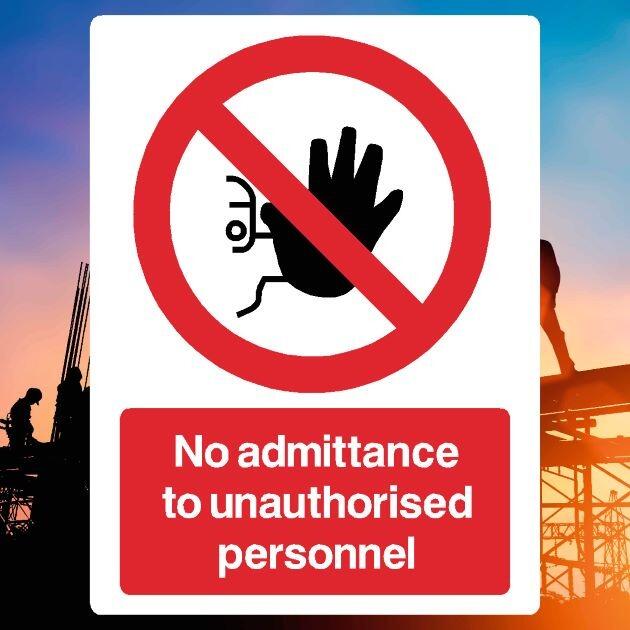
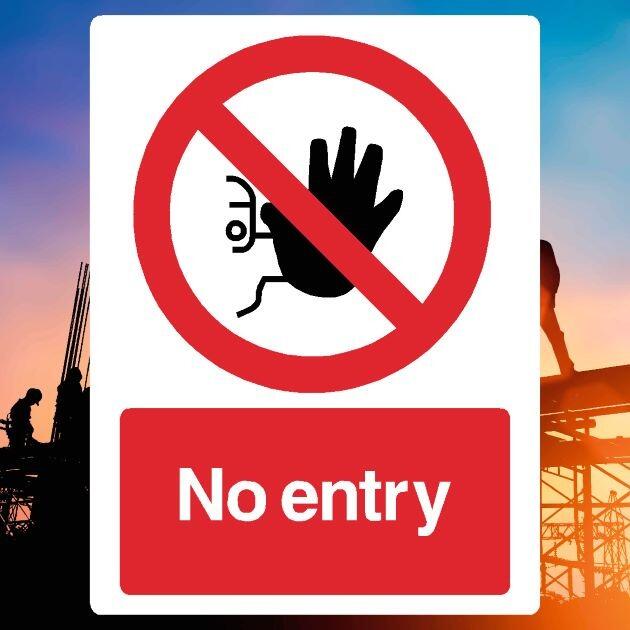
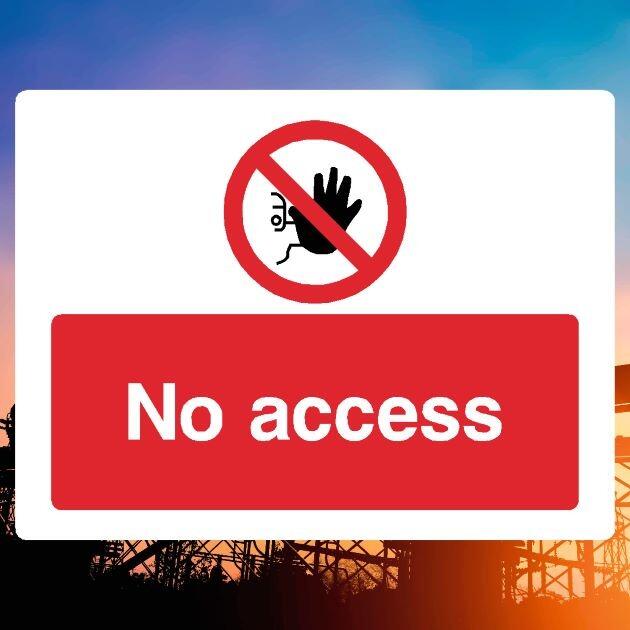
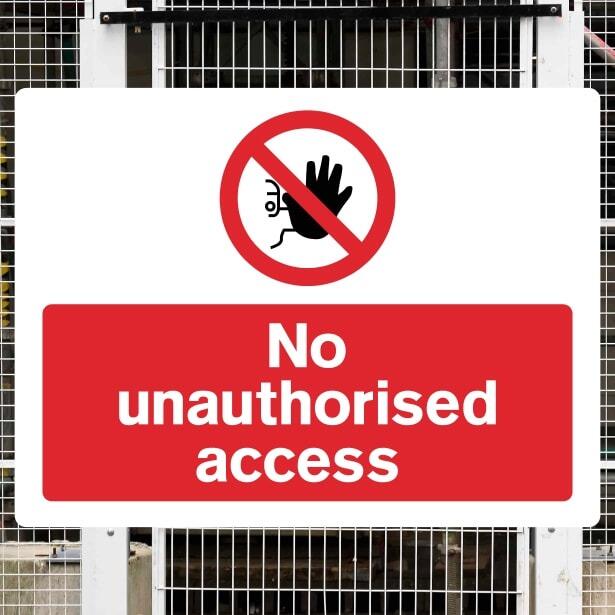
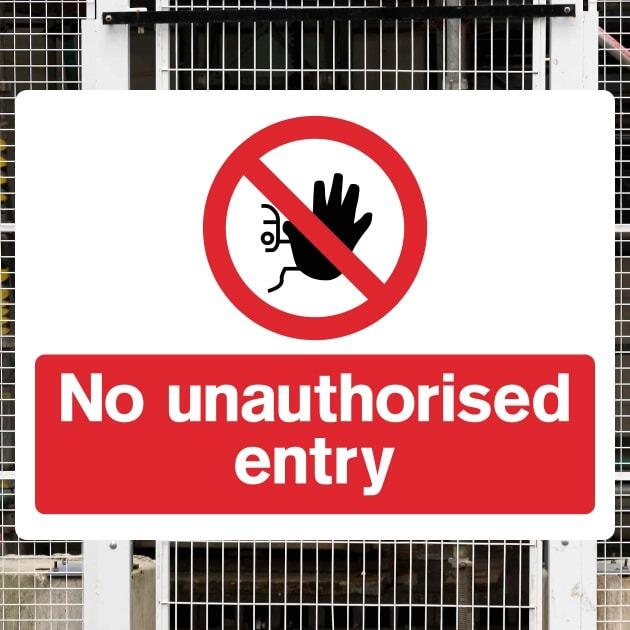
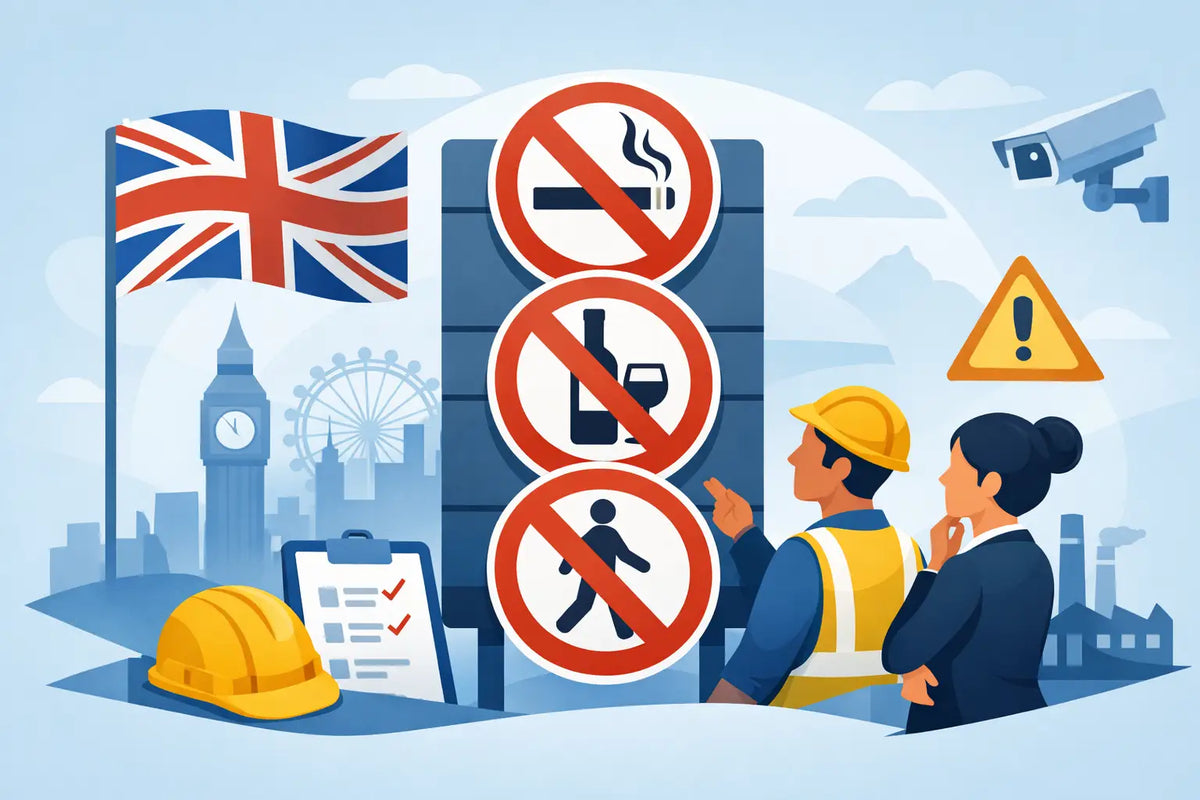
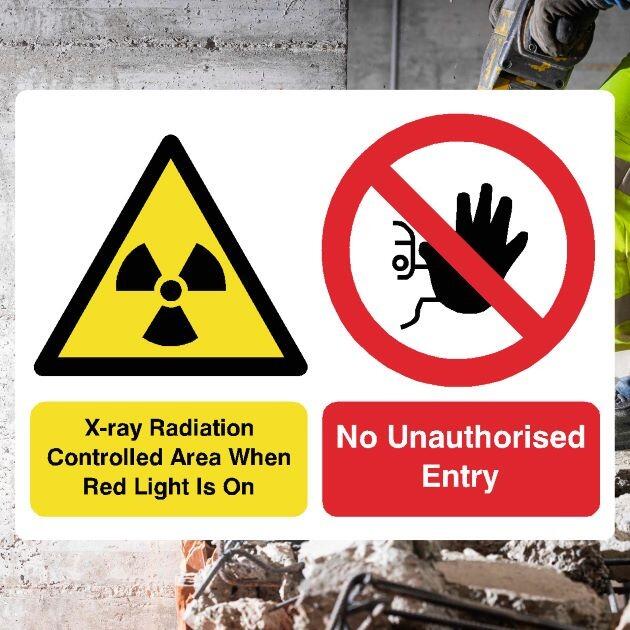
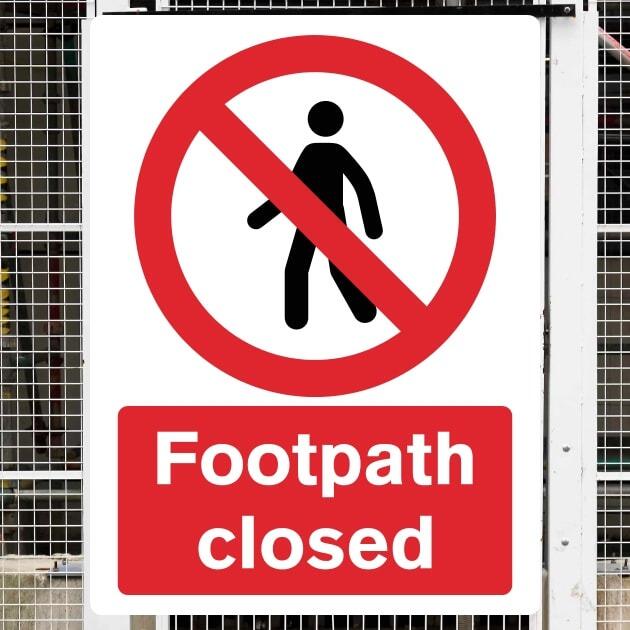
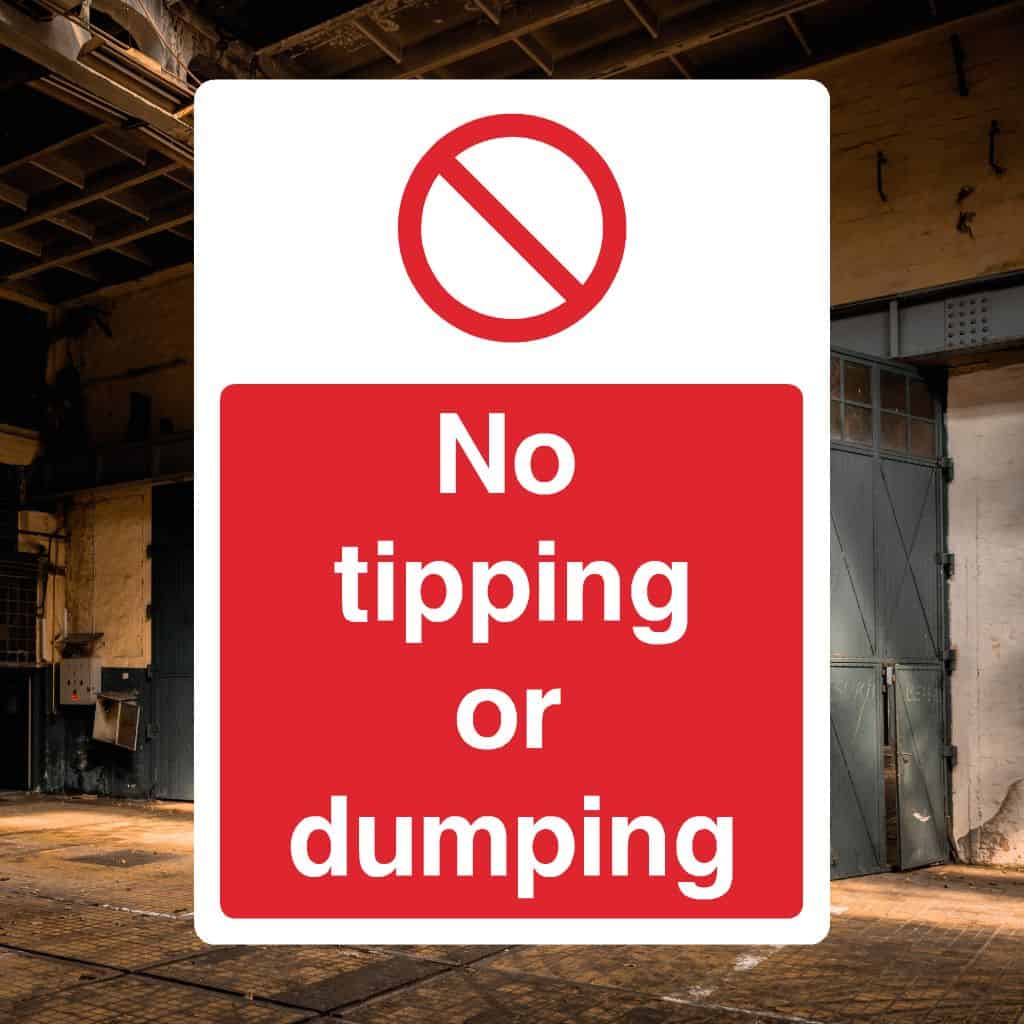
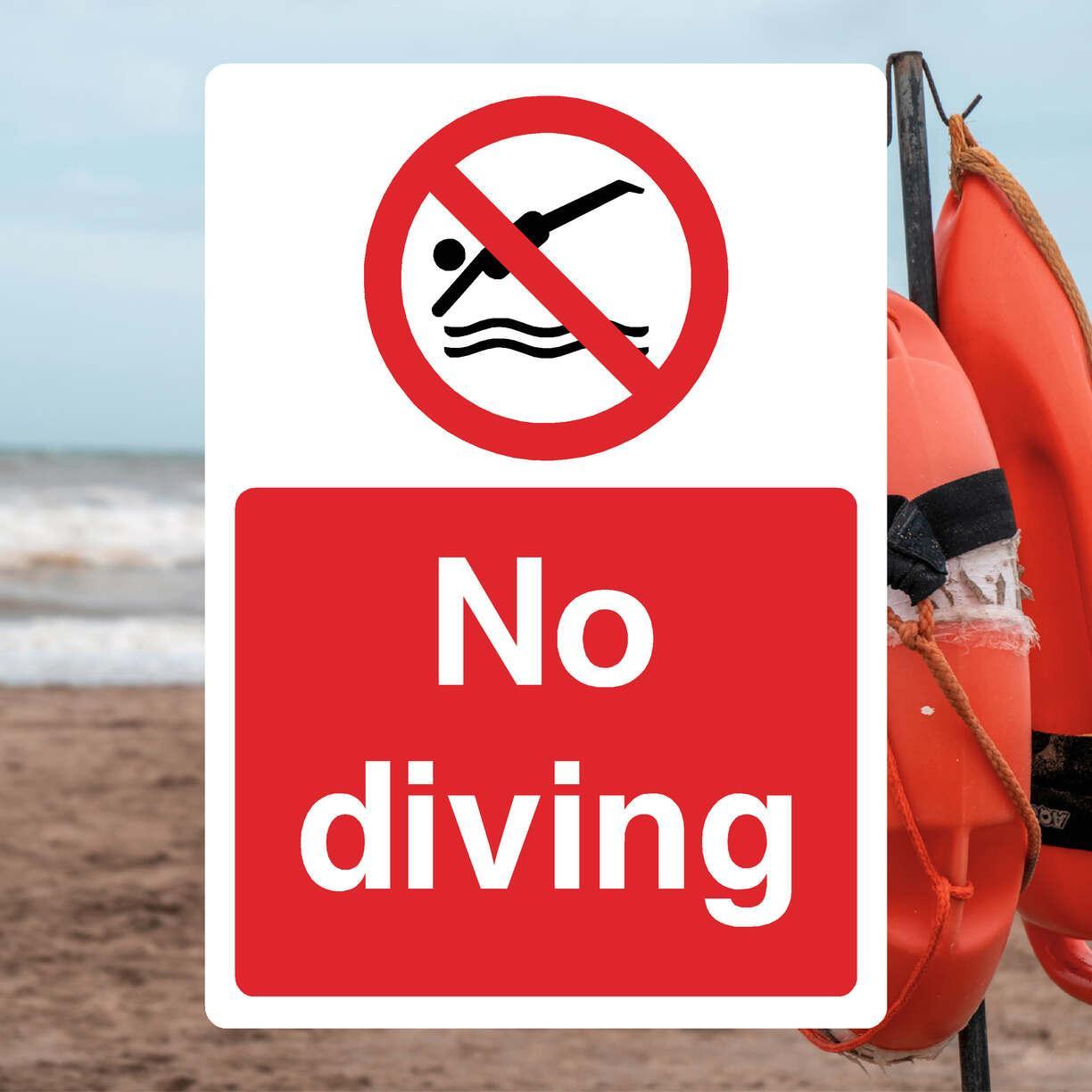
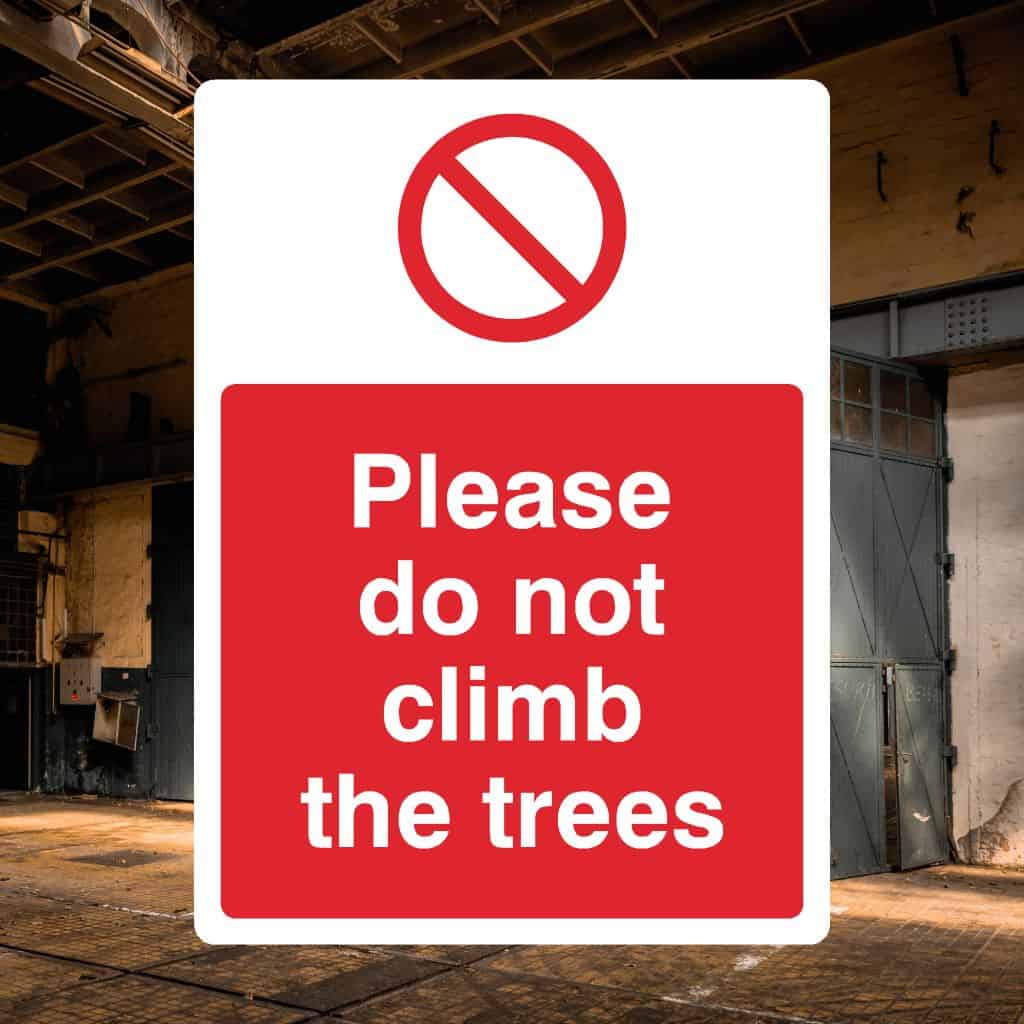
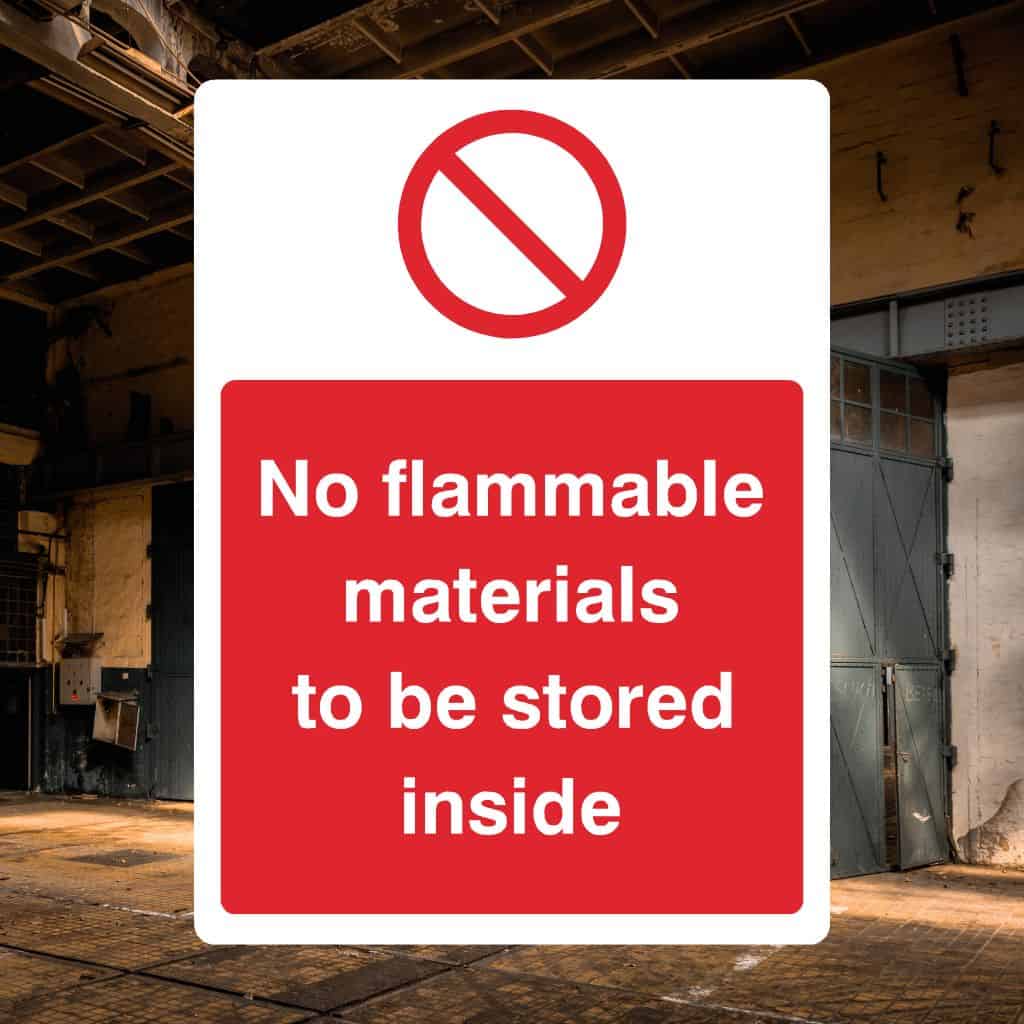
Prohibition Signs communicate actions or behaviours that are not permitted because they could create danger or increase an existing risk.
From construction sites and factories to warehouses, workshops, schools and commercial premises, clear prohibition signage helps employees, contractors and visitors understand important restrictions before carrying out an unsafe action.
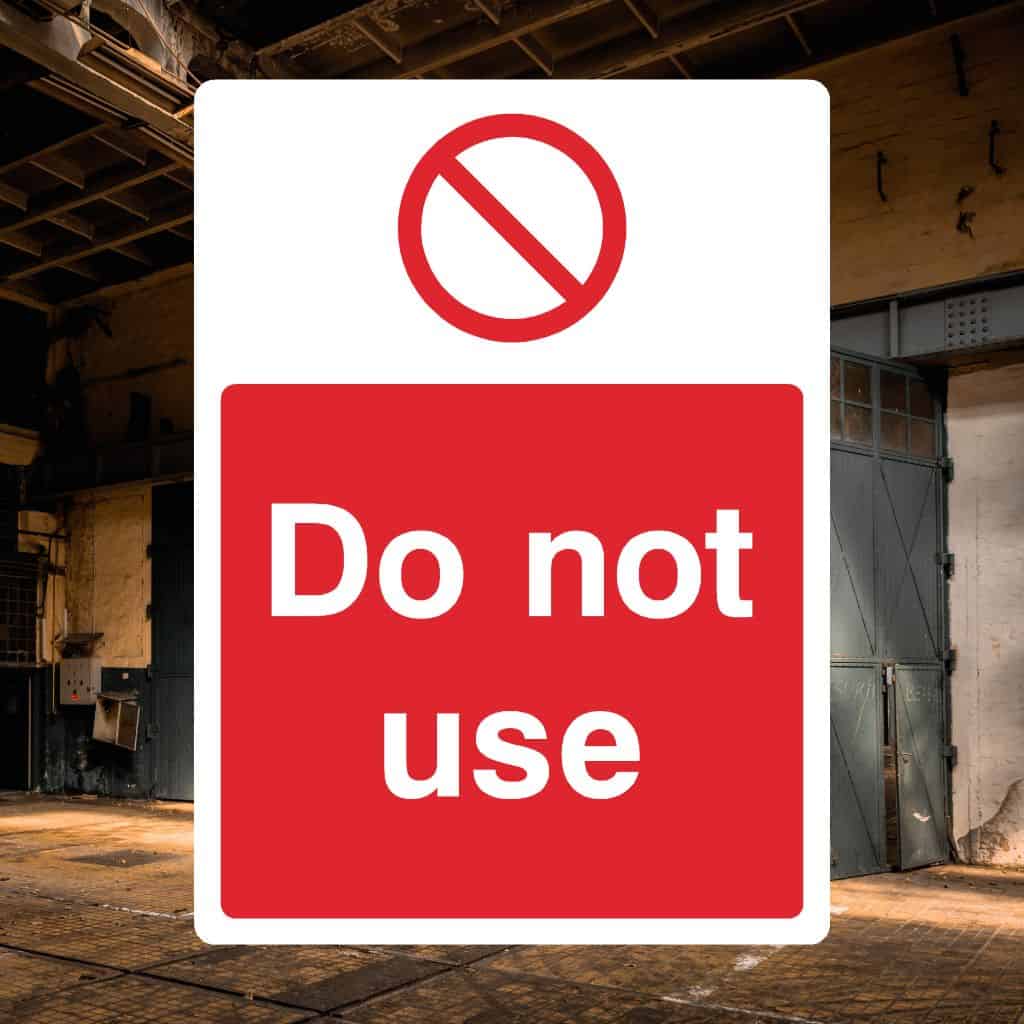
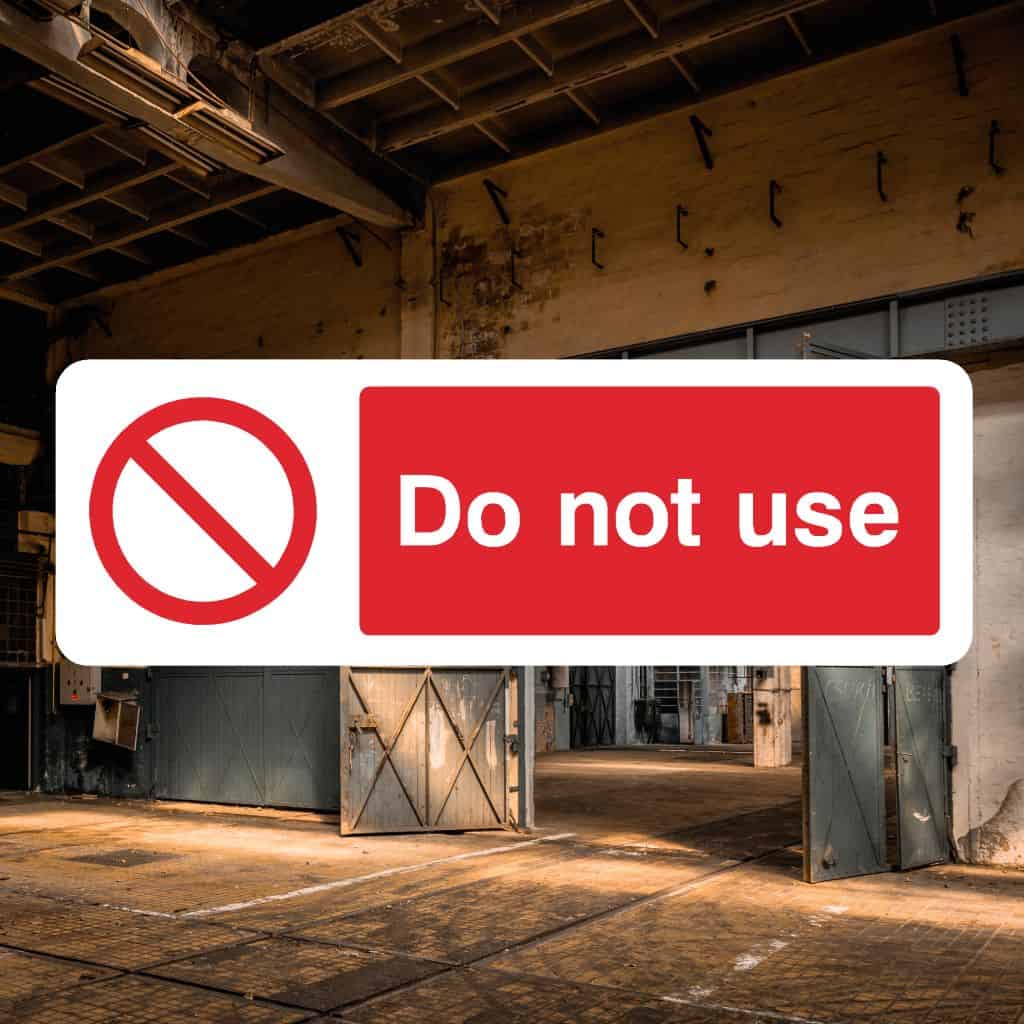
Our range of Prohibition Safety Signs includes No Entry, Do Not Touch, Do Not Use, No Mobile Phones, No Photography, machinery restrictions and other prohibited-action notices.
Choose from a selection of sizes and materials suitable for different workplace environments.
A prohibition sign communicates an action that must not be carried out.
Common examples include:
These signs are commonly used where an unsafe action could expose employees, visitors or contractors to a hazard.
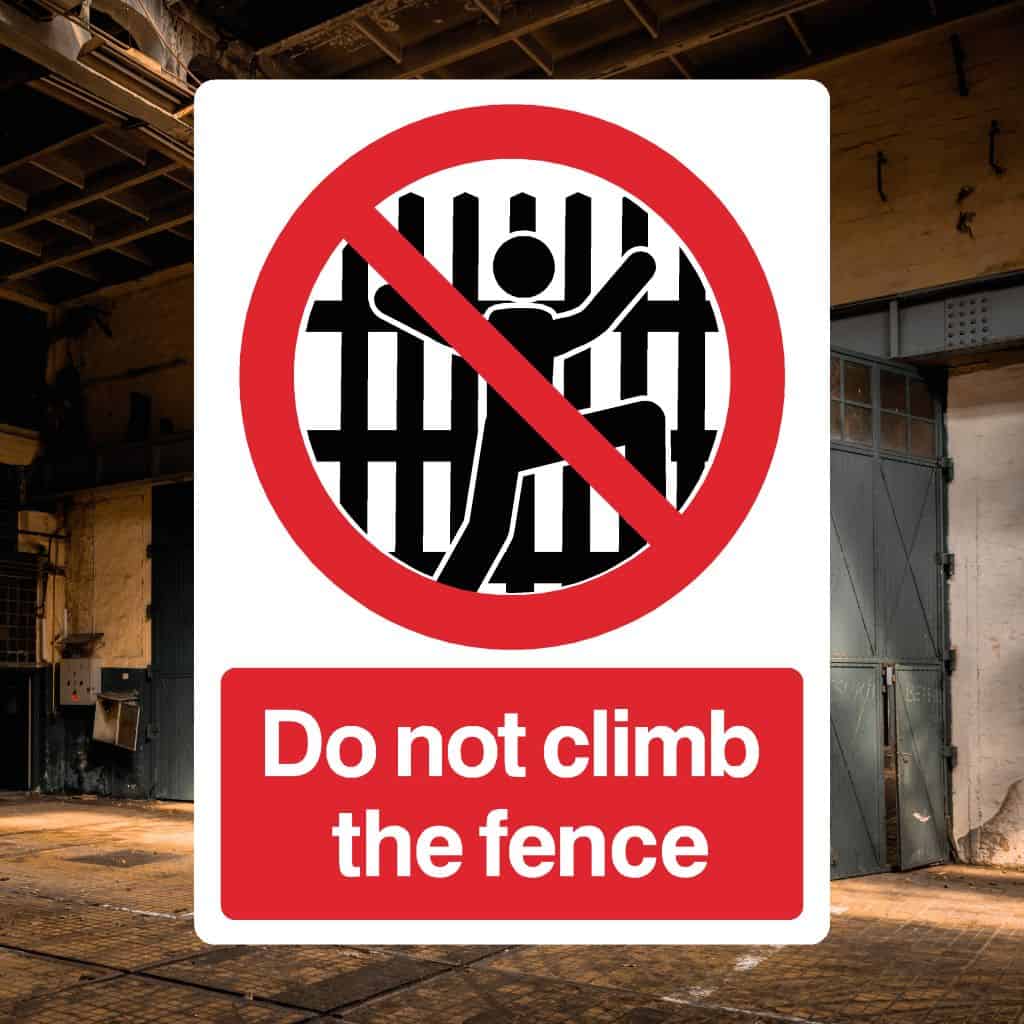
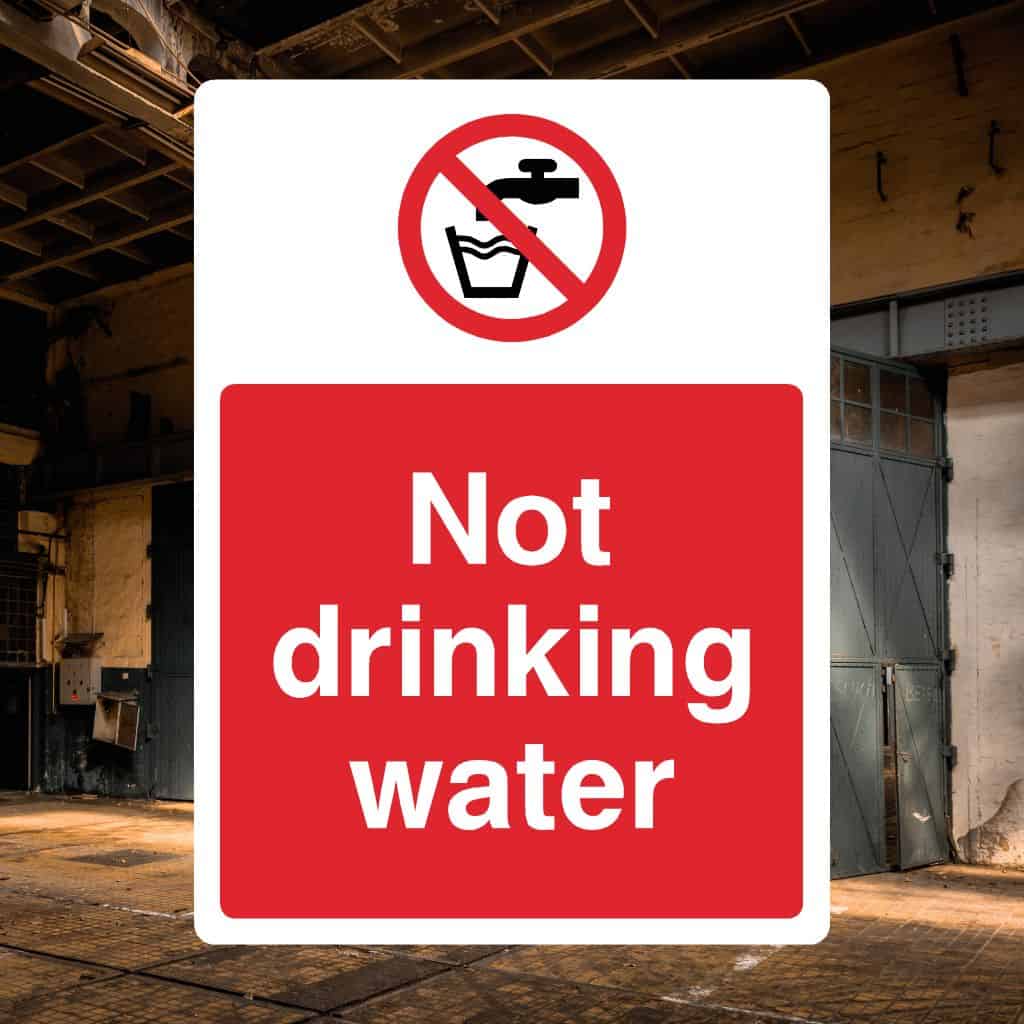
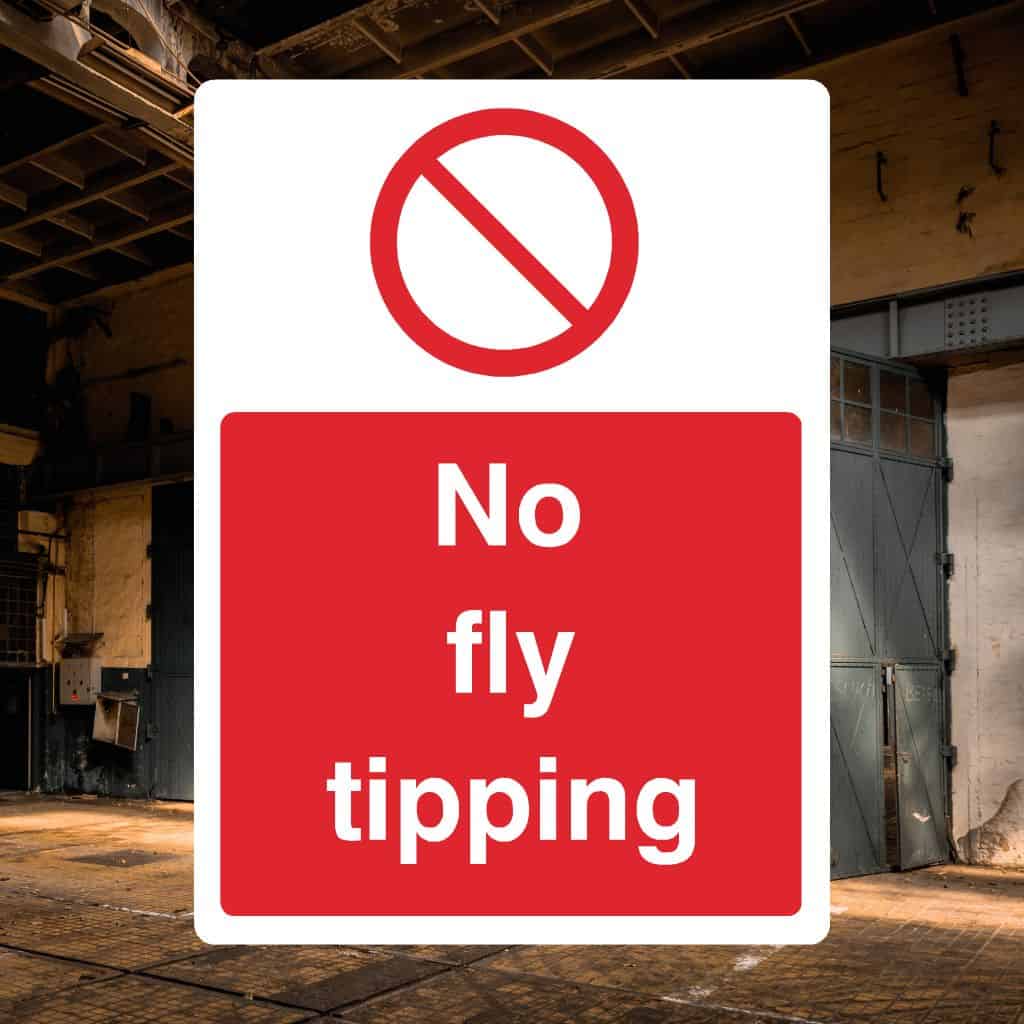
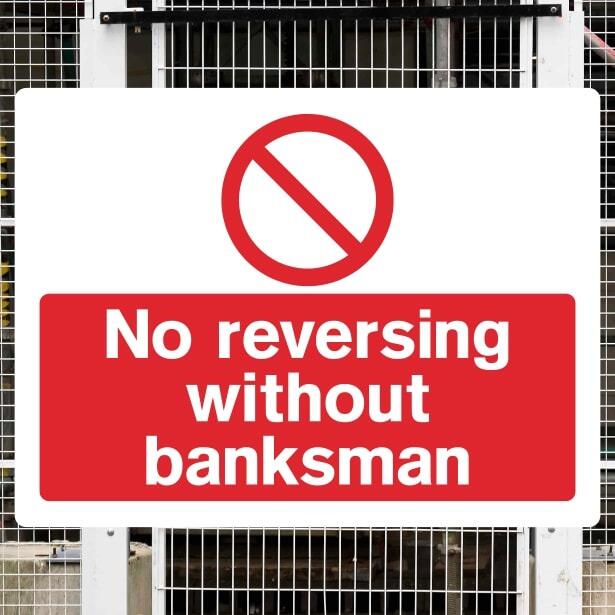
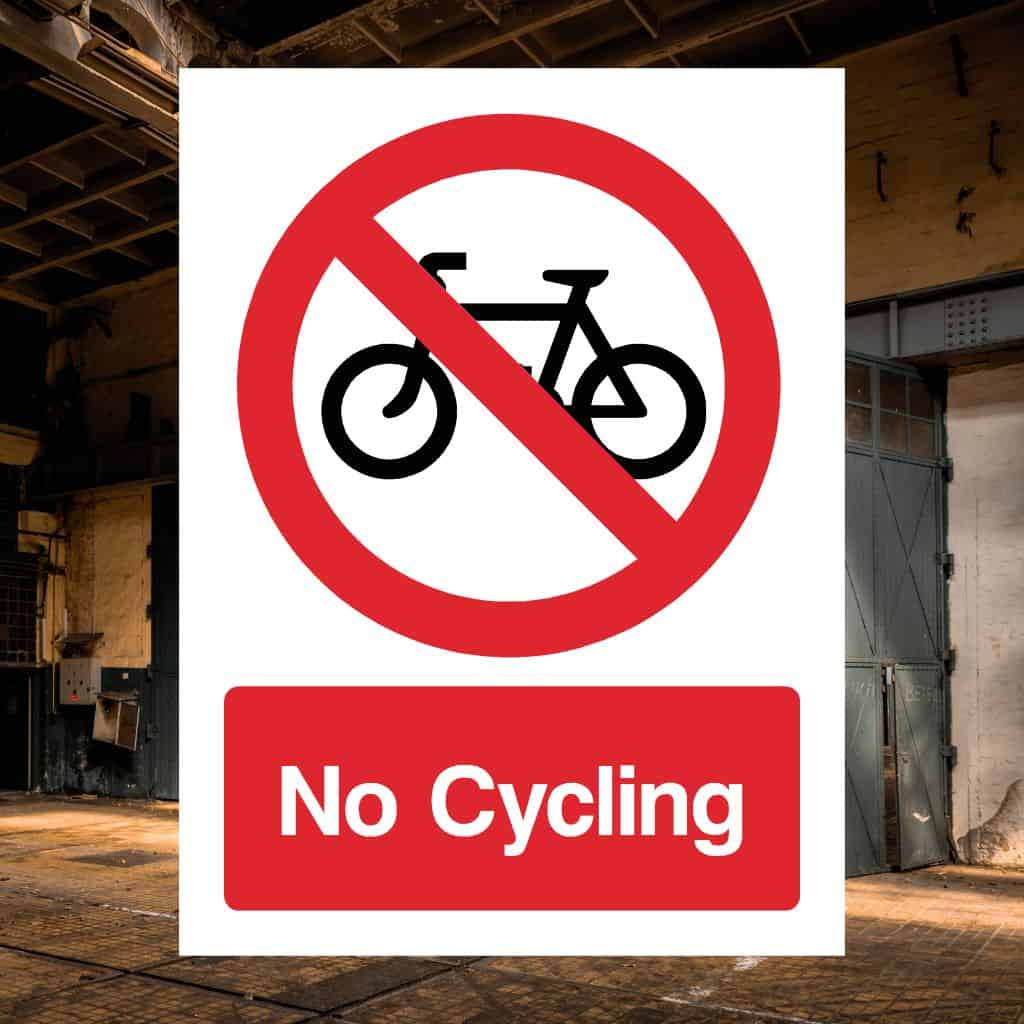
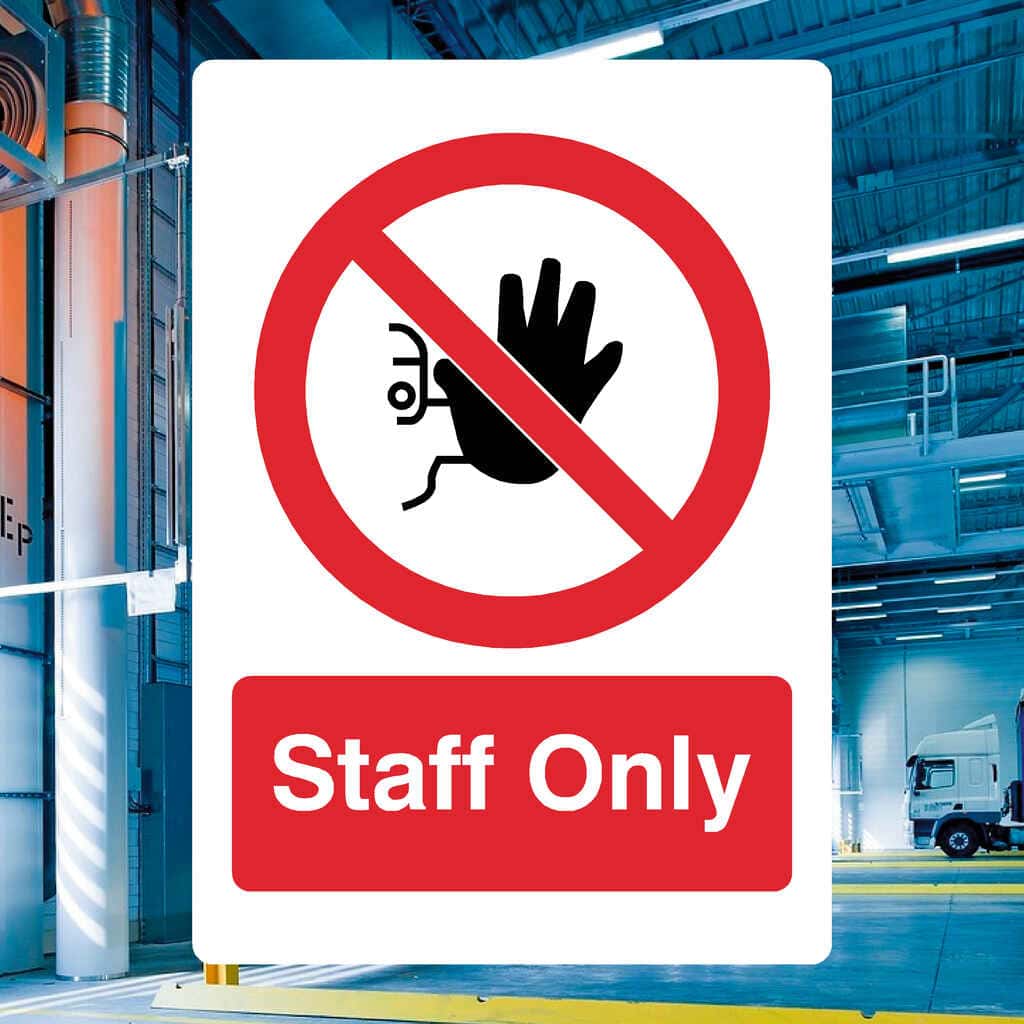
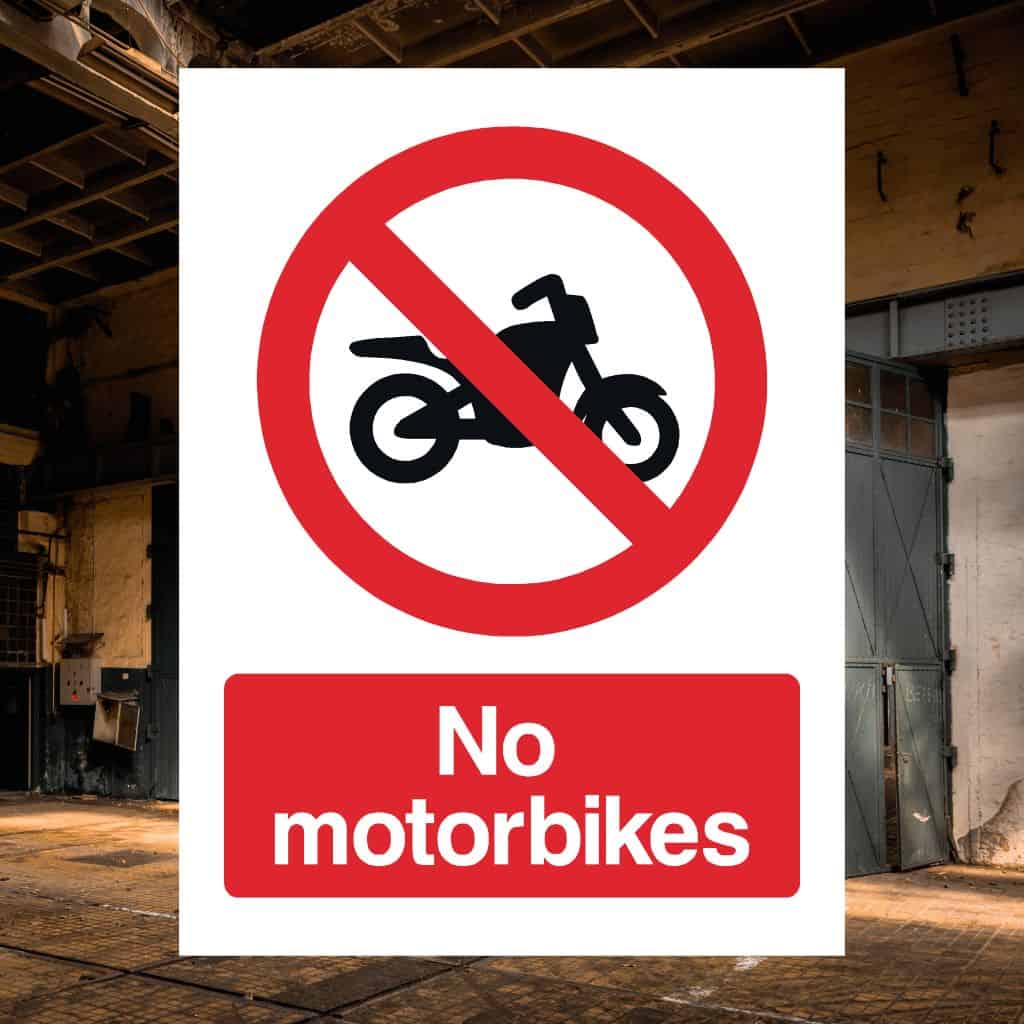
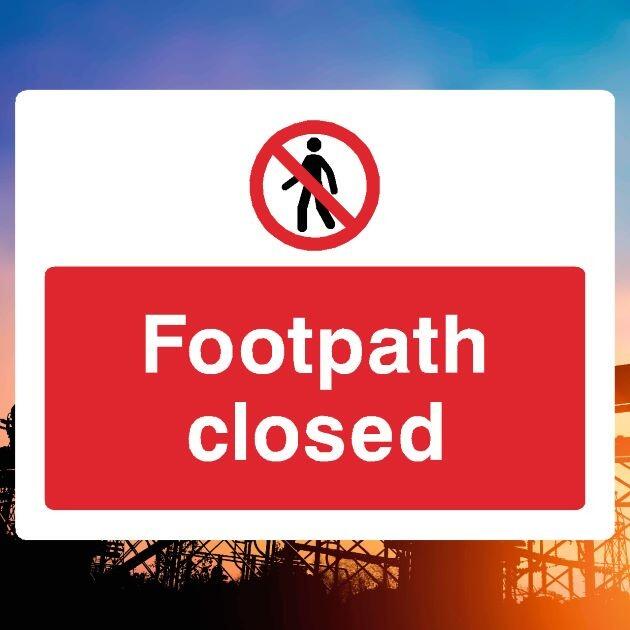
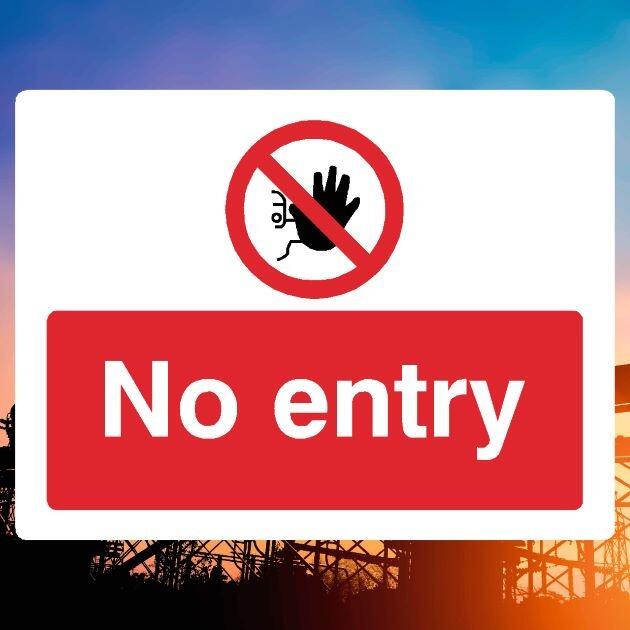
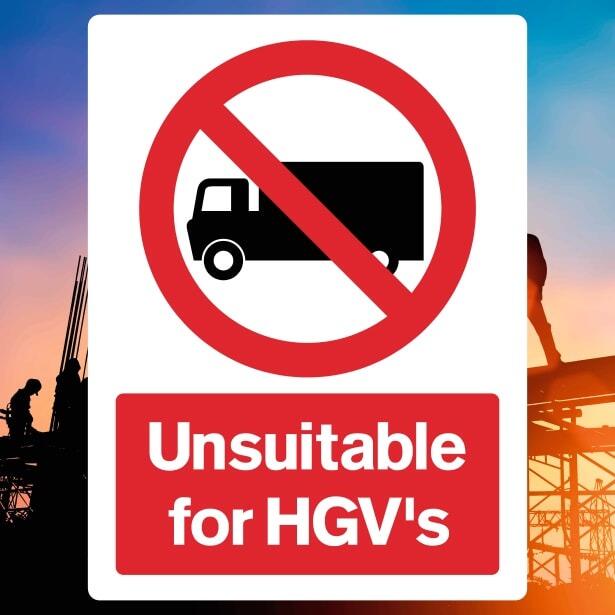
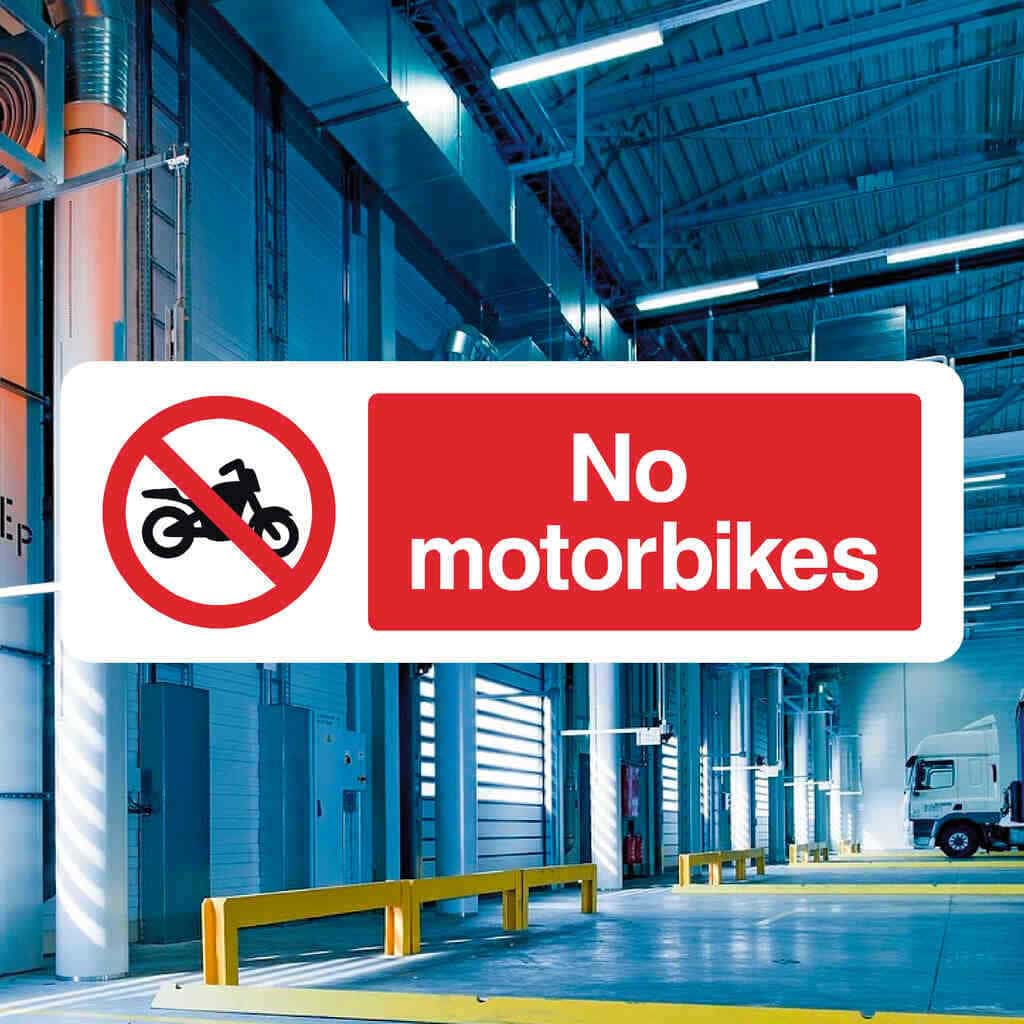
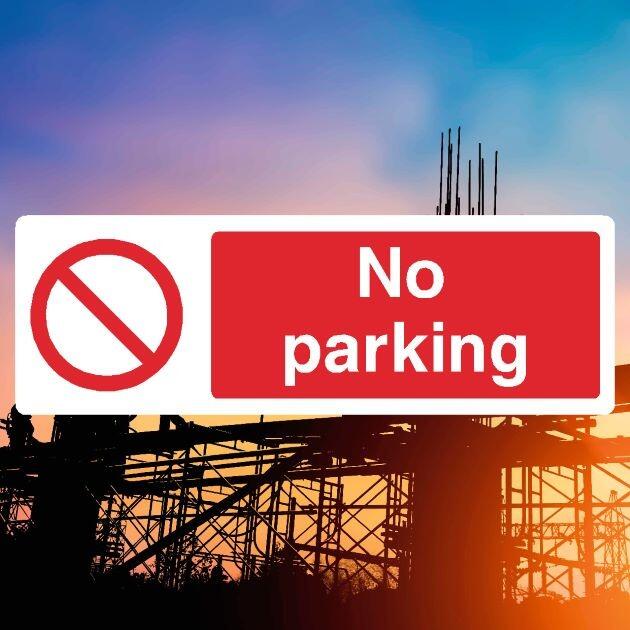
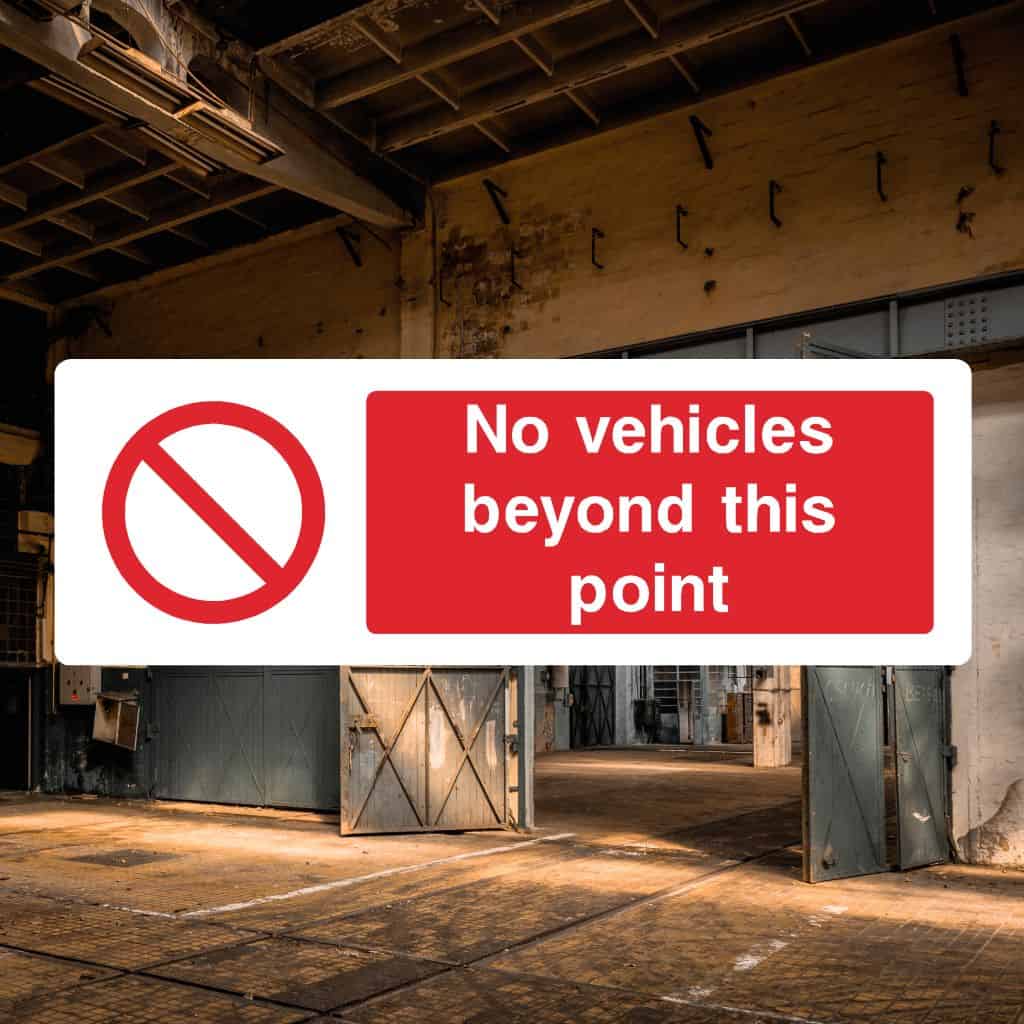
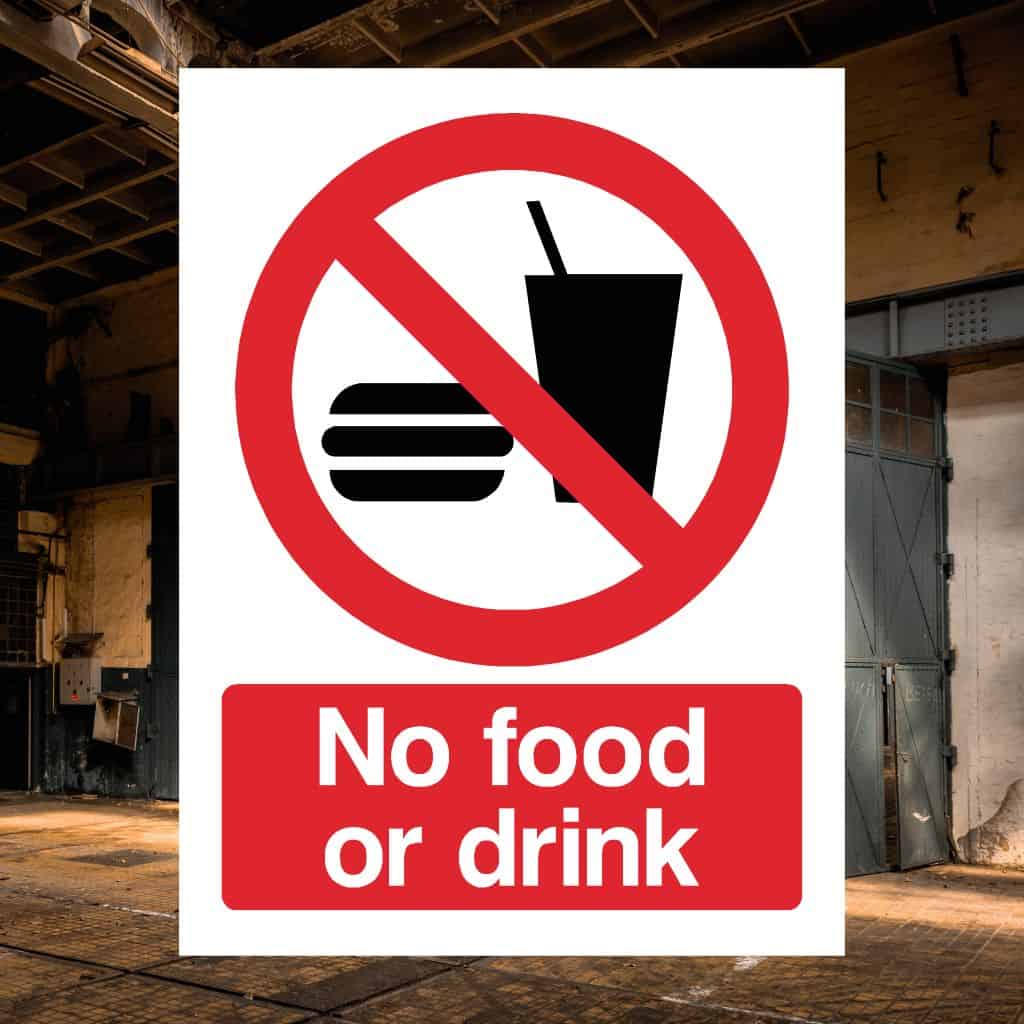
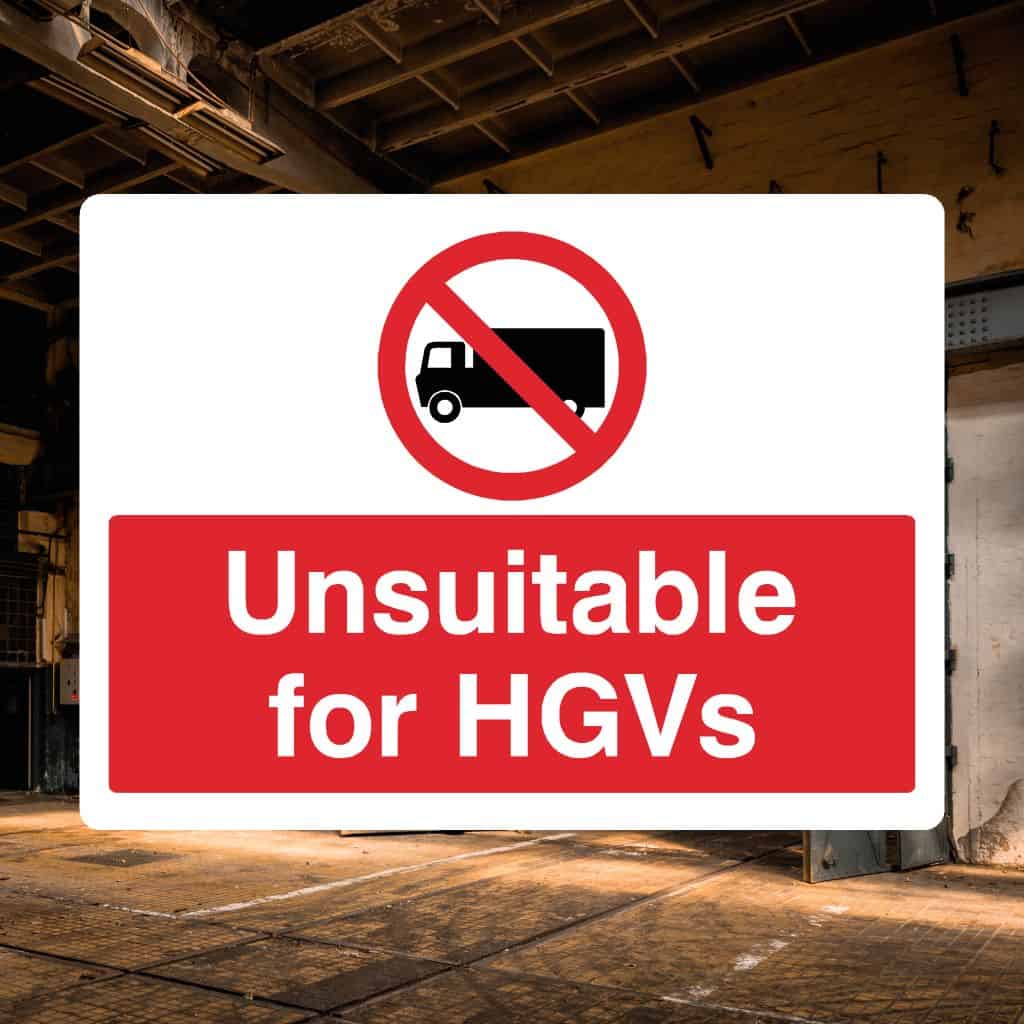
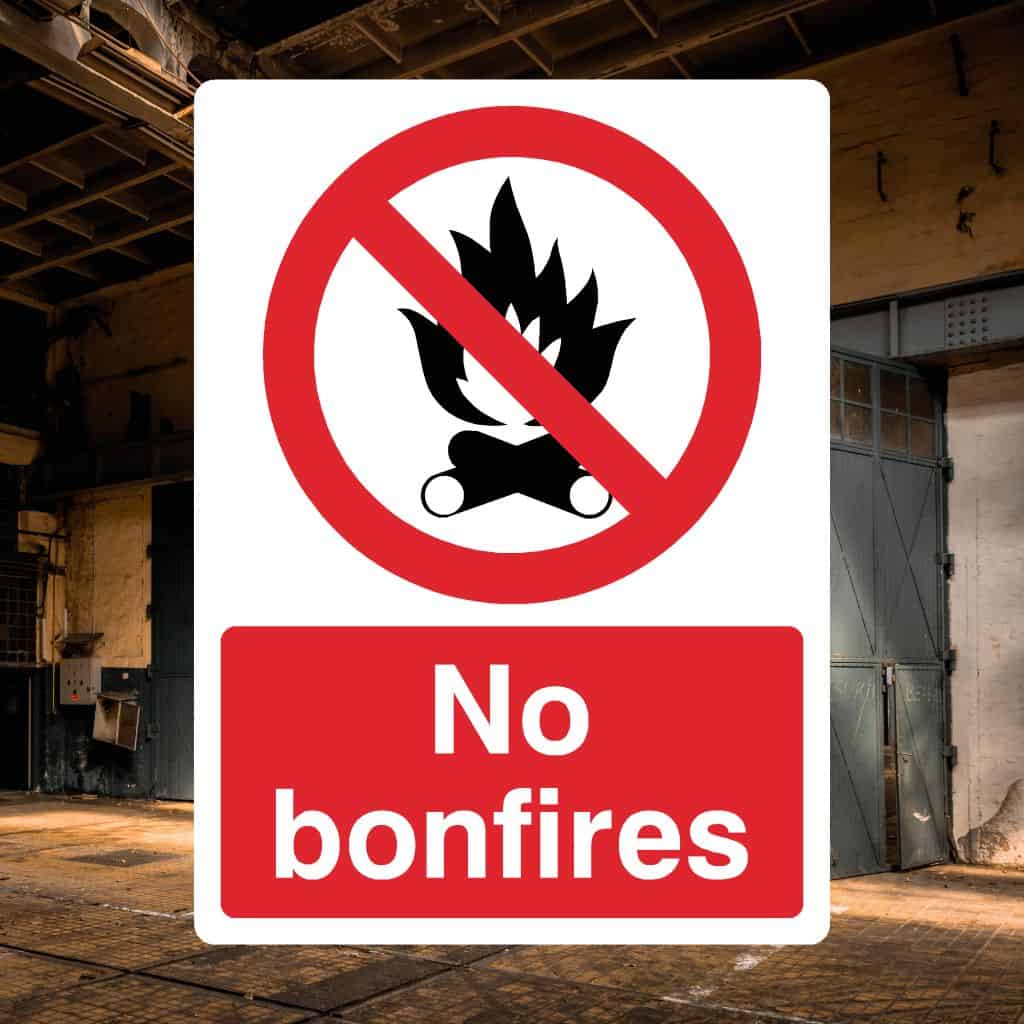
Recognised prohibition safety signs generally feature a black pictogram on a white background, surrounded by a red circular border and diagonal red bar.
The familiar design helps distinguish a prohibited action from other types of workplace safety information.
Under the Health and Safety (Safety Signs and Signals) Regulations 1996, the red portion of a standard prohibition sign should occupy at least 35% of the sign area.
Where an appropriate recognised pictogram exists, using it can help communicate the instruction quickly and consistently.
Different working environments require different restrictions.
Choosing the correct sign starts with identifying the behaviour that needs to be prevented.
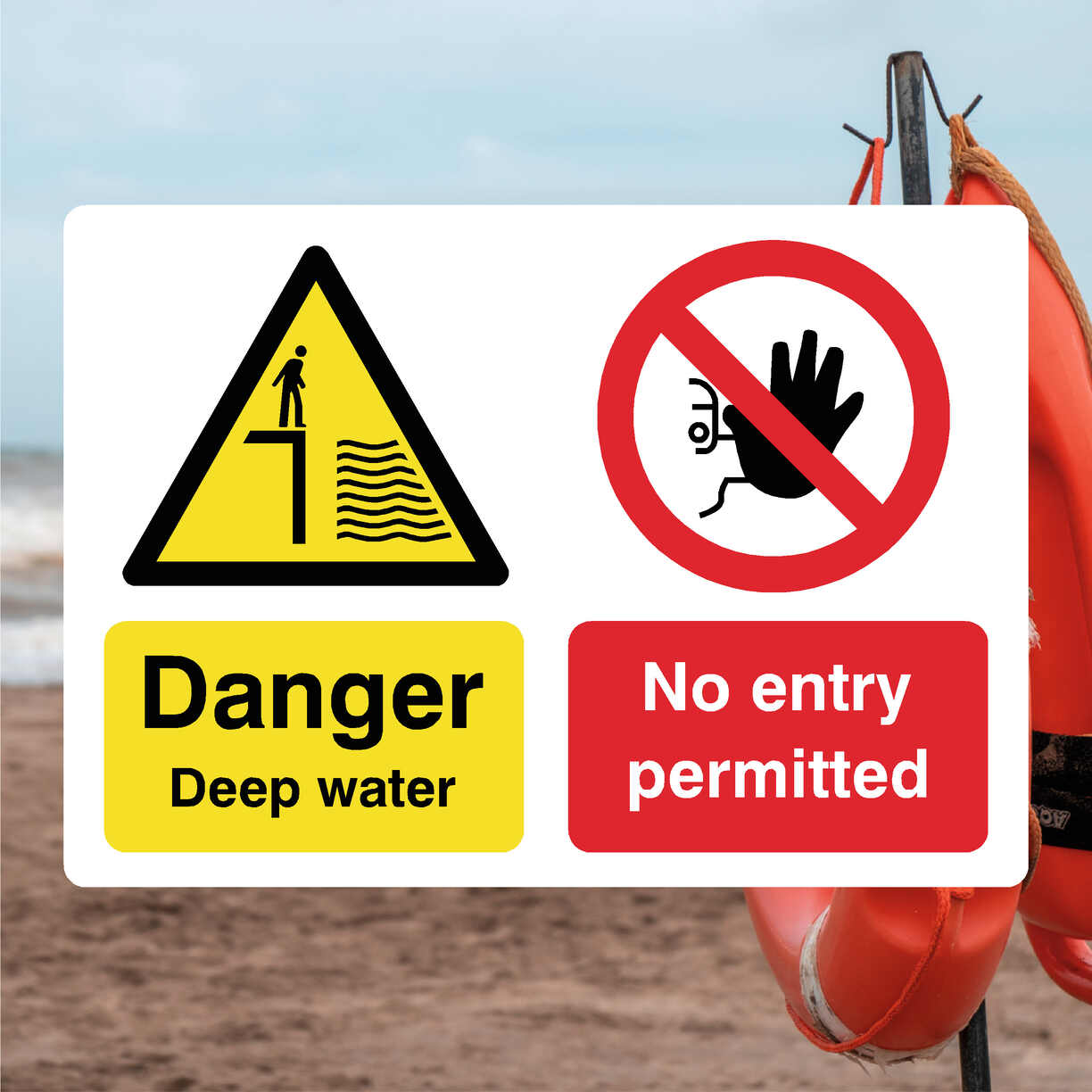
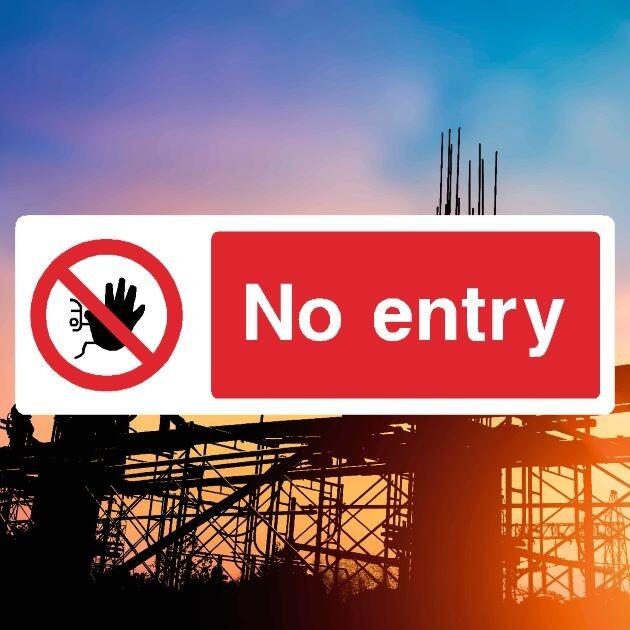
No Entry and Restricted Access Signs help communicate where people are not permitted to enter.
They can be suitable for:
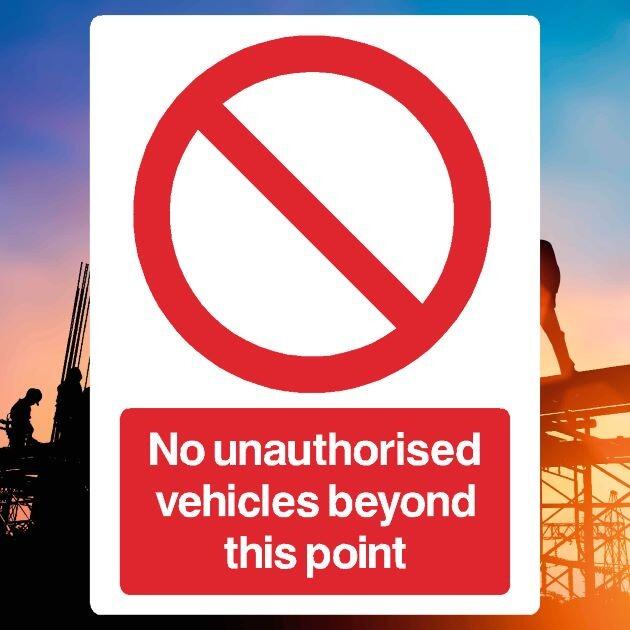
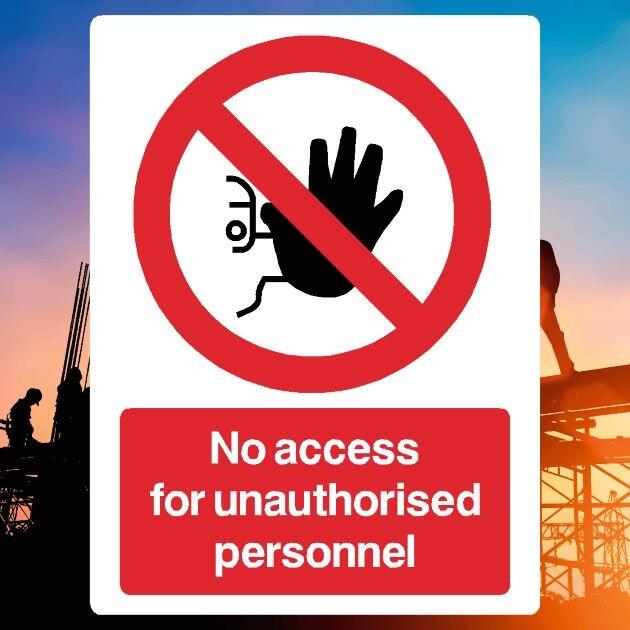
Where access is permitted to certain employees or contractors, a No Unauthorised Access sign may communicate the restriction more accurately than a blanket No Entry notice.
Explore our dedicated No Entry Signs collection for a wider selection of access-control signage.
Machinery-related prohibition signs help reinforce instructions intended to prevent unsafe equipment use.
Examples include:
These notices can be useful around production equipment, workshops, industrial machinery and maintenance areas.
However, signage must support appropriate machine guarding, isolation procedures, training and safe systems of work rather than replace them.
Do Not Touch Signs communicate that particular equipment, surfaces or objects must not be handled.
They may be appropriate around machinery, electrical equipment, maintenance areas and other locations where touching something could expose a person to danger.
Where a specific hazard exists, additional warning signage may be appropriate.
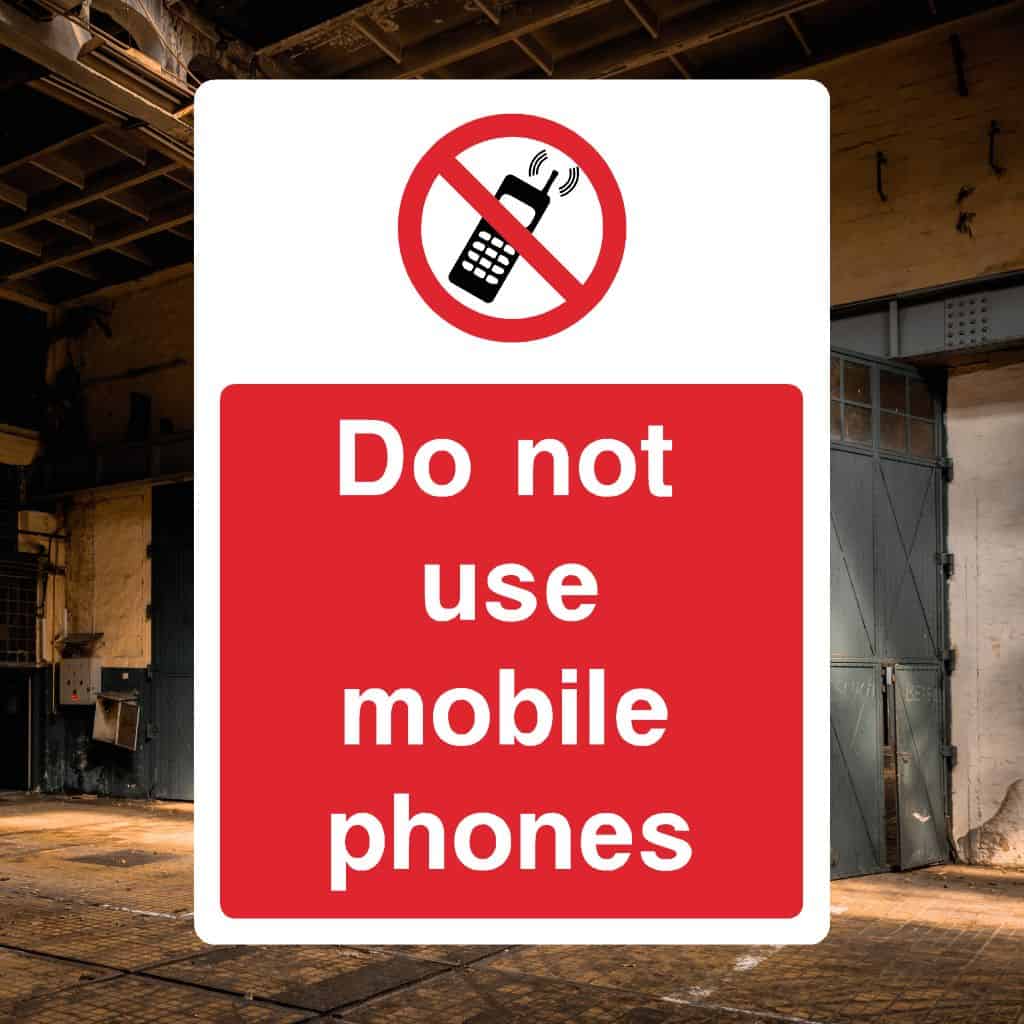
No Mobile Phones Signs communicate restrictions on mobile phone use.
They may be used where phones could cause distraction, interfere with workplace procedures or conflict with an established site restriction.
Examples include:
Choose wording that accurately describes the restriction.
A No Mobile Phones sign is different from a Switch Off Mobile Phones instruction, so select the message that reflects your site rules.
No Photography and Camera Prohibited Signs communicate restrictions on taking photographs or recording images.
They can be useful in commercial and industrial environments where photography is restricted for operational, confidentiality or other legitimate reasons.
Options may include:
Position the notice before visitors enter the relevant restricted area.
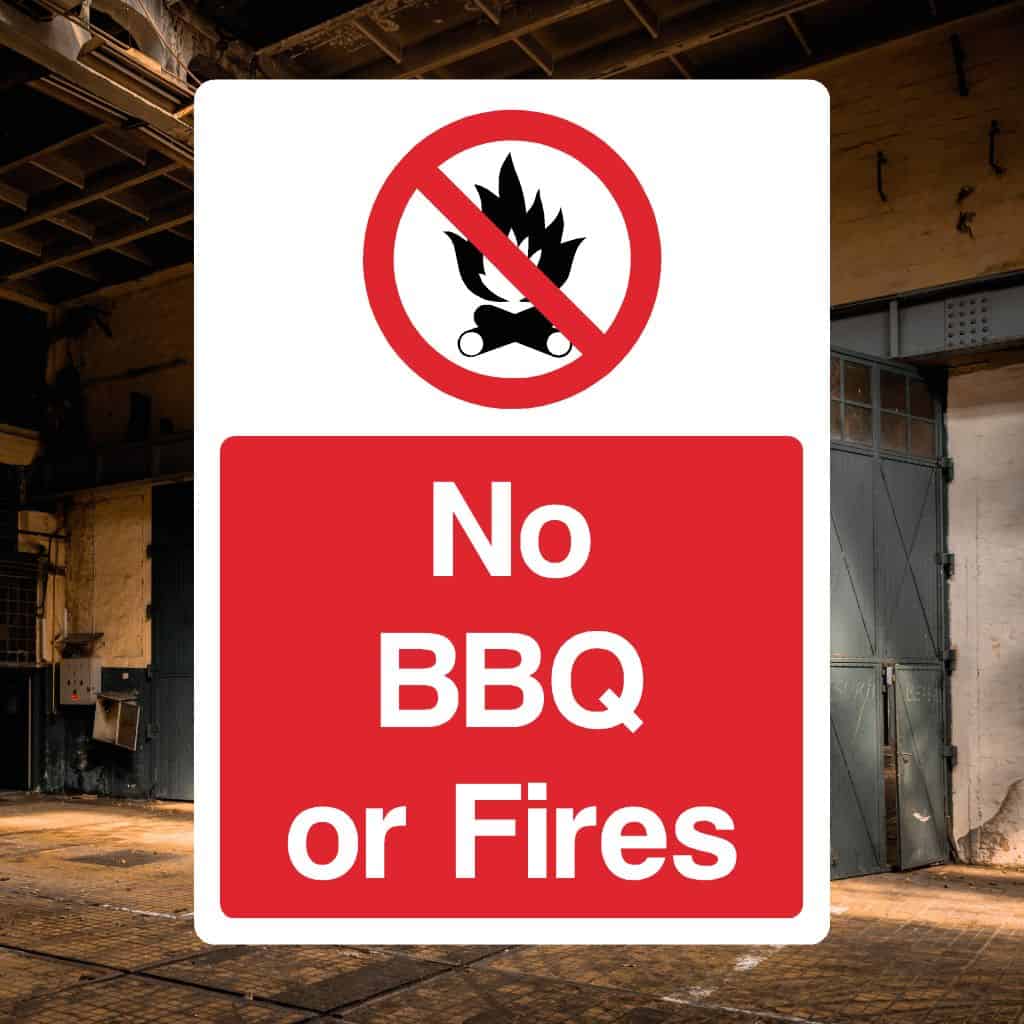
No Smoking and No Naked Flames Signs communicate restrictions involving smoking, ignition sources and fire safety.
These may be relevant in workplaces, storage areas, industrial premises and other environments where smoking or naked flames are prohibited.
For a more comprehensive selection, visit our dedicated No Smoking Signs collection.
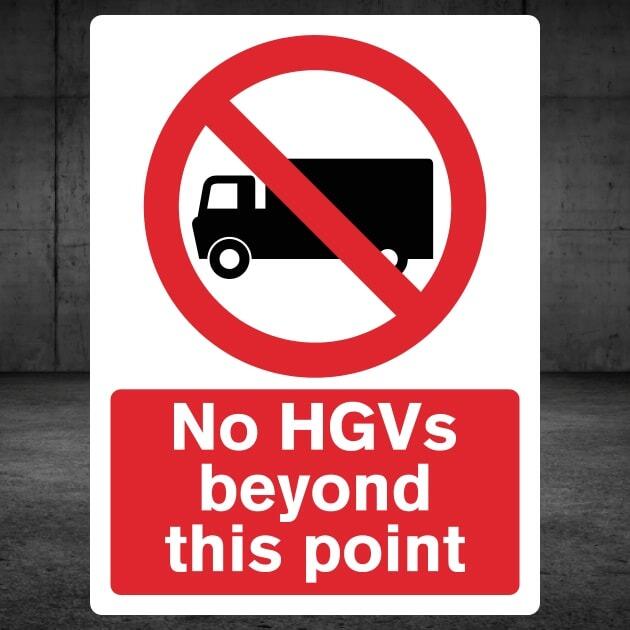
Workplaces with vehicle movements may need signs restricting access to particular routes.
Examples include:
Choose the message according to who or what is prohibited.
A specific No Pedestrians sign may be more informative than a general No Entry notice where the route remains open to authorised vehicles.
Construction sites can contain hazardous working areas, moving machinery, restricted routes and temporary access arrangements.
Prohibition signs can reinforce restrictions around excavations, equipment, operational areas and site entrances.
Manufacturing premises may need signs prohibiting unsafe machinery operation, removal of guards, unauthorised access or other activities identified through risk assessment.
Warehouses can use prohibition signage to communicate restrictions around vehicle routes, racking, loading areas, equipment and pedestrian access.
Workshops may require notices such as Do Not Operate, Do Not Touch and Do Not Remove Guards.
Signs should be positioned where the instruction is relevant and easily visible.
Offices, schools, shops and other commercial buildings can use prohibition signs to identify restricted operational areas and communicate appropriate workplace rules.
The Health and Safety (Safety Signs and Signals) Regulations 1996 establish requirements for workplace safety signs.
Appropriate safety signage is required where a significant risk remains after other relevant measures have been put in place and that risk cannot be adequately controlled by other means.
This doesn't mean every workplace must display every type of prohibition sign.
The appropriate signs depend on the hazards, working activities, site layout and findings of the relevant risk assessment.
A prohibition sign should reinforce appropriate safety measures, not substitute for them.
BS EN ISO 7010 provides standardised graphical symbols for safety signage, including recognised prohibition pictograms.
Using suitable recognised symbols can help communicate safety instructions consistently across workplaces.
However, ISO 7010 is a standard rather than legislation itself.
Businesses should select signs according to the actual hazard and required instruction.
These two sign categories communicate different information.
A Prohibition Sign tells somebody what they must not do.
For example: Do Not Touch.
A Warning Sign alerts somebody to a hazard.
For example: Danger – Electricity.
Both may be appropriate in the same working environment where the risk assessment identifies a need for them.
Mandatory signs communicate an action that must be carried out.
For example, Wear Eye Protection.
Prohibition signs communicate an action that must not be carried out.
For example, Do Not Operate.
Using the correct sign category helps people understand whether the message is a restriction, warning or required action.
Before ordering, consider:
Choose a clear, specific instruction rather than relying on a generic sign where more precise wording would be useful.
Position signs where people can see the restriction before carrying out the prohibited action.
Common locations include:
Make sure signs remain visible and aren't hidden behind stored materials, equipment or open doors.
The best material depends on the location and expected conditions.
Self-adhesive signs can provide a practical solution for suitable smooth surfaces.
Rigid plastic is suitable for many general workplace applications.
More substantial materials, including aluminium composite where available, can be useful for longer-term or outdoor installations.
Choose the size and material according to viewing distance, exposure and mounting requirements.
Displaying too many signs in one location can make important instructions harder to identify.
Prioritise the restrictions that apply at the specific location.
Where several site-wide instructions need to be communicated together, a suitable multi-message safety board may provide a clearer solution.
Safety Sheep supplies Made in Britain Prohibition Signs for UK businesses, construction sites, factories, warehouses, workshops and commercial premises.
Our range includes access restrictions, machinery prohibition signs, No Mobile Phones, No Photography, Do Not Touch, Do Not Use and other workplace safety notices.
Choose from a selection of sizes and materials, with bulk savings available for businesses and trade customers.
Think Safety. Think Sheep.
Prohibition signs communicate actions or behaviours that are not permitted because they could create danger or increase an existing risk. Common examples include No Smoking, No Entry and Do Not Touch.
Recognised prohibition safety signs generally feature a black pictogram on a white background with a red circular border and diagonal red line.
Standard prohibition safety signs are circular, with a diagonal red bar crossing the prohibited action symbol.
Under the Health and Safety (Safety Signs and Signals) Regulations 1996, appropriate safety signs are required where significant risks remain after other relevant safety measures have been implemented and those risks cannot be adequately controlled by other means.
A red prohibition sign communicates that a particular action or behaviour must not be carried out.
Prohibition signs identify actions that must not be carried out. Mandatory signs identify actions that must be carried out, such as wearing appropriate personal protective equipment.
A prohibition sign restricts an action, while a warning sign alerts people to a hazard or potential danger.
BS EN ISO 7010 provides standardised safety symbols. Businesses should use appropriate recognised symbols where applicable, but ISO 7010 is a standard rather than UK legislation itself.
Position signs where people can see the restriction before carrying out the prohibited action. Typical locations include doors, gates, machinery, restricted work areas and site entrances.

