The Sheep Blog


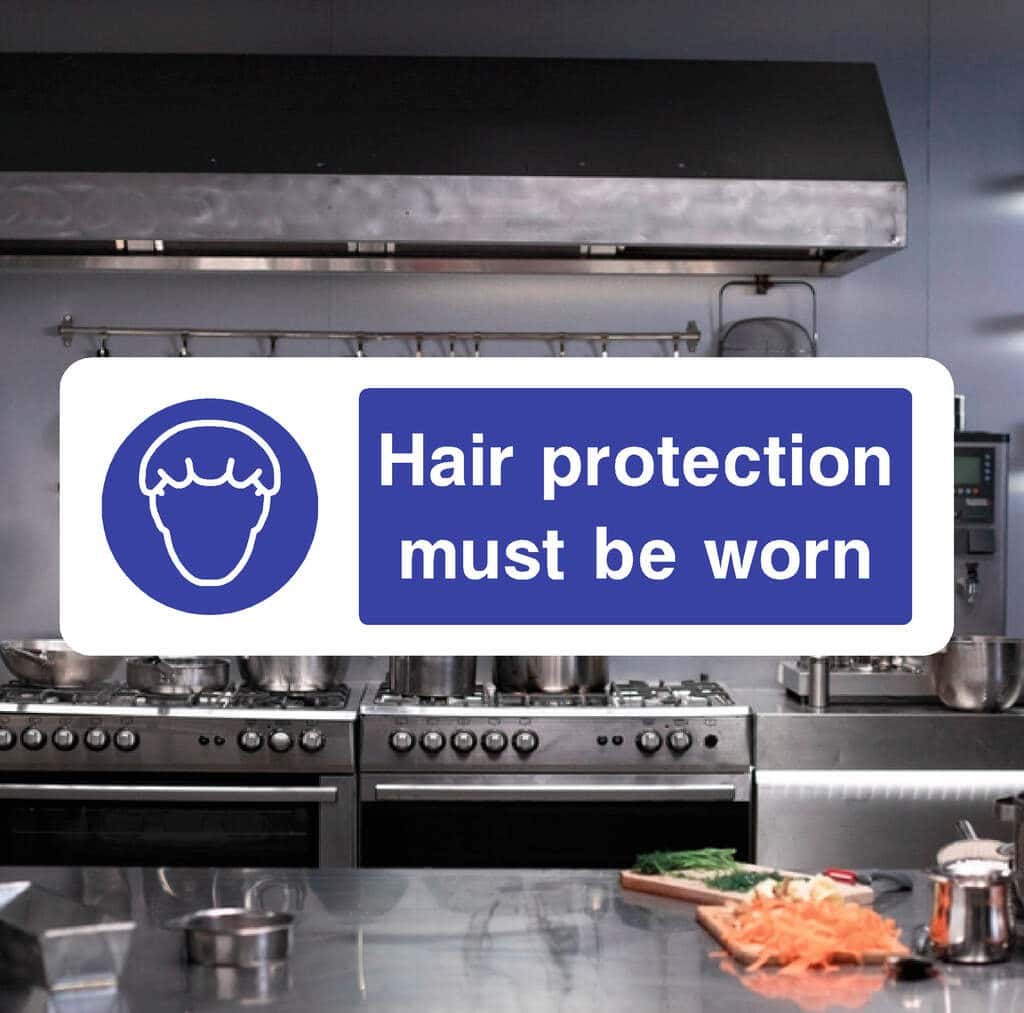

Protective Garments Kitchen Sign


Sink For Food Equipment Only Sign


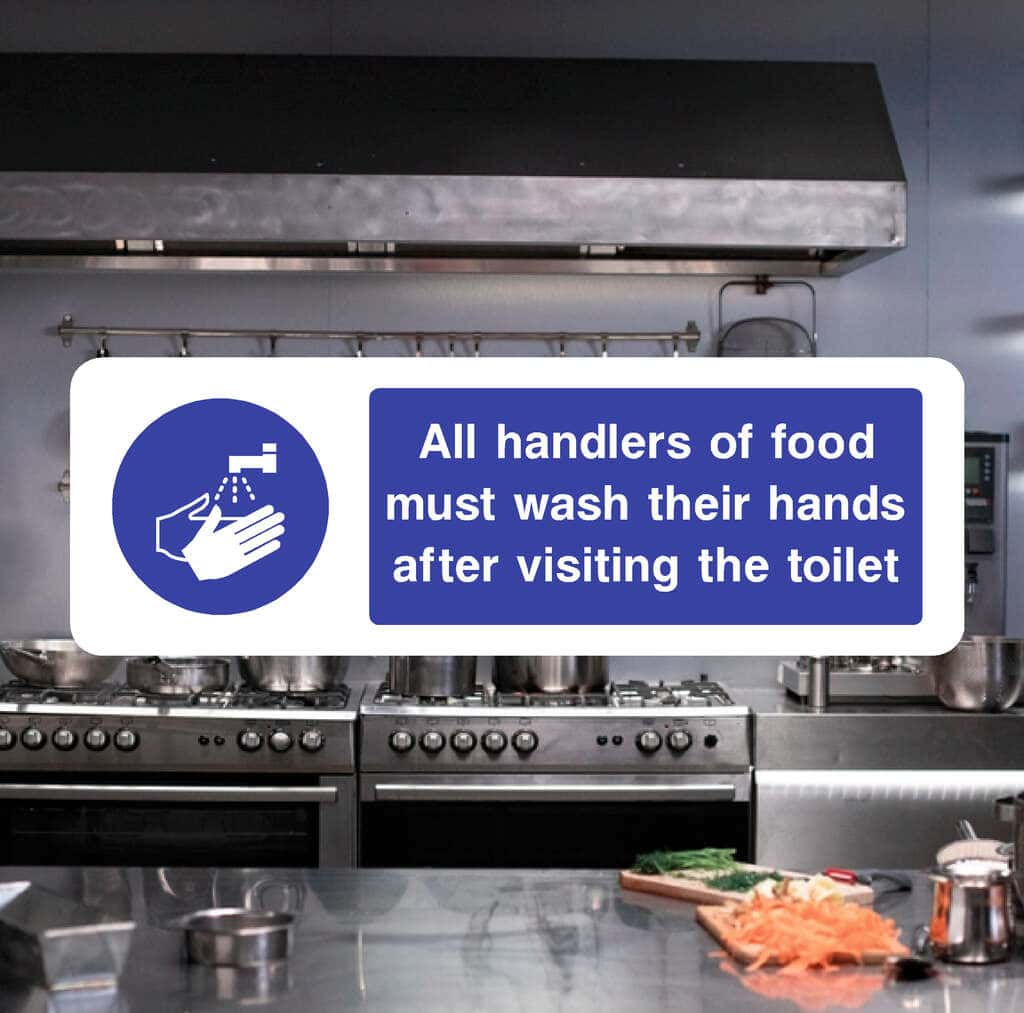


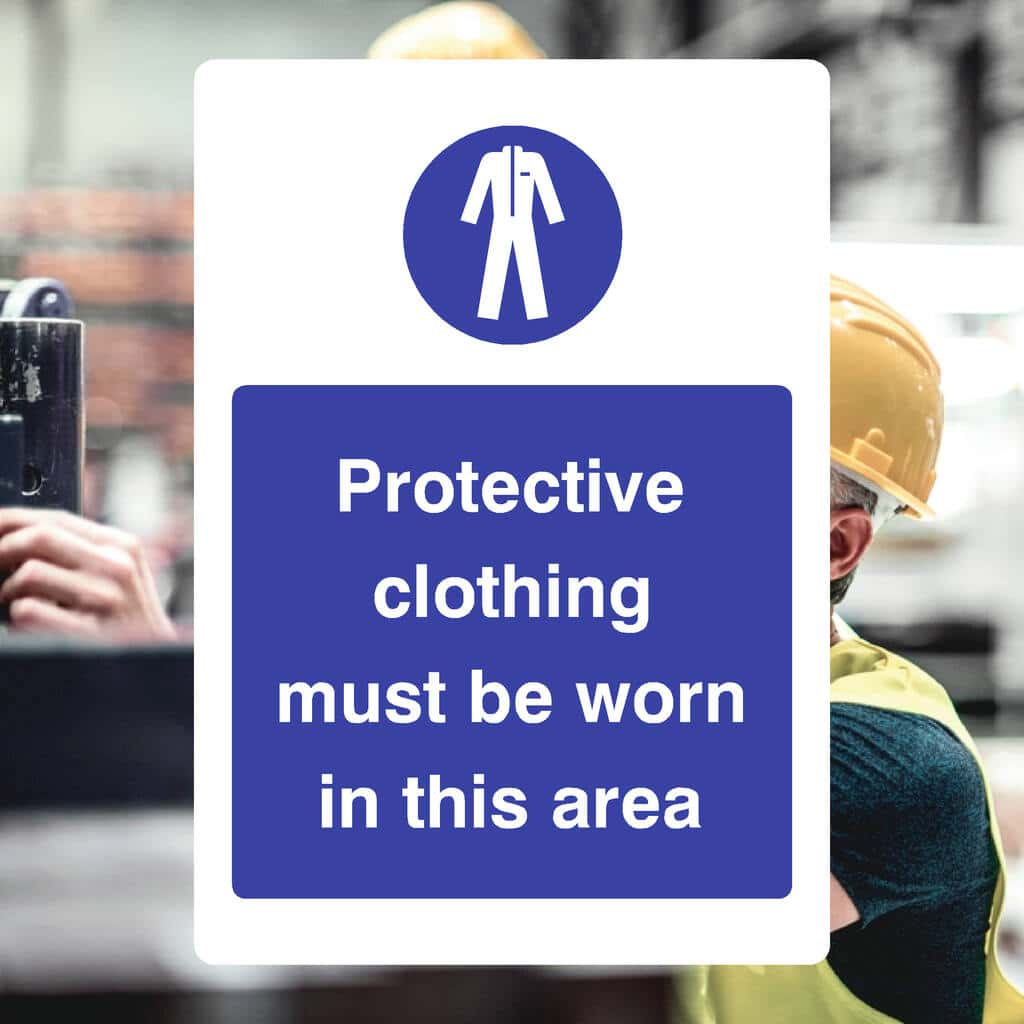
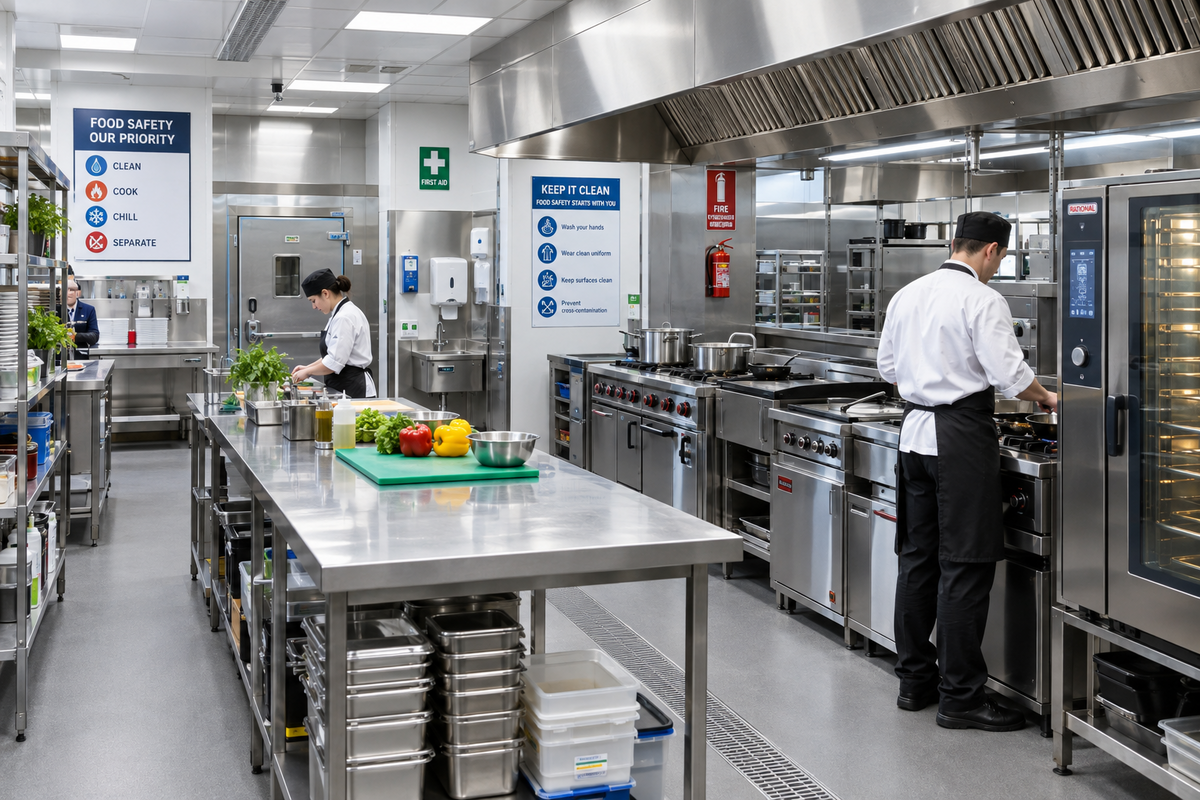
Food Hygiene & Kitchen Signs provide clear visual reminders of important food safety, hygiene and workplace procedures in commercial kitchens and food preparation areas.
From hand washing and cross-contamination controls to food storage, cleaning, allergens and safe use of kitchen equipment, well-positioned signs can reinforce procedures where staff need to follow them.
Our range is suitable for restaurants, cafés, takeaways, pubs, hotels, schools, care homes, hospitals, canteens, food production facilities and other catering businesses.
Good food hygiene depends on people consistently following the correct procedures.
Food hygiene signs can reinforce everyday requirements involving:
Signs should support your food safety procedures and staff training rather than replace them.
Commercial kitchens combine food hygiene risks with more conventional workplace hazards.
Staff can encounter:
Kitchen safety signage can help communicate appropriate warnings, instructions and procedures at the point where they're relevant.
Catering businesses range from small cafés and takeaways to large restaurants, hotels, schools, hospitals and industrial kitchens.
The signage required will therefore vary considerably.
A small café may need a relatively simple selection of hand washing, food preparation and cleaning signs, while a large institutional kitchen may require more extensive signage covering food zones, storage, machinery, PPE, allergens and operational procedures.
Choose signs according to the actual processes and risks within your kitchen rather than using a generic checklist.
Hand hygiene is fundamental in food preparation environments.
Signs can provide a clear reminder to wash hands at appropriate times and can also identify sinks intended specifically for hand washing.
Position hand washing signs where the instruction needs to be followed, such as:
Where different sinks have different purposes, clearly identifying them can help reduce mistakes.
Commercial kitchens frequently divide food preparation into specific areas.
Signs can identify areas or equipment intended for:
Clear identification can support established kitchen procedures and help staff use the correct areas and equipment.
Cross-contamination is an important food safety consideration.
Signs can reinforce procedures involving the separation of raw and ready-to-eat foods, correct use of utensils, hand washing, cleaning and designated preparation areas.
Examples include:
Signs should support the procedures established by the food business rather than being treated as a substitute for effective food safety controls.
Food businesses have important responsibilities concerning allergen information and allergen management.
Signs and notices can help remind staff about allergen procedures and can direct customers to ask for allergen information where appropriate.
However, an allergen sign by itself doesn't fulfil all of a food business's allergen responsibilities.
Businesses need appropriate systems for identifying ingredients, providing required allergen information and managing the risk of allergen cross-contact.
Clear food storage identification can help staff follow established procedures consistently.
Our range includes signs and labels relating to:
Position signs where they're easy to see when food is being stored, retrieved or prepared.
Temperature control can form an important part of a food business's food safety procedures.
Signs can remind staff to check refrigeration, freezer or food temperatures according to the procedures established for the premises.
A sign doesn't replace appropriate monitoring, recording or equipment; it provides a visible reminder of the procedure.
Cleaning is another area where visual reminders can be particularly useful.
Kitchen signage can reinforce instructions such as:
Position these notices close to the activity or equipment to which they relate rather than grouping every hygiene instruction on one noticeboard.
Using the wrong sink can undermine carefully designed kitchen procedures.
Sink signs can clearly identify facilities intended for:
Position the identification directly beside or above the relevant sink so staff can understand its purpose immediately.
Some food preparation and catering environments require employees to wear specific protective clothing or equipment.
Depending on the work being carried out, this could include:
Use mandatory signage where it accurately reflects a requirement established for that area.
Signs should support appropriate PPE provision, training and supervision rather than replace them.
Commercial kitchens can contain potentially hazardous machinery including slicers, mixers, mincers and waste disposal equipment.
Where appropriate, signage can reinforce operating procedures or warn people about hazards associated with particular equipment.
Machine safety should primarily be addressed through suitable equipment, guarding, maintenance, training and safe working procedures.
A warning or instruction sign doesn't make unsafe machinery safe.
Ovens, fryers, steam equipment and hot water can create burn and scalding hazards.
Warning signs can be positioned where people need to recognise these hazards before coming into contact with them.
Again, signage should form part of wider risk controls rather than being relied upon by itself.
UK food businesses have legal responsibilities for producing and serving safe food and maintaining appropriate food hygiene procedures.
However, there isn't one universal list of food hygiene signs that every restaurant, café or commercial kitchen must display.
The appropriate signage depends on factors including:
Choose signage to reinforce the procedures actually used within your premises.
Food businesses commonly use food safety management procedures based on HACCP principles.
Signs can support those procedures by providing visual reminders at critical points such as hand wash stations, preparation areas, refrigeration equipment and cleaning zones.
However, displaying a sign doesn't in itself demonstrate HACCP compliance.
Your procedures need to identify and control the relevant food safety hazards.
The Food Standards Agency provides guidance to help food businesses manage food hygiene, allergens and food safety.
Safety signs and notices can reinforce appropriate procedures, but avoid assuming that an individual commercial sign is specifically “FSA approved” unless that claim can be demonstrated.
Use signage as part of your wider food safety management arrangements.
Position each sign where the relevant decision or action takes place.
For example:
Hand washing signs – beside designated hand wash basins.
Raw food signs – at raw food preparation or storage areas.
Cleaning notices – where cleaning procedures are carried out.
Sink identification signs – directly beside the appropriate sink.
Temperature reminders – close to relevant refrigeration or monitoring points.
Machinery signs – where operators can see them before using equipment.
A relevant sign in the right place is usually more useful than a wall covered with generic notices.
Commercial kitchens can be demanding environments.
Signs may be exposed to:
Choose a material appropriate for the location and expected cleaning regime.
Smooth, durable surfaces can be particularly useful where signs need to be wiped regularly.
Kitchen signs are often viewed at relatively short distances, but size still matters.
Consider:
A simple sink identification label may only need to be viewed at close range, while a safety instruction at the entrance to a larger food production area may need to be visible from further away.
Too much signage can reduce the impact of important messages.
Rather than covering every available wall, concentrate on the points where staff need to make a decision or follow a procedure.
Ask:
This produces a more purposeful signage system.
Food preparation areas change over time.
Equipment moves, menus change, processes are revised and staff procedures develop.
Periodically check whether your signs are:
Remove outdated instructions and replace signs that can no longer be cleaned effectively or read easily.
Before ordering, consider:
A simple walk through the kitchen while considering each process can reveal where clear signage would be genuinely useful.
Safety Sheep Food Hygiene & Kitchen Signs are Made in Britain for restaurants, cafés, takeaways, commercial kitchens, schools, care homes and other UK food businesses.
Choose from hand washing, food preparation, cross-contamination, cleaning, allergen, sink identification, food storage, protective clothing and kitchen safety signs in a range of sizes and materials.
Think Safety. Think Sheep.
Food hygiene signs provide visual instructions or reminders about procedures such as hand washing, food preparation, cleaning, storage and cross-contamination controls in food-handling environments.
There isn't one fixed list for every commercial kitchen. Appropriate signage depends on the food being prepared, kitchen processes, equipment, layout, food safety procedures and workplace risks.
UK food businesses have legal food safety and hygiene responsibilities, but this doesn't mean every kitchen must display the same prescribed list of food hygiene signs. Signage should support the procedures and controls appropriate to the individual premises.
Position hand washing signs beside or immediately adjacent to the hand wash facilities where the instruction needs to be followed.
Depending on your procedures, useful signs can include Raw Food Only, Cooked Food Only, Prevent Cross Contamination, hand washing instructions, sink identification and food preparation area signs.
Food businesses have legal responsibilities to provide allergen information and manage allergens appropriately. Signs can support customer communication and staff procedures, but an allergen notice alone doesn't fulfil all of those responsibilities.
It identifies a sink designated for hand washing, helping distinguish it from sinks used for food preparation, equipment or utensil washing.
No. Signs can support food safety procedures based on HACCP principles, but displaying signs alone doesn't establish compliance or replace an appropriate food safety management system.


