

Updated 6 November 2026
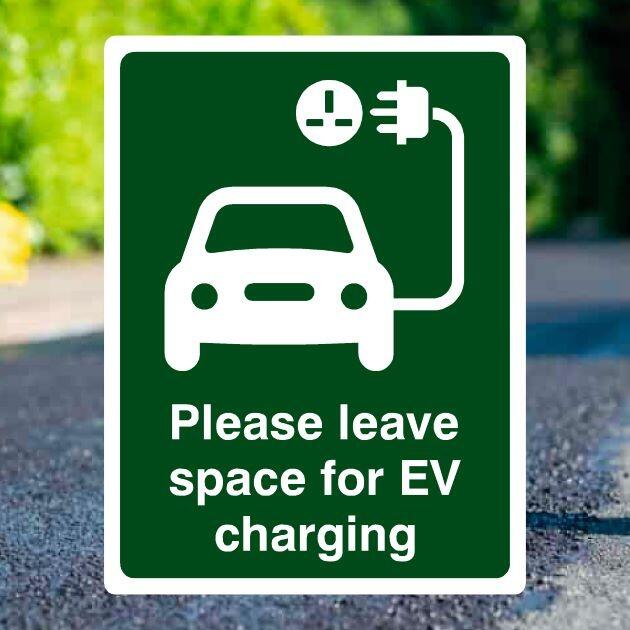
An EV parking sign identifies a space for electric vehicles. A charging-only notice communicates a different rule: the bay is intended for vehicles using the charger.
Decide how each space operates before choosing wording. Then coordinate the bay message with the chargepoint operator's information and the wider car-park arrangements.
Define what the driver may do
Confirm whether the bay is reserved for EV parking, active charging or a particular group such as customers or staff. If time limits or other conditions apply, explain them through the appropriate parking information.
“Electric vehicles only” does not, by itself, explain that a vehicle must be charging. Nor does the presence of a charger explain every parking restriction.
Keep the short bay instruction clear while ensuring drivers can find any fuller conditions before deciding to park.
Separate parking from the charging service
Charging prices, payment instructions and support information concern the charging service. Parking permission and any parking charges concern the use of the space. Check both with the responsible operators.
Private ownership of land does not automatically make a chargepoint non-public. Government guidance on the Public Charge Point Regulations includes customer car parks, such as those serving supermarkets, within its explanation of public provision.
Staff-only arrangements may be different. Ask the chargepoint operator to confirm the applicable obligations rather than assuming all workplace or privately owned installations have the same status.
Follow the approach to the equipment
Check whether drivers can find the charging area from the entrance without circulating through loading or restricted areas. Place directions at decisions and identify individual bays where necessary.
Test visibility with vehicles parked. Ground markings may be covered, while posts or signs can obstruct circulation if poorly located.
Review accessible routes and the space needed to reach and use equipment. A sign identifying a charger does not establish that the layout is accessible.
Include cables and changes in the review
Government chargepoint design guidance highlights cable management as part of addressing trip hazards. Plan the equipment and routes together rather than relying on a warning beside a trailing cable.
Check whether signs remain accurate after a charger is moved, withdrawn from service or assigned to different users. Make the process for reporting problems clear.
Before ordering, confirm the bay purpose, charging operator, parking conditions and approved locations. This avoids a collection of individually clear signs that contradict one another when read together.
Sources: Public Charge Point Regulations guidance and chargepoint design considerations.
Share:
Hazardous waste signs: separate area warnings from waste identification
Customer parking signs: guide arrivals and explain the right conditions