
Made in Britain Members

Big Bulk Save Discounts
Fast UK Shipping
Refine your fire safety signs search


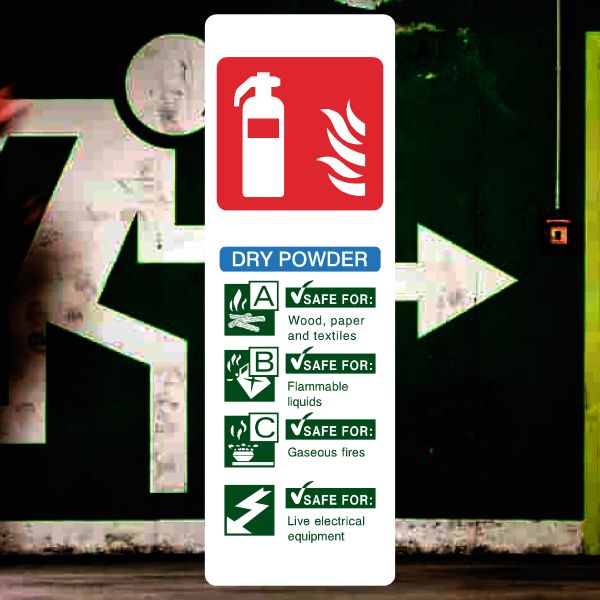
Dry Powder Fire Extinguisher Sign v2
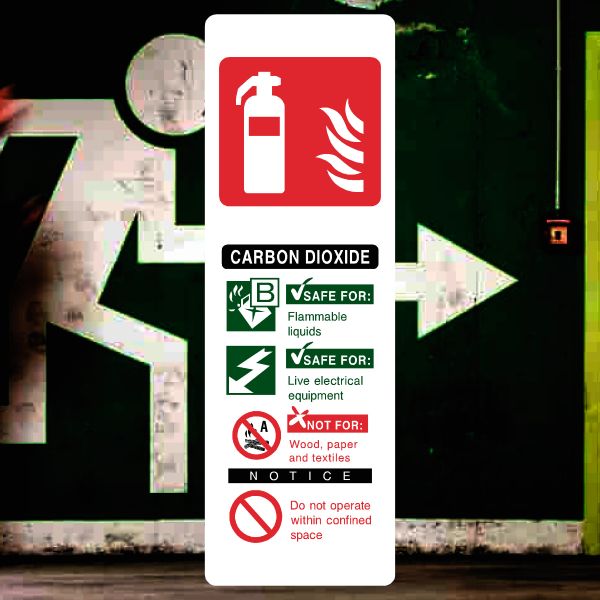
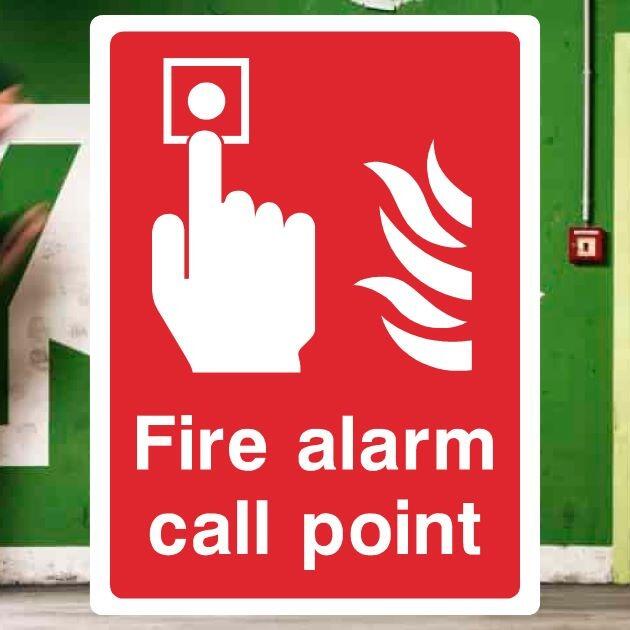
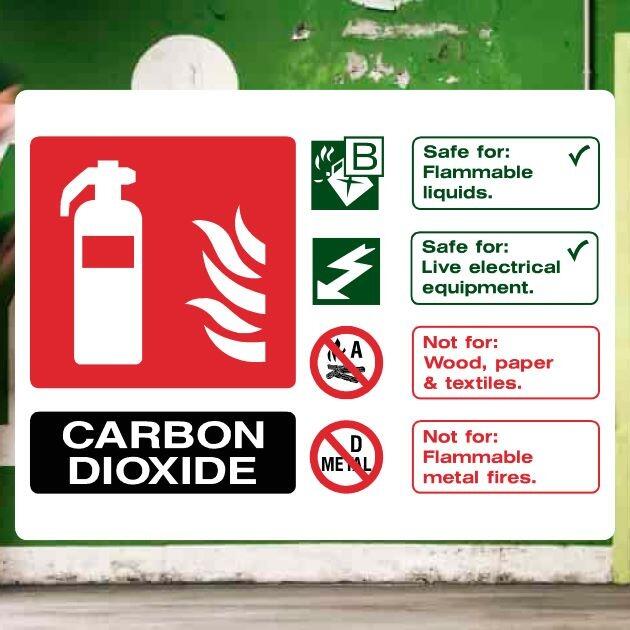
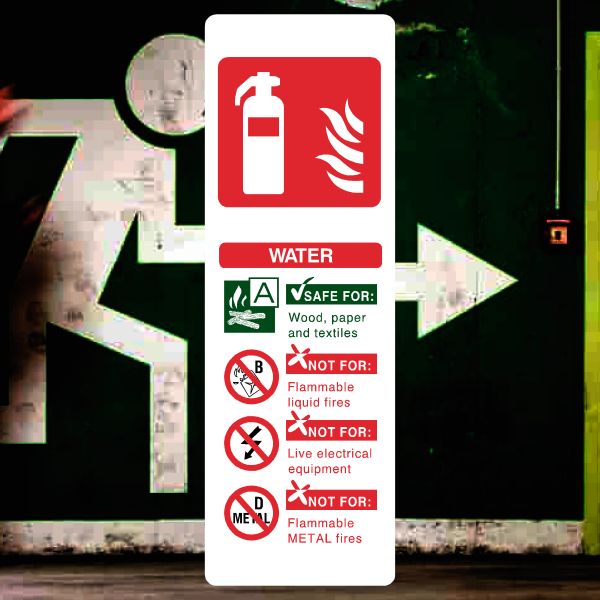
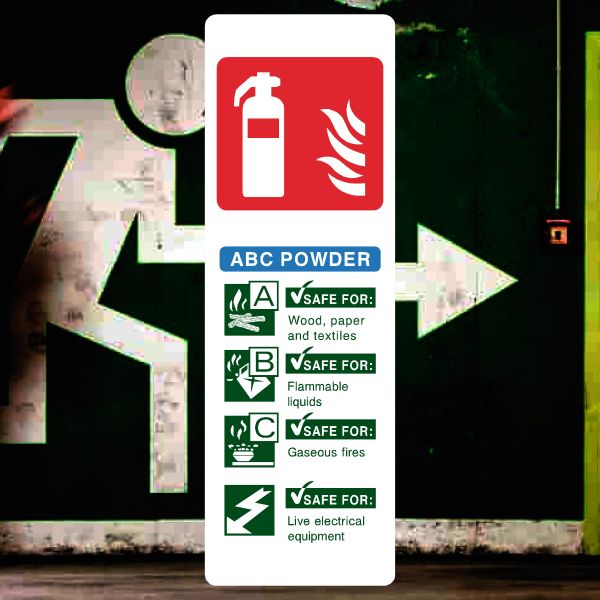
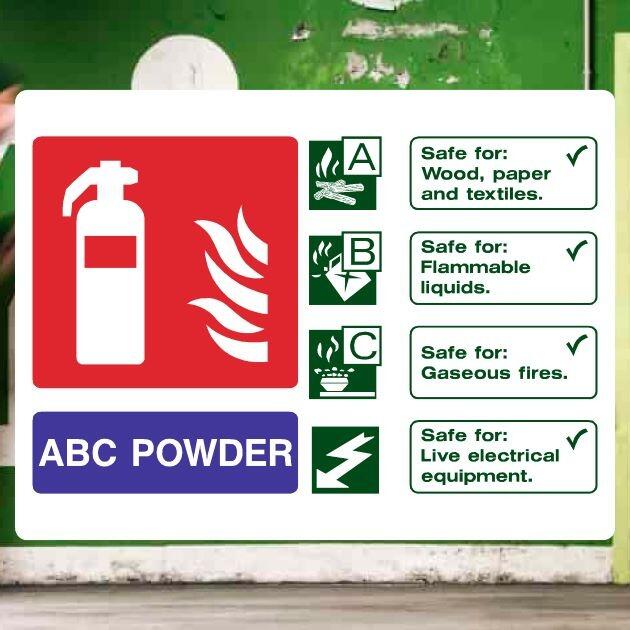
ABC Powder Fire Extinguisher Sign
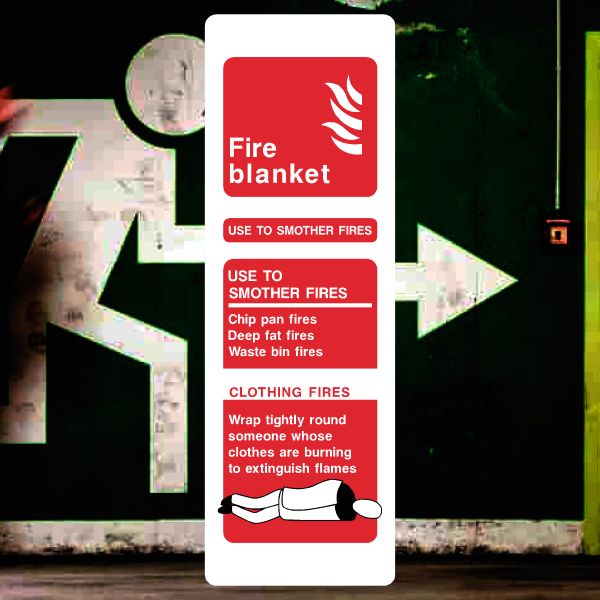
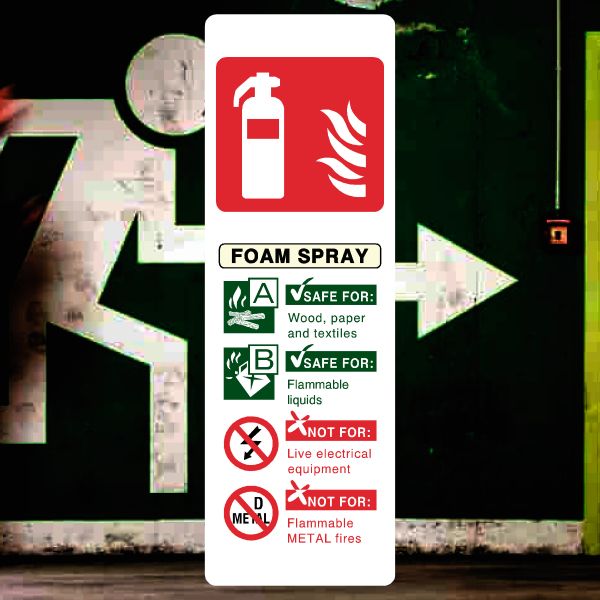
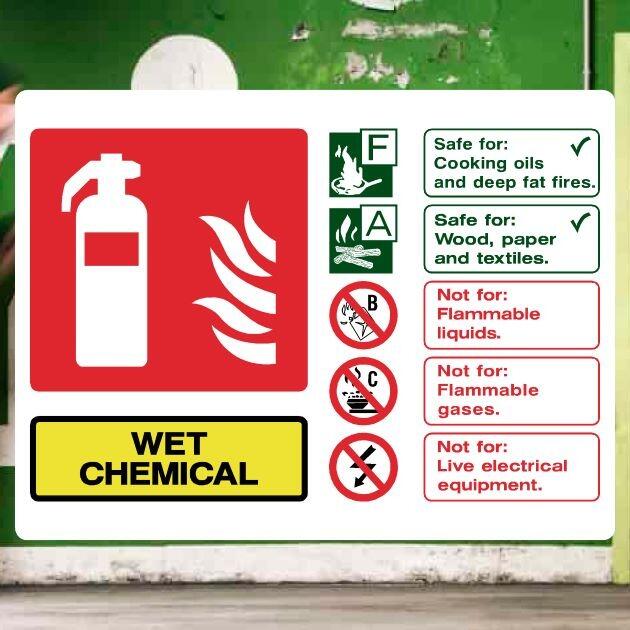
Wet Chemical Extinguisher Sign
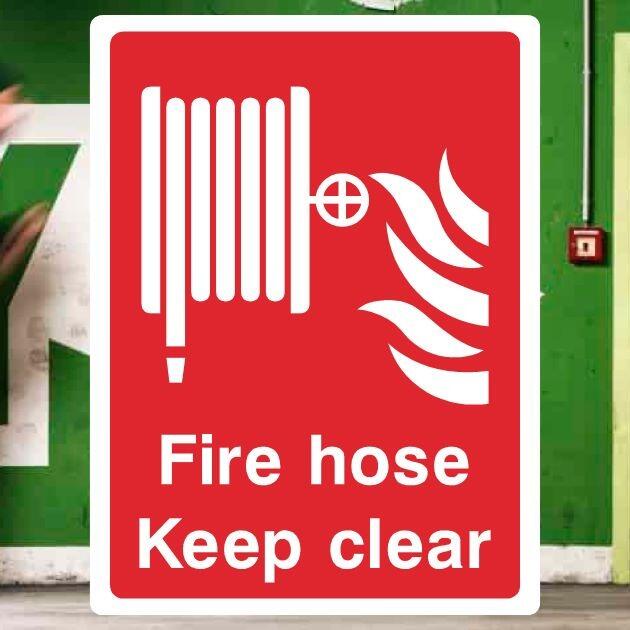
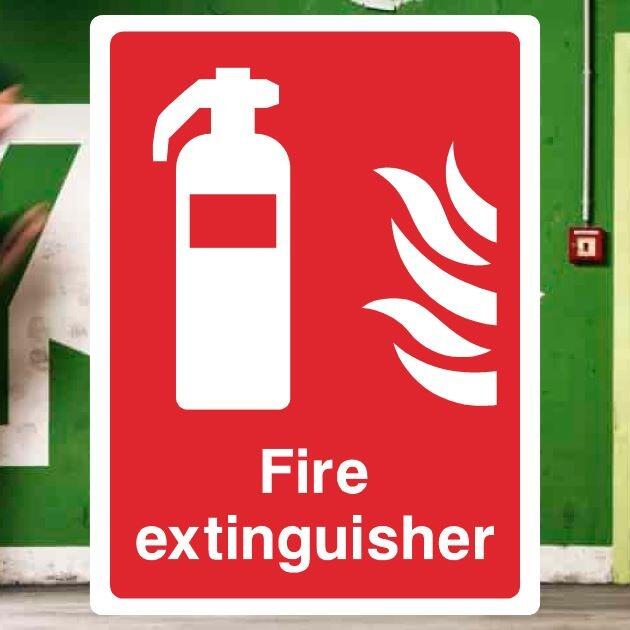
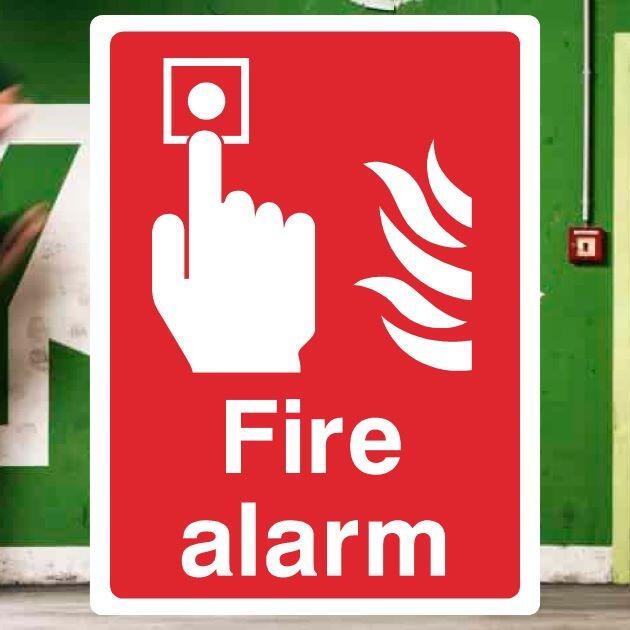
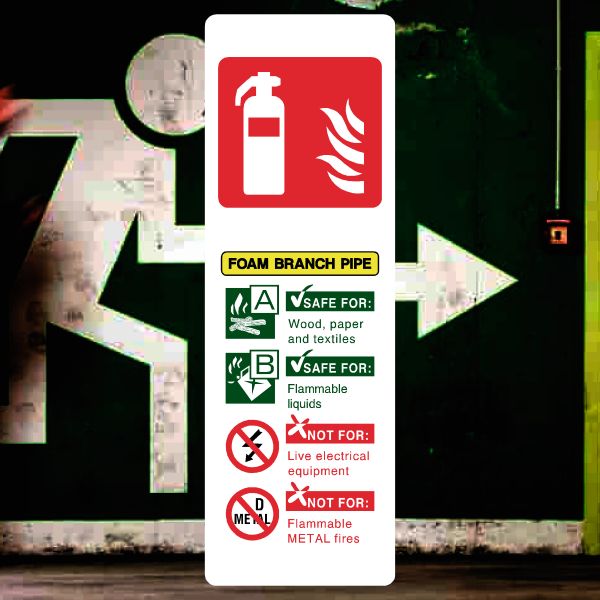
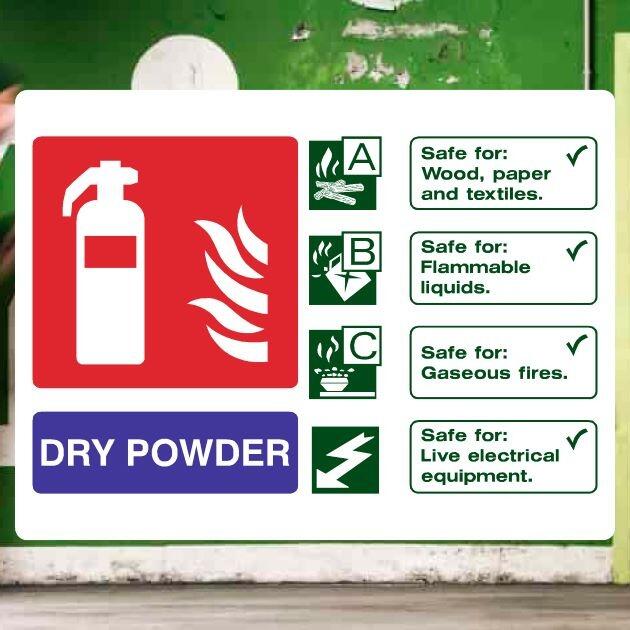
Dry Powder Fire Extinguisher Sign

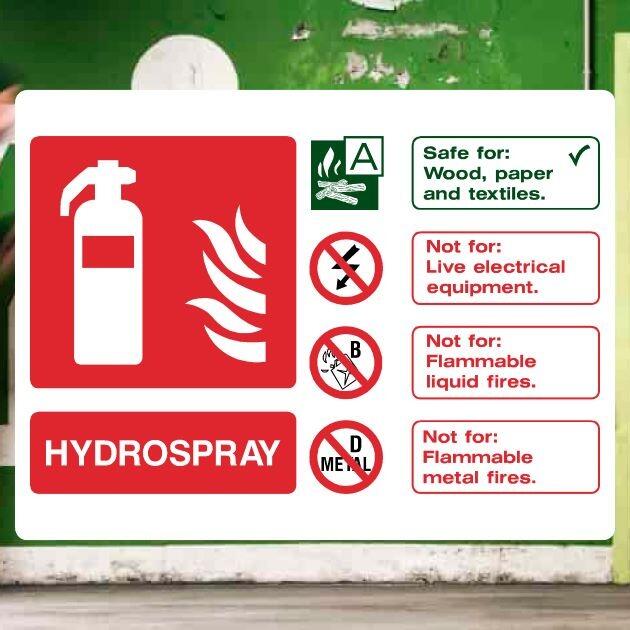
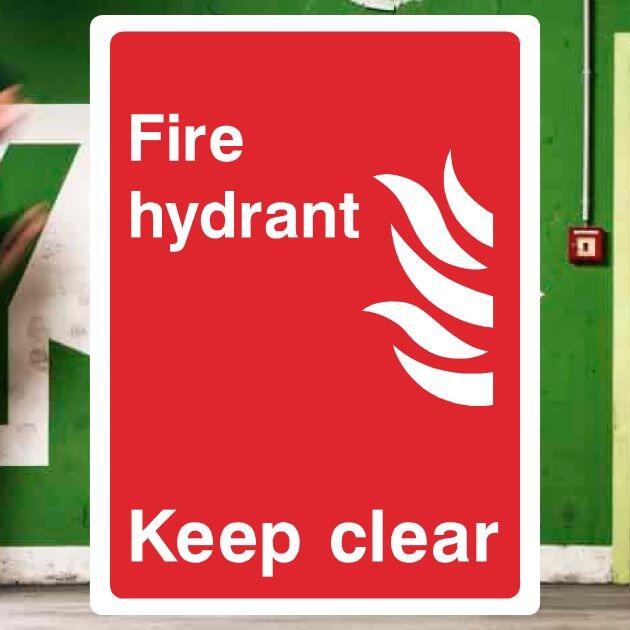

Fire Extinguisher Do Not Remove Sign
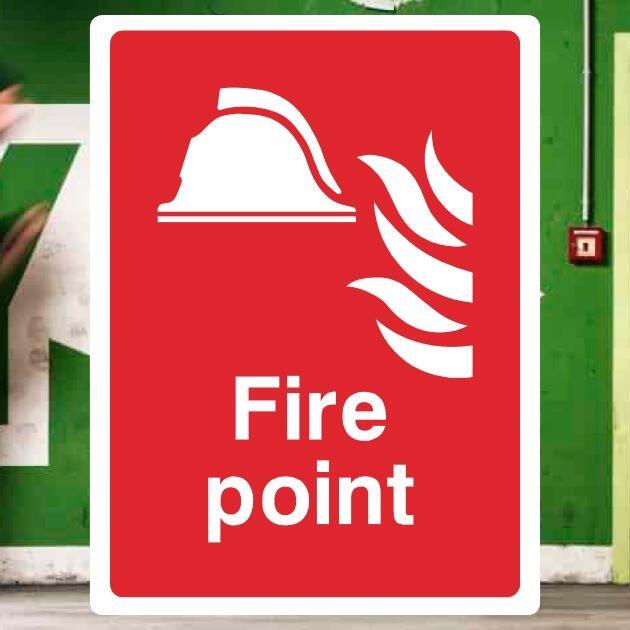
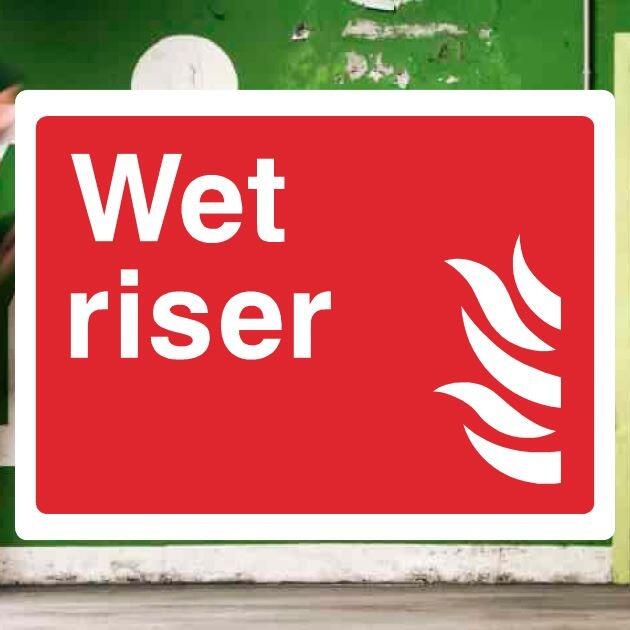

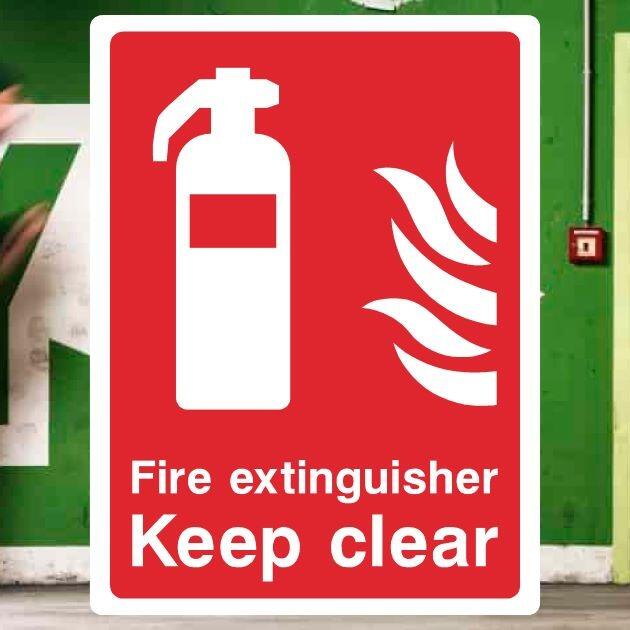
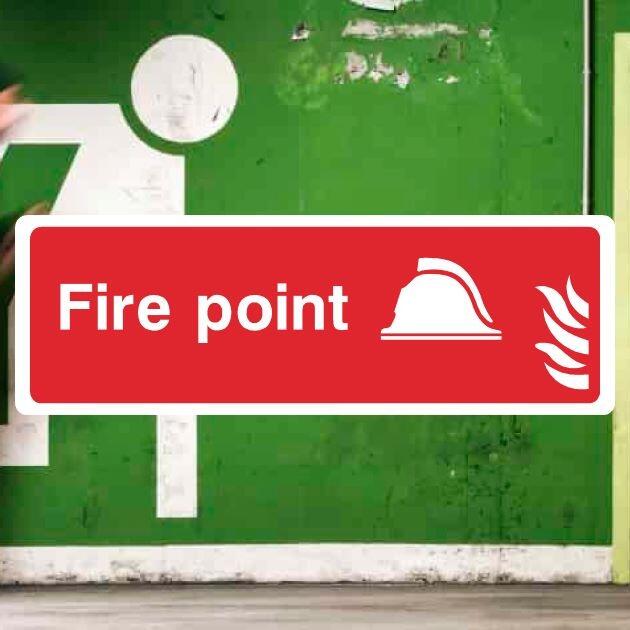
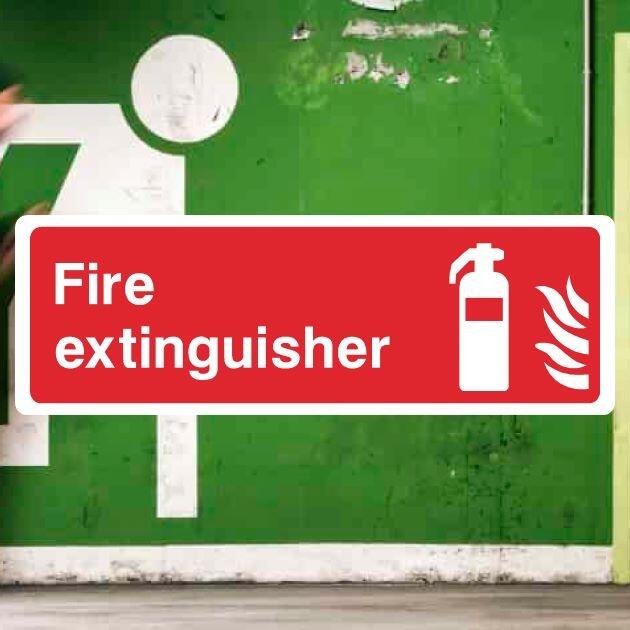
Fire Extinguisher Location Sign
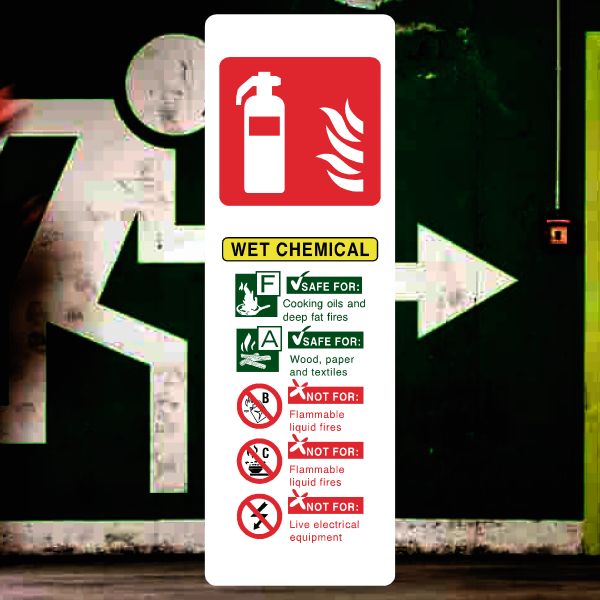
Wet Chemical Extinguisher Sign v2
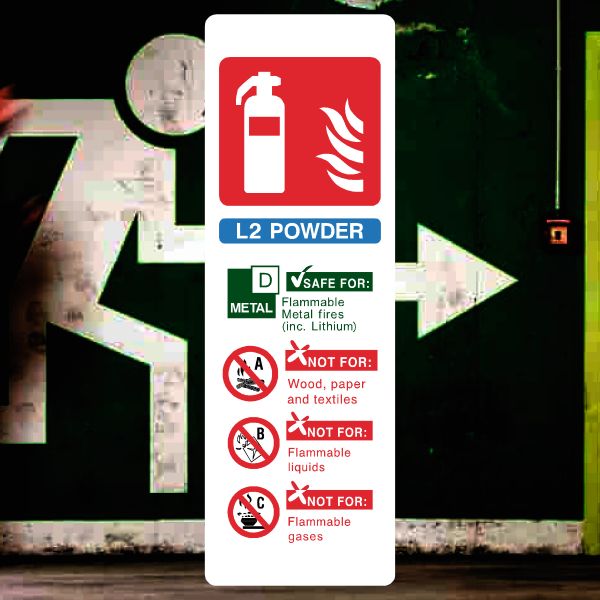
L2 Powder Fire Extinguisher Sign
Fire Extinguisher Signs for UK Workplaces & Businesses
Clear Fire Extinguisher Signs help employees, visitors and other occupants identify the location of firefighting equipment and, depending on the sign, understand the type of extinguisher provided.
Our range includes fire extinguisher location signs and identification signs for water, CO2, foam, powder and wet chemical extinguishers.
Made in Britain, Safety Sheep fire extinguisher signs are available in a choice of sizes and materials for offices, warehouses, factories, shops, schools, hospitality premises and other workplaces.
What Is a Fire Extinguisher Sign?
A fire extinguisher sign is used to help identify the location or type of fire extinguisher.
Depending on its design, a sign may:
- Identify an extinguisher location
- Help make an extinguisher easier to find
- Identify the extinguisher type
- Provide information about appropriate uses
- Provide warnings about unsuitable uses
- Direct people towards firefighting equipment
The appropriate sign should correspond with the equipment actually installed at that location.
Are Fire Extinguisher Signs Required?
Fire extinguisher signs are not automatically required above every extinguisher in every workplace.
Safety signage should be provided where necessary, based on the risks and circumstances of the premises.
Where firefighting equipment is readily apparent and visible at all times, additional identification signage may not be necessary.
Where its location could be unclear, hidden or difficult to identify, appropriate signage can be used to make the equipment easier to locate.
Your fire risk assessment should help determine the appropriate arrangement.
Why Use Fire Extinguisher Signs?
Even where an extinguisher is visible, clear identification signage can make fire points easier to recognise.
This can be particularly useful in:
- Large workplaces
- Warehouses
- Factories
- Long corridors
- Busy commercial environments
- Areas containing several pieces of equipment
- Premises used by visitors or contractors
- Locations where extinguishers are recessed or partially obscured
Employees may know exactly where firefighting equipment is located, while a visitor or new employee may not.
Fire Extinguisher Location Signs
A Fire Extinguisher Location Sign identifies the position of an extinguisher.
These signs normally use the recognised red and white firefighting-equipment format.
They can be positioned so the extinguisher location remains readily identifiable from the normal direction of approach.
Where the extinguisher itself is hidden from direct view, supplementary directional signage may also be appropriate.
Fire Extinguisher ID Signs
Fire extinguisher identification signs can provide additional information about the extinguisher installed beneath or beside them.
Depending on the sign design, this can include:
- Extinguisher type
- Extinguishing medium
- Suitable applications
- Important warnings
Make sure the identification sign corresponds with the extinguisher actually installed.
If an extinguisher is replaced with a different type, review the sign at the same time.
Water Fire Extinguisher Signs
Water extinguishers are intended for appropriate Class A combustible materials such as paper, wood and textiles.
A water extinguisher identification sign can help people recognise the equipment and understand its intended applications.
It can also communicate important limitations.
The exact information should correspond with the extinguisher and the fire risks for which it has been provided.
CO2 Fire Extinguisher Signs
CO2 extinguishers are commonly provided where electrical equipment is a relevant fire risk and can also be suitable for certain flammable-liquid fires.
A CO2 Fire Extinguisher Sign helps identify the extinguisher and can provide useful information about its application.
Make sure the sign remains matched to the actual extinguisher.
Foam Fire Extinguisher Signs
Foam extinguishers can be suitable for particular Class A and flammable-liquid fire risks, depending on the extinguisher specification.
A foam extinguisher identification sign can help distinguish the equipment from other extinguisher types at the same premises.
Always follow the information and instructions provided with the extinguisher itself.
Powder Fire Extinguisher Signs
Dry powder extinguishers can be suitable for particular fire risks depending on their classification and specification.
Their suitability needs to be assessed carefully, particularly in enclosed workplaces.
A powder extinguisher sign helps identify the equipment but does not determine whether that extinguisher is suitable for a particular location.
Extinguisher selection should be based on the fire risk assessment and competent fire-safety advice where necessary.
Wet Chemical Fire Extinguisher Signs
Wet chemical extinguishers are commonly associated with commercial cooking environments and particular cooking-oil and fat fire risks.
A Wet Chemical Fire Extinguisher Sign can help identify the equipment and distinguish it from other extinguishers installed nearby.
They may be found in commercial kitchens, restaurants, hotels and other catering environments where the relevant fire risks are present.
Where Should Fire Extinguisher Signs Be Positioned?
Where identification signage is used, it should make the extinguisher easy to locate.
A common arrangement is to position the sign above the extinguisher so that it remains visible from the normal direction of approach.
Consider:
- Viewing distance
- Mounting height
- Furniture
- Doors
- Shelving
- Warehouse racking
- Machinery
- Stock
- Other signs
The important consideration is whether somebody can identify the equipment when they need to.
Why Position Extinguisher Signs Above the Equipment?
Positioning the identification sign above the extinguisher creates a clear visual relationship between the sign and the equipment.
It can also help the location remain identifiable when the extinguisher itself is partially obscured.
This is particularly useful in busy environments where people, furniture or temporary items may affect sightlines.
However, there is no benefit in positioning the sign so high that it becomes difficult to see or read.
What If the Fire Extinguisher Is Hidden?
HSE guidance specifically addresses this situation.
Where firefighting equipment is hidden from direct view, its location should be indicated using an appropriate firefighting-equipment sign together with directional arrows where necessary.
This can apply where an extinguisher is:
- Around a corner
- Inside a recess
- Behind a structural feature
- Along a long corridor
- Within a large open workspace
The objective is to make the equipment readily identifiable.
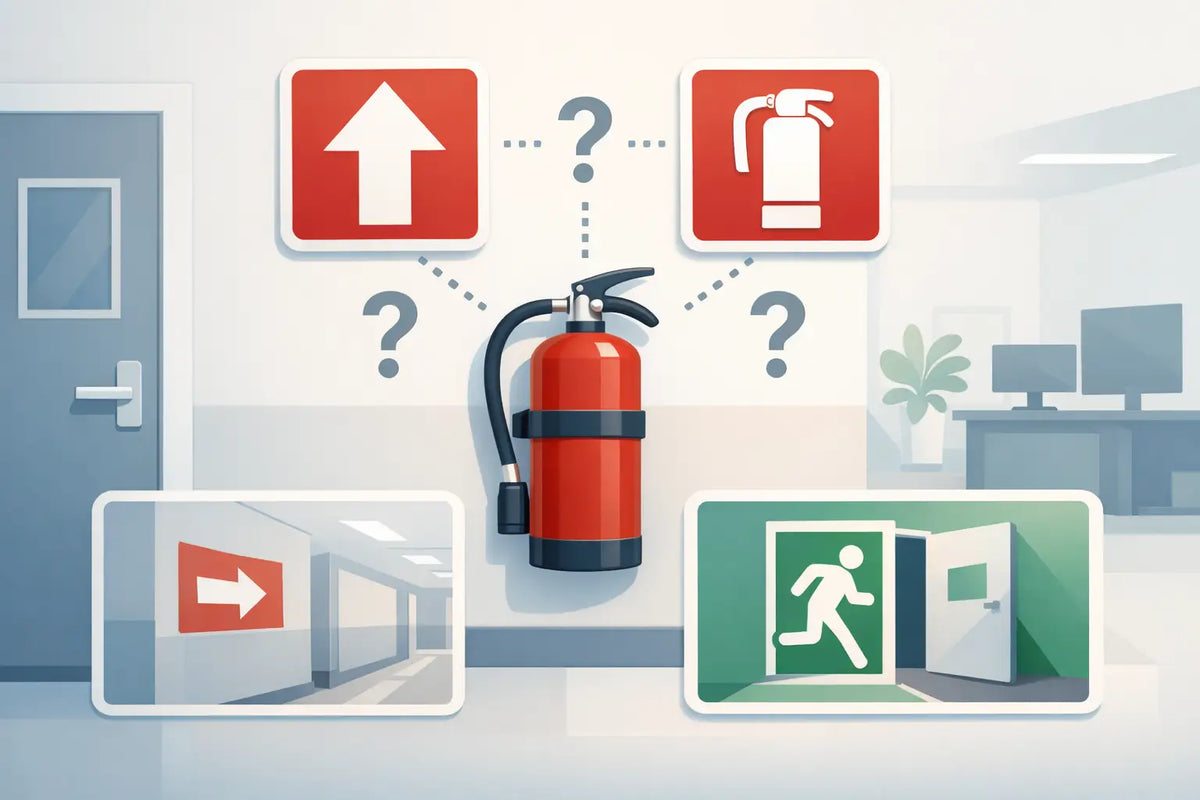
Directional Fire Extinguisher Signs
Directional extinguisher signs can help guide people towards firefighting equipment that cannot be seen directly.
These should use appropriate firefighting-equipment signage rather than being confused with emergency escape signs.
Directional fire-equipment signs normally use the red and white fire-equipment format, while escape-route directional signs use green and white.
Take care that the two directions do not create conflicting instructions.
Fire Extinguisher Signs in Offices
Office fire extinguishers may be located along corridors, near exits or at other appropriate fire points.
Clear signs can make equipment easier to identify, particularly for:
- Visitors
- Contractors
- New employees
- Temporary staff
Check that furniture, noticeboards or open doors do not obscure the sign.
Fire Extinguisher Signs in Warehouses
Warehouses can present additional visibility challenges.
Racking, stock, machinery and long viewing distances can make firefighting equipment difficult to identify.
Consider whether extinguisher signs remain visible:
- Along aisles
- Above stored goods
- From normal travel routes
- After layout changes
Additional directional or projecting signage may be useful where equipment cannot otherwise be identified readily.
Fire Extinguisher Signs in Factories & Workshops
Factories and workshops can contain several extinguisher types selected for different fire risks.
Clear identification can help distinguish between equipment provided for different areas.
Make sure signs remain consistent with the extinguishers installed, particularly after equipment servicing, replacement or relocation.
Fire Extinguisher Signs in Commercial Kitchens
Commercial kitchens can contain several different fire risks.
Where wet chemical, CO2 or other extinguishers are provided, identification signs can help distinguish between the equipment.
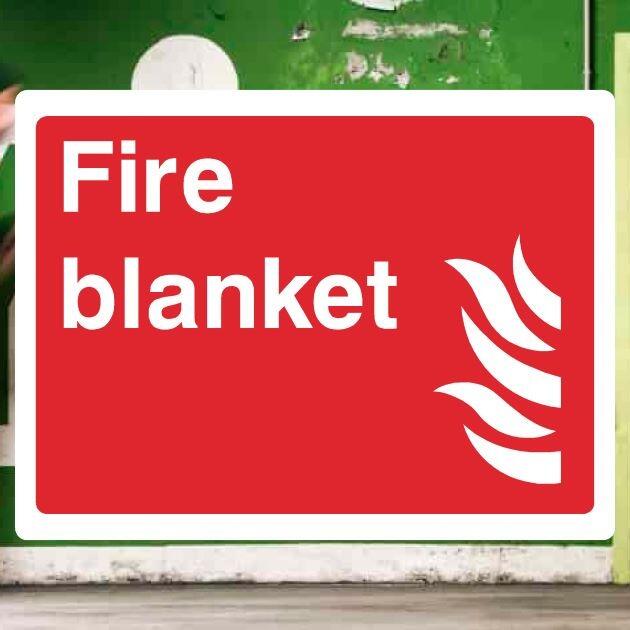
Fire blankets may also be provided where appropriate.
Do not rely on signs alone to determine which equipment employees should use. Staff who may be expected to use firefighting equipment should receive appropriate information and training.
Fire Extinguisher Signs in Schools
Schools, colleges and educational premises can contain extinguishers throughout classrooms, corridors, laboratories, kitchens and other areas.
Clear identification can help staff and other building users locate equipment.
The appropriate extinguishers and their locations should be determined through the premises' fire-safety arrangements rather than by signage alone.
Fire Extinguisher Signs & Staff Training
A sign helps identify firefighting equipment.
It does not train somebody to use it safely.
Employees who may be expected to use firefighting equipment need appropriate information and training.
People should not be encouraged to put themselves at unnecessary risk attempting to fight a fire.
Evacuation and personal safety remain the priority.
Fire Extinguisher Sign Colours
Signs identifying firefighting equipment use the familiar red and white format.
HSE guidance specifies red for identifying firefighting equipment.
This helps distinguish fire-equipment signage from other categories such as:
- Green emergency escape signs
- Blue mandatory signs
- Yellow warning signs
- Red prohibition signs
Consistent colours and symbols make safety information easier to recognise.
Fire Extinguisher Signs & BS EN ISO 7010
BS EN ISO 7010 provides standardised graphical safety symbols, including symbols used to identify firefighting equipment.
Using recognised graphical symbols helps provide consistent safety communication.
However, ISO 7010 is a standard rather than UK legislation itself.
A sign using a recognised symbol does not by itself make a workplace or fire-safety arrangement legally compliant.
The correct equipment, positioning, maintenance, risk assessment and wider fire precautions remain important.
Do Fire Extinguisher Signs Need Text?
Safety signs use graphical symbols to communicate their primary message.
Text can be added to make the meaning clearer.
For example, a sign might combine the recognised extinguisher pictogram with the words:
Fire Extinguisher
Identification signs for particular extinguisher types may contain additional written information.
The message should remain clear and easy to understand.
Photoluminescent Fire Extinguisher Signs
Photoluminescent, or glow-in-the-dark, extinguisher signs absorb light and remain visible for a period when surrounding illumination is reduced.
They can provide additional visual identification of firefighting equipment in low-light conditions.
Whether photoluminescent signage is appropriate depends on the premises and its wider fire-safety arrangements.
Photoluminescent signs should not automatically be treated as a substitute for emergency lighting where emergency lighting is required.
Fire Extinguisher Signs Don't Replace Fire Extinguisher Maintenance
A clearly marked extinguisher still needs to be correctly maintained.
Include extinguisher locations within routine fire-safety checks.
Look for issues such as:
- Missing equipment
- Obstruction
- Damage
- Incorrect positioning
- Missing or damaged signs
- A sign that no longer matches the extinguisher
- Poor visibility
Any required extinguisher servicing and maintenance should be carried out appropriately.
Keep Fire Extinguishers Accessible
A sign identifying an extinguisher is of little use if people cannot reach the equipment.
Do not allow extinguisher points to become blocked by:
- Furniture
- Stock
- Pallets
- Bins
- Boxes
- Equipment
- Temporary displays
Good housekeeping should support the signage.
Review Signs When Extinguishers Change
Fire extinguishers can be replaced, relocated or changed following a fire-risk review.
Whenever this happens, check the signage too.
For example, if a particular extinguisher type is replaced by another, an old identification sign left above it could provide misleading information.
Treat the extinguisher and its identification signage as one fire point when carrying out changes.
Common Fire Extinguisher Sign Mistakes
Using the Wrong ID Sign
The sign should correspond with the extinguisher actually installed.
Putting the Sign Where It Can't Be Seen
Consider the normal approach direction and potential obstructions.
Assuming Every Extinguisher Automatically Needs an Additional Sign
Assess whether identification signage is necessary according to visibility, the premises and the fire risk assessment.
Hiding Extinguishers Behind Stock
A sign does not compensate for inaccessible firefighting equipment.
Using the Wrong Directional Sign
Firefighting-equipment directions should not be confused with emergency escape directions.
Leaving Old Signs After Equipment Changes
Update identification signs when extinguisher types or locations change.
Assuming the Sign Teaches People How to Fight a Fire
Appropriate staff information and training are separate considerations.
Treating an ISO-Style Sign as Proof of Legal Compliance
The sign is only one part of the wider fire-safety arrangements.
Fire Extinguisher Sign Checklist
When reviewing your extinguisher signage, ask:
- Are the extinguishers in the locations identified by the fire risk assessment?
- Are they readily visible?
- Is additional identification signage necessary?
- Can each extinguisher be located from the normal approach direction?
- Are hidden extinguisher locations appropriately indicated?
- Does each ID sign match the extinguisher beneath it?
- Are signs clearly visible and legible?
- Are extinguishers unobstructed and accessible?
- Have directional signs been used where necessary?
- Could fire-equipment arrows be confused with escape-route arrows?
- Have signs been updated following equipment changes?
- Are employees who may need to use firefighting equipment appropriately informed and trained?
- Are signs included in routine fire-safety inspections?
If you're uncertain about the extinguisher provision required for your premises, refer to your fire risk assessment and seek competent fire-safety advice where appropriate.
Made in Britain Fire Extinguisher Signs
Safety Sheep offers a range of Fire Extinguisher Signs for UK workplaces, businesses and managed premises.
Choose from fire extinguisher location signs and identification signs for water, CO2, foam, powder and wet chemical extinguishers in a range of sizes and durable materials, including selected photoluminescent options.
Choose signage that matches the equipment installed and makes firefighting equipment clear and easy to identify.
Fire Extinguisher Signs FAQs
What is a Fire Extinguisher Sign?
A Fire Extinguisher Sign helps identify the location or type of fire extinguisher.
Some signs simply identify the equipment, while others provide additional information about the extinguisher type and its intended applications.
Are Fire Extinguisher Signs a legal requirement in the UK?
Not every extinguisher automatically requires a separate sign.
Where firefighting equipment is readily apparent and visible at all times, additional signage may not be necessary. Where its location is unclear or hidden, appropriate identification signage may be required.
The fire risk assessment should determine the appropriate arrangements.
Where should Fire Extinguisher Signs be positioned?
Where used, extinguisher identification signs are commonly positioned above or close to the equipment where they remain clearly visible.
Consider the viewing direction, mounting height and possible obstructions.
Does every Fire Extinguisher need a sign above it?
Not necessarily.
Government fire-safety guidance says signs may not be necessary where firefighting equipment is readily apparent and visible at all times.
What colour is a Fire Extinguisher Sign?
Firefighting-equipment signs use a red background with a white pictogram.
This helps distinguish them from other categories of safety signage.
What is a Fire Extinguisher ID Sign?
An extinguisher ID sign identifies the type of extinguisher and can provide information about its appropriate applications and important restrictions.
The sign should always correspond with the extinguisher installed.
What sign do I need for a CO2 Fire Extinguisher?
Choose a CO2 extinguisher identification sign that corresponds with the equipment installed and clearly identifies it as a CO2 extinguisher.
What if a Fire Extinguisher is hidden from view?
Where firefighting equipment is hidden from direct view, HSE guidance says its location should be indicated using the appropriate firefighting-equipment sign and directional arrows where necessary.
Do Fire Extinguisher Signs need to be photoluminescent?
Not automatically.
Whether photoluminescent signage is appropriate depends on the premises and its wider fire-safety arrangements.
Do Fire Extinguisher Signs have to comply with ISO 7010?
BS EN ISO 7010 provides recognised graphical safety symbols, including symbols for firefighting equipment.
However, ISO 7010 is a standard rather than legislation itself, and the wider suitability of the fire-safety arrangements depends on more than the sign alone.
Should Fire Extinguisher Signs be checked?
Yes.
Check that signs remain visible, legible, undamaged and matched to the equipment installed. Review them whenever extinguishers are relocated or replaced.
From The Safety Sheep Blog