



The Safety Sheep Blog



Construction Site Keep Out Sign v2
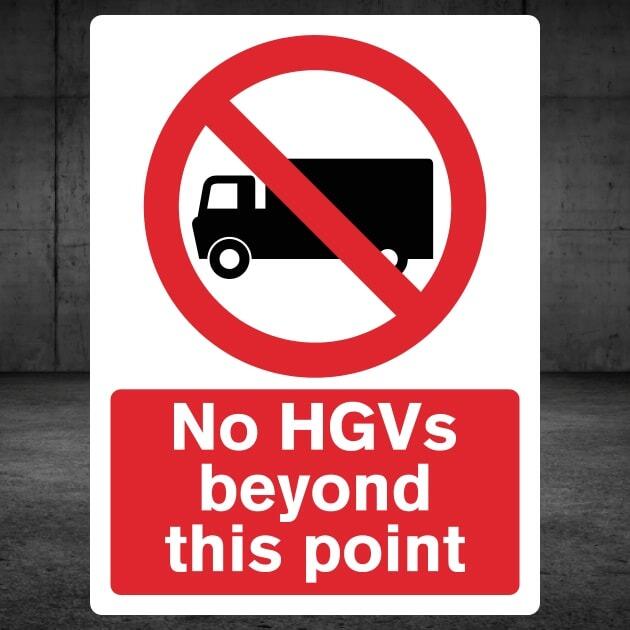
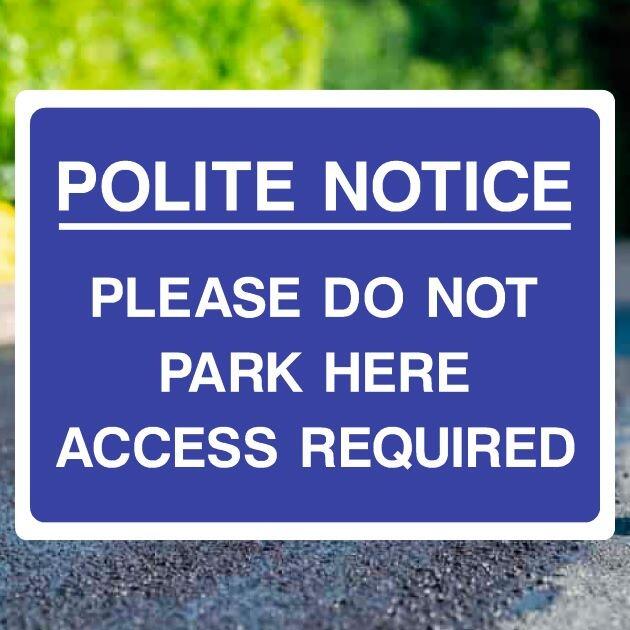
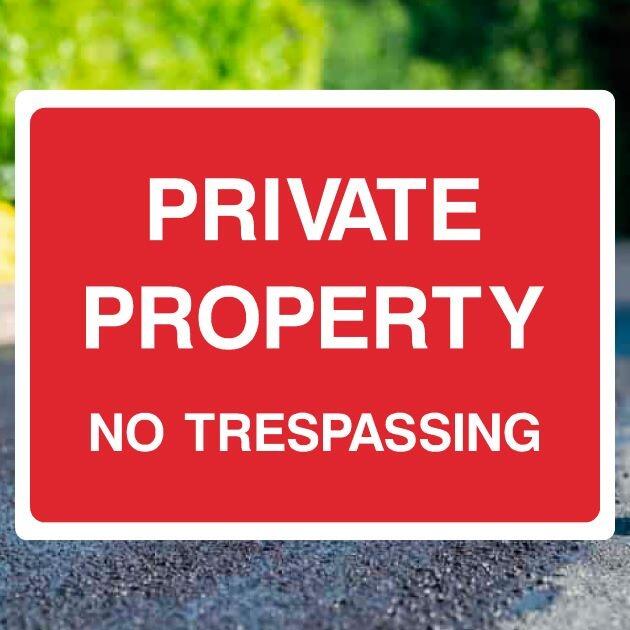
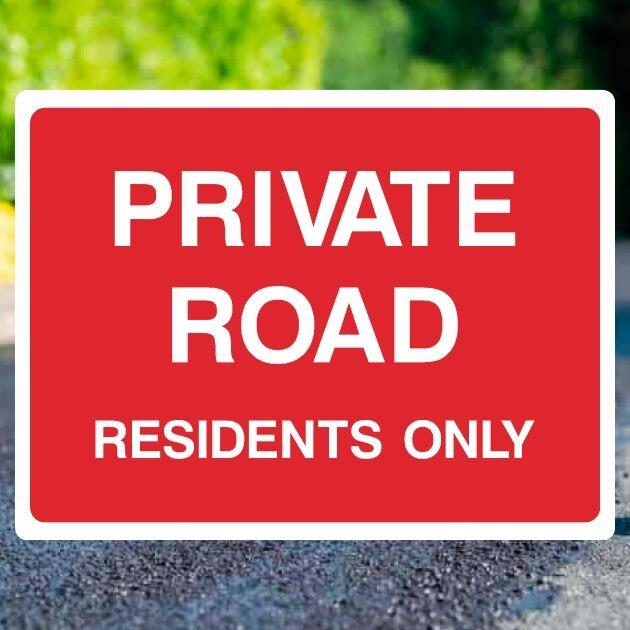
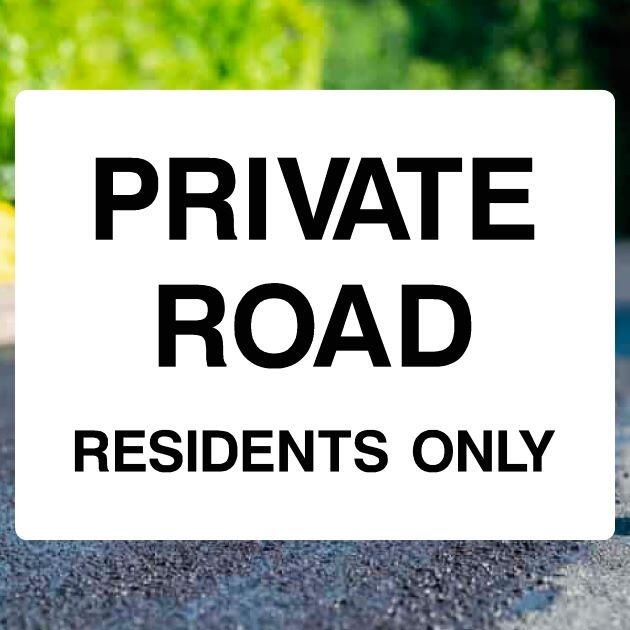
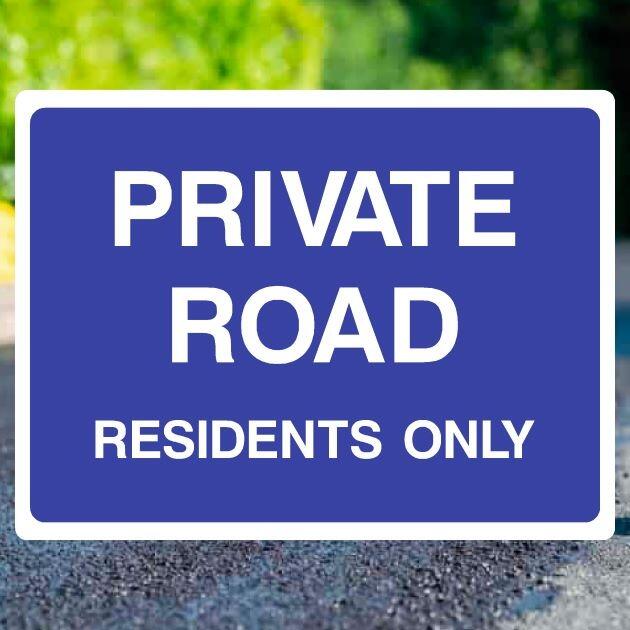
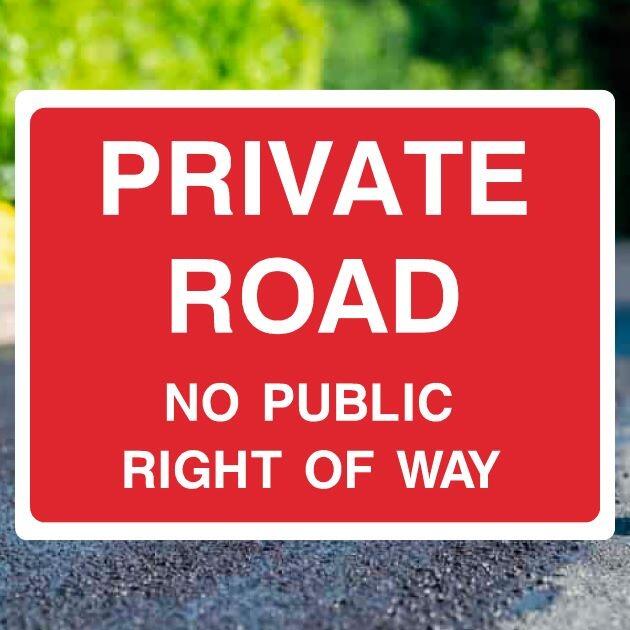

Construction Site Keep Out Sign
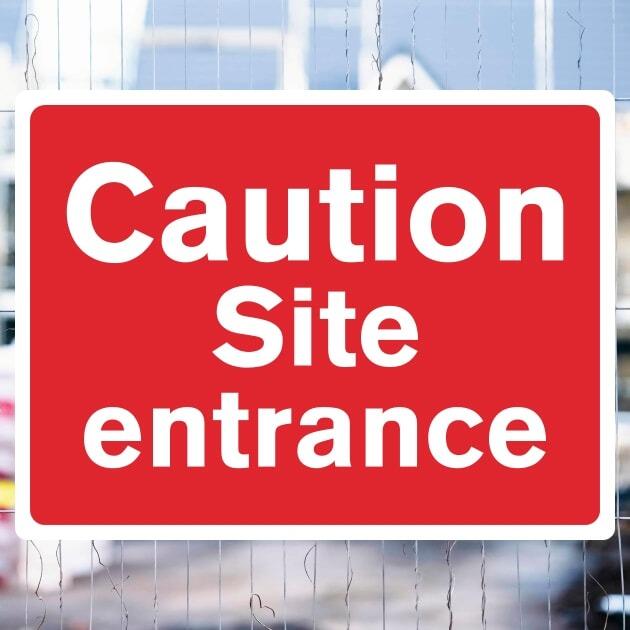
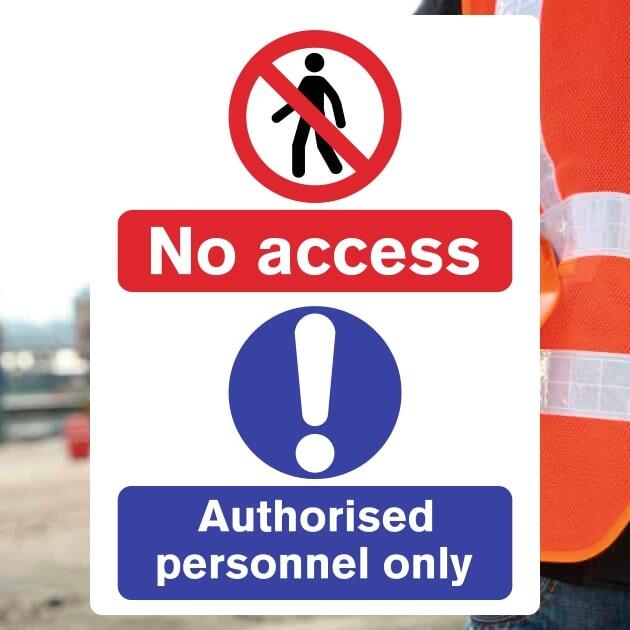

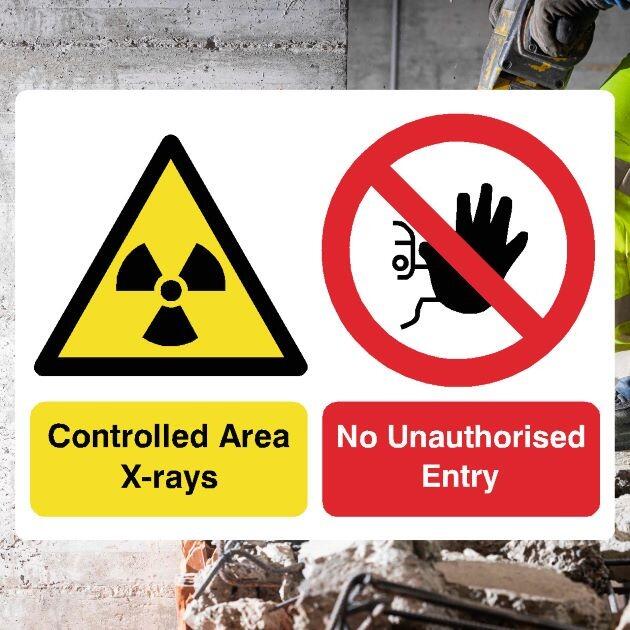
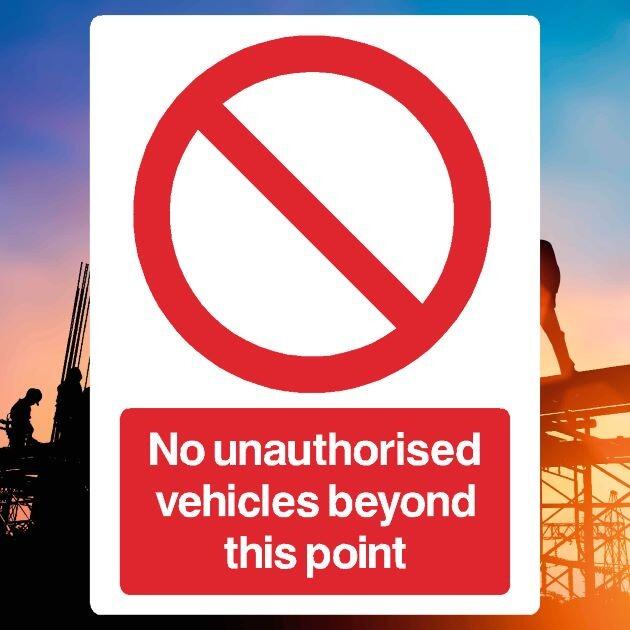
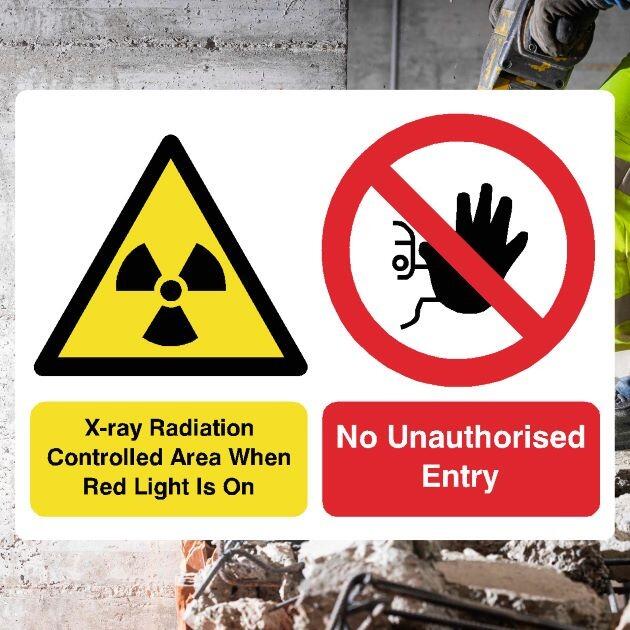

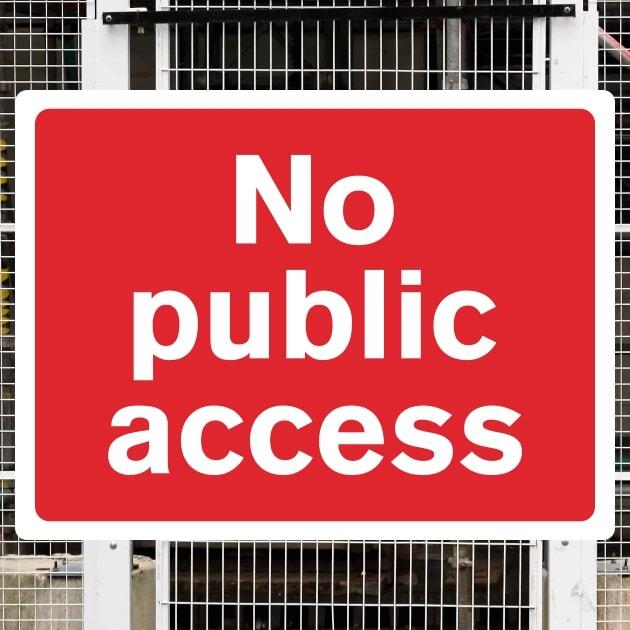
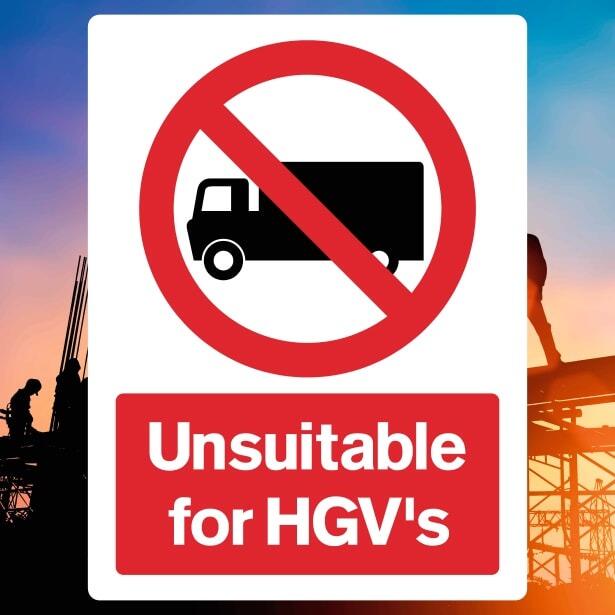
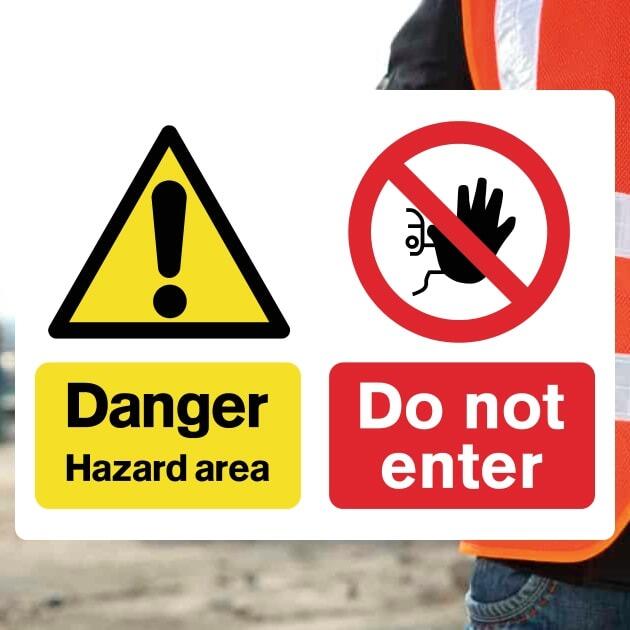
Hazardous Area Do Not Enter Sign v2
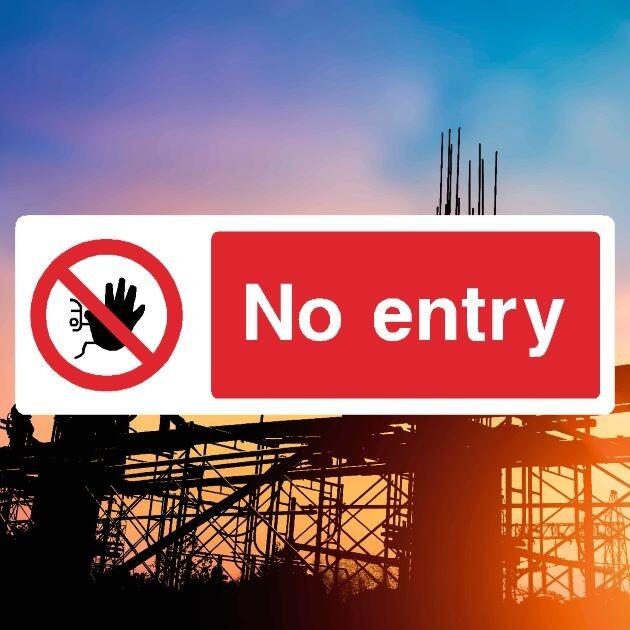
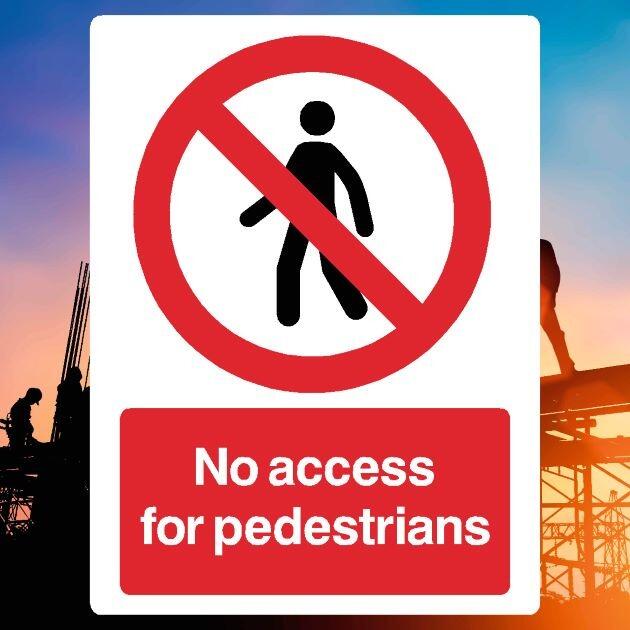
No Access For Pedestrians Sign
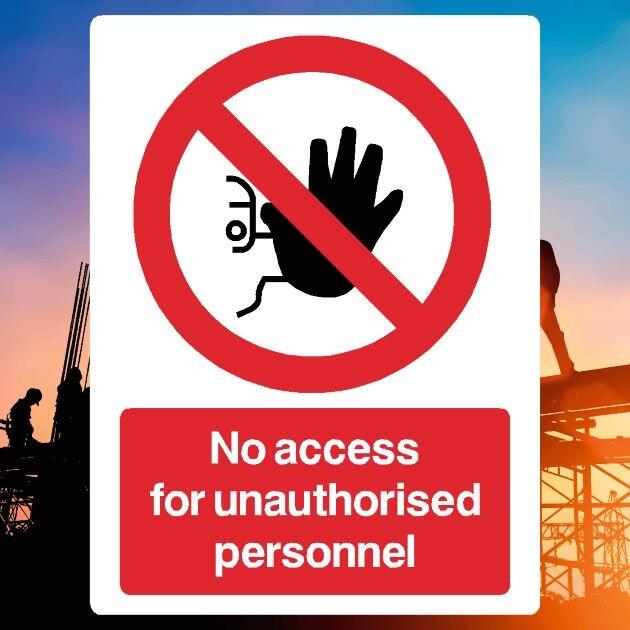

Confined Space No Entry Sign v2
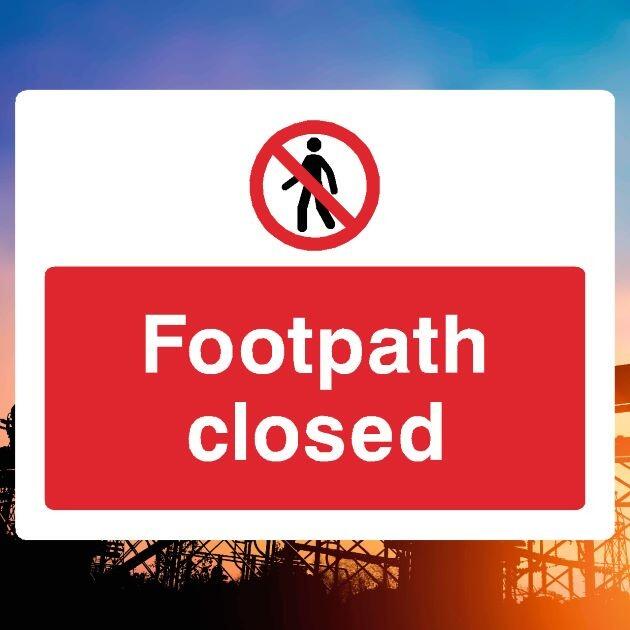


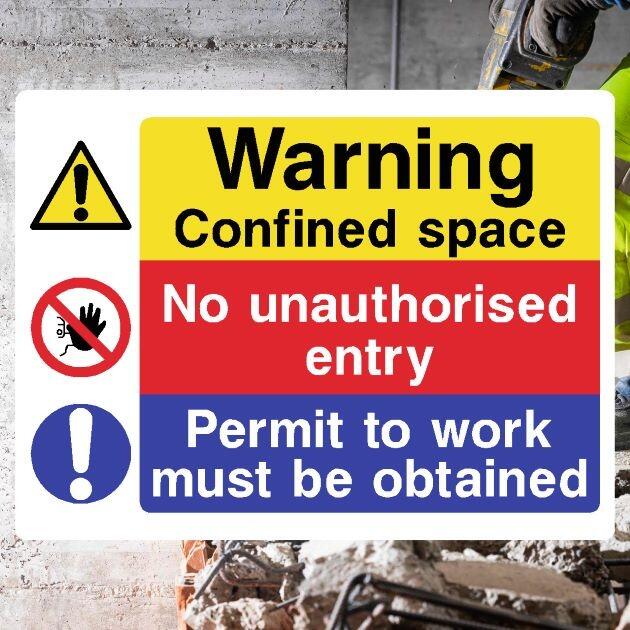
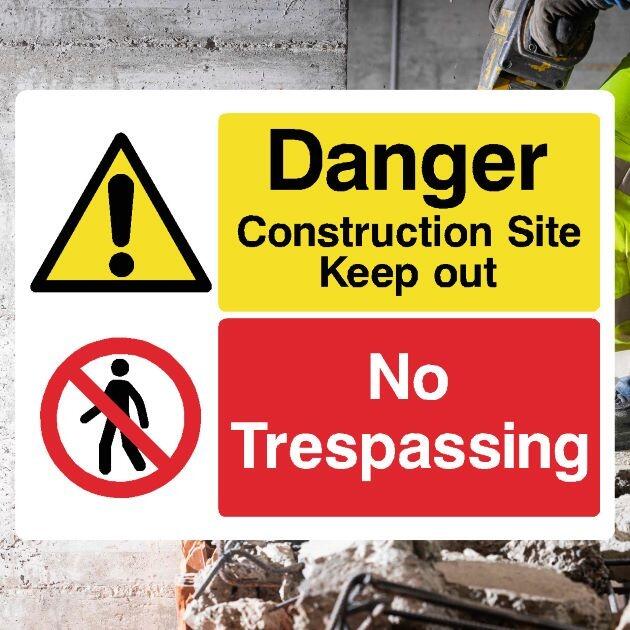
Construction Site Trespass Sign
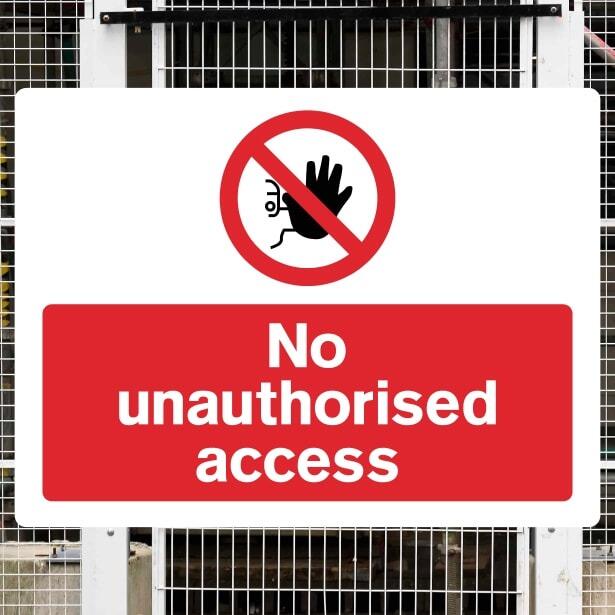
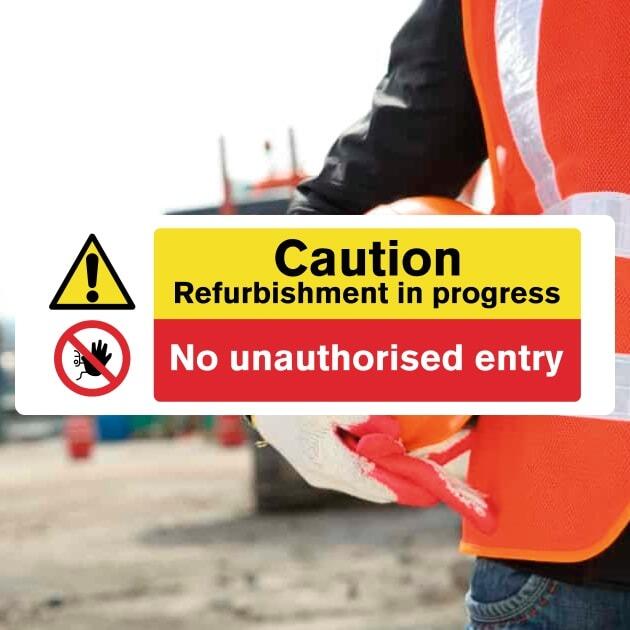
Refurbishment In Progress Sign
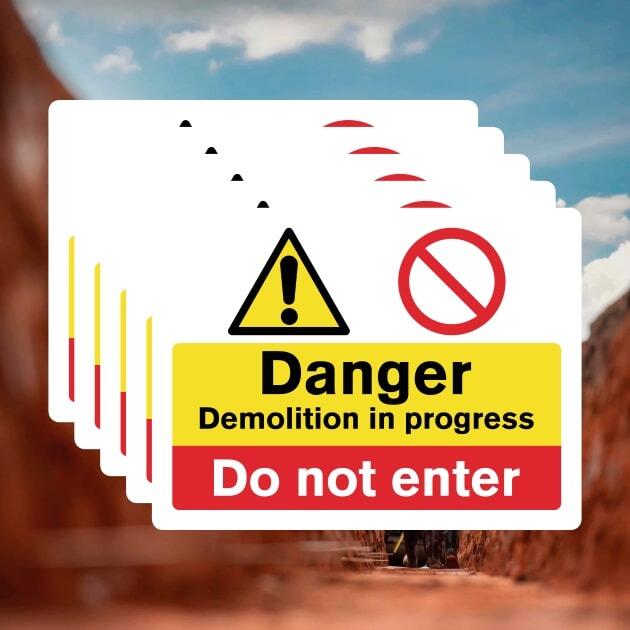
Demolition No Entry Sign 5 Pack

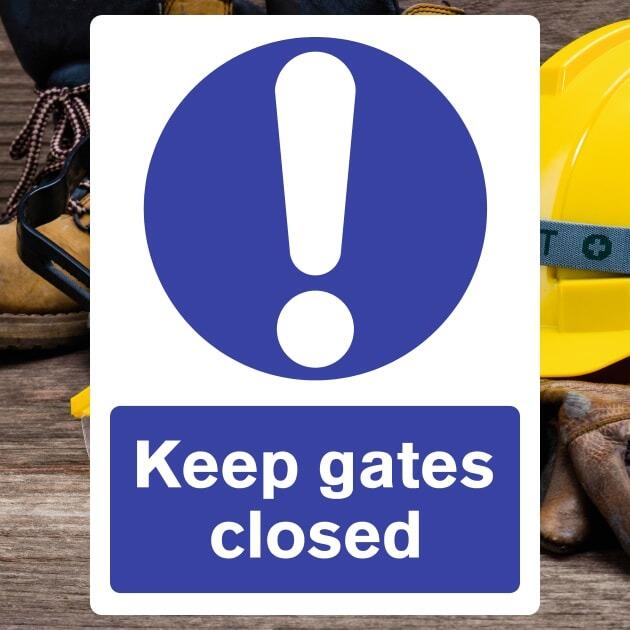
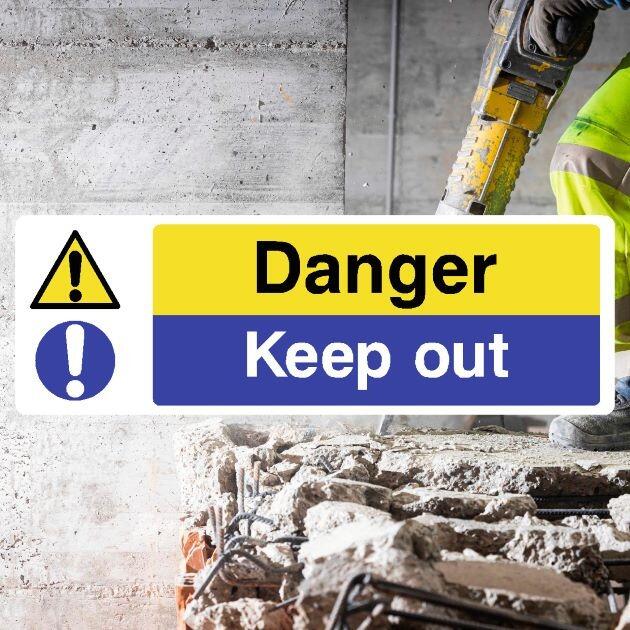
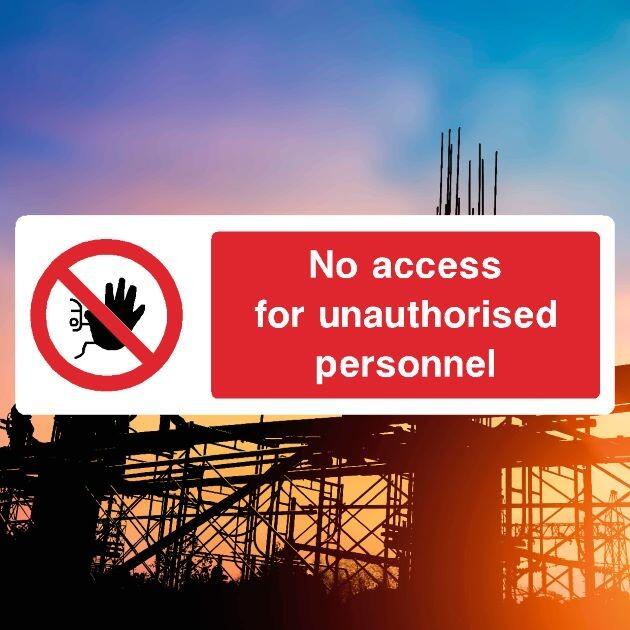

Do Not Climb On Racking Sign v2
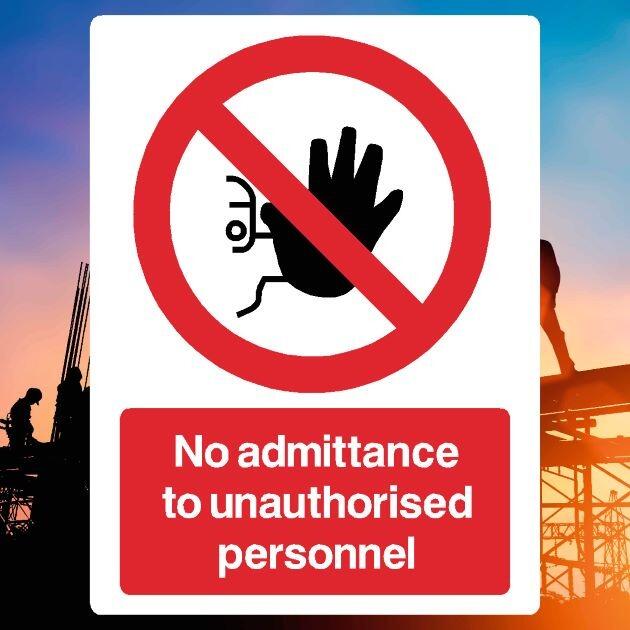
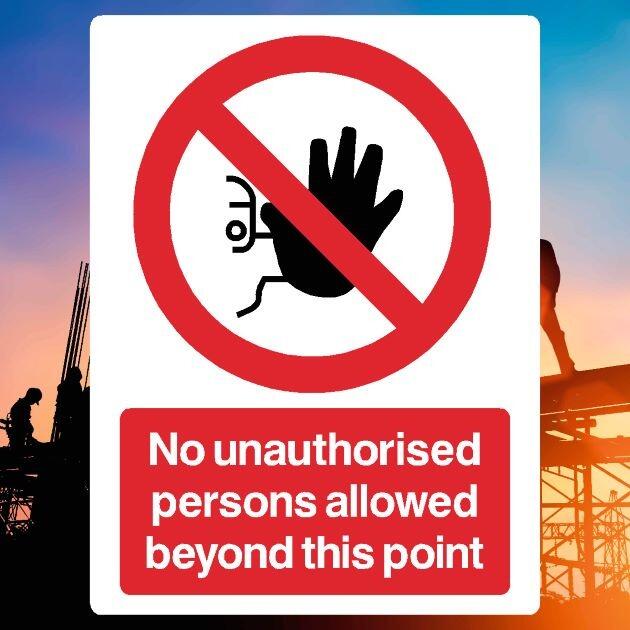
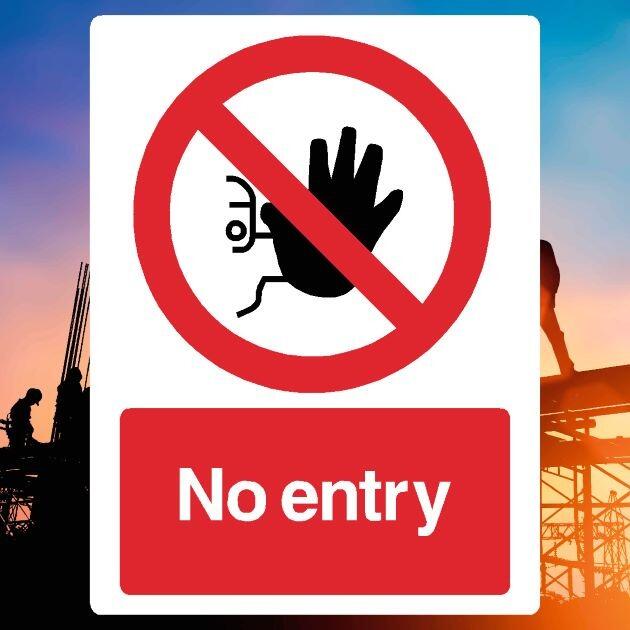
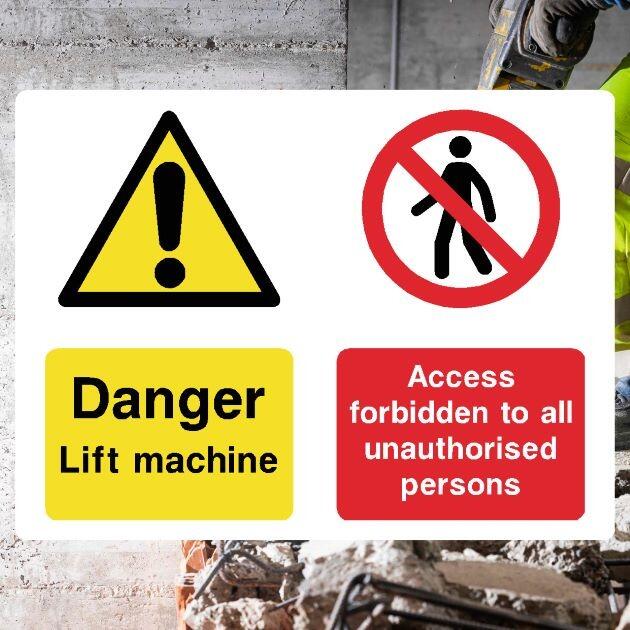
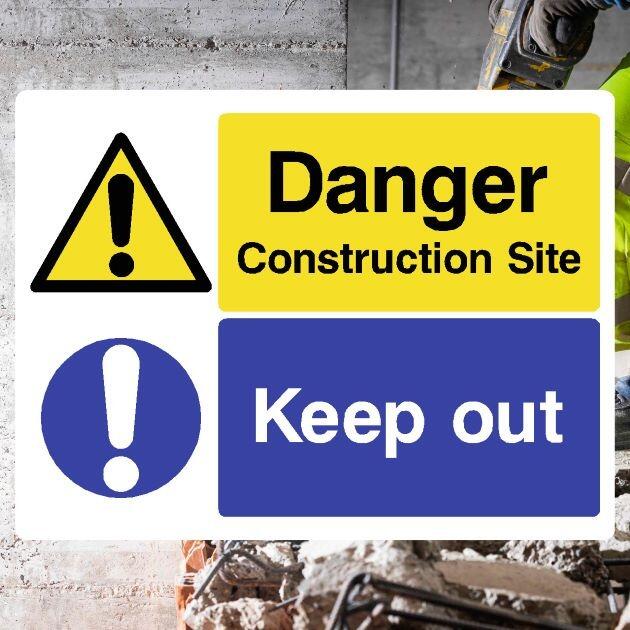
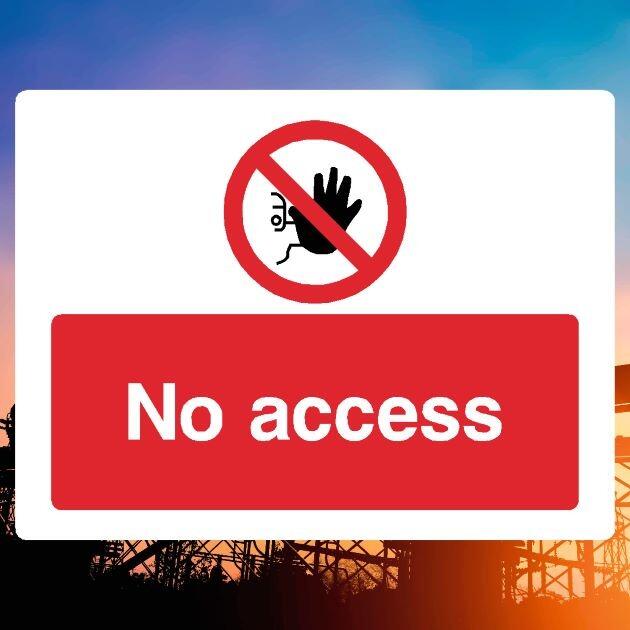
No Entry Signs provide a clear way to tell employees, visitors, contractors and members of the public that access to a particular area, entrance or route is restricted.
From a simple No Entry sign on a workplace door to Keep Out signs around a construction site or No Pedestrian signs beside a vehicle route, choosing the right message helps people understand where they must not go before they enter a restricted or potentially hazardous area.
Our range covers workplaces, construction sites, warehouses, factories, schools, offices, farms, industrial premises and private property.
No Entry signs are used to communicate that people, vehicles or particular groups must not enter an area or use a route.
The exact wording matters because not every access restriction means the same thing.
For example:
No Entry – gives a direct instruction not to enter.
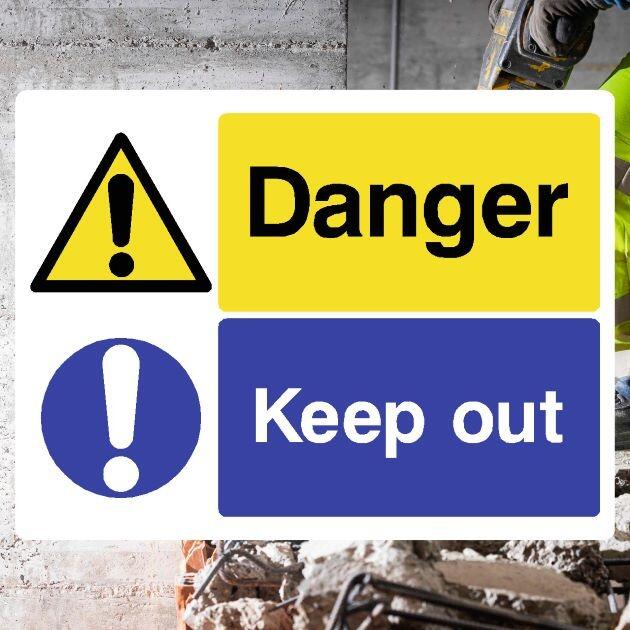
Keep Out – commonly used where people need to remain outside a site or hazardous area.
No Access – indicates that a particular entrance, route or area isn't available for access.
No Unauthorised Access – restricts entry to people who have permission to enter.
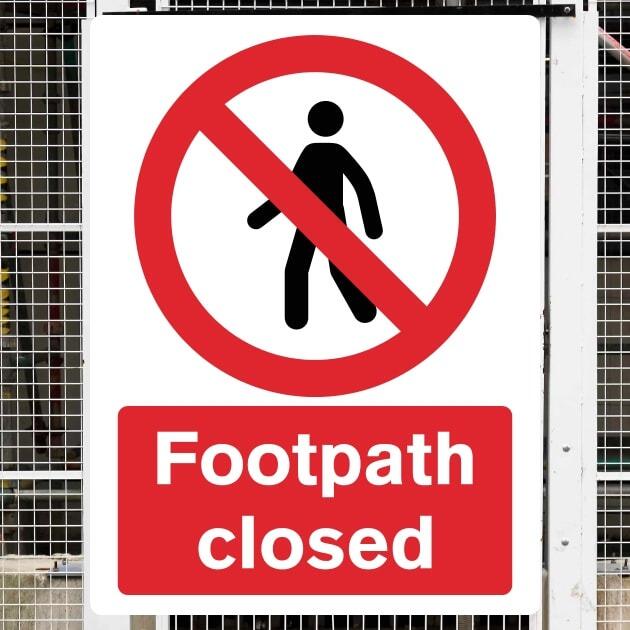
No Pedestrians – prevents pedestrians using a particular route or entering an area.
No Vehicles – prevents vehicles entering a particular route or area.
Choosing the message that accurately describes the restriction makes the sign easier to understand.
Keep Out signs provide a strong, easily understood access-control message.
They're commonly used around construction sites, hazardous work areas, plant areas, industrial premises and other locations where people need to remain outside a defined boundary.
Choose wording appropriate to the actual situation rather than using a general Keep Out message where a more specific instruction would be clearer.
No Access signs are suitable where an entrance, route or area isn't available for general use.
They can be used on workplace doors, service areas, industrial premises, construction sites and other controlled locations.
Where some people are permitted to enter, a No Unauthorised Access or Authorised Personnel Only message may be more appropriate.
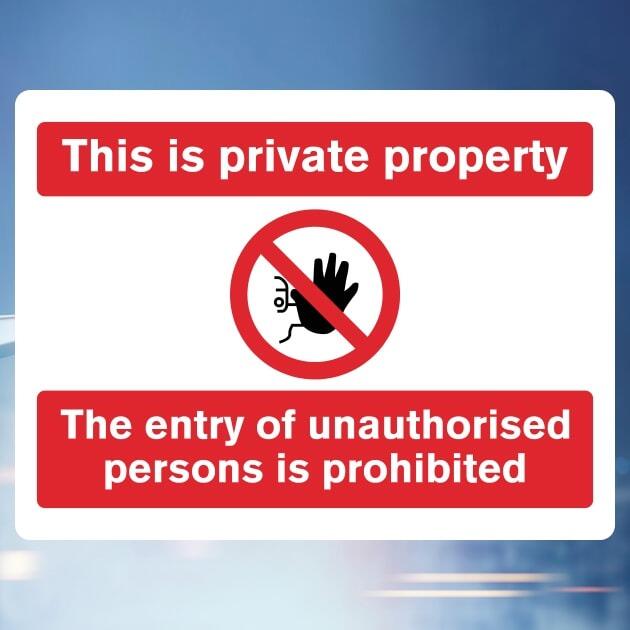
No Unauthorised Access signs make it clear that entry is restricted to people with appropriate permission.
They can be useful for plant rooms, warehouses, construction sites, maintenance areas, workshops, staff areas and other controlled workplace locations.
These signs can help visitors and contractors distinguish between an area that is completely closed and one that can be entered by authorised personnel.
No Pedestrian signs are used where people on foot must not enter or use a particular route.
They can be particularly useful around vehicle routes, loading areas, industrial yards, warehouses and construction sites where pedestrians need to be separated from moving vehicles or machinery.
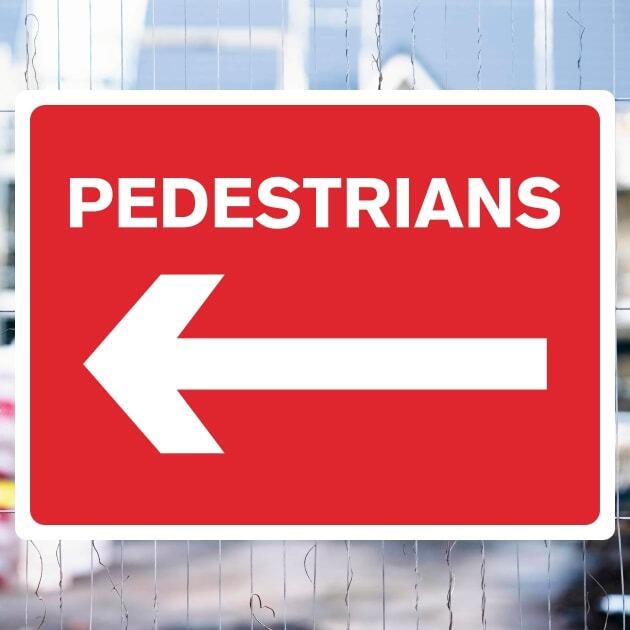
Where pedestrians still need access to the wider site, provide a suitable alternative route and appropriate directional information.
No Vehicle signs restrict vehicle access to particular roads, entrances, yards or work areas.
Different wording can be used depending on the restriction, including No Vehicles, No Vehicle Access, No Unauthorised Vehicles and vehicle-specific restrictions.
Choose the sign that most accurately reflects the traffic arrangements at your premises.
Access restrictions are needed in many different environments.
Construction sites frequently use No Entry, Keep Out and No Unauthorised Access signs around site boundaries, gates and controlled work areas.
The appropriate signage depends on the project's layout, hazards and access arrangements.
Signs can reinforce fencing, gates and other access-control measures, but shouldn't be treated as a replacement for them.
Warehouses can contain forklift routes, loading areas, machinery, racking and operational zones that visitors or unauthorised personnel shouldn't enter.
No Entry, No Pedestrian and Authorised Personnel Only signs can help identify these restricted areas.
Factories may have machinery areas, plant rooms, electrical equipment, production zones or hazardous processes where access needs to be controlled.
Use signs at the point where the restriction begins so people receive the instruction before entering.
Not every No Entry sign is used around a major industrial hazard.
Offices, shops, hotels and other commercial premises can use access-control signs for staff-only areas, service corridors, storage rooms, plant rooms and other non-public areas.
Schools and public buildings can have maintenance areas, staff rooms, plant rooms and operational spaces where public access isn't appropriate.
Clear signage helps distinguish public areas from restricted ones.
Farms can combine private land with machinery, livestock, vehicles and working areas.
No Entry, Keep Out and No Unauthorised Access signs can help make restricted areas clearer to visitors, contractors and members of the public.
No Entry signs can form part of workplace access control and wider risk-management arrangements.
UK safety-sign requirements are based on the risks present and the measures needed to communicate significant residual risks that cannot adequately be controlled by other means.
This means there isn't one universal list of No Entry signs that every UK business must display.
The appropriate signage depends on factors such as:
Safety signage should support appropriate physical and organisational controls rather than replace them.
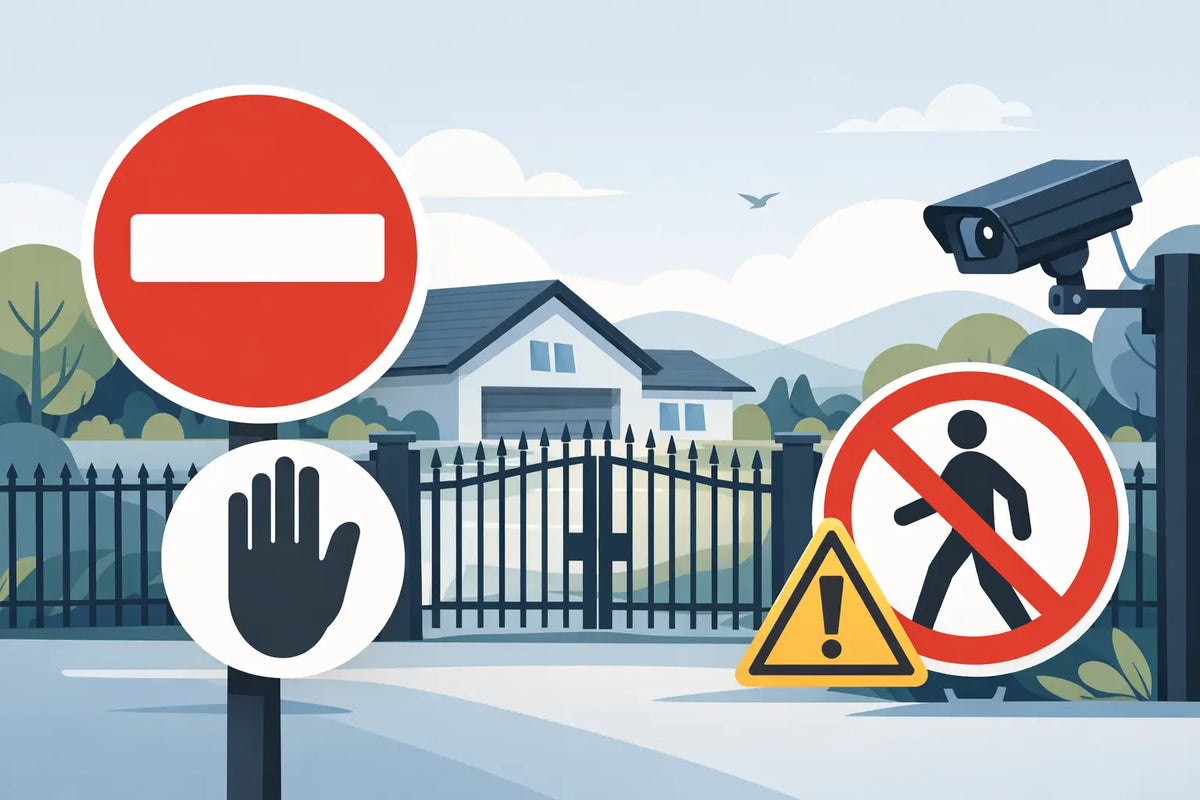
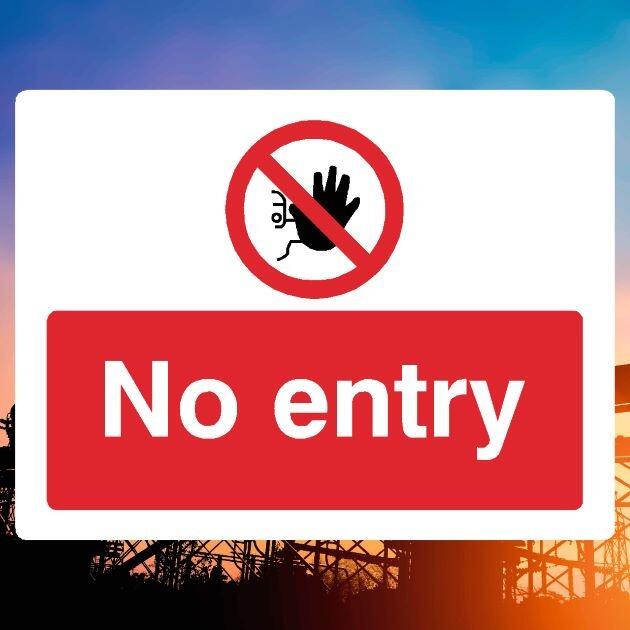
Where No Entry is being communicated as a formal safety prohibition, recognised prohibition signs typically use a red circular border and diagonal bar with a black pictogram on a white background.
This visual format helps distinguish a prohibited action from other categories of safety information.
Text can also be used to make the restriction clearer, particularly where the intended audience needs more information than the pictogram alone provides.
BS EN ISO 7010 provides standardised graphical symbols for safety signs, including recognised prohibition symbols.
Using recognised symbols can make safety information easier to understand consistently, particularly in workplaces used by employees, visitors and contractors.
However, ISO 7010 is a standard rather than UK legislation itself.
The need for a particular safety sign should be determined by the risk and the applicable workplace arrangements, not simply by whether a symbol exists within the standard.
These phrases can appear similar but communicate different instructions.
A No Entry message generally tells the viewer not to proceed through that entrance or into that area.
A No Unauthorised Access message indicates that entry is restricted but may be permitted to authorised employees, contractors or other approved people.
Choose the wording that reflects the actual access arrangements.
If authorised employees routinely enter an area, a blanket No Entry message could be less informative than Authorised Personnel Only or No Unauthorised Access.
Both messages restrict access, but their applications can differ.
No Entry is useful at a specific doorway, gate, route or entrance.
Keep Out can provide a broader warning that people should remain outside a site, compound, hazardous work area or defined boundary.
Construction sites frequently use Keep Out messaging because the restriction applies to the site or work zone rather than simply one doorway.
A No Entry sign can prohibit general access, while a No Pedestrians sign specifically prohibits people travelling on foot.
This distinction is particularly important around industrial traffic routes.
If vehicles can use a route but pedestrians cannot, a specific No Pedestrian sign communicates the restriction more accurately than a general No Entry sign.
Similarly, No Vehicle signs should be used where the restriction applies specifically to vehicles.
This can include roads, yards, private access routes, pedestrian areas and parts of industrial or construction sites.
Where particular vehicles are restricted, choose wording that makes that distinction clear.
Position the sign so people see the restriction before they enter the area.
Typical locations include:
Consider the direction from which people approach.
If an area has several possible entrances, one sign at the main entrance may not communicate the restriction to everybody who can access it.
The appropriate sign size depends on where it will be displayed and how far away it needs to be seen.
A sign positioned on an internal office door can usually be smaller than a sign displayed on a construction-site perimeter or vehicle entrance.
Consider:
The message should be readable early enough for the viewer to respond appropriately.
The environment should determine the material.
For indoor doors and smooth surfaces, self-adhesive or lighter rigid materials can provide a practical option.
Outdoor signs need to be suitable for the expected weather and exposure.
Construction sites, industrial yards and exposed premises may benefit from more durable rigid materials, particularly where signs need to remain in place for longer periods.
Also consider how the sign will be fixed and whether the mounting surface is permanent or temporary.
Even the correct sign becomes ineffective if people can't see it.
Regularly check that signs haven't become:
Construction sites and industrial premises can change particularly quickly, so access signage should be reviewed as routes and work areas change.
More signage doesn't automatically mean better safety communication.
A gate covered with competing notices can make the most important instruction harder to identify.
Prioritise the information people need at that particular location.
Where several general site instructions apply together, a suitable multi-message safety sign or site safety board may provide a clearer solution.
Before ordering, ask:
Answering those questions makes it much easier to choose between No Entry, Keep Out, No Access, No Unauthorised Access, No Pedestrian and No Vehicle signs.
Safety Sheep No Entry Signs are Made in Britain for businesses, contractors and organisations across the UK.
Choose from signs for workplace doors, construction sites, warehouses, industrial premises, vehicle routes and private property, with a range of sizes and materials available for different environments.
Whether you need one No Entry sign for a restricted room or larger quantities for several sites, explore the range and choose the message that accurately communicates your access restriction.
Think Safety. Think Sheep.
A No Entry Sign tells people that they must not enter a particular area, entrance or route. It can be used on workplace doors, gates, construction sites, warehouses, industrial premises and other restricted locations.
Position No Entry Signs where people can see the restriction before entering the area. Typical locations include doors, gates, barriers, perimeter fencing, site entrances and the approaches to restricted work areas.
There isn't a universal requirement for every workplace to display a No Entry Sign. Safety signage should be selected according to the risks, access arrangements and applicable requirements for the individual premises. Where significant residual risks remain after other controls, appropriate safety signs may be required.
No Entry generally prohibits the viewer from entering an area. No Unauthorised Access indicates that access is restricted but authorised employees, contractors or other approved people may enter.
No Entry is commonly used at a particular entrance, doorway or route. Keep Out can be more appropriate where people need to remain outside a wider site, compound or hazardous work area.
Use a No Pedestrian Sign when the restriction applies specifically to pedestrians, such as a vehicle-only route. Use No Entry where the entrance or area itself is prohibited to the intended audience.
If the restriction applies specifically to vehicles, a No Vehicle Sign usually communicates the instruction more precisely. No Entry can be used where access itself is prohibited.
Formal prohibition safety signs typically use red, white and black, with a red circular border and diagonal bar surrounding a black pictogram on a white background.
BS EN ISO 7010 provides recognised standardised safety symbols, but it is a standard rather than legislation itself. Use an appropriate recognised symbol where applicable and choose signage according to the actual restriction and risk.


