



The Sheep Blog

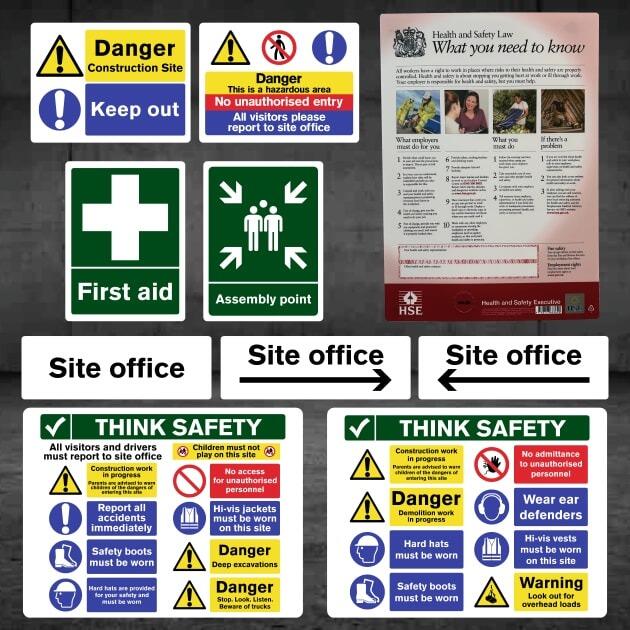
Complete 10 Sign Construction Safety Starter Pack A




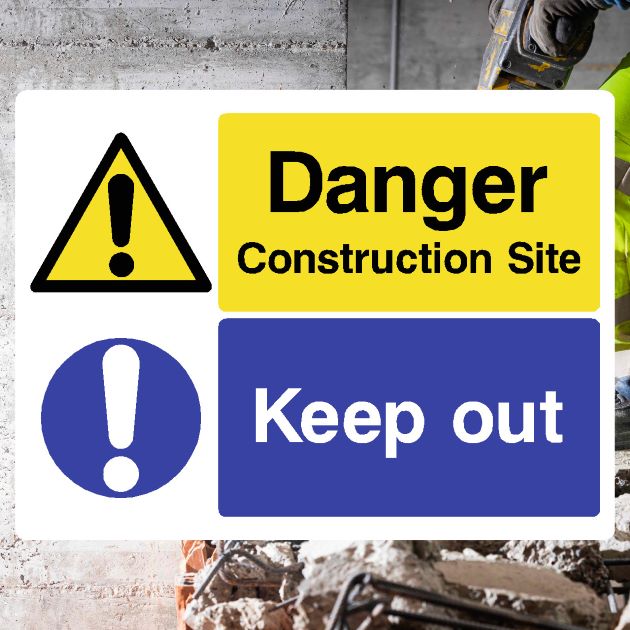
Construction Site Keep Out Sign v2
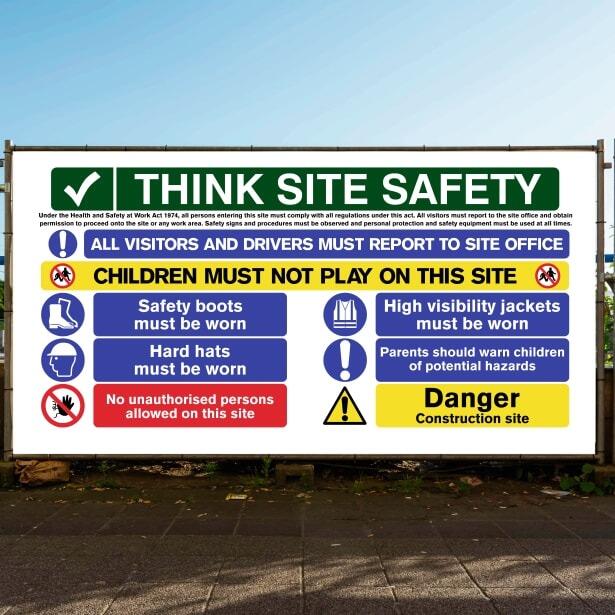
Site Safety Banner Construction Work
Complete 8 Sign Construction Safety Pack D
Site Safety Work‑In‑Progress Sign


Complete 12 Sign Construction Starter Pack J

Construction Site Keep Out Sign
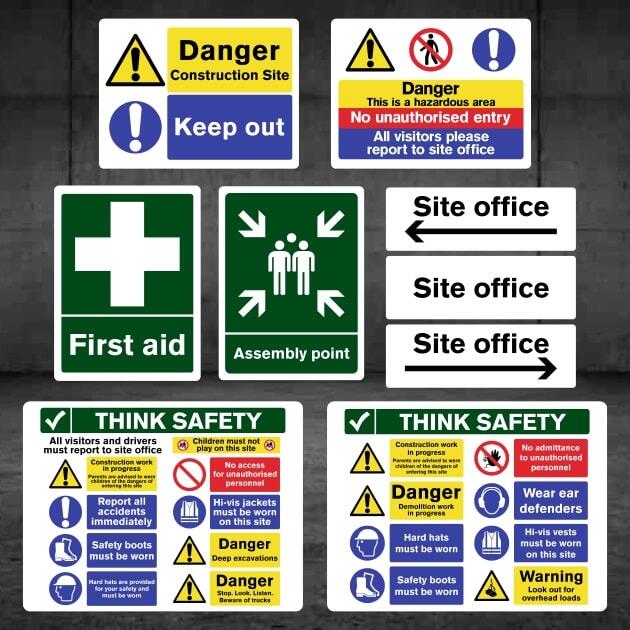
10 Sign Construction Safety Pack A
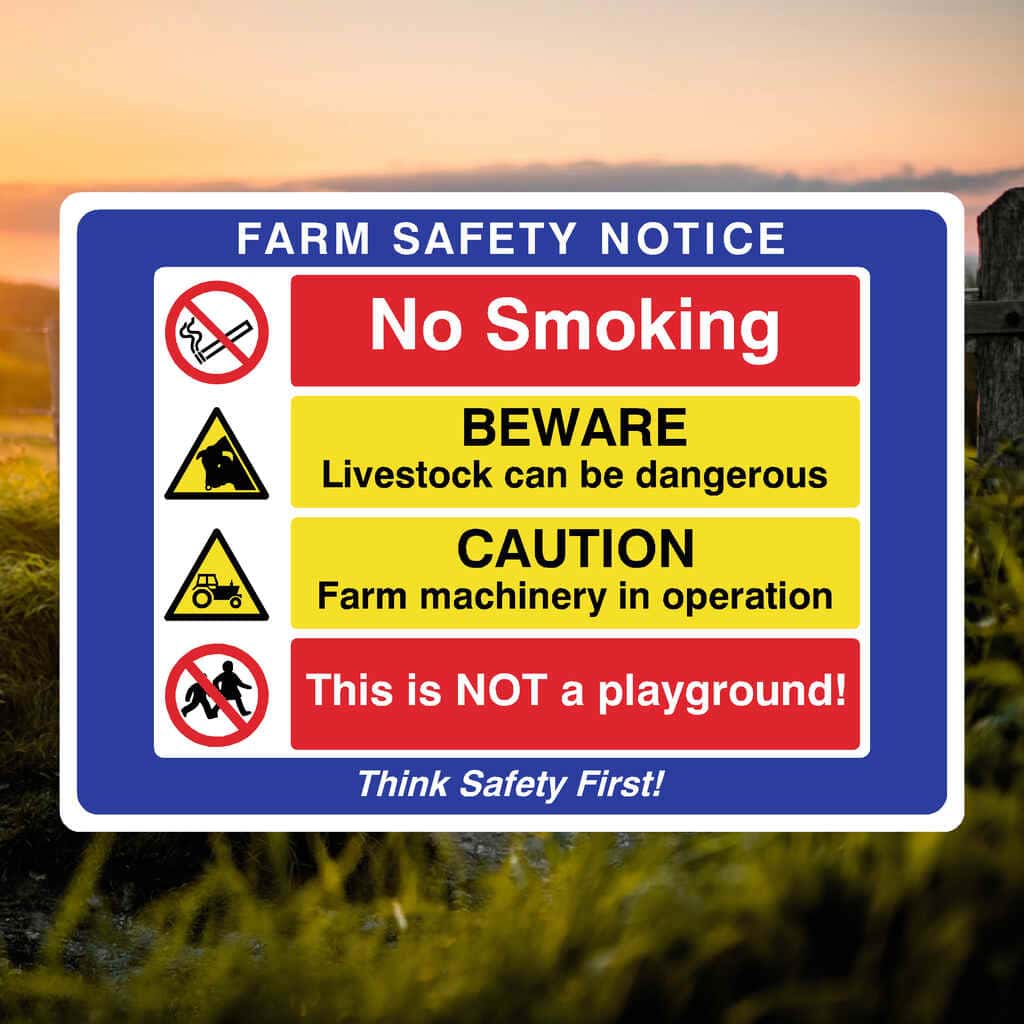

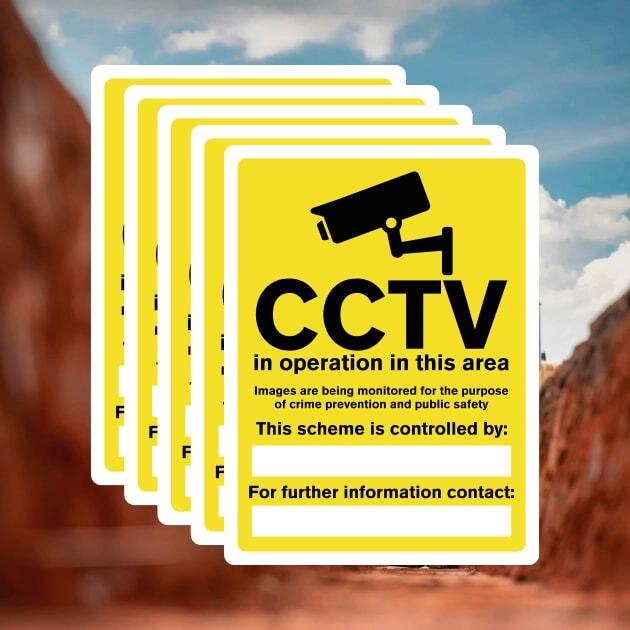
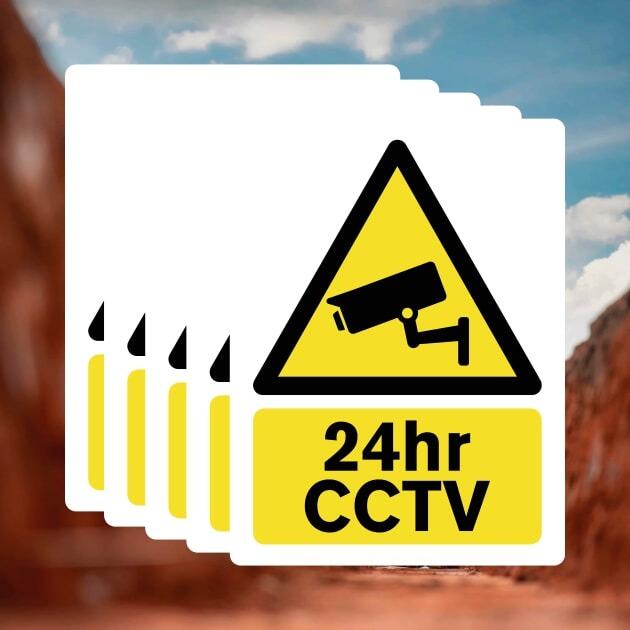
Private Property CCTV Sign 5 Pack
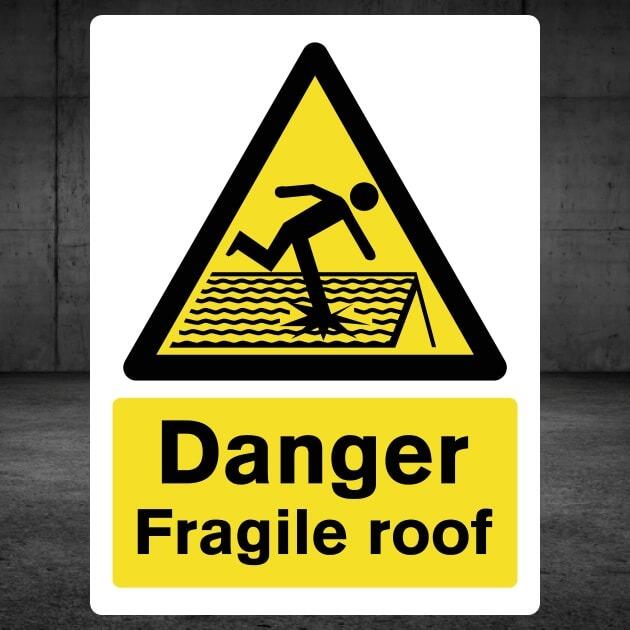
Construction Site Danger Sign v3

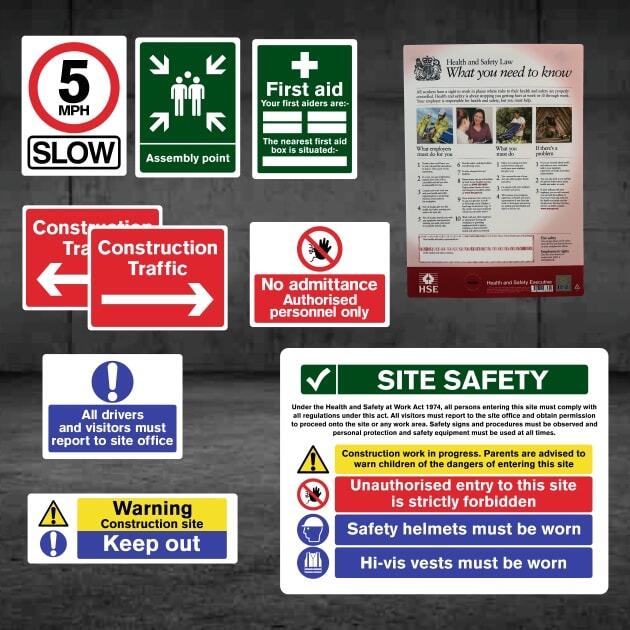


Complete Construction 12‑Pack Signs K
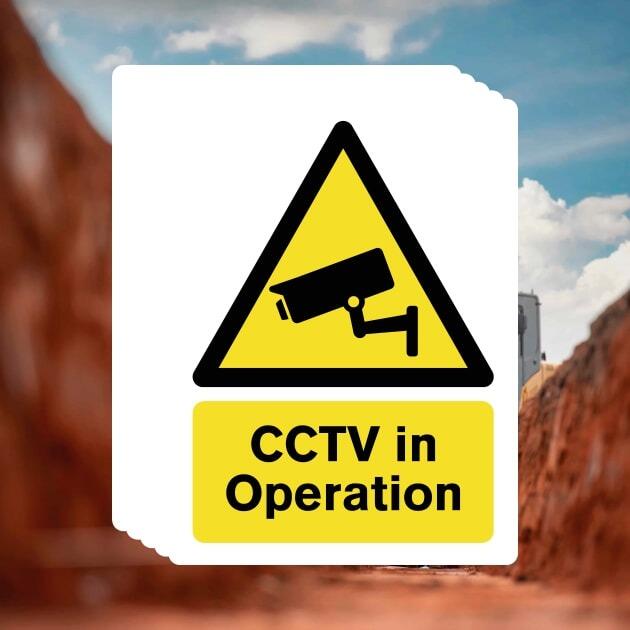
Multipack CCTV In Operation Sign 5 Pack

Site Safety Banner Visitors Report
Complete 10 Sign Construction Safety Starter Pack H
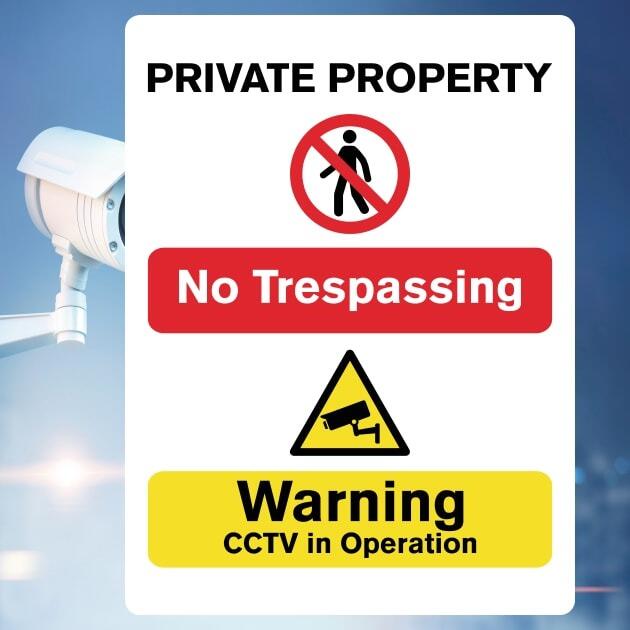
Private Property CCTV Sign 5 Pack v2
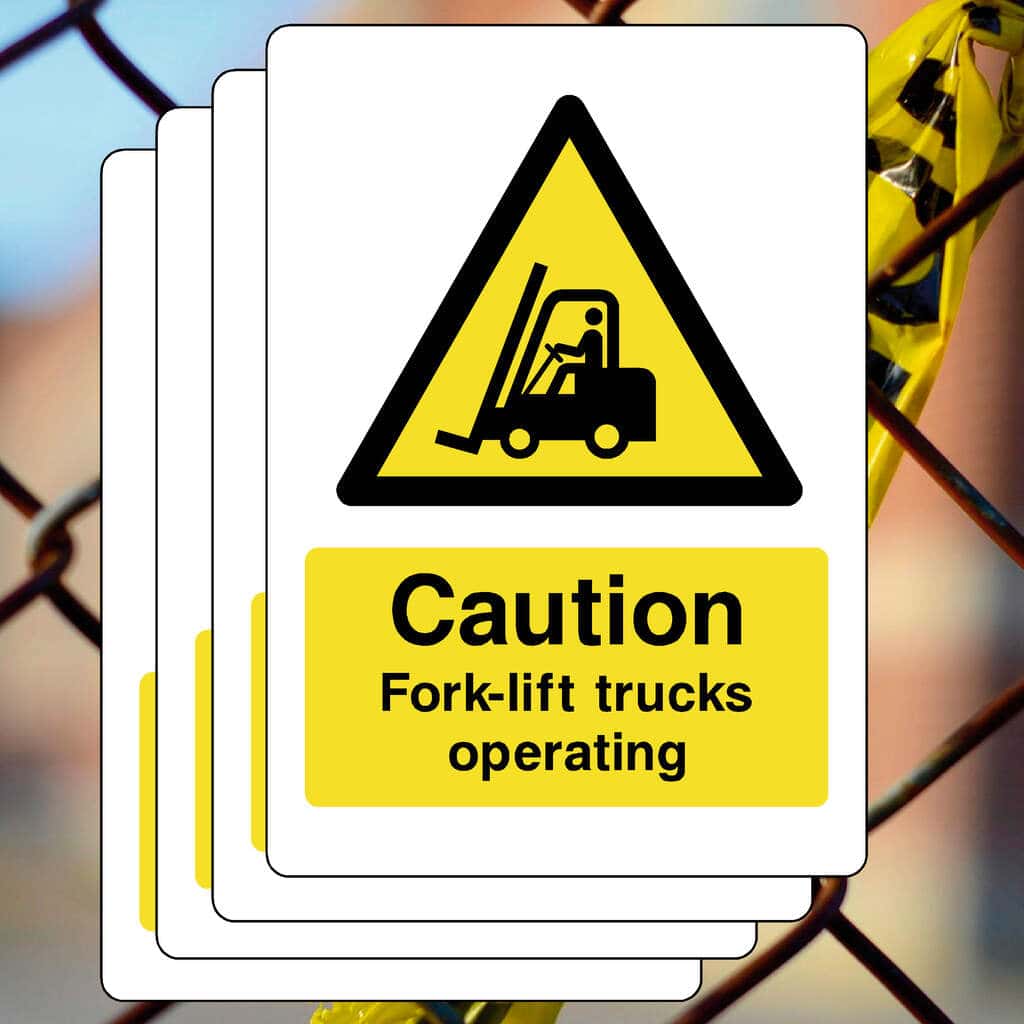
Forklift Operating Sign 5 Pack

44 Sign Construction Safety Pack I
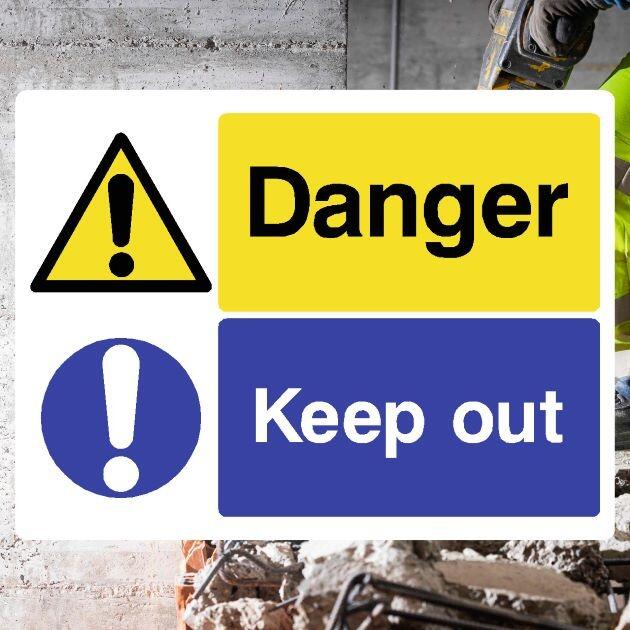
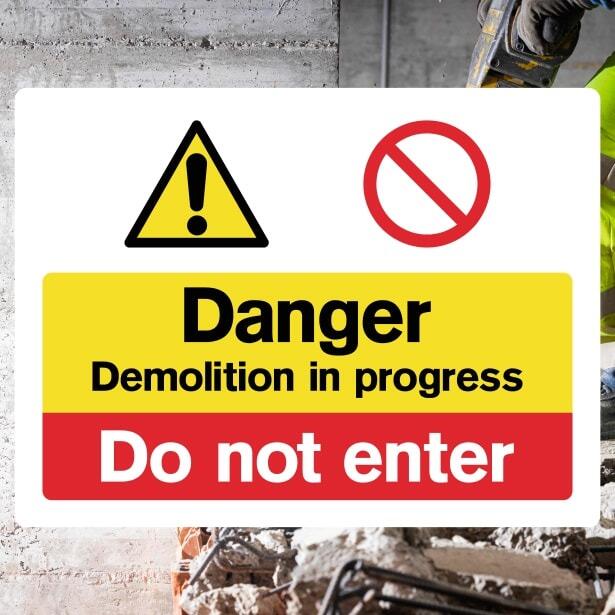
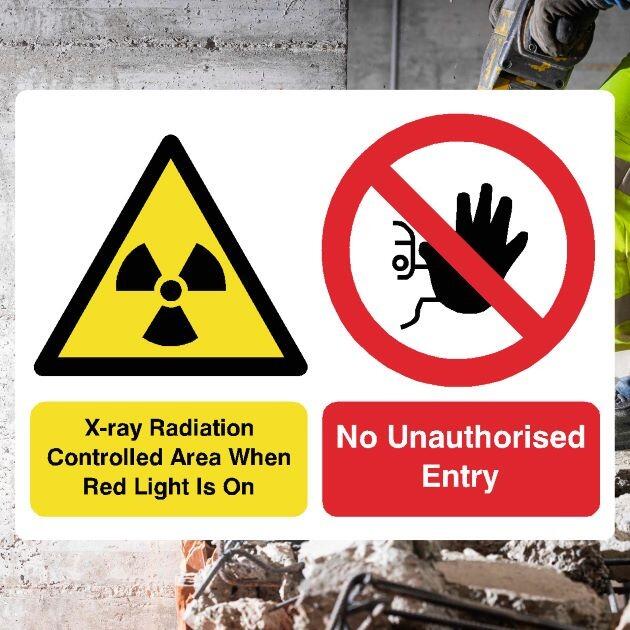
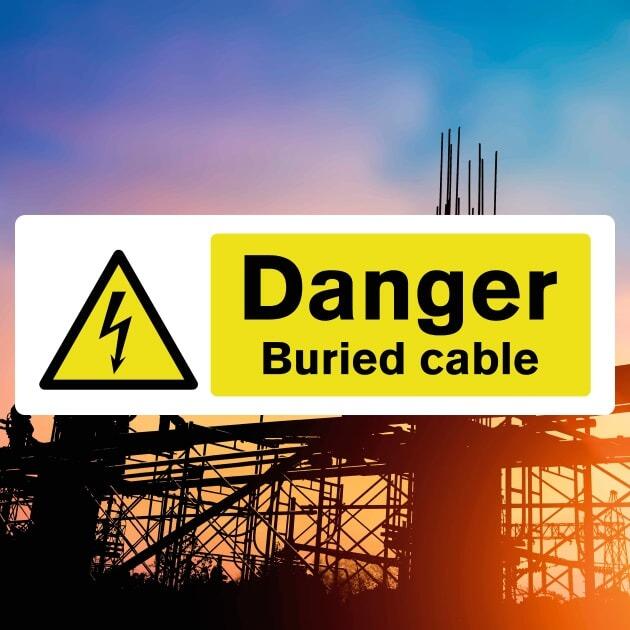
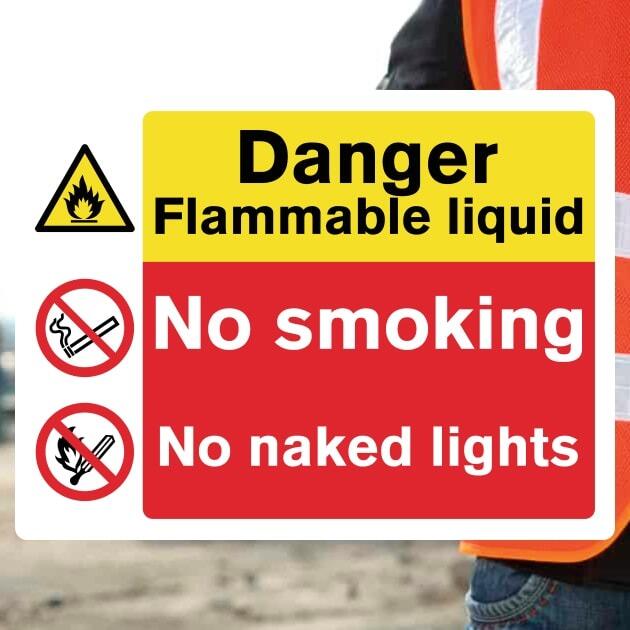
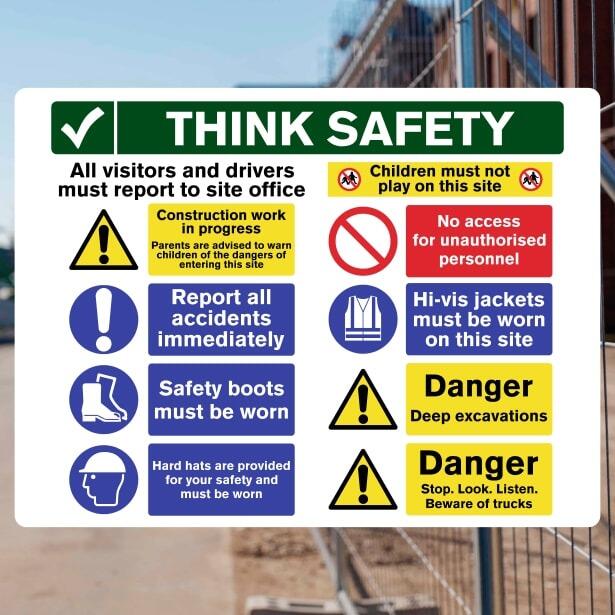

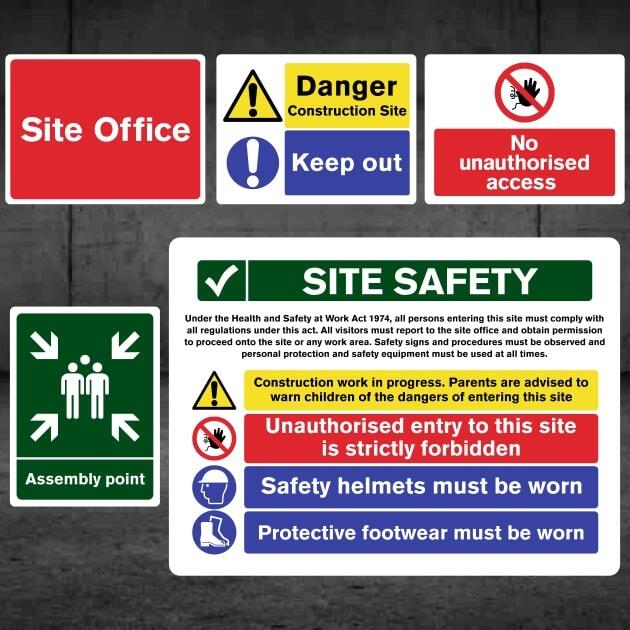
5 Sign Construction Site Pack C
Construction Site Keep Out Sign 5 Pk
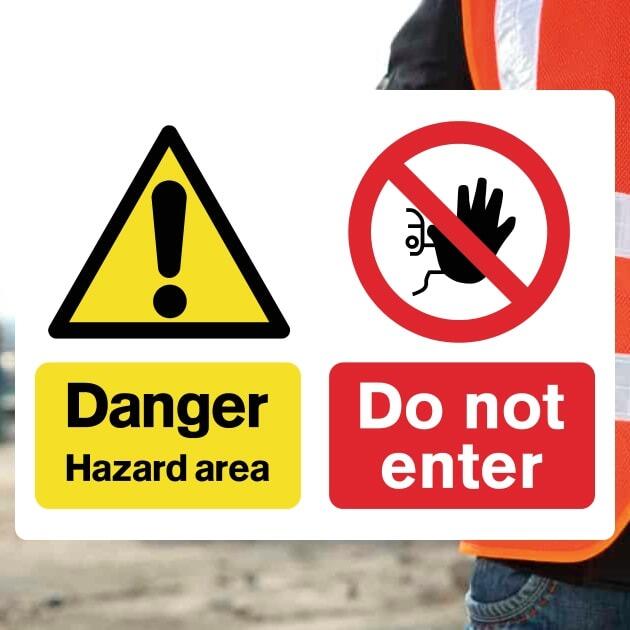
Hazardous Area Do Not Enter Sign v2
Clear Construction Safety Signs help communicate hazards, site rules, access restrictions, mandatory PPE requirements and emergency information to workers, subcontractors, visitors, delivery drivers and members of the public.
Our range of construction site signage includes site entrance signs, hazard and warning signs, PPE signs, Keep Out and restricted access signs, construction traffic signs, multi-message site boards and complete construction sign packs.
Made in Britain, Safety Sheep construction signs are available in a choice of sizes and durable materials for building sites, civil engineering projects, refurbishment work and other construction environments.
There is no single set of signs suitable for every construction site.
The signs required depend on factors including:
A small refurbishment project will not necessarily need the same signage as a large commercial development.
Start with the site risk assessment and construction arrangements rather than simply buying every construction sign available.
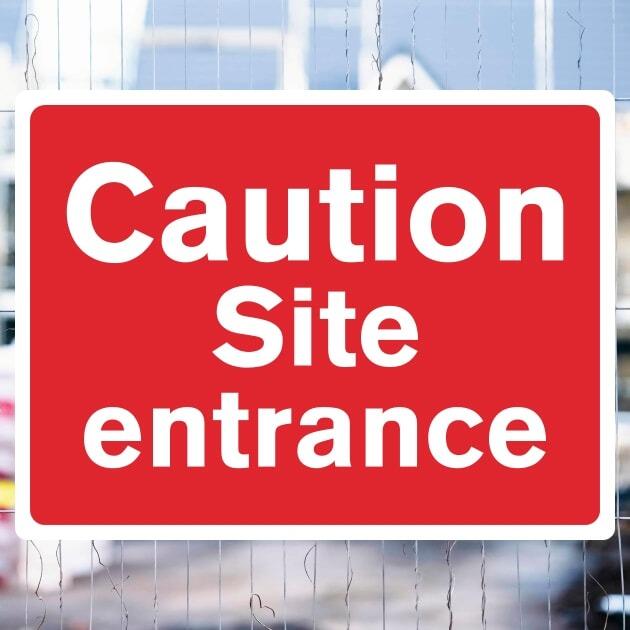
The entrance is one of the most important locations for construction signage.
Workers, visitors, subcontractors and delivery drivers should be able to understand important site rules before entering an active work area.
Depending on the site, entrance signage can include:
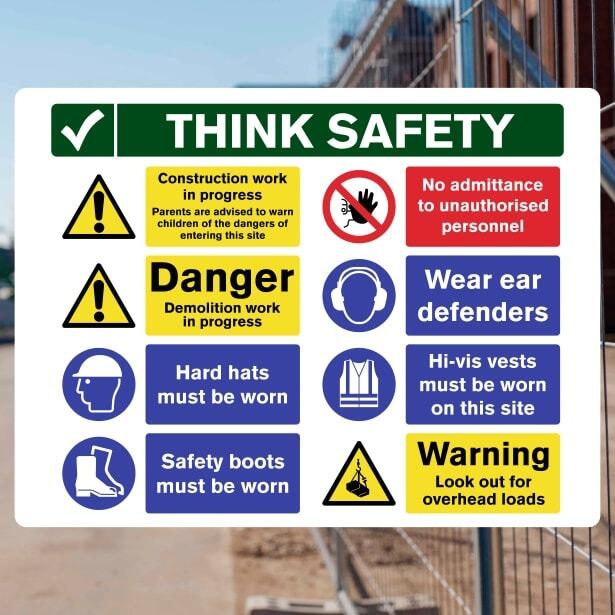
Larger multi-message boards can communicate several requirements in one prominent location.
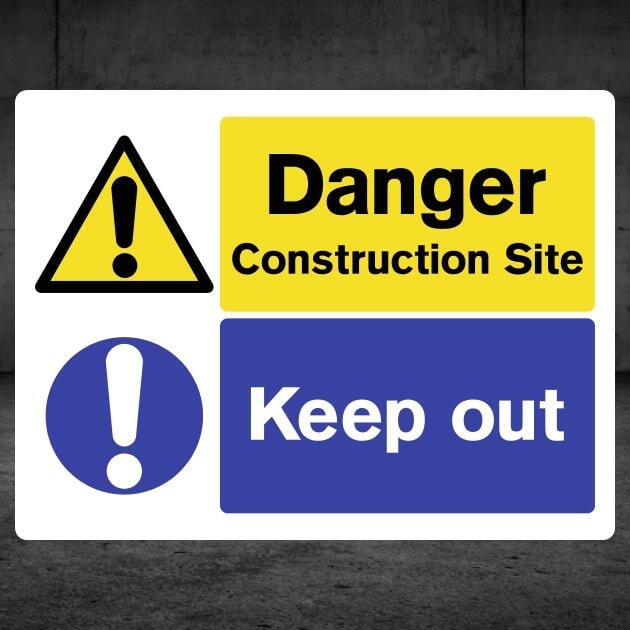
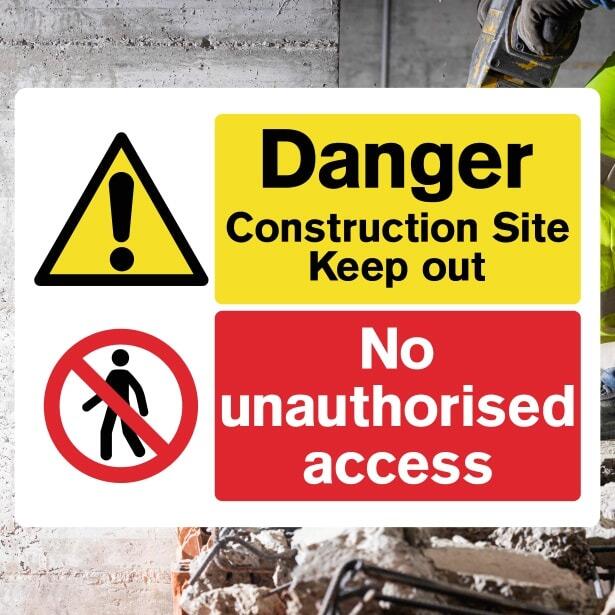
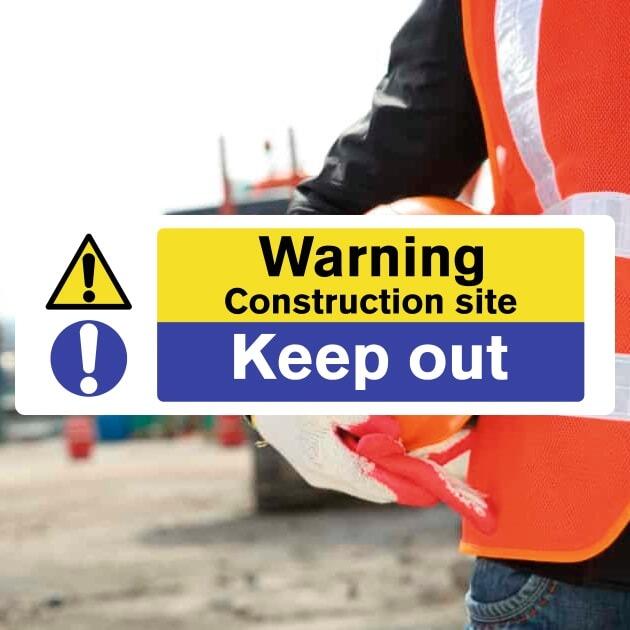
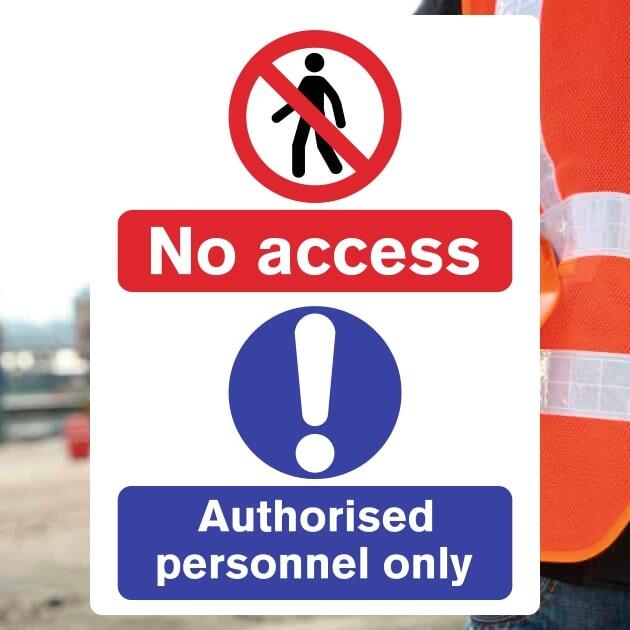
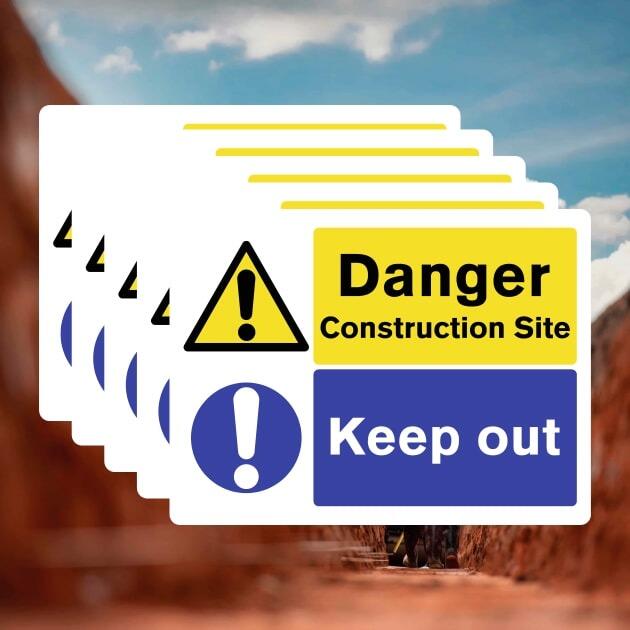
Construction Site Keep Out Signs help communicate that members of the public and unauthorised people must not enter an active work area.
They can be particularly useful on:
Signs should support effective site security and access control rather than being relied upon as the only way of preventing entry.
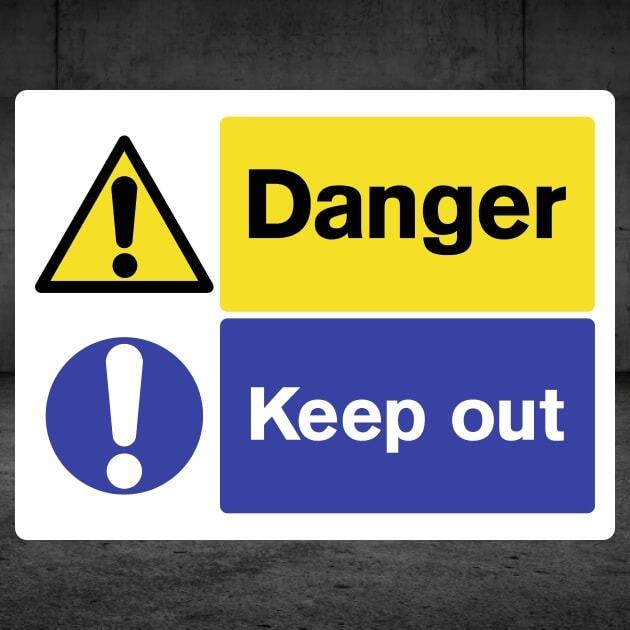
A Danger Construction Site Sign warns people approaching a construction area that hazards are present.
These signs are particularly useful at site boundaries and access points where workers, visitors or members of the public could otherwise approach an active work area without recognising the risk.
The sign should be positioned before somebody reaches the hazard.
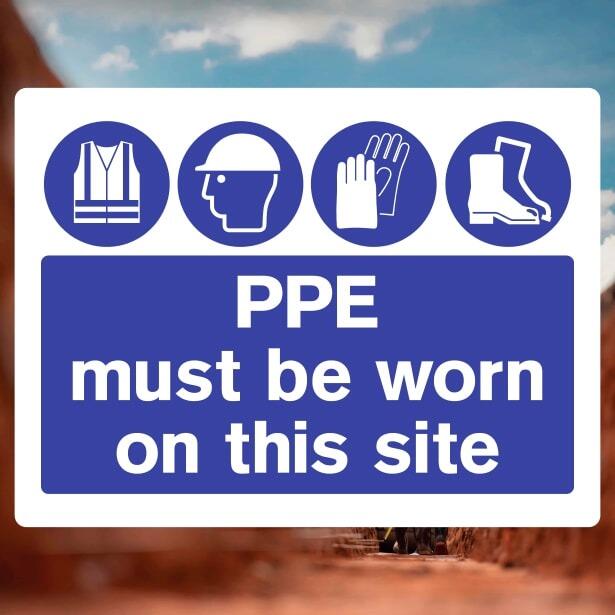
Mandatory PPE signs communicate equipment that people must wear in a particular area.
Common construction examples include:
Only display requirements that actually apply.
If eye protection is required only within a particular work zone, for example, position the instruction where that requirement begins rather than suggesting that it applies throughout the entire site.
Hard hat or safety helmet signs are among the most familiar construction mandatory signs.
They can be displayed at entrances and work areas where head protection is required.
For sites where several PPE requirements apply from the entrance, a combined PPE sign or multi-message site board can provide a clearer solution than several separate signs.
Construction sites can contain rapidly changing hazards.
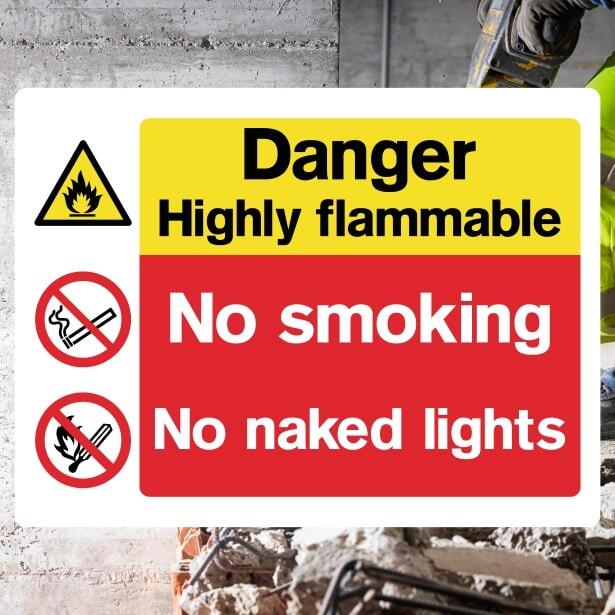
Warning signs can be used where necessary to identify risks such as:
The warning should correspond with the actual hazard present.
A warning sign does not make an uncontrolled hazard safe.
Excavations, trenches and open groundworks can present serious risks.
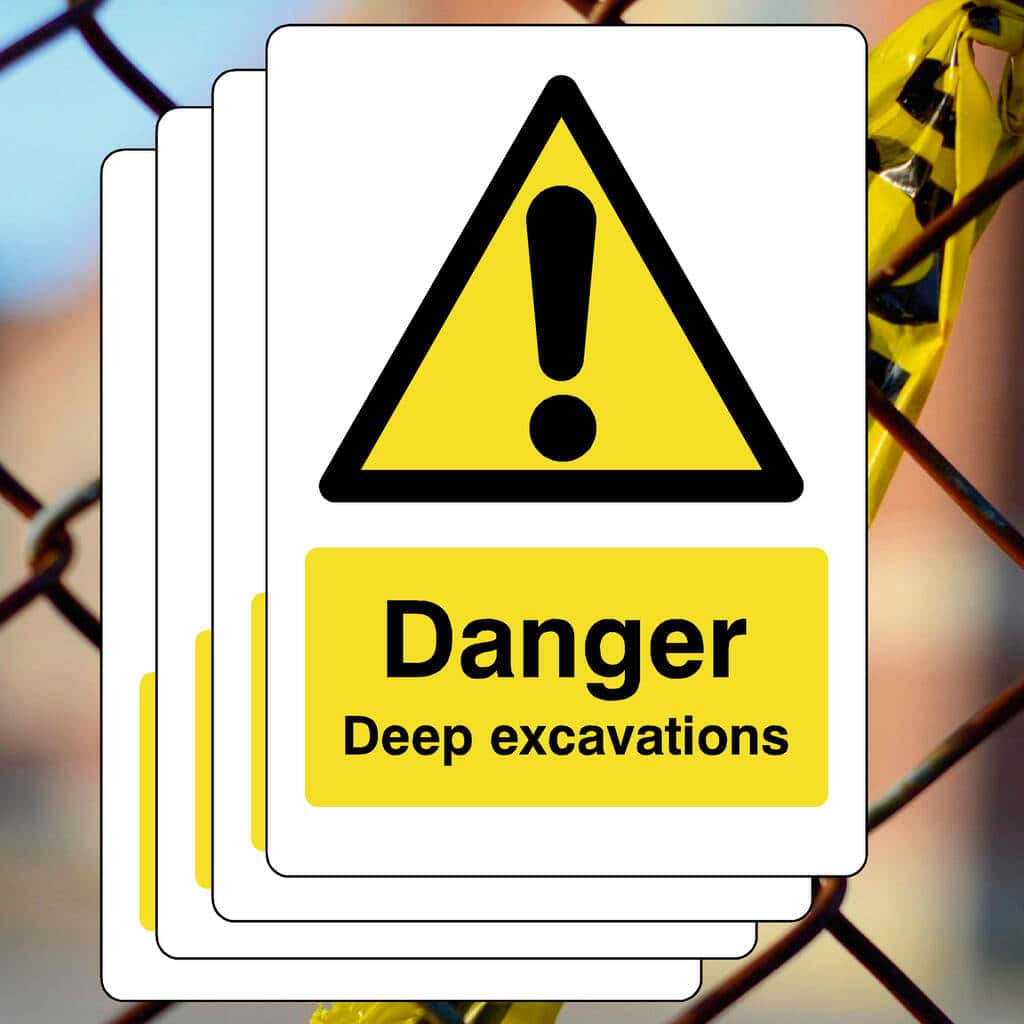
Danger Deep Excavation or appropriate warning signs can help make the hazard clear to workers, visitors and other people approaching the area.
Signage should complement appropriate barriers, edge protection, access controls and safe working arrangements.
Demolition work can require particularly clear access control and hazard communication.
Signs can include:
The exact signage should reflect the demolition plan, risk assessment and current stage of work.
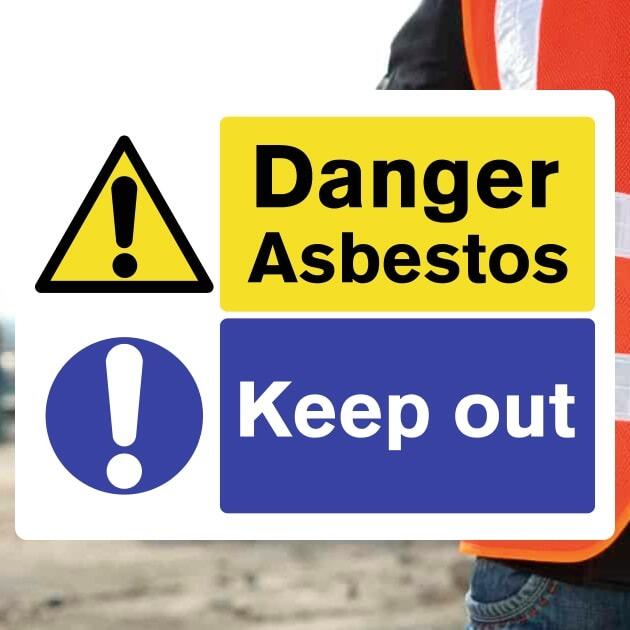
Where asbestos risks are present, appropriate warning and access-control signs can help identify affected areas.
Safety Sheep's construction range includes asbestos hazard, Keep Out, removal, respirator, permit and asbestos-zone signs.
Signage is only one element of asbestos management and does not replace the legal duties relating to identification, assessment, management and work with asbestos.
Confined spaces can present serious hazards including restricted access, hazardous atmospheres and difficulties during emergency rescue.
Depending on the work and controls in place, signage may include:
Signs should support the site's confined-space controls and permit procedures rather than replace them.
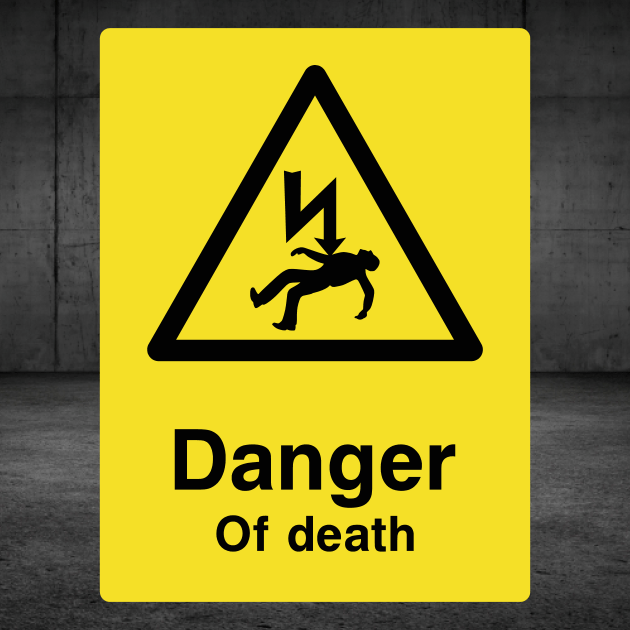
Temporary electrical installations, overhead cables, buried services and electrical equipment are common construction hazards.
Appropriate electrical warning signs can help identify:
Position warnings before people enter the hazardous area or begin work that could expose them to the electrical risk.
Construction sites often involve frequent movement of:
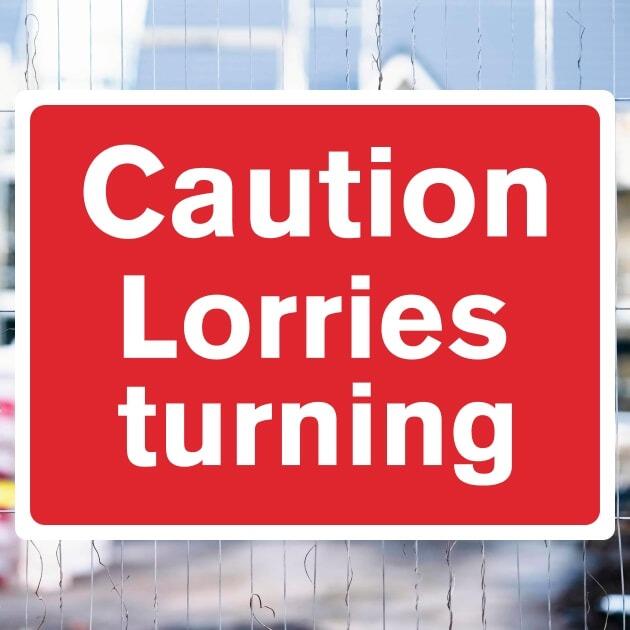
Signs can support the site's traffic management arrangements by communicating speed limits, directions, restrictions, pedestrian routes and vehicle hazards.
Physical separation of pedestrians and vehicles should be used where reasonably practicable; signage supports the traffic-management system rather than replacing segregation.
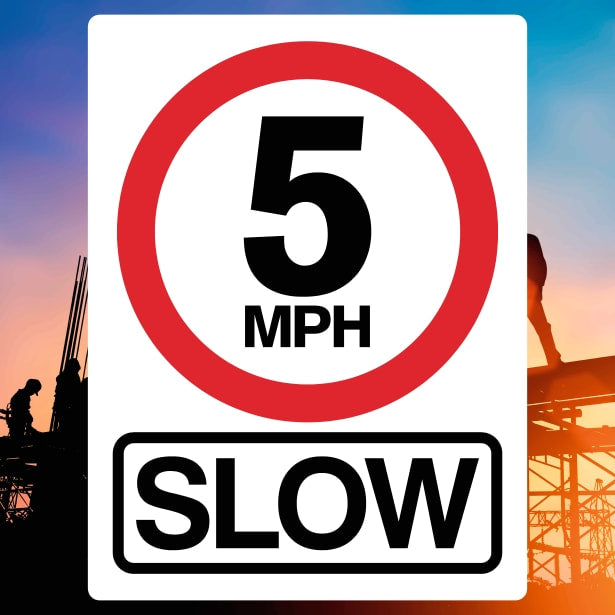
Site speed limit signs can communicate the maximum speed established within a construction site's traffic-management arrangements.
Common site limits include:
5 mph
10 mph
The appropriate limit depends on the site's traffic-management plan and conditions.
Display signs prominently at entrances and relevant points along vehicle routes.
Clearly marked pedestrian routes can help workers and visitors move around busy sites without unnecessarily entering vehicle operating areas.
Signs may identify:
Routes can change as construction progresses, so temporary signage should be reviewed regularly.
Visitors and delivery drivers may be unfamiliar with the hazards and layout of a construction site.
All Visitors Must Report to Site Office signs help direct people towards the appropriate control point before entering operational areas.
They work particularly well at:
Directional Site Office signs can then guide visitors to the correct location.
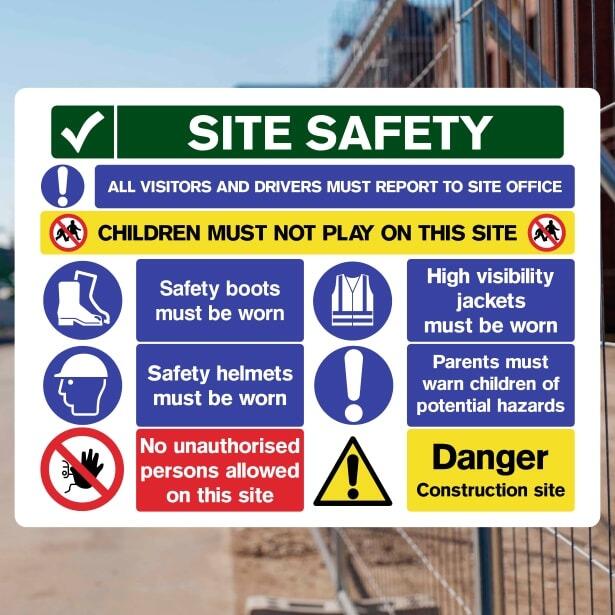
Multi-message safety signs combine several important instructions on one board.
A typical site entrance board might include:
These can provide an efficient way to communicate core site rules at entrances and compounds.
The messages should still reflect the actual requirements of the site.
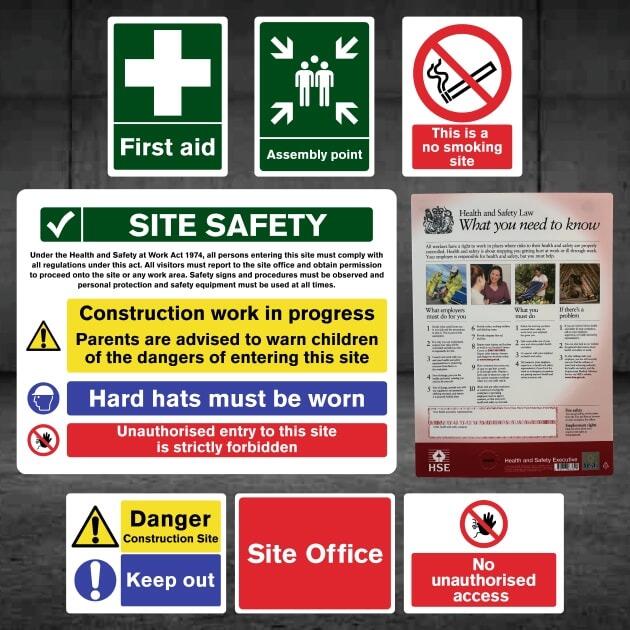
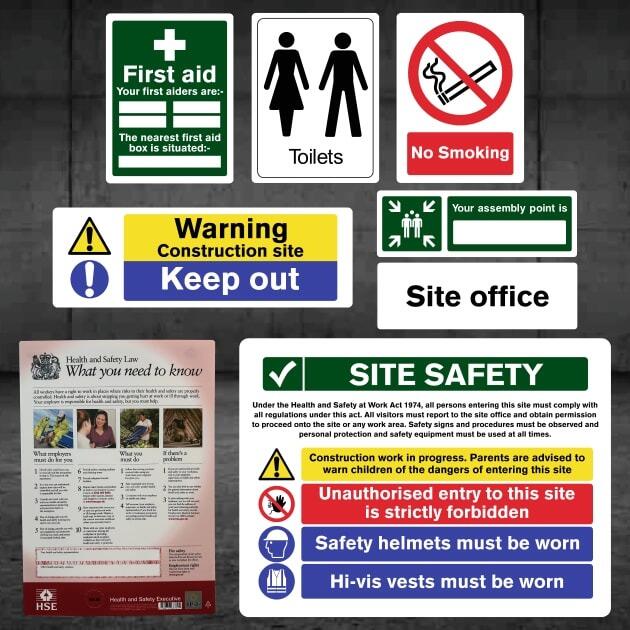
Construction sign packs provide a convenient way to purchase several commonly used site signs together.
They can be useful for:
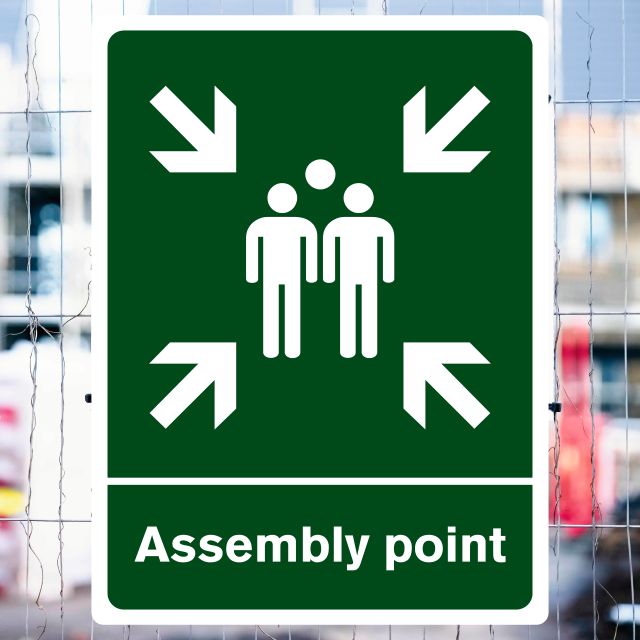
Safety Sheep offers construction packs covering entrance signs, PPE requirements, access restrictions, fire safety, first aid, assembly points, site-office directions and other commonly required messages.
Always check the contents before purchasing.
A sign pack provides a convenient starting point, but additional signage may be required for the specific hazards on your project.
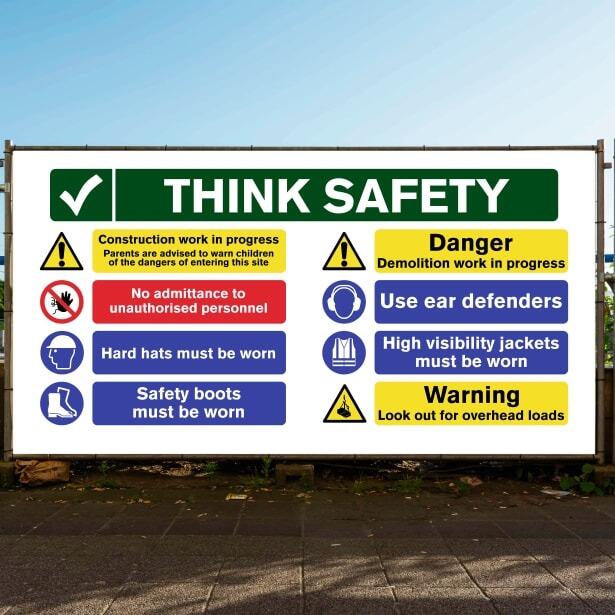
Large-format banners can communicate safety information across long stretches of fencing, hoarding and site boundaries.
They can be particularly useful where standard signs would be difficult to see from the required viewing distance.
Construction banners can communicate messages including:
For exposed or windy locations, consider whether mesh or another suitable banner material would be more appropriate.
Construction projects need appropriate fire precautions based on the risks and stage of work.
Relevant signage can include:
Temporary escape routes and fire arrangements may change as work progresses.
Review fire-safety signage whenever those arrangements change.
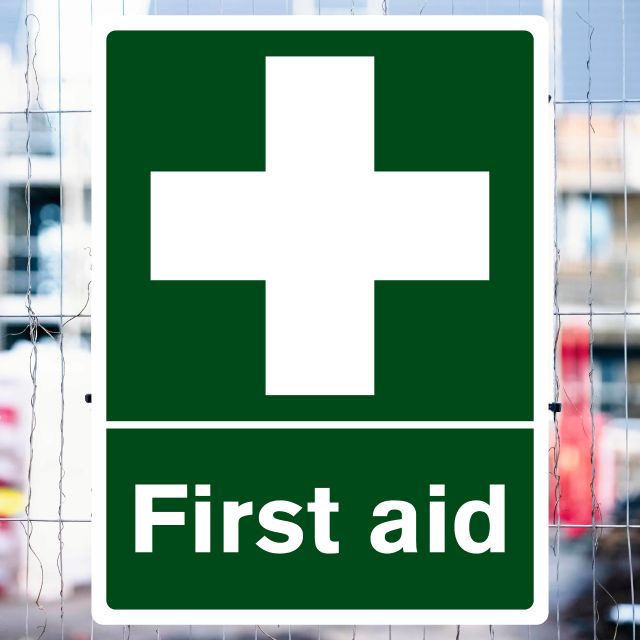
First aid signs can help workers and visitors identify first-aid facilities and equipment.
Depending on the arrangements, signage may identify:
The signage should correspond with the first-aid provision established for the site.
Different colours and shapes communicate different types of safety message.
Used to warn about hazards.
Used for actions that must be followed, such as wearing PPE.
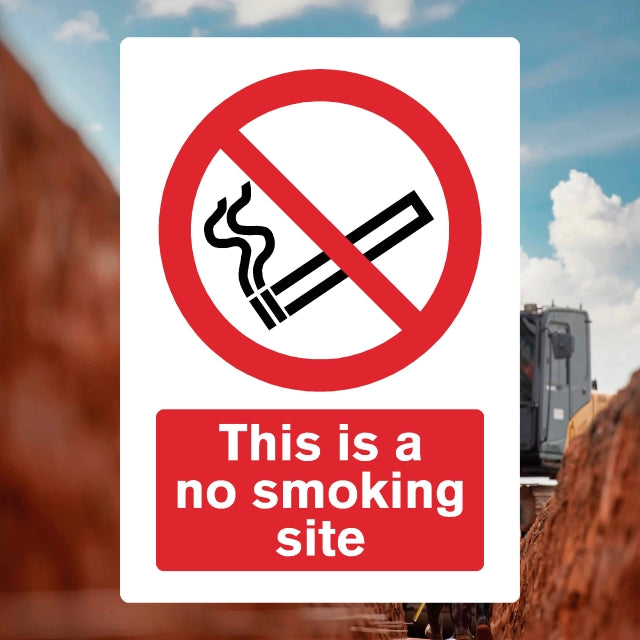
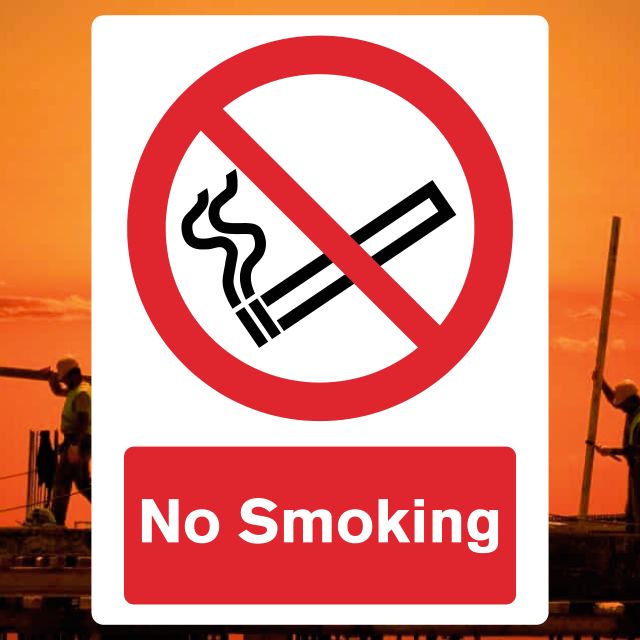
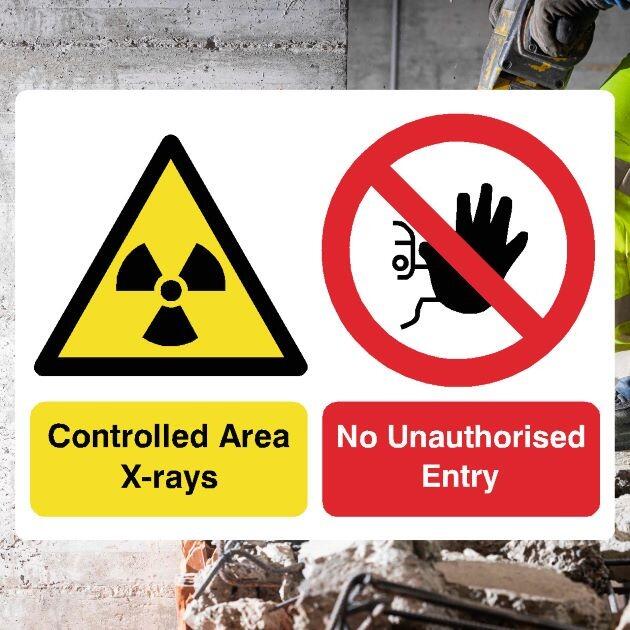
Used to indicate prohibited actions such as No Smoking or No Unauthorised Entry.
Used for emergency escape, first aid and other safe-condition information.
Used to identify firefighting equipment.
Using recognised formats helps people understand safety messages quickly.
BS EN ISO 7010 provides standardised graphical safety symbols used across many workplace safety signs.
Recognised symbols can make safety information easier to understand consistently.
However, BS EN ISO 7010 is a standard rather than construction legislation itself.
Avoid assuming that displaying an ISO 7010-style sign automatically makes a construction site legally compliant.
The sign must be appropriate to the actual risk and form part of the site's wider safety arrangements.
The Health and Safety (Safety Signs and Signals) Regulations 1996 require employers to use safety signs where a significant risk to health and safety remains after other relevant measures have been taken.
Construction projects are also subject to wider health and safety duties, including requirements under the Construction (Design and Management) Regulations 2015.
The important principle is that signs support risk control.
A Danger Deep Excavation sign does not replace suitable barriers or edge protection.
A Hard Hats Must Be Worn sign does not replace the provision and management of appropriate PPE.
A Construction Site Keep Out sign does not replace effective site security.
Safety signs are required where necessary to address significant residual risks that cannot adequately be avoided or controlled by other measures.
There is not one fixed list of signs that every UK construction project must display.
The appropriate signage depends on the hazards, activities, site rules, emergency arrangements and people who may be affected.
Use the project's risk assessments and safety arrangements to determine what needs to be communicated.
Put signs where people need the information.
Common locations include:
Position signs before the person reaches the hazard or point where an instruction becomes necessary.
A sign needs to be large enough to identify from its intended viewing distance.
A small sign suitable for a cabin door may be inappropriate on perimeter fencing viewed from across a road.
Consider:
Larger signs and banners can be useful at site entrances and along boundaries.
Construction sites are demanding environments.
Signs may be exposed to:
Choose materials according to the expected duration and location of the sign.
Lightweight materials can be useful for temporary site signage, while more durable rigid materials may be appropriate for longer-term installations.
Construction sites continually change.
A sign that was clearly visible on Monday might be hidden behind:
Include signage within routine site inspections.
Move, replace or remove signs as conditions change.
More signs do not automatically create a safer site.
Excessive, irrelevant or outdated signage can make genuinely important messages harder to notice.
Use signs that relate to:
Remove signs when they are no longer relevant.
When reviewing construction site signage, ask:
Review signage as the project progresses rather than treating it as a one-off exercise at site set-up.
Safety Sheep offers a wide range of Construction Safety Signs for contractors, site managers, builders and construction companies.
Choose from site entrance signs, PPE signs, construction hazard signs, Keep Out signs, traffic-management signs, multi-message boards, site safety banners and complete construction sign packs.
Made in Britain and available in a choice of durable materials and sizes, our construction signage makes it easier to source individual signs or equip an entire site.
Construction Safety Signs communicate hazards, site rules, access restrictions, mandatory actions and emergency information to workers, contractors, visitors and members of the public.
There is no single list of signs required on every construction site.
The signage should reflect the hazards, site rules, access arrangements and emergency procedures identified for the particular project.
Safety signs are required where necessary to address significant health and safety risks that cannot adequately be avoided or controlled by other measures.
The signs needed therefore depend on the risks present on the particular construction site.
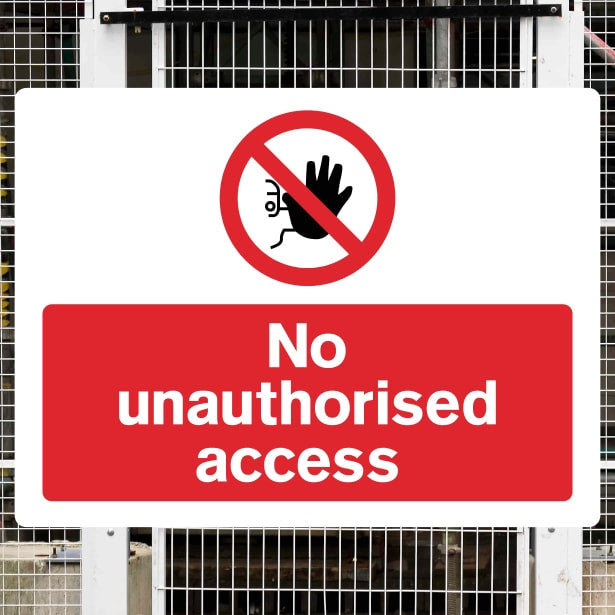
Depending on the site, entrance signage can include Construction Site Keep Out, No Unauthorised Access, Visitors Must Report to Site Office and mandatory PPE requirements.
Larger sites may use a multi-message site safety board combining several instructions.
Where particular PPE is required, mandatory signage can help communicate that requirement.
The sign should correspond with the PPE actually required for that site or work area.
The colour depends on the message. Yellow is generally used for warnings, blue for mandatory actions, red prohibition symbols for prohibited behaviour, green for safe-condition information and red rectangular signs for firefighting equipment.
BS EN ISO 7010 provides recognised graphical safety symbols used across many safety signs.
However, ISO 7010 is a standard rather than construction legislation itself, and using a recognised symbol does not by itself make a site legally compliant.
Position signs where people need the information, such as site entrances, gates, fencing, traffic routes, pedestrian routes and before hazardous work areas.
They should be clearly visible and positioned before somebody encounters the relevant risk.
A site safety board combines several messages on one sign, such as PPE requirements, access restrictions, visitor instructions and site rules.
They are commonly used at site entrances and compounds.
Yes. Construction sign packs combine commonly used site signs and can be convenient when setting up a new project or equipping multiple sites.
Always check the pack contents against the risks and arrangements for your particular project.

