
Made in Britain Members

Big Bulk Save Discounts
Fast UK Shipping
Refine your fire safety signs search


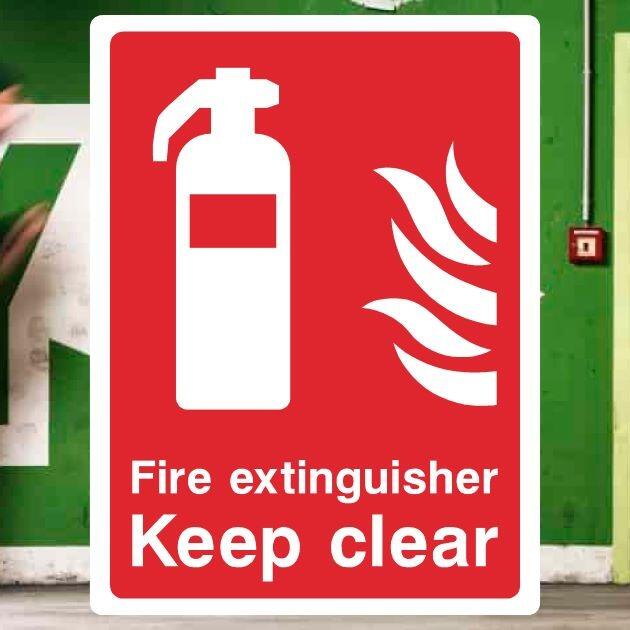
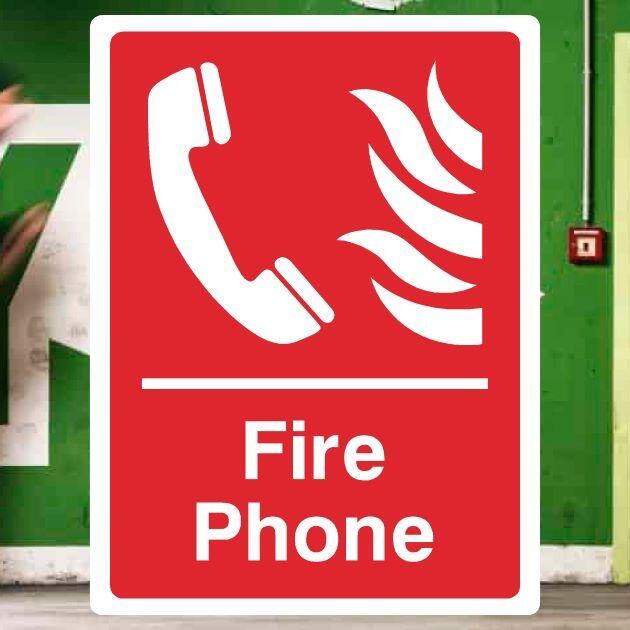
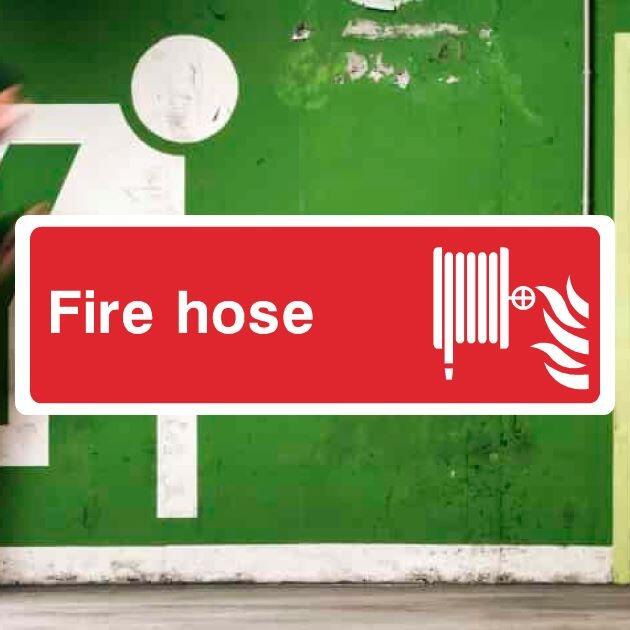
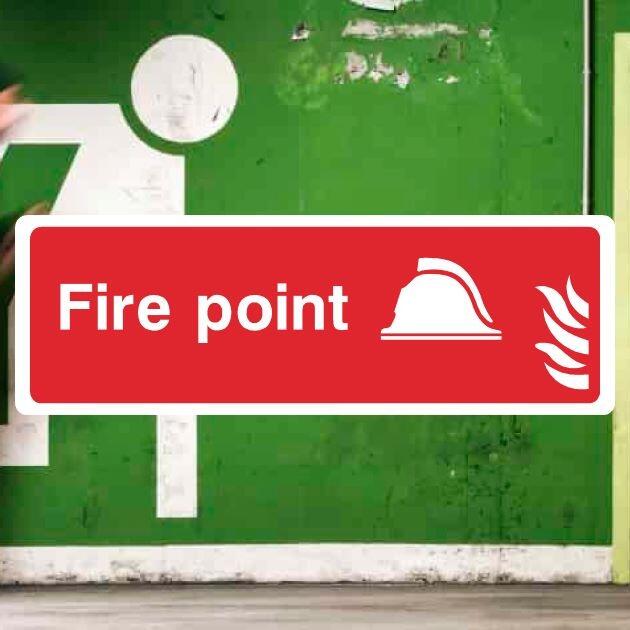
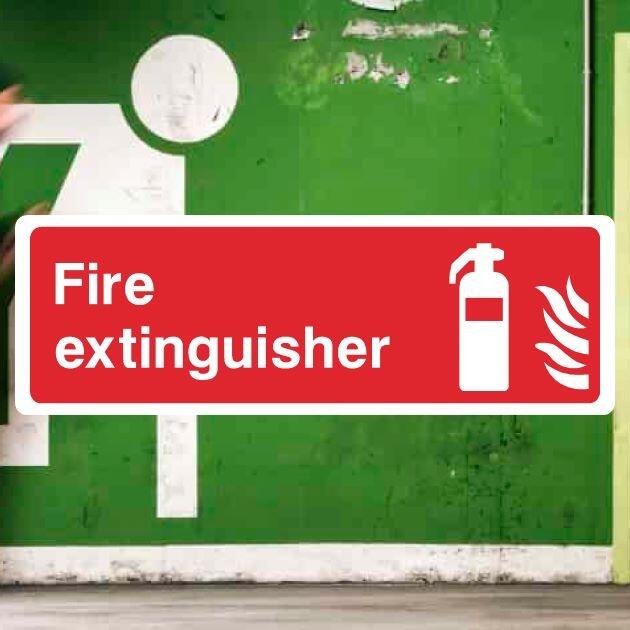
Fire Extinguisher Location Sign
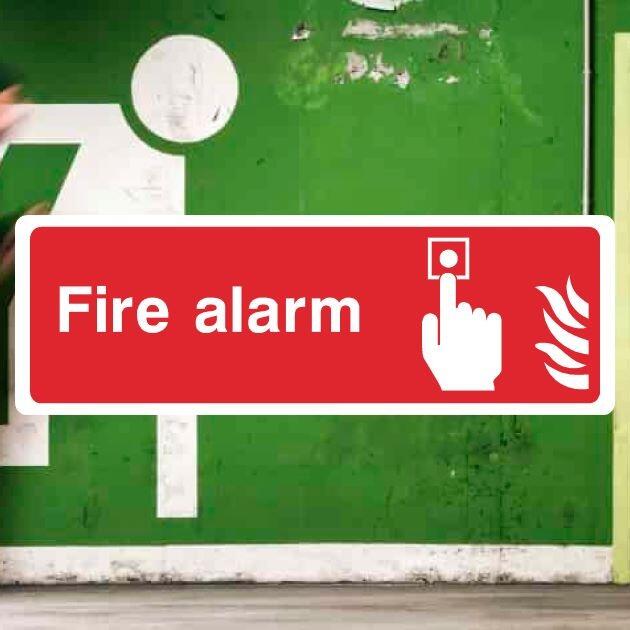
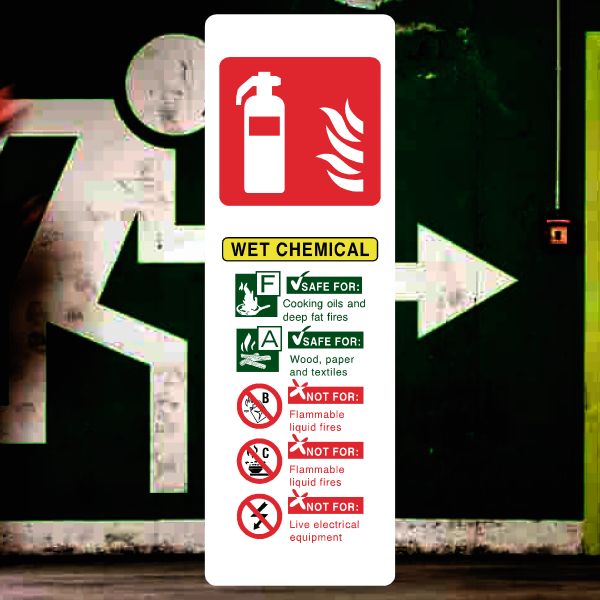
Wet Chemical Extinguisher Sign v2
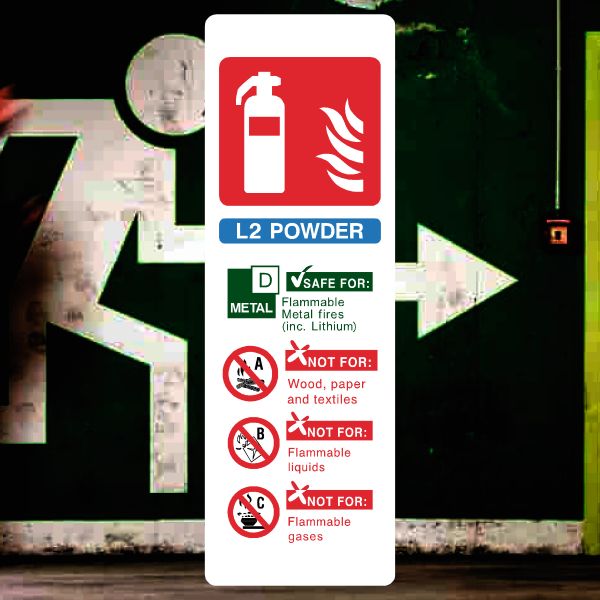
L2 Powder Fire Extinguisher Sign
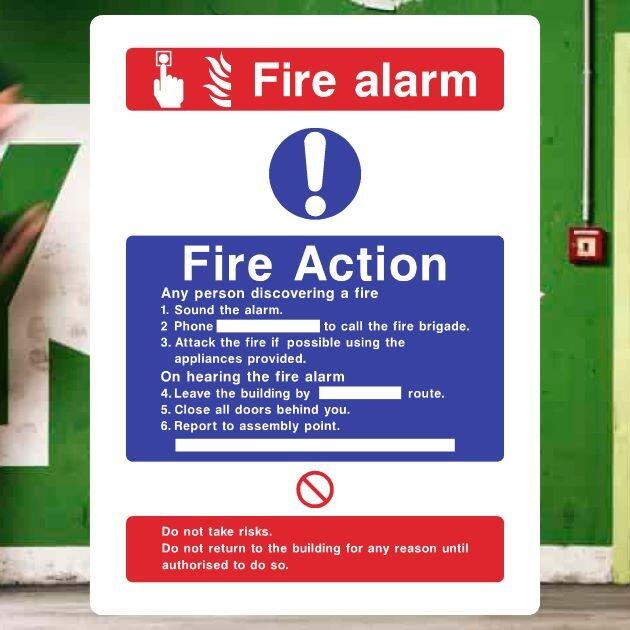
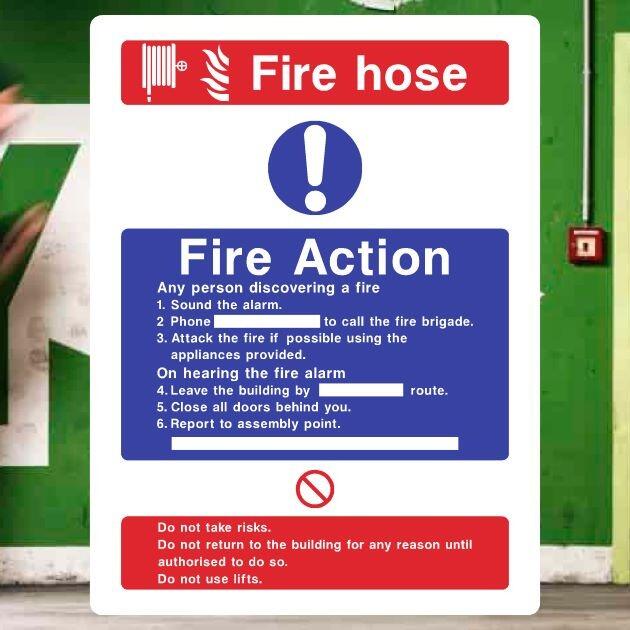
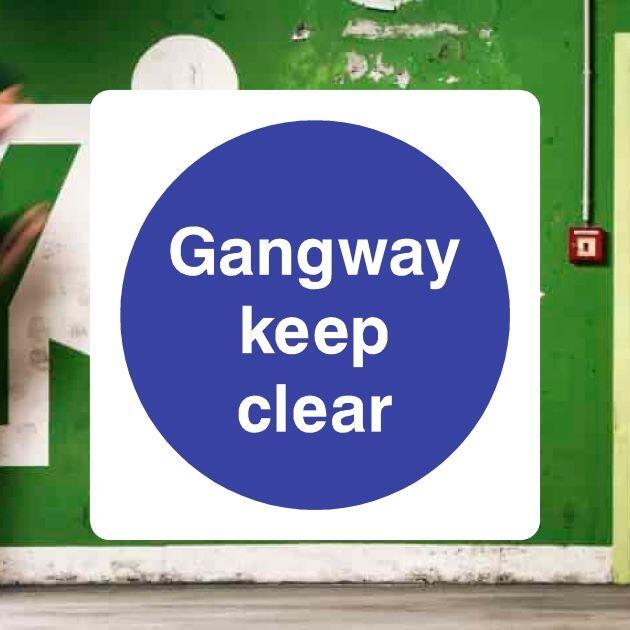
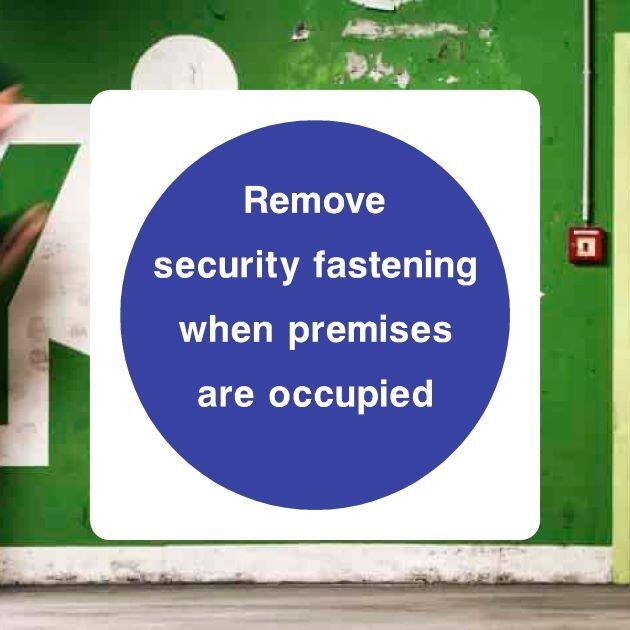
Remove Security Fastening Sign
Fire Safety Signs for UK Workplaces & Businesses
Clear Fire Safety Signs help people identify escape routes, locate firefighting equipment and understand important fire safety instructions.
Our range covers workplaces, offices, warehouses, factories, schools, shops, hospitality premises, construction sites and other commercial and public environments.
Choose from fire exit signs, fire equipment signs, fire action notices, fire door signs, fire assembly point signs and other fire safety signage in a choice of sizes and durable materials.
Fire Exit Signs
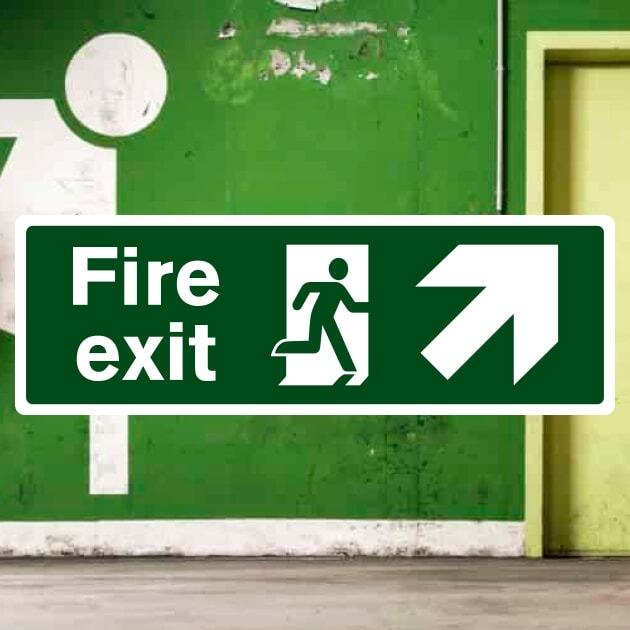
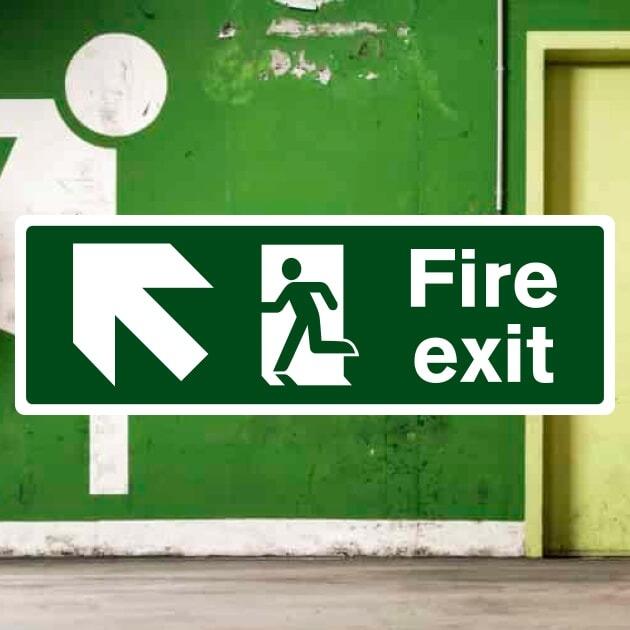
Fire exit signs help people identify emergency escape routes and the direction of travel towards a place of safety.
Depending on the layout of the premises, signs may be needed above or beside exits, at changes of direction, at stairways and at other points where the correct escape route might not otherwise be obvious.
The signs should create a clear and consistent route rather than leaving people to guess which direction to take.
For our complete range of directional and emergency escape signage, view our Fire Exit Signs.
Fire Equipment Signs
Fire equipment signs help people identify firefighting and alarm equipment.
These can include signs for:
- Fire extinguishers
- Fire alarm call points
- Fire blankets
- Fire hose reels
- Fire hydrants
- Dry risers
- Wet risers
- Fire points
Signs should be positioned so the relevant equipment can be located quickly.
Where equipment could become partially obscured by furniture, vehicles or other objects, positioning the identification sign above it can improve visibility.
Fire Extinguisher Signs
Fire extinguisher signs can help identify extinguisher locations and, depending on the design, provide useful information about the extinguisher.
They should support rather than replace appropriate extinguisher provision, inspection, maintenance and staff training.
Where different extinguisher types are installed, make sure identification remains accurate if equipment is moved or replaced.
Fire Action Signs & Notices
Fire action notices communicate what people should do if they discover a fire or hear the fire alarm.
Information may include instructions to:
- Raise the alarm
- Leave by the nearest appropriate exit
- Report to an assembly point
- Avoid using lifts
- Contact the fire and rescue service where required by the premises' procedure
The information displayed should match the actual emergency arrangements for the building.
Review fire action notices whenever evacuation procedures, assembly points or other relevant arrangements change.
Fire Door Signs
Fire doors form part of a building's wider fire precautions, and signs can communicate how particular doors should be used.
Common messages include:
- Fire Door Keep Shut
- Fire Door Keep Locked
- Automatic Fire Door Keep Clear
- Fire Door Keep Clear
- Keep Closed
Choose the instruction appropriate to the particular door.
A fire door sign does not make an unsuitable or defective door safe. Correct specification, installation, inspection and maintenance remain important.
Fire Assembly Point Signs
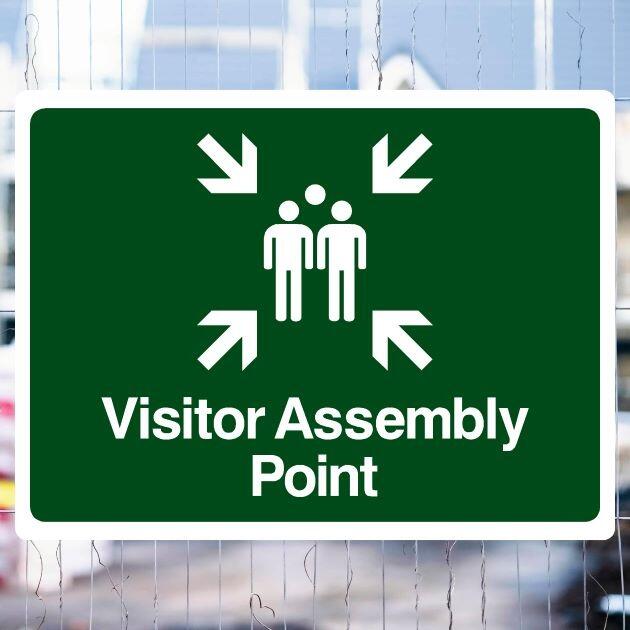
Fire assembly point signs identify the location where people should gather following an evacuation.
They should be positioned so people leaving the building can find the designated assembly area easily.
On larger sites, directional signs may also be useful to guide people from exits towards the assembly point.
If a site has several assembly areas, clearly naming or numbering them can help prevent confusion.
Fire Alarm & Call Point Signs
Fire alarm call point signs can help make manual alarm points easier to locate.
Position identification signs where they remain visible and make sure they correspond with the equipment actually installed.
Fire alarm signage is only one part of the overall alarm system and should not be treated as a substitute for appropriate alarm provision, testing and maintenance.
Fire Hydrant & Riser Signs
Some premises require signs identifying fire hydrants, dry risers, wet risers and other facilities intended for firefighting operations.
These signs can help make equipment or access points easier to identify and can also communicate the need to keep important areas clear.
Make sure signs remain visible and are not obscured by parked vehicles, stored materials or vegetation.
Fire Exit Keep Clear Signs
Fire exits and escape routes need to remain usable when required.
Signs such as Fire Exit Keep Clear can communicate that doors, routes or external areas should not be obstructed.
However, a sign alone is not enough if the area is routinely blocked.
Good housekeeping, staff procedures and regular checks should support the message displayed on the sign.
Photoluminescent Fire Safety Signs
Photoluminescent, or glow-in-the-dark, fire safety signs absorb light and then remain visible for a period when surrounding illumination is reduced.
They are available for many fire safety applications, including fire exits, fire doors, extinguishers, alarm points and fire equipment.
Photoluminescent signs can provide additional visual identification in low-light conditions, but they should not automatically be treated as a replacement for emergency lighting where emergency lighting is required.
Choose them as part of the wider fire safety arrangements for the premises.
Fire Safety Sign Colours
Colour helps people recognise the purpose of safety signage quickly.
Green and white are commonly used for safe-condition information such as emergency escape routes and exits.
Red and white are used to identify fire-fighting equipment.
Other fire-related instructions can use different recognised safety-sign formats depending on the message being communicated.
Consistency is important. Using familiar colours and symbols makes signs easier for employees, contractors and visitors to understand.
BS EN ISO 7010 Fire Safety Signs
BS EN ISO 7010 provides standardised graphical safety symbols used for safety communication, including symbols relevant to fire equipment and emergency escape.
Using recognised symbols can make signage easier to understand across different workplaces and for people who may not rely primarily on written English.
However, ISO 7010 is a standard rather than a piece of UK legislation in itself.
The signs required at a particular premises should be determined by the applicable fire safety duties, risk assessment and site-specific circumstances.
Fire Safety Signs & UK Requirements
UK workplaces and premises can be subject to several fire and workplace safety requirements depending on the location and type of premises.
The Health and Safety (Safety Signs and Signals) Regulations 1996 address workplace safety signs and signals, including circumstances where safety signs are needed because a significant risk remains after other appropriate measures have been taken.
Fire safety legislation also places duties on those responsible for relevant premises, including requirements relating to fire precautions and emergency arrangements.
The exact signs required will depend on factors including:
- The fire risk assessment
- Building layout
- Escape routes
- Firefighting equipment
- Occupancy
- Emergency procedures
- The people using the premises
There is therefore no single pack of fire safety signs that is automatically correct for every UK business.
Which Fire Safety Signs Does My Business Need?
Start with your fire risk assessment and the actual layout and emergency arrangements for the premises.
Consider whether people can clearly identify:
- Their escape route
- Changes of direction along that route
- The final exit
- Fire alarm call points
- Firefighting equipment
- Fire doors and any instructions relating to them
- Fire action procedures
- The assembly point
- Areas that must remain clear
Pay particular attention to visitors, contractors and new employees who may not know the building.
A route that seems obvious to someone who works there every day may be much less obvious to a first-time visitor.
Where Should Fire Safety Signs Be Positioned?
Position signs where people need the information and where they can see it clearly.
This might include:
- Above or beside exits
- At corridor junctions
- At changes of direction
- Beside or above fire equipment
- Near alarm call points
- On fire doors
- At entrances and reception areas
- Along escape routes
- At assembly points
- Near fire hydrants and risers
Consider sightlines as well as mounting height.
A sign can be technically present but practically useless if it is hidden behind an open door, shelving, stock or other equipment.
Avoid Too Many Fire Safety Signs
More signs do not automatically mean a safer workplace.
Excessive or conflicting signage can create visual clutter and make important instructions harder to identify.
Choose signs based on the actual risks, emergency arrangements and information people need at each location.
Remove obsolete signs when equipment is moved, routes change or procedures are updated.
What Size Fire Safety Sign Do I Need?
Choose sign size according to viewing distance, location and the importance of the message.
A sign directly above an extinguisher may have different requirements from a directional escape sign that needs to be recognised from the far end of a corridor.
Consider:
- Viewing distance
- Lighting
- Mounting height
- Obstructions
- Amount of information
- Environment
- Whether people may need to identify the sign quickly during an emergency
The message and symbol should remain clear from the expected viewing position.
Choosing Fire Safety Signs for Indoor & Outdoor Use
Choose a sign material suitable for the environment in which it will be installed.
Consider factors such as:
- Indoor or outdoor location
- Moisture
- UV exposure
- Cleaning
- Impact
- Mounting surface
- Required lifespan
Self-adhesive signs can be useful on suitable smooth surfaces, while rigid materials may be more appropriate for longer-term installation on walls, fences and posts.
Review Your Fire Safety Signs Regularly
Fire safety signage should not be treated as a one-off installation.
Check signs periodically to make sure they remain:
- Correct
- Visible
- Legible
- Undamaged
- Securely mounted
- Relevant to the current layout
Review signage whenever the building layout, fire equipment, escape routes or emergency procedures change.
Made in Britain Fire Safety Signs
Safety Sheep fire safety signs are made in Britain and available in a wide range of messages, sizes and materials for workplaces and commercial premises.
Whether you need signs for fire exits, extinguishers, fire doors, alarm points, fire action procedures or assembly areas, choose signage that clearly supports the fire safety arrangements identified for your premises.
Fire Safety Signs FAQs
What are Fire Safety Signs?
Fire safety signs communicate information relating to fire precautions, escape routes, firefighting equipment and emergency procedures.
They include fire exit signs, fire equipment signs, fire action notices, fire door signs and assembly point signs.
Which Fire Safety Signs does my business need?
The signs required depend on your premises, fire risk assessment, building layout, escape routes, fire equipment and emergency procedures.
There is no single set of fire signs that is automatically suitable for every business.
Are Fire Safety Signs a legal requirement in the UK?
Safety signs may be required where risks cannot adequately be avoided or reduced by other measures. Fire safety duties can also require appropriate arrangements for evacuation and identification of escape routes and firefighting equipment.
The exact requirements depend on the premises and its fire risk assessment.
What colour are Fire Safety Signs?
Different colours communicate different types of safety information.
Green and white are commonly used for safe-condition information such as emergency escape routes, while red and white are used to identify firefighting equipment.
What is BS EN ISO 7010?
BS EN ISO 7010 is a recognised standard that specifies registered graphical safety symbols.
It helps provide consistent safety symbols that can be understood quickly across different workplaces and environments.
Do Fire Safety Signs have to comply with ISO 7010?
Recognised ISO 7010 graphical symbols are widely used for safety signage, and HSE guidance discusses BS EN ISO 7010 in relation to the Health and Safety (Safety Signs and Signals) Regulations.
However, ISO 7010 is a standard rather than legislation itself, and the appropriate signage depends on the circumstances and applicable requirements.
Where should Fire Safety Signs be displayed?
Fire signs should be positioned where people need the information and can see it clearly.
Depending on their purpose, this can include escape routes, exits, corridor junctions, fire equipment locations, alarm points, fire doors and assembly areas.
What is the difference between a Fire Exit Sign and a Fire Equipment Sign?
Fire exit signs use safe-condition signage to guide people along escape routes towards a place of safety.
Fire equipment signs identify equipment such as fire extinguishers, fire alarm call points and hose reels.
Do I need Fire Extinguisher Signs?
Where signs are necessary to make firefighting equipment readily identifiable, appropriate fire equipment signage should be provided.
The precise arrangement depends on the premises, equipment location and risk assessment.
Do I need Fire Door Signs?
Fire doors may require appropriate signs explaining how they should be used, such as Fire Door Keep Shut or Automatic Fire Door Keep Clear.
The correct instruction depends on the particular door and its function.
Are Glow in the Dark Fire Safety Signs required?
Photoluminescent signs are not automatically required in every UK workplace.
Whether they are appropriate depends on the premises and wider fire safety arrangements. They should not be treated as a replacement for emergency lighting where emergency lighting is required.
From The Safety Sheep Blog