


What PPE Signs Should Construction Sites Display?
What PPE signs should construction sites display? Learn how to choose clear, durable UK safety signs for site entrances, changing risks and daily c...



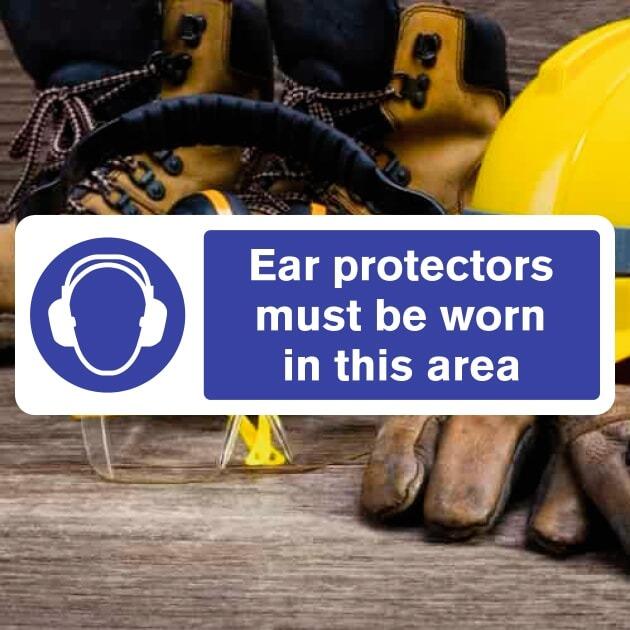
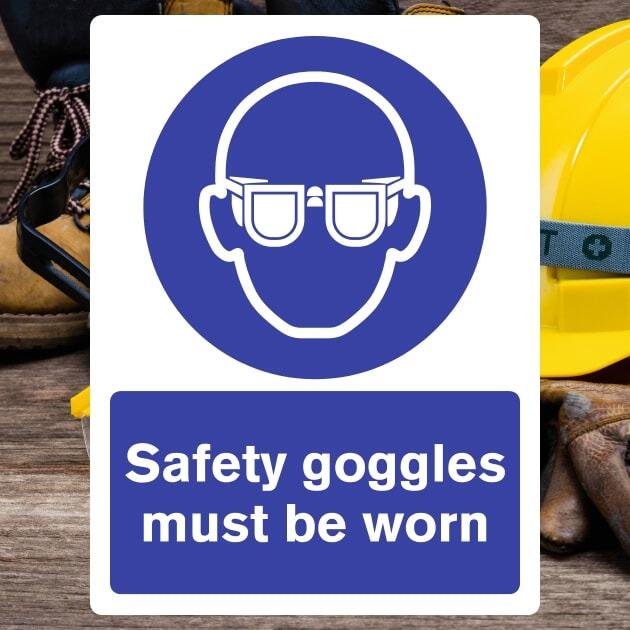
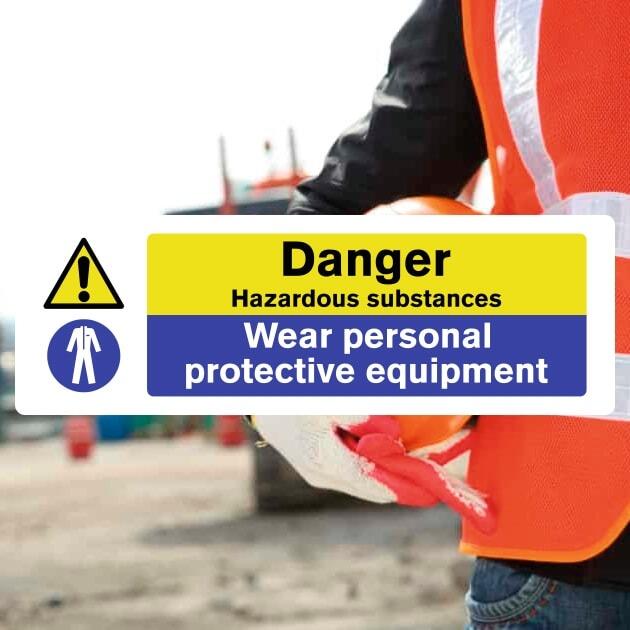

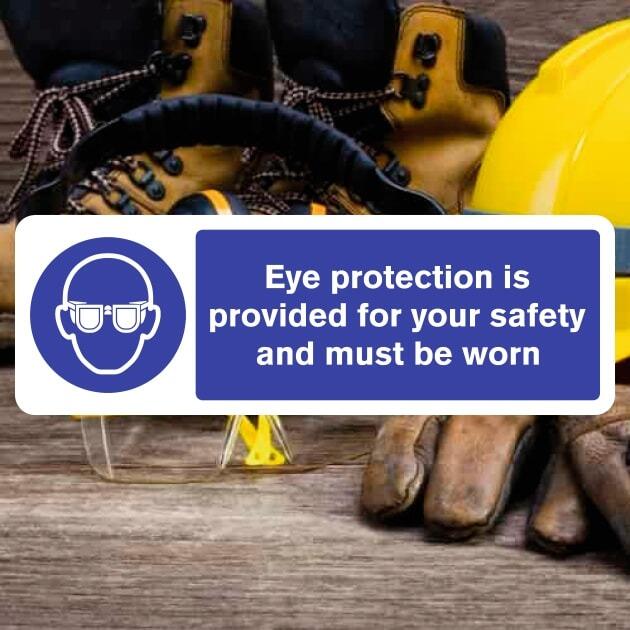
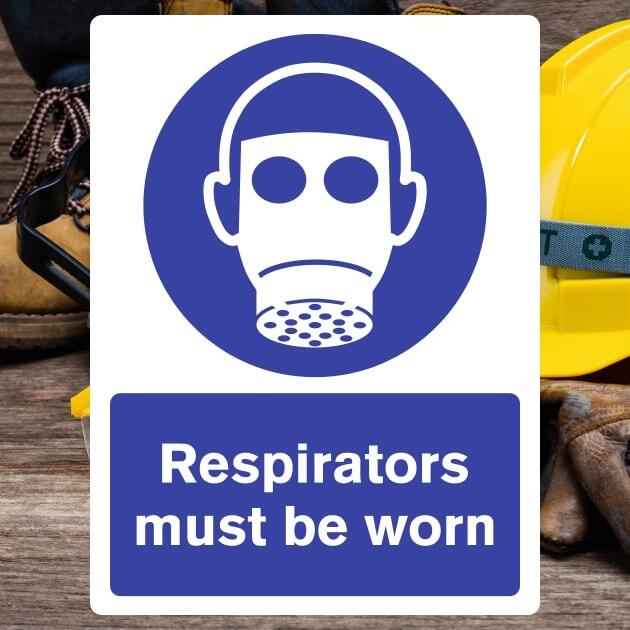
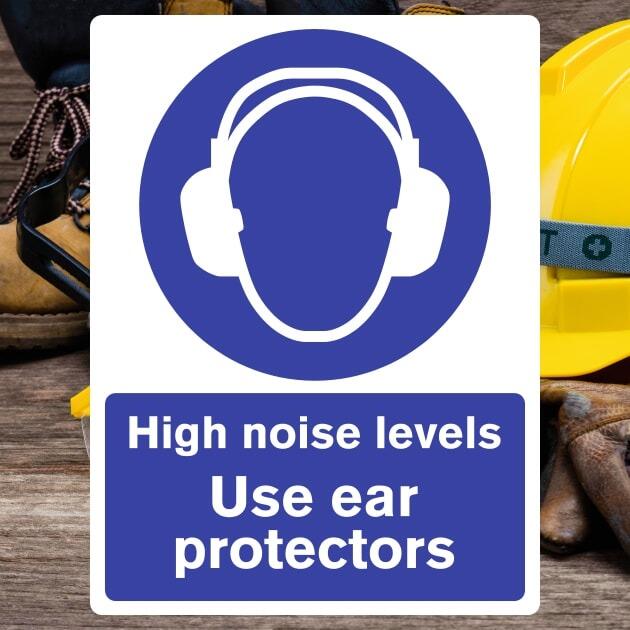
Protective Footwear Safety Sign

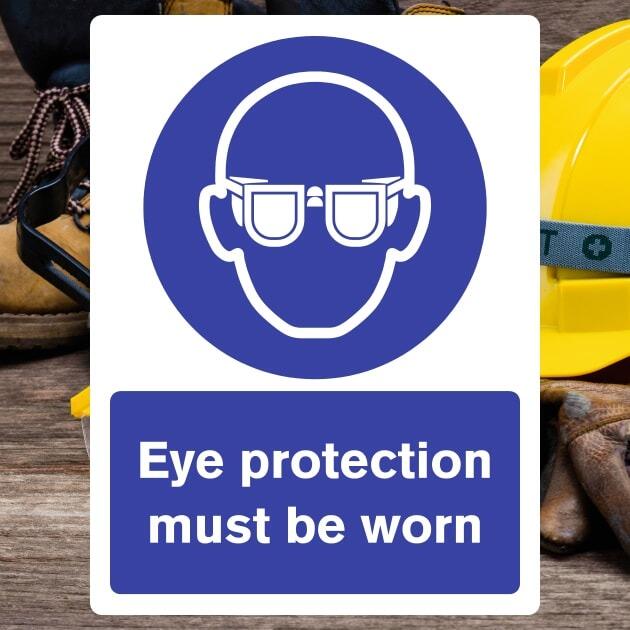
Wear Eye Protection Sign Portrait
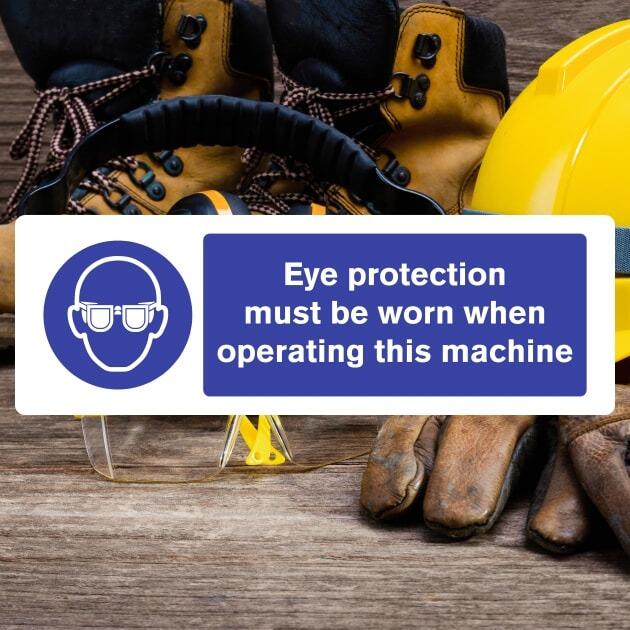
Wear Eye Protection Machine Sign
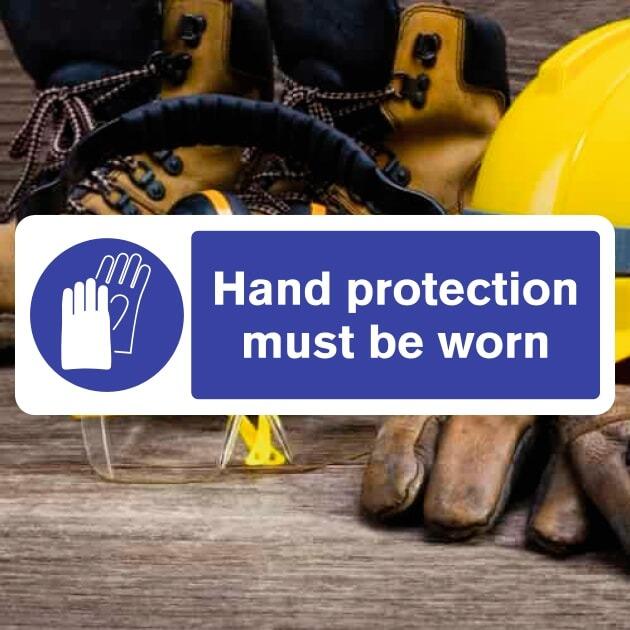
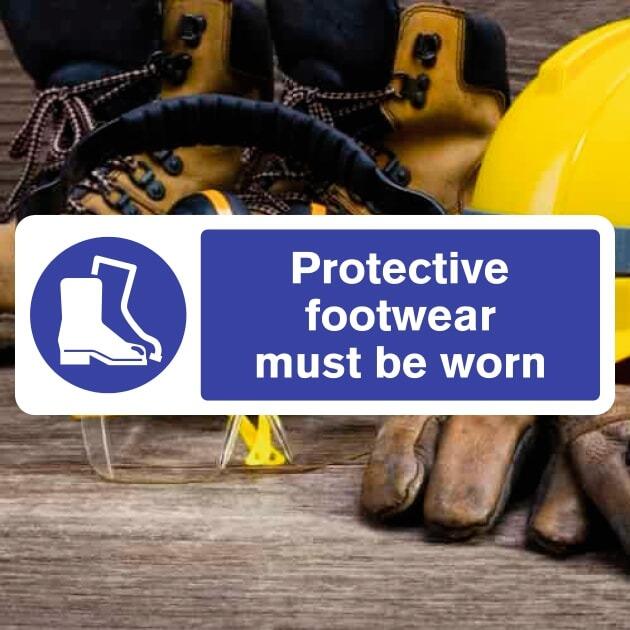
Protective Footwear Must Be Worn Sign


Ear Protection Must Be Worn Sign
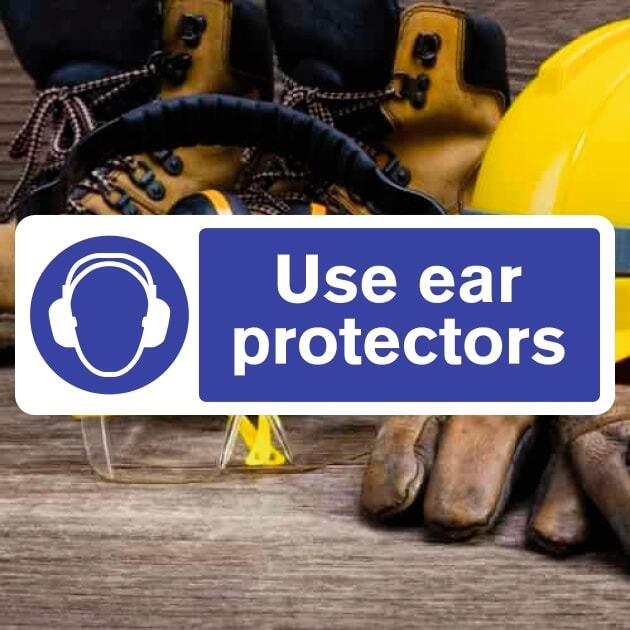
Ear Protection Must Be Worn Sign v2
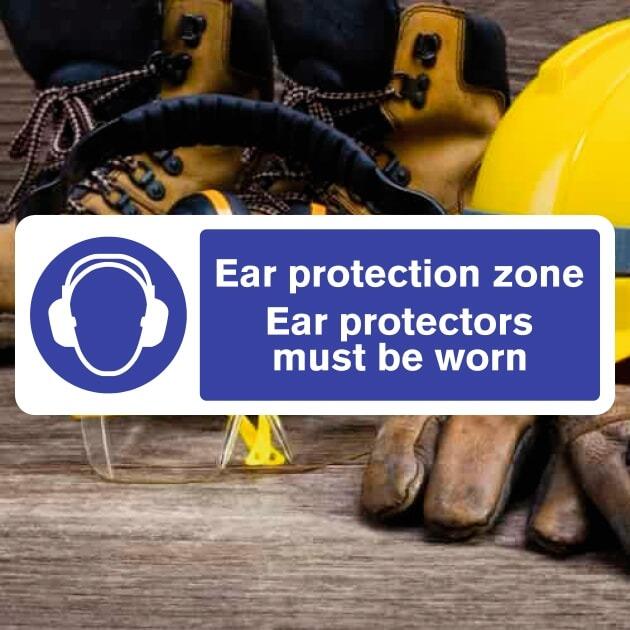
Ear Protection Required Sign v2

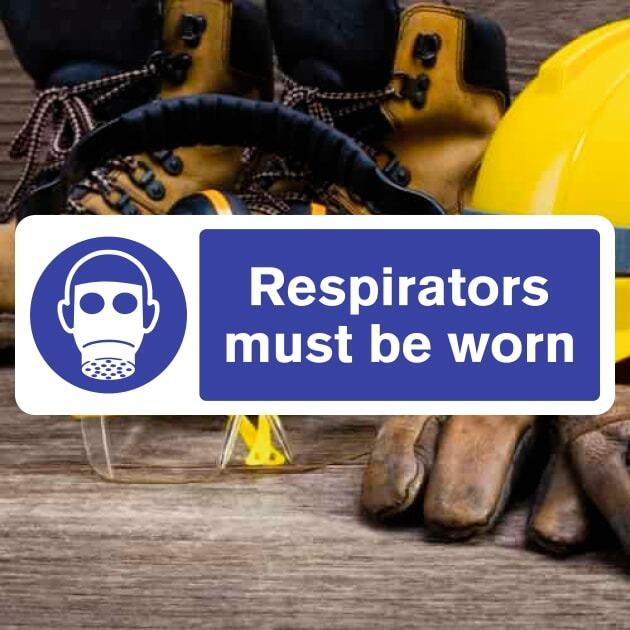
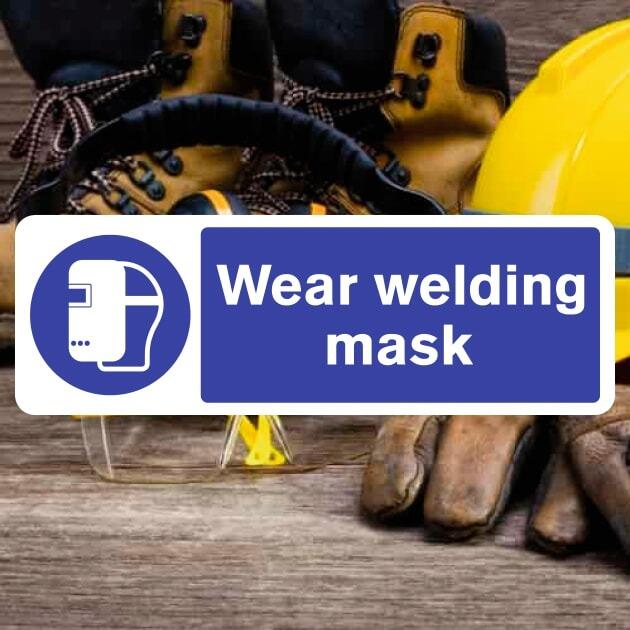
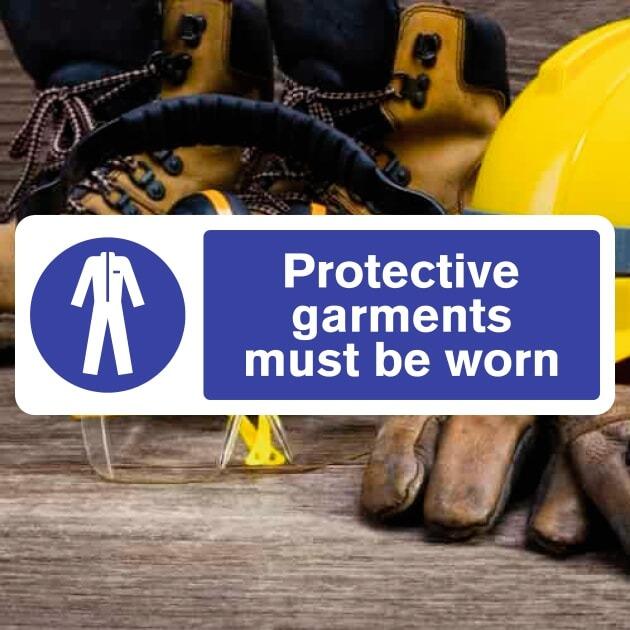
PPE Signs help employers and site managers clearly communicate where personal protective equipment must be worn.
From construction sites and factories to warehouses, workshops and maintenance areas, PPE safety signs can reinforce requirements for equipment such as safety helmets, eye protection, hearing protection, safety footwear, high-visibility clothing, gloves and respiratory protection.
Safety Sheep supplies Made in Britain PPE signs in a choice of sizes and durable materials for different workplace environments.
PPE signs are mandatory safety signs used to communicate personal protective equipment requirements.
Common examples include:
Signs can communicate a single requirement or combine several PPE instructions where they apply from the same point.
PPE requirements are normally communicated using mandatory safety signs.
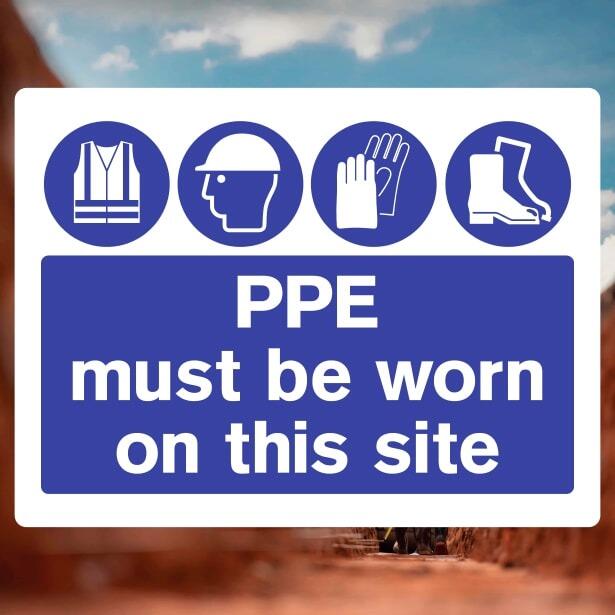
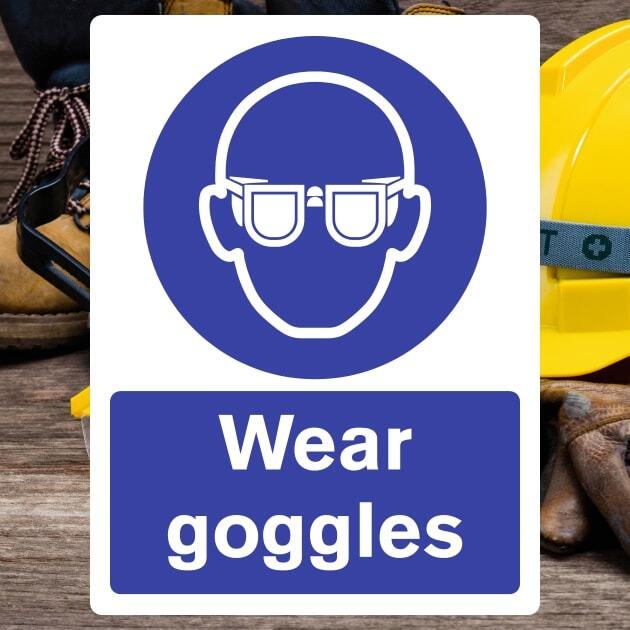
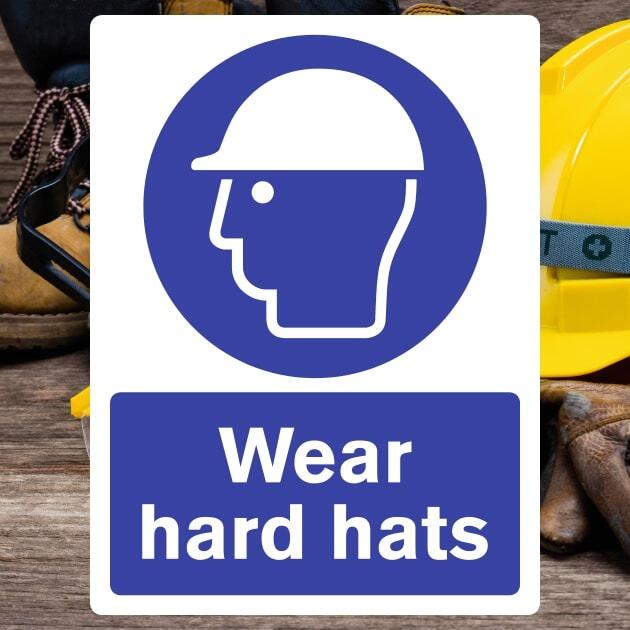
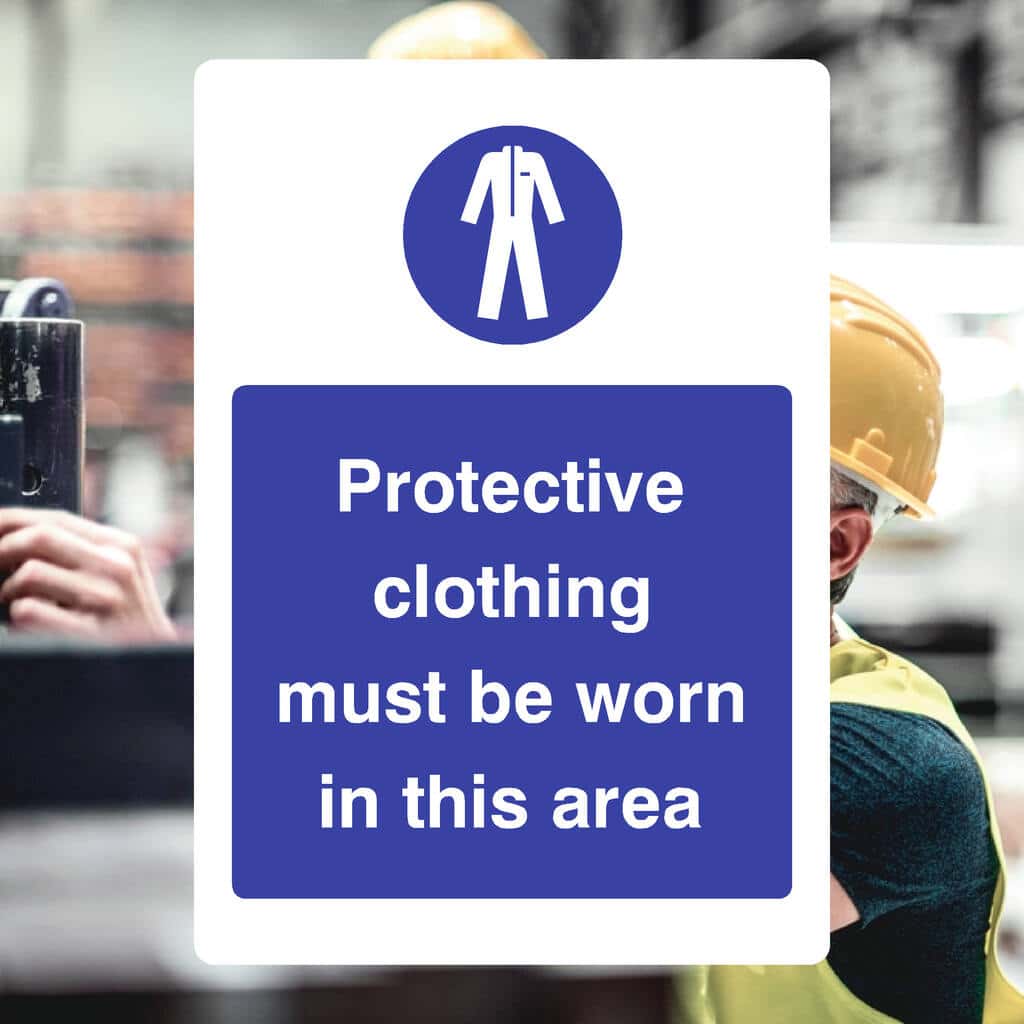
Mandatory signs use a circular shape with a white pictogram on a blue background.
The consistent format helps workers and visitors quickly recognise that the sign is communicating an action that must be followed.
Supplementary text can also be used to make the instruction clearer.
Many PPE signs use graphical symbols standardised by BS EN ISO 7010.
These recognised symbols provide consistent visual communication for requirements such as head protection, eye protection, hearing protection and safety footwear.
BS EN ISO 7010 is a safety-symbol standard rather than legislation itself.
Using a recognised symbol does not by itself make a workplace legally compliant. The PPE requirement and associated controls still need to be appropriate to the actual risk.
PPE signs are useful where personal protective equipment is required within a workplace, site or particular work area.
For example:
Construction site entrance: Hard hats, hi-vis clothing and safety footwear.
Grinding area: Eye protection.
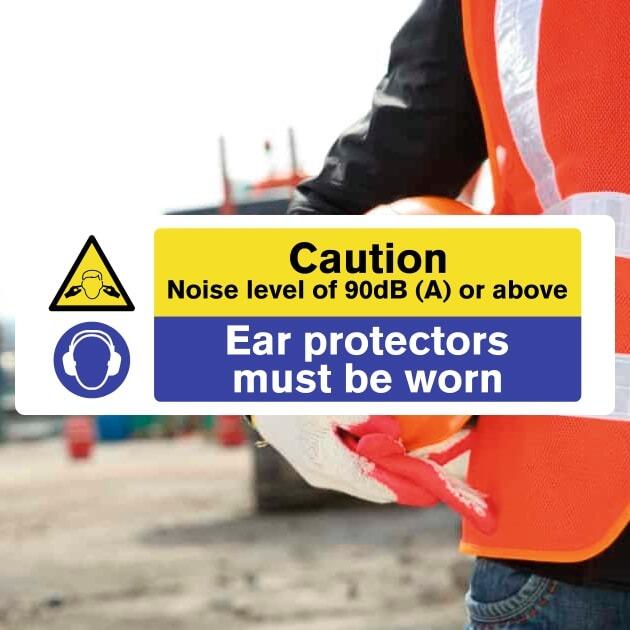
High-noise area: Hearing protection.
Chemical-handling area: Appropriate gloves and eye/face protection.
Dust-producing work: Appropriate respiratory protection where required.
The PPE requirement should come from the assessment and control of the risk, rather than simply from the availability of a sign.
A PPE sign communicates an instruction.
It doesn't control the underlying hazard.
For example:
An Eye Protection Must Be Worn sign doesn't replace guarding or other measures used to control flying particles.
A Hearing Protection Must Be Worn sign doesn't replace measures to reduce harmful noise exposure.
A Safety Harness Must Be Worn sign doesn't replace appropriate work-at-height planning and protection.
A Respiratory Protection Must Be Worn sign doesn't replace appropriate control of hazardous substances.
PPE signage should therefore form part of the wider safety arrangements.
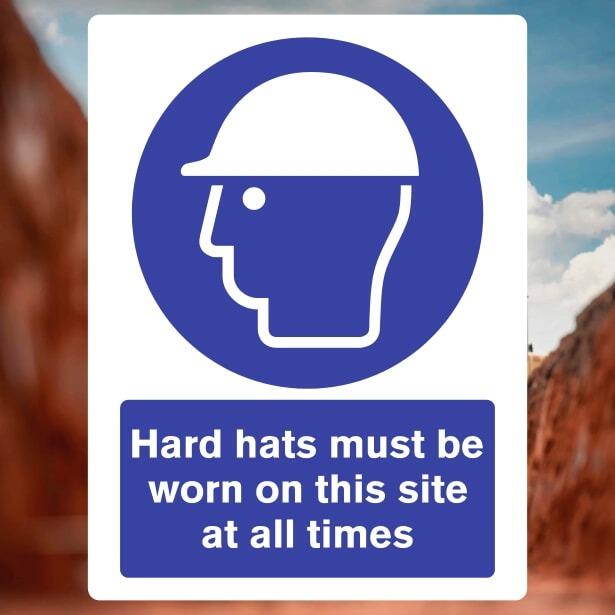
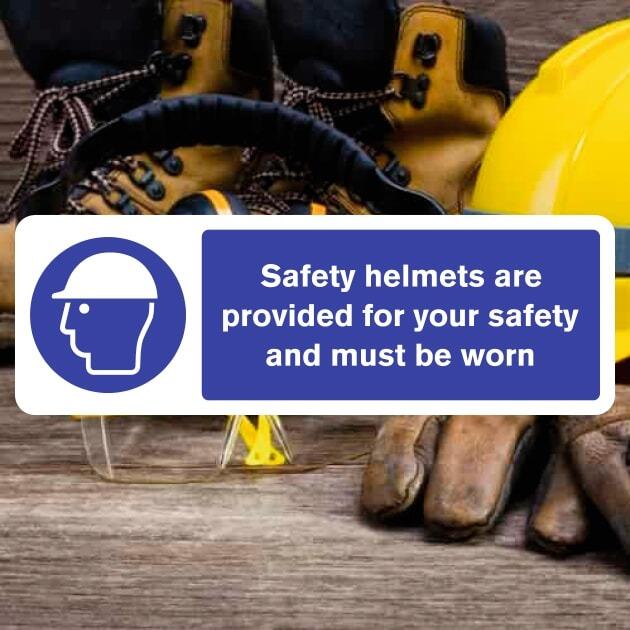
Safety Helmets Must Be Worn signs are widely used on construction sites and in industrial environments where head protection is required.
They can be positioned at:
Where head protection is required throughout an operational construction site, displaying the instruction at the entrance helps workers and visitors understand the requirement before entering.
“Hard hat signs” is a common way customers search for safety helmet signage.
These signs communicate the same general head-protection requirement and typically use the recognised mandatory head-protection symbol.
Where useful, supplementary wording such as Safety Helmets Must Be Worn makes the instruction particularly clear.
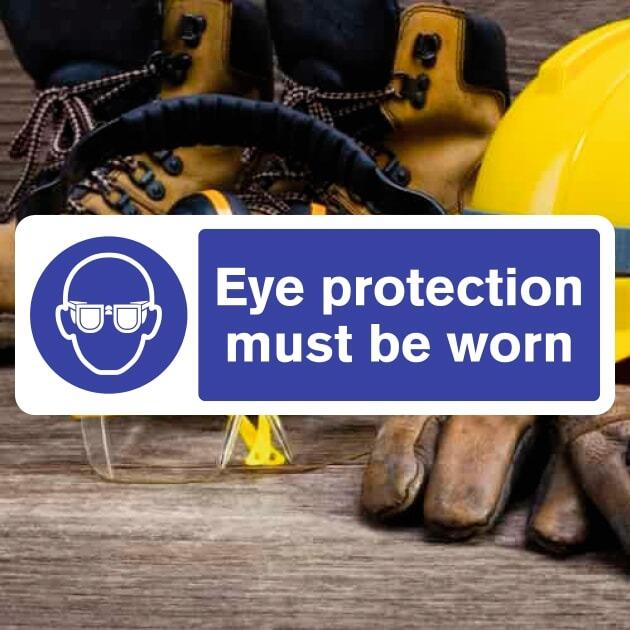
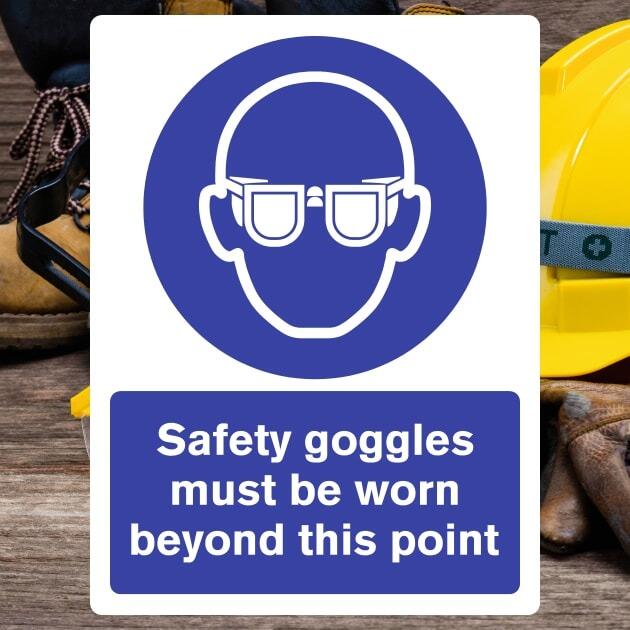
Eye protection signs communicate that suitable eye protection must be worn.
They can be relevant where activities create risks from:
Position the sign where the eye-protection requirement begins.
Some workplaces use more specific wording such as:
Choose wording that accurately reflects the required protection and work activity.
The sign should support the workplace's actual PPE arrangements.
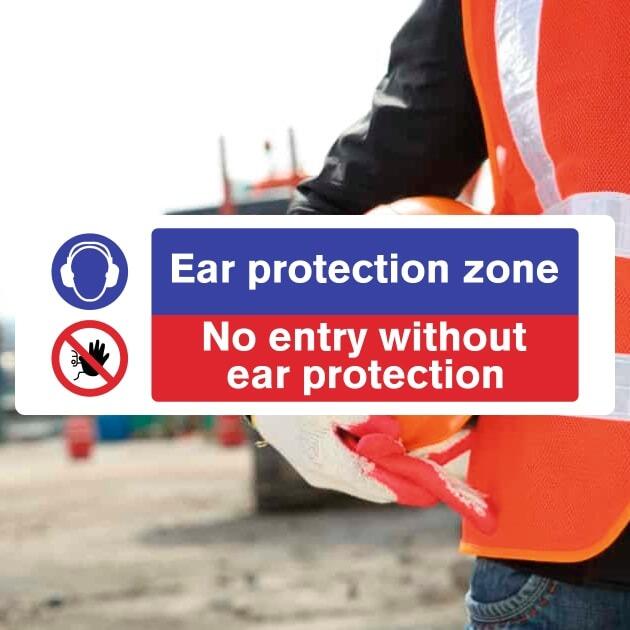
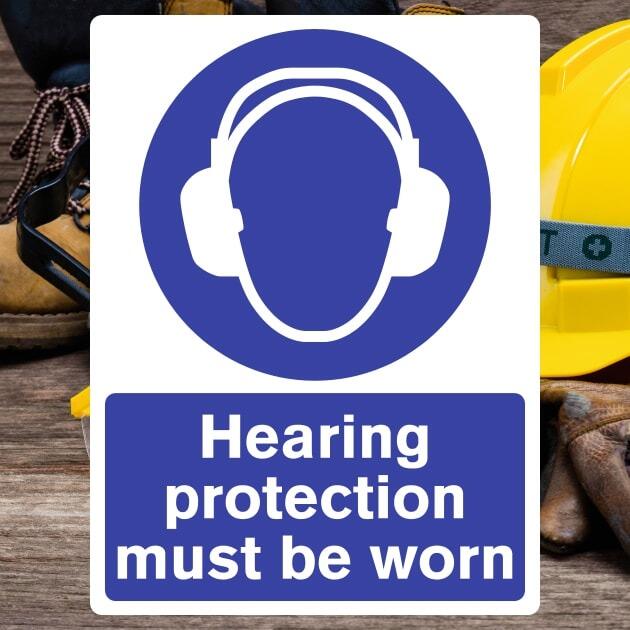
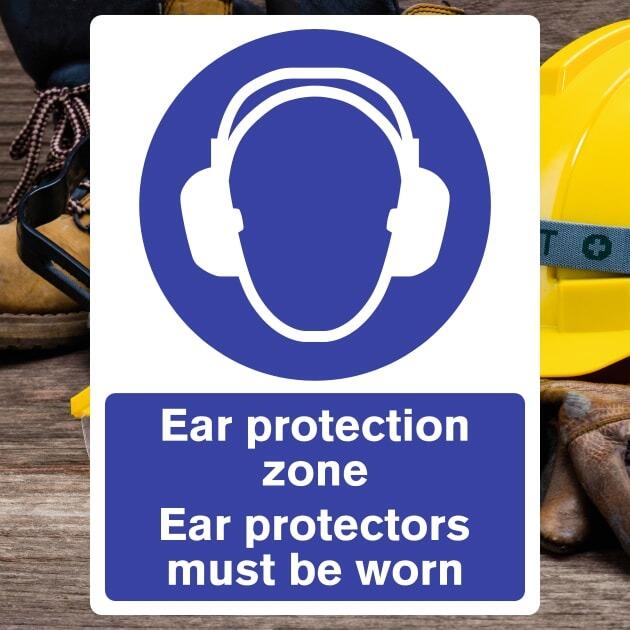
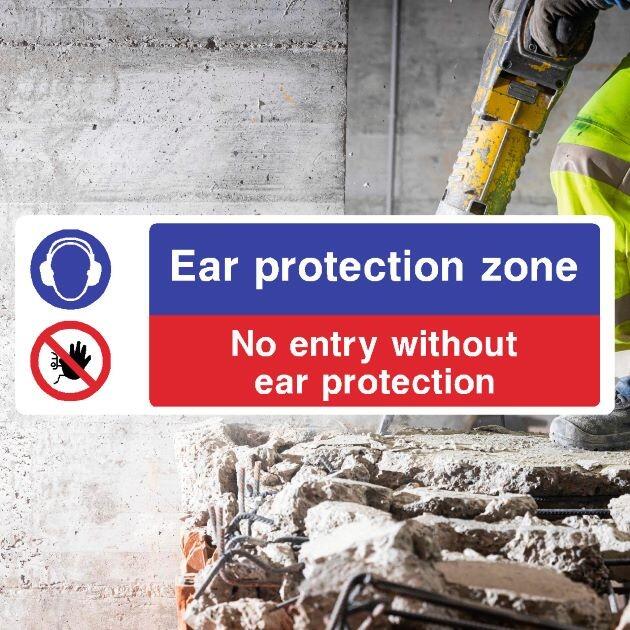
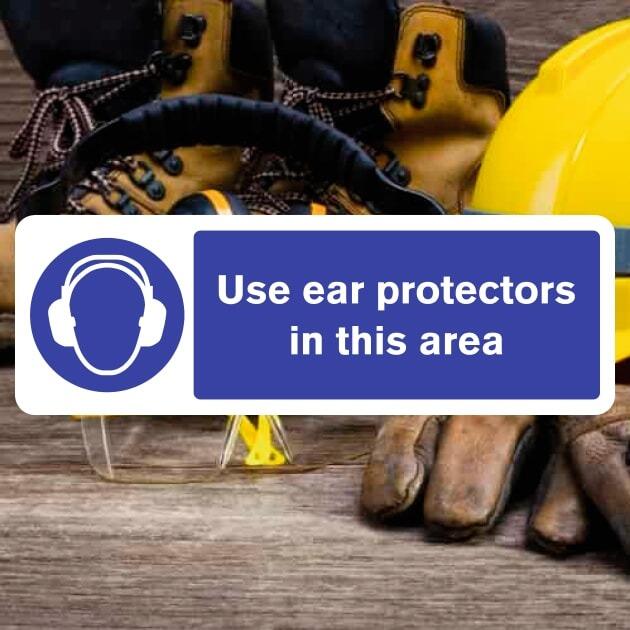
Hearing protection signs identify areas where suitable hearing protection is mandatory.
Typical locations can include:
Signage can reinforce the requirement, but controlling noise exposure remains the priority.
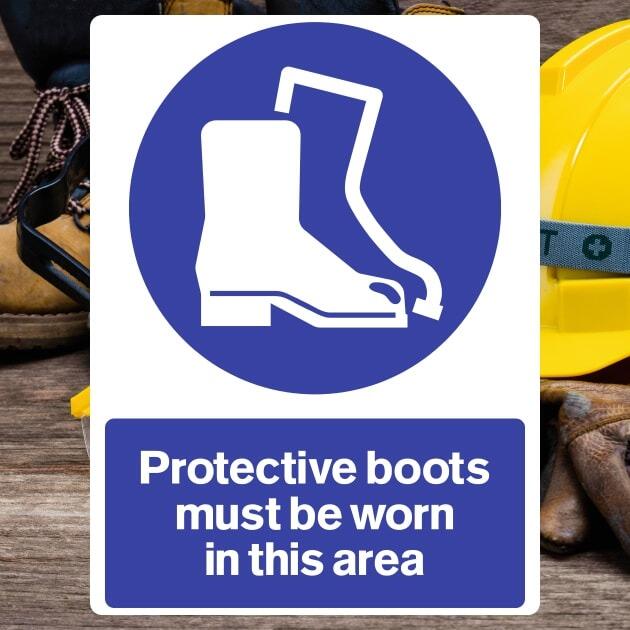
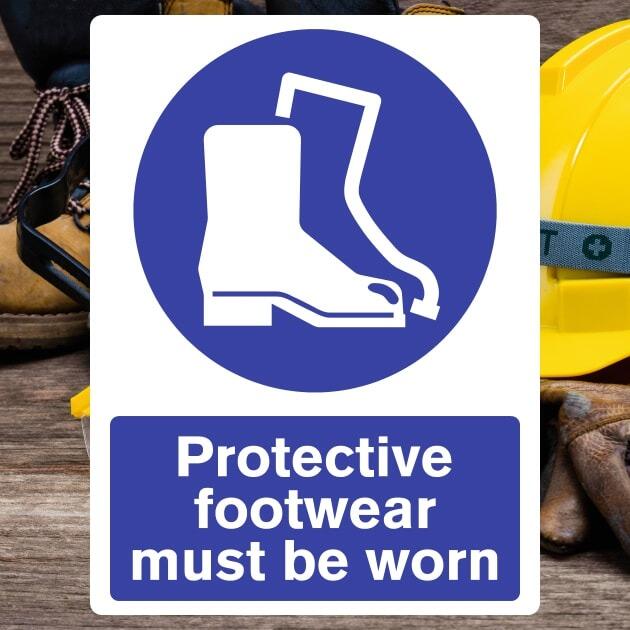
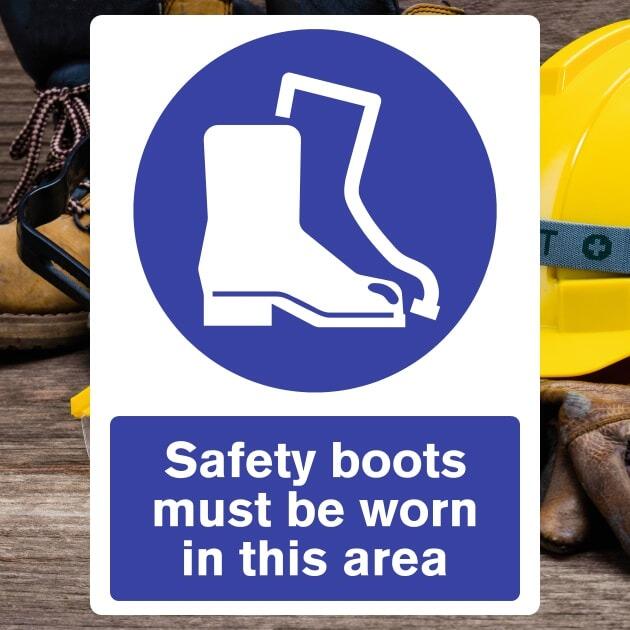
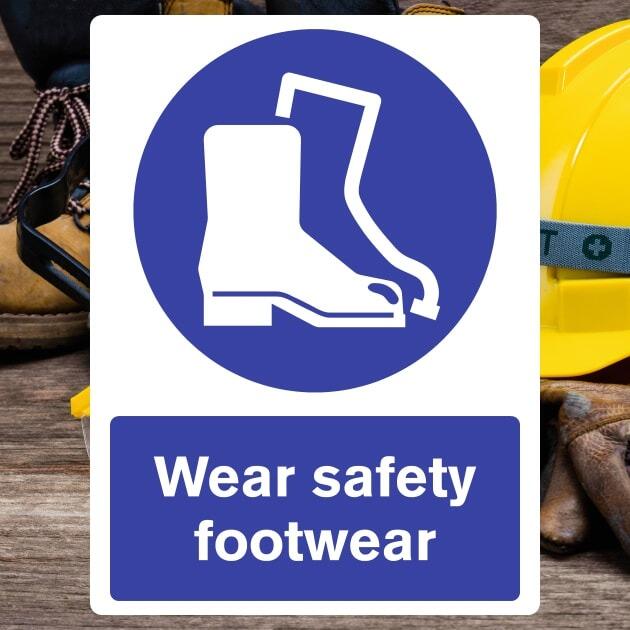
Safety footwear signs communicate requirements for protective footwear.
They are commonly used in:
Where safety footwear is mandatory throughout an operational area, position signs at the entrance so the requirement is clear before people enter.
Customers may search for both Safety Footwear Signs and Safety Boots Must Be Worn Signs.
The appropriate wording depends on the workplace requirement.
Choose a sign that clearly communicates the type of protection employees and visitors are expected to use.
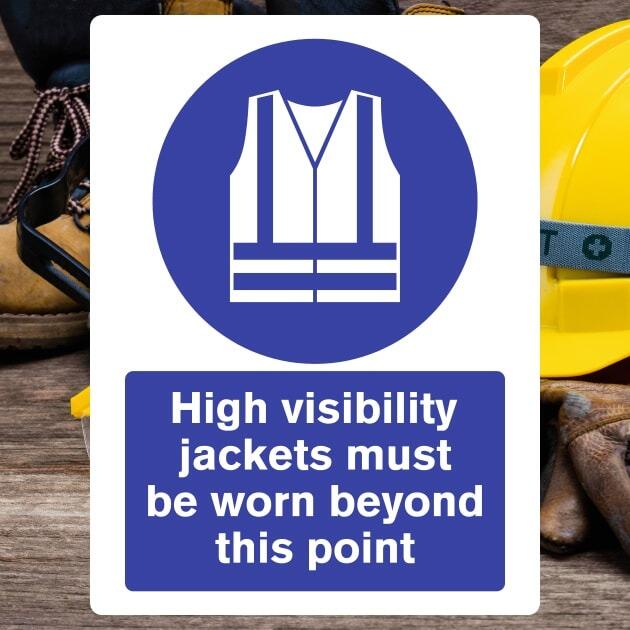
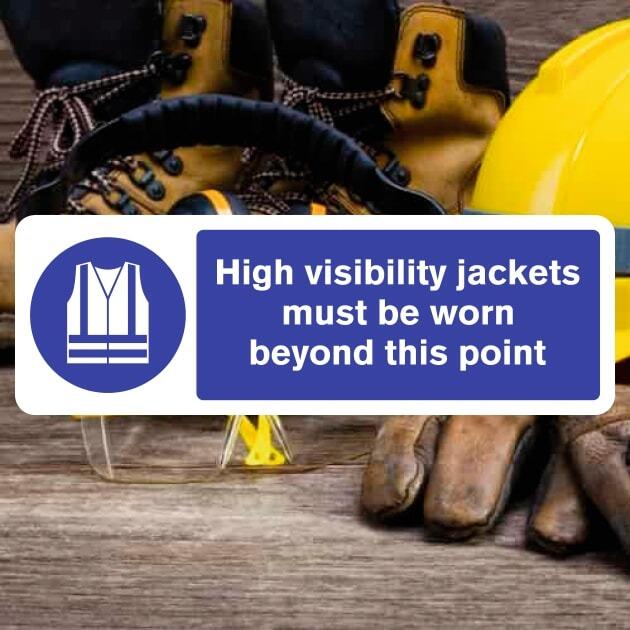
High-visibility clothing signs are particularly common where people work around vehicles, mobile plant or other activities where visibility is important.
Typical applications include:
Where hi-vis clothing is mandatory, position signage before people enter the relevant area.
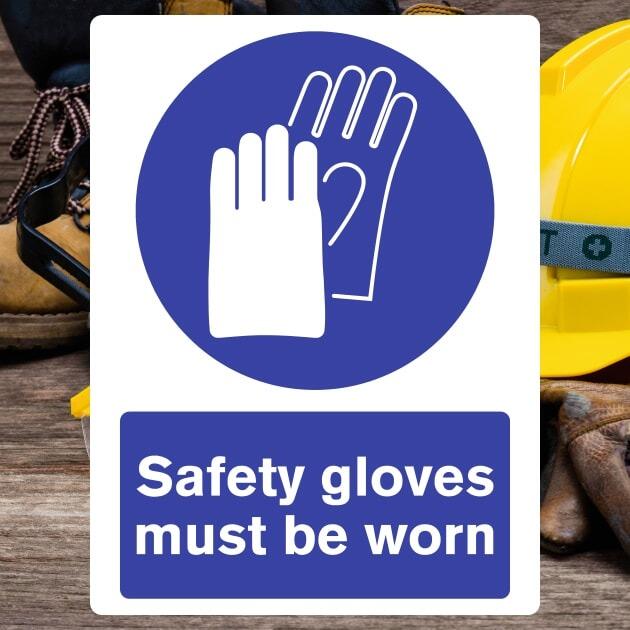
Protective gloves signs communicate where suitable hand protection is required.
Applications can include work involving:
The correct glove type depends on the hazard.
A generic gloves sign doesn't determine which gloves are suitable for the task.
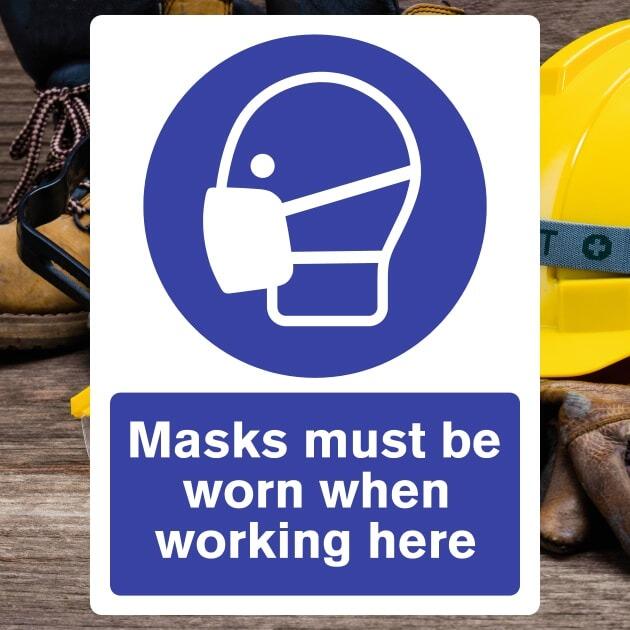
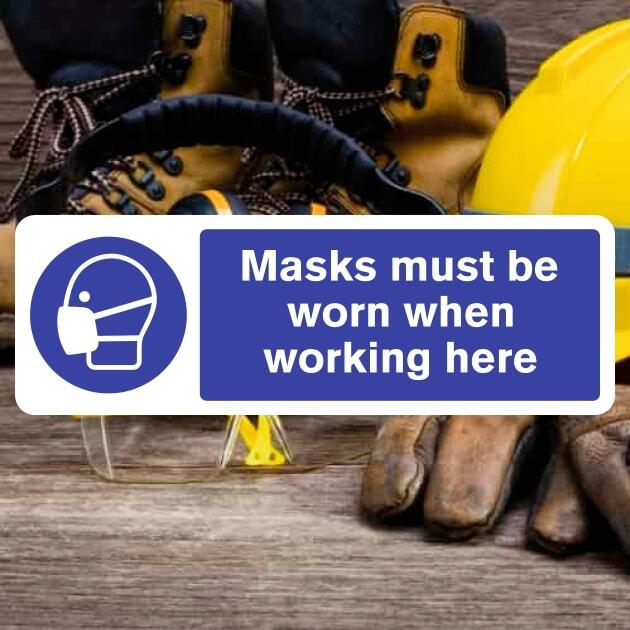
Respiratory protection signs communicate where suitable respiratory protective equipment is required.
These signs can be relevant in areas involving:
Appropriate respiratory protection must be selected for the actual hazard and work activity.
Signage doesn't replace exposure controls, appropriate equipment selection, training or fit testing where required.
Face protection may be required for certain processes involving splashes, particles or other hazards.
A Face Protection Must Be Worn sign can identify the relevant controlled area.
Make sure the sign reflects the actual protective equipment required.
Safety harness signs can communicate a requirement to use appropriate fall-protection equipment in designated areas.
However, displaying a Safety Harness Must Be Worn sign does not by itself make work at height safe.
Work at height needs to be properly planned and controlled using appropriate measures.
Some work areas require more than one item of PPE.
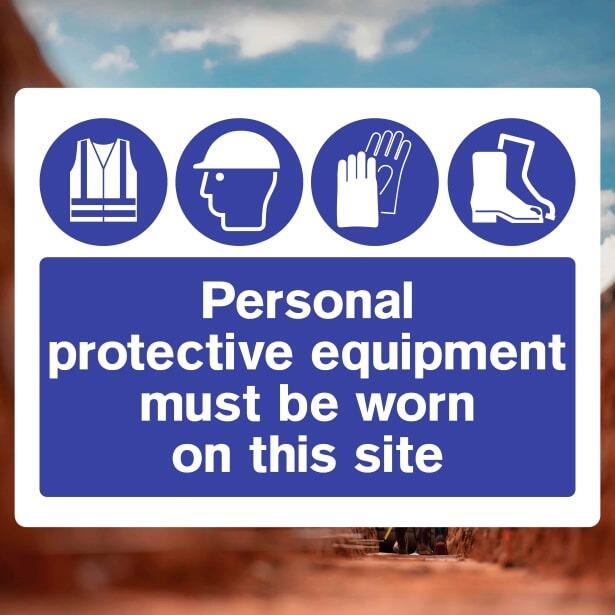
Rather than displaying numerous separate signs, a combined PPE sign can communicate several requirements together.
For example:
Safety Helmets, High Visibility Clothing & Safety Footwear Must Be Worn
Combined signs can be particularly effective at:
Only combine requirements that genuinely apply from the same point.
Construction sites are one of the most common environments for PPE signage.
Depending on the project and work taking place, requirements may include:
Site-wide requirements can be displayed at entrances.
Specialist PPE signs are often better positioned at the specific work area where the additional requirement begins.
Warehouse environments can involve:
Where PPE forms part of the controls, signs can help communicate the requirement at relevant entrances and work areas.
Avoid displaying PPE signs where the instruction doesn't actually apply.
Manufacturing environments can have several different PPE zones within the same premises.
One area may require eye protection.
Another may require hearing protection.
Another may require safety footwear and hi-vis clothing.
Positioning signs at the entrance to each controlled area can provide clearer information than attempting to communicate every requirement at the main factory entrance.
Workshops can involve cutting, grinding, drilling, welding, compressed air, machinery and other activities.
Appropriate PPE signs can reinforce requirements for eye, hearing, hand, respiratory or other protection where needed.
Use signage alongside appropriate controls, training and safe working procedures.
PPE requirements can apply to visitors as well as employees.
If visitors entering an operational area need particular protective equipment, make this clear before they enter.
For example:
Visitors Must Wear Safety Helmets & High Visibility Clothing
The business should also have arrangements for providing or otherwise managing any required visitor PPE.
Position PPE signs so people see the instruction before entering the area where the equipment is required.
Common locations include:
Think about the point where somebody needs to make the decision:
“Do I need additional protective equipment before I go any further?”
That's usually where the sign belongs.
If a PPE requirement applies throughout an area that can be accessed through several entrances, consider whether the instruction needs to be communicated at each relevant access point.
A sign on the main entrance won't help somebody who regularly enters through another door.
Review how employees, visitors and contractors actually move through the premises.
Choose the size according to:
A small sign may be appropriate beside a workshop door.
A larger sign may be needed at a construction site entrance or large industrial access point.
The message should remain clearly visible and understandable from the intended viewing position.
Choose the material according to where and how long the sign will be used.
Consider:
Construction sites may favour lightweight temporary signage in some locations, while factories and warehouses may prefer more rigid signs for longer-term use.
A sign is ineffective if workers can't see it.
Check that PPE signage isn't:
Include important safety signs in routine workplace inspections.
PPE requirements can change when:
Remove or replace signs that no longer reflect the actual requirement.
Leaving unnecessary mandatory signs in place can create confusion and reduce confidence in safety information.
More signs don't automatically mean better safety communication.
If six PPE requirements genuinely apply at one entrance, a well-designed combined sign may be clearer than six individual signs competing for attention.
Conversely, don't put every possible PPE symbol on a sign merely to make it look comprehensive.
Communicate the actual requirement.
Before ordering PPE signs, ask:
Safety Sheep supplies PPE Signs for construction sites, warehouses, factories, workshops and workplaces throughout the UK.
Choose from hard hat, eye protection, hearing protection, safety footwear, high-visibility clothing, protective gloves, respiratory protection and multi-PPE signs.
Our Made in Britain PPE safety signs are available in a choice of sizes and durable materials for different workplace environments.
PPE Signs are mandatory safety signs used to communicate where personal protective equipment such as safety helmets, eye protection, hearing protection or safety footwear must be worn.
Mandatory PPE signs normally use a white pictogram on a blue circular background.
Safety signs are required where necessary to communicate a significant residual health and safety risk after other relevant control measures have been taken. Whether a particular PPE sign is needed depends on the workplace and the risks being controlled.
This depends on the hazards, risk assessment and PPE requirements for the workplace or work area. Common examples include head, eye, hearing, foot, hand, respiratory and high-visibility clothing signs.
Position PPE signs where people can see the requirement before entering the area in which the protective equipment must be worn.
BS EN ISO 7010 provides recognised graphical symbols for many PPE requirements. It is a safety-symbol standard rather than legislation itself, and using a recognised symbol doesn't by itself make a workplace legally compliant.
Blue circular safety signs communicate mandatory actions. For PPE signage, this means the protective equipment shown must be worn where the requirement applies.
If several entrances lead into an area where a PPE requirement applies, consider whether the instruction needs to be visible at each relevant access point.
Yes. Combined PPE signs can clearly communicate several requirements where they all apply from the same point, such as hard hats, hi-vis clothing and safety footwear at a construction entrance.
No. The appropriate PPE should be selected according to the hazards and work activity. The sign communicates the requirement once it has been established.
Not sure which PPE Signs you need? Our practical guides explain common workplace PPE symbols, where mandatory signs should be displayed and how to choose appropriate signage for construction sites, warehouses, factories and other workplaces.Explore our PPE and workplace safety guides for practical help choosing the right signs for your site.
What PPE signs should construction sites display? Learn how to choose clear, durable UK safety signs for site entrances, changing risks and daily c...

Are PPE signs mandatory? See when UK sites need mandatory PPE signage, where to display it, and how it supports clear, lawful safety controls at wo...

Learn what PPE signs are needed in factories, where to place them and how to support UK compliance with clear, durable mandatory safety signs on site.

Which hard hat signs are required on UK sites? Learn when mandatory PPE signs apply, where to place them and how to keep access rules clear for eve...