




The Safety Sheep Blog

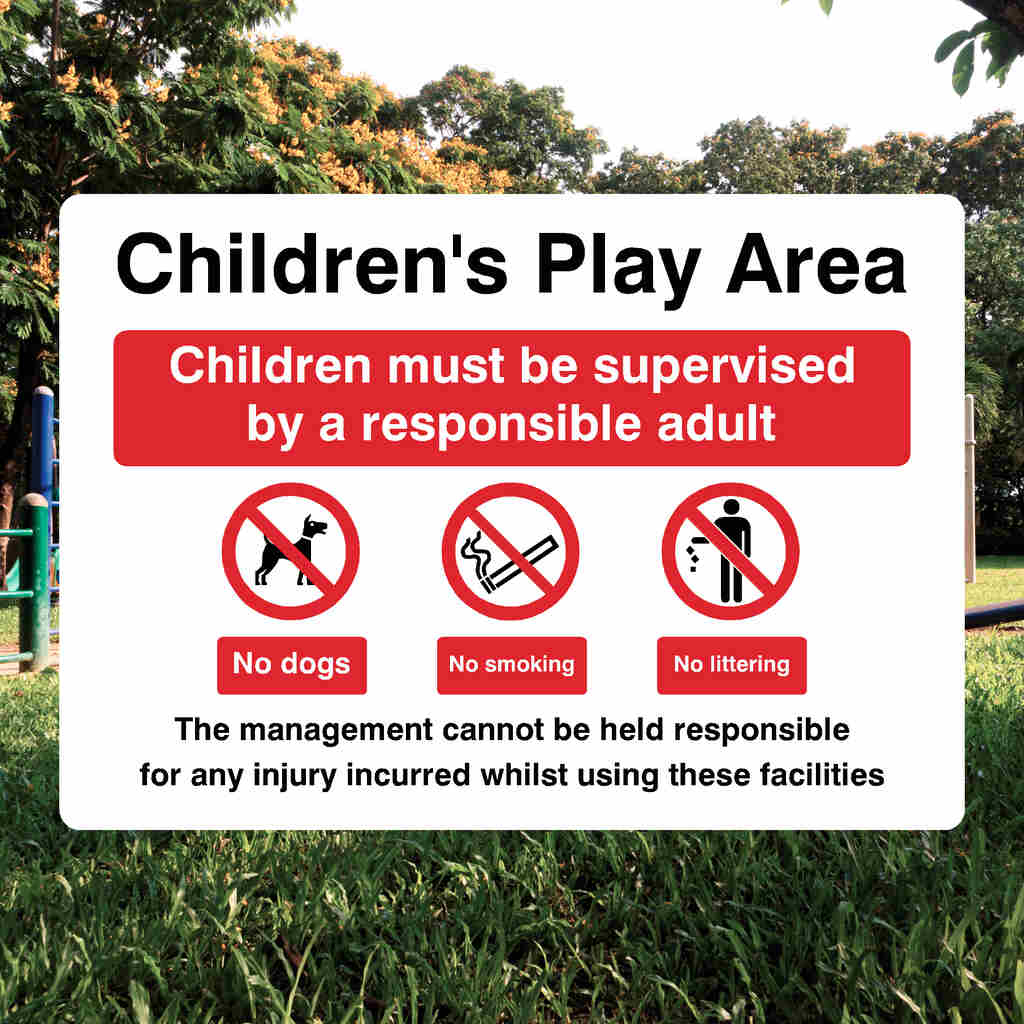
Children's Play Area Sign Under 12
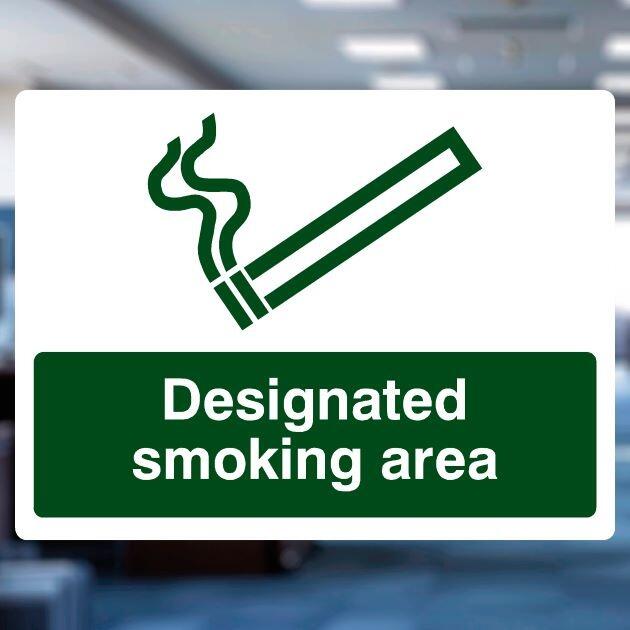
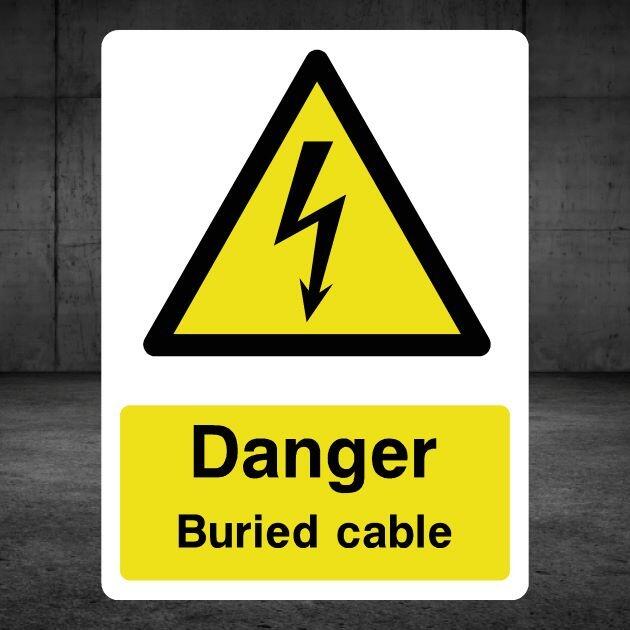
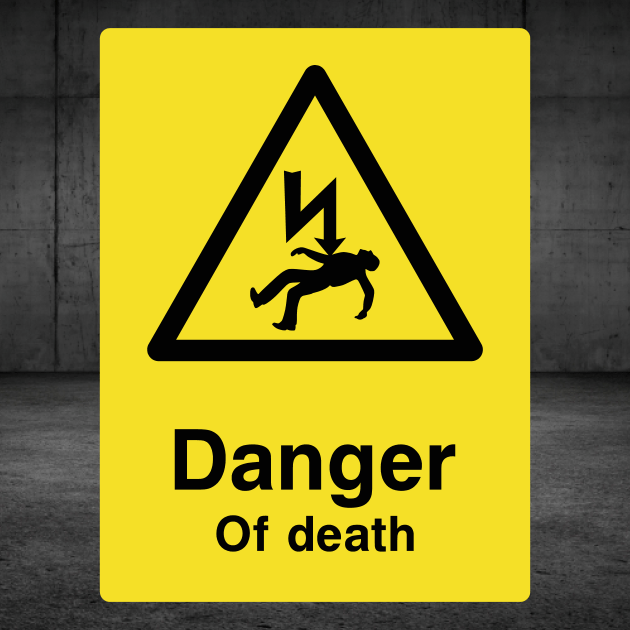
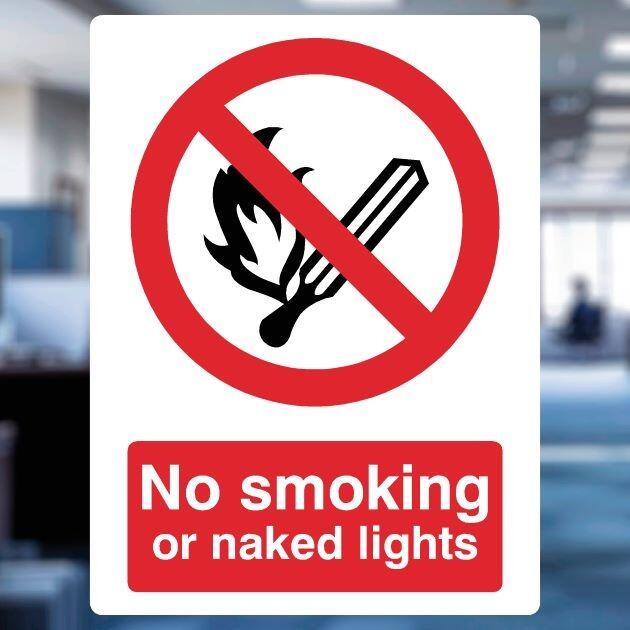
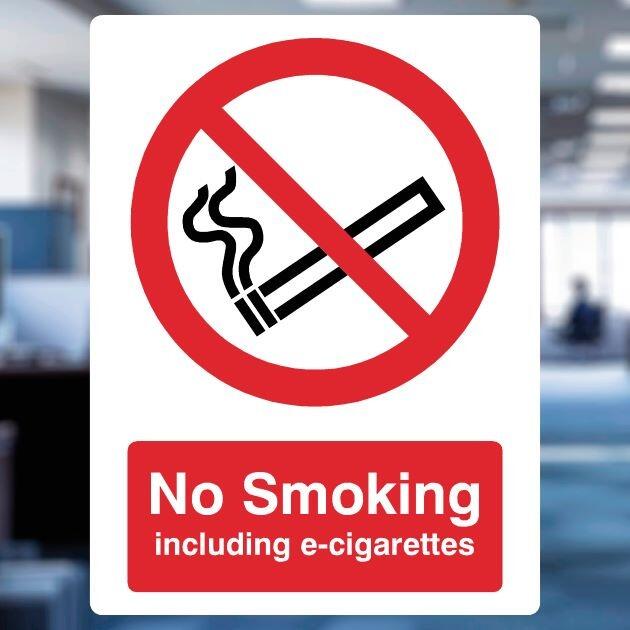
No Smoking Or Naked Lights Sign
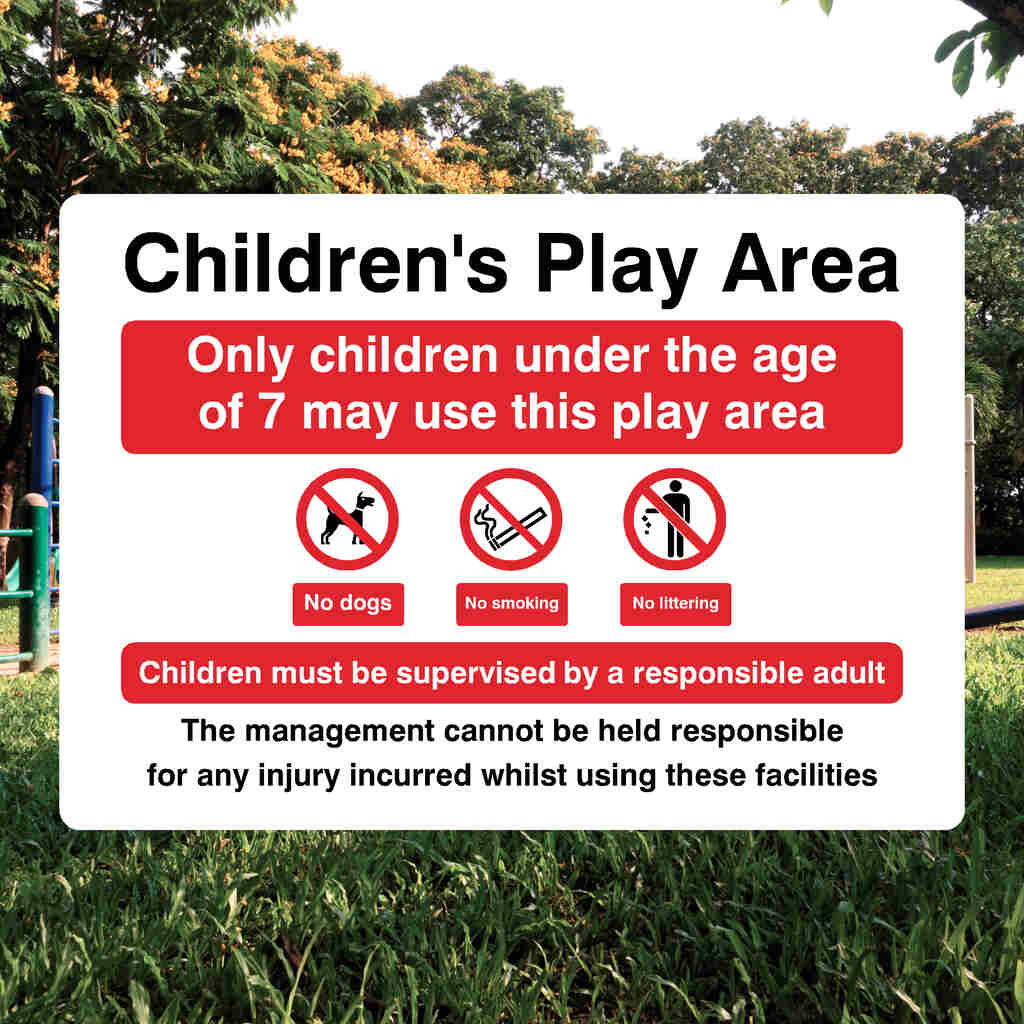
Children's Play Area Sign Under 7
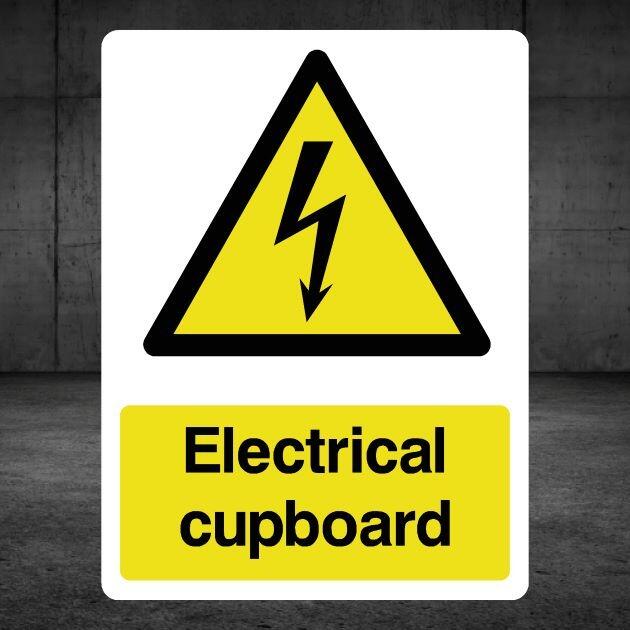
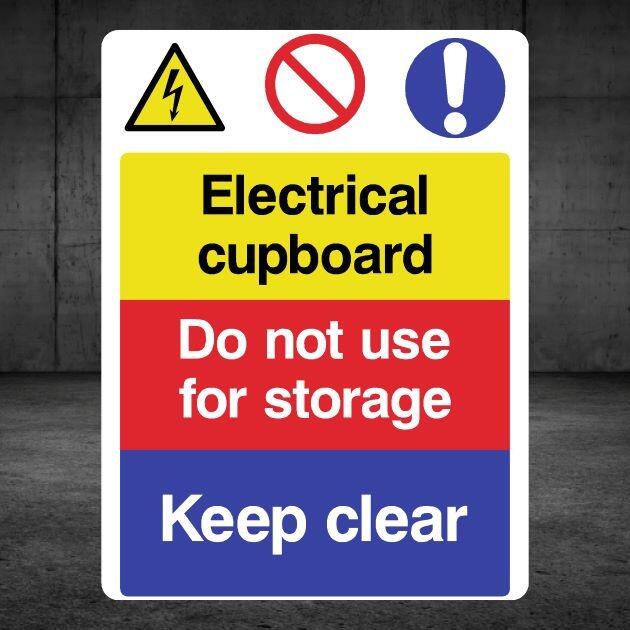
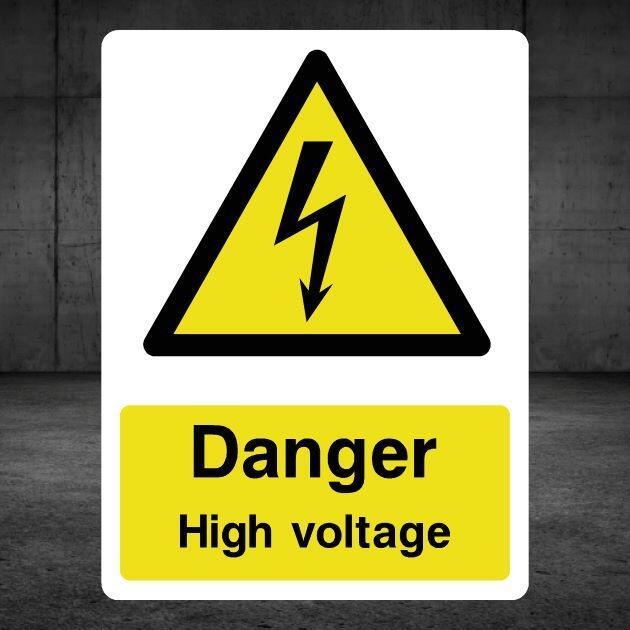
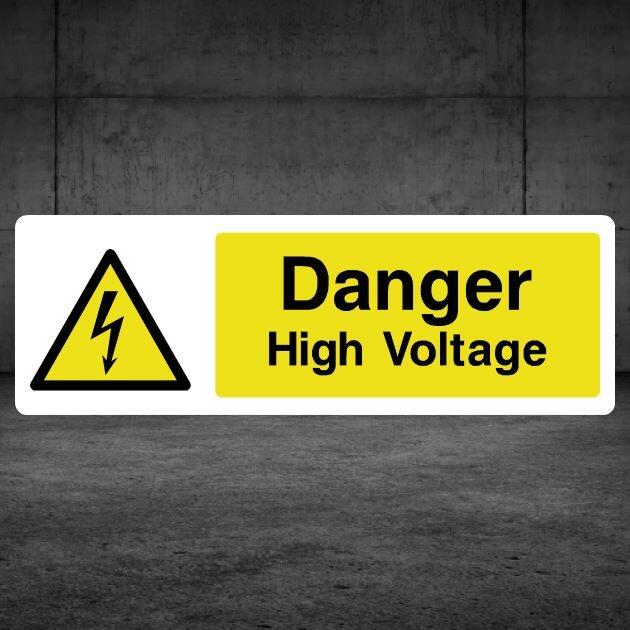
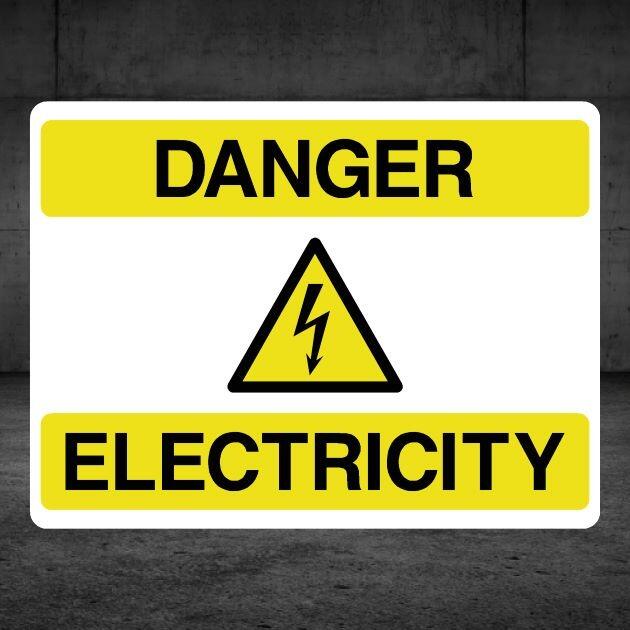
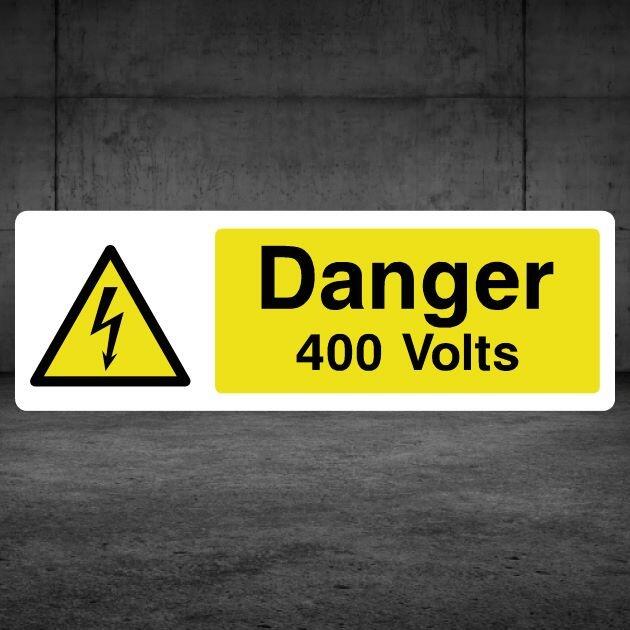
Electrical Cupboard Hazard Sign
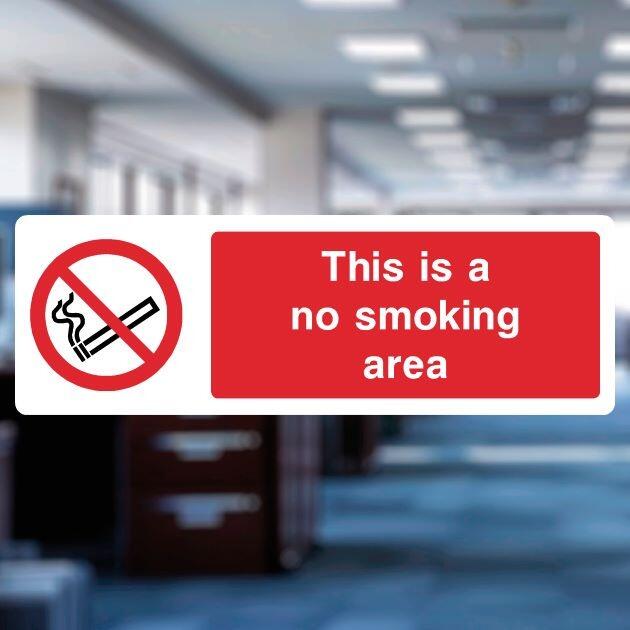
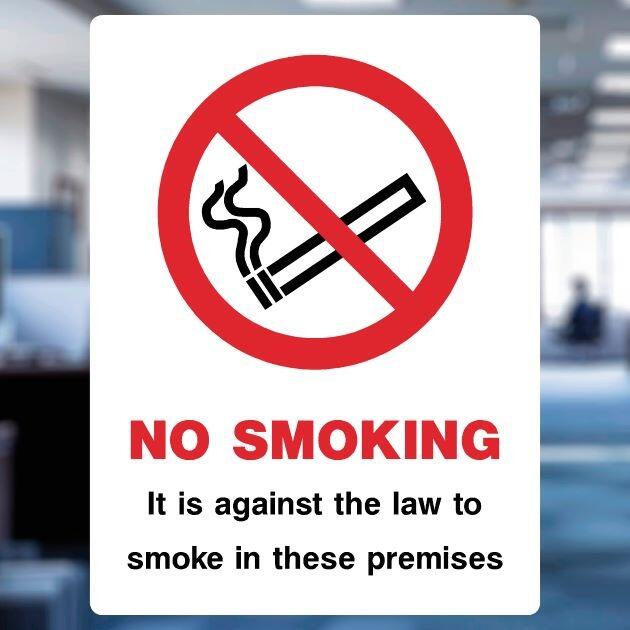
No Smoking Sign Communal Areas


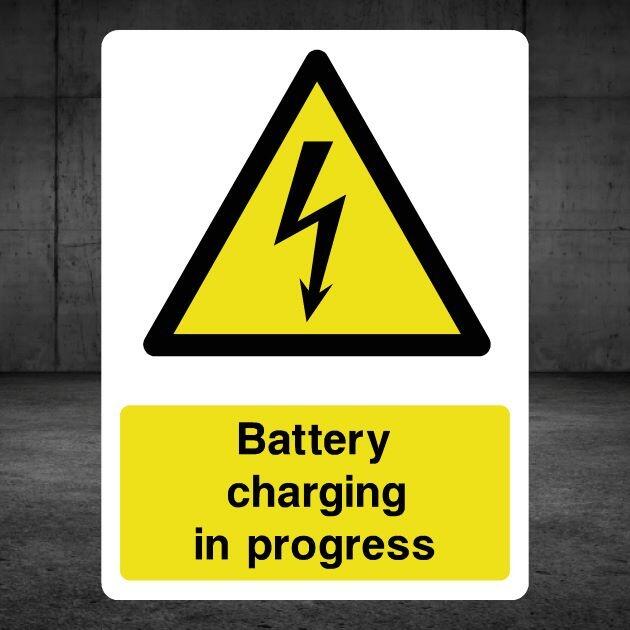
Battery Charging In Progress Sign
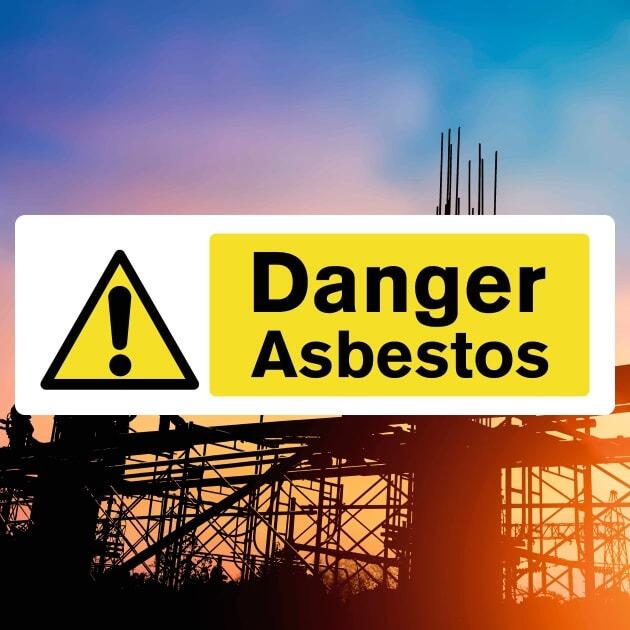

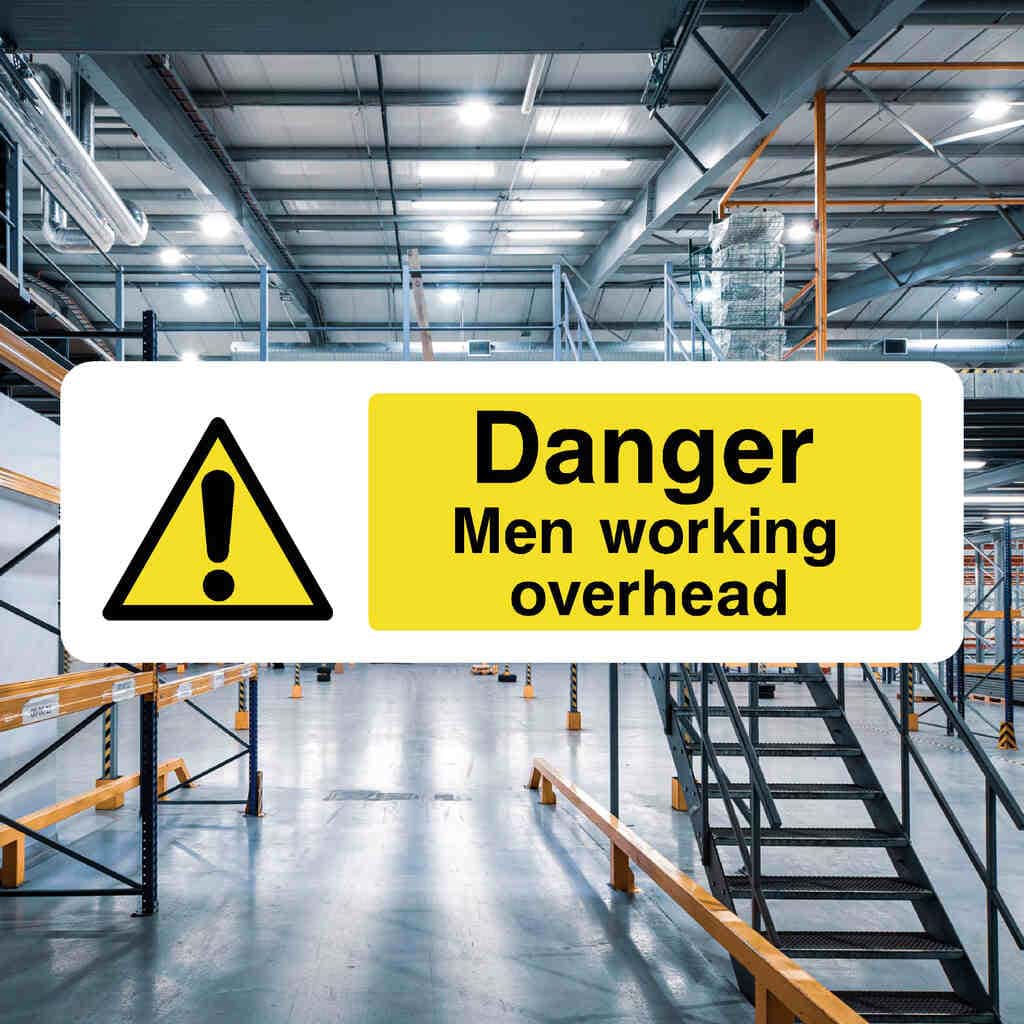
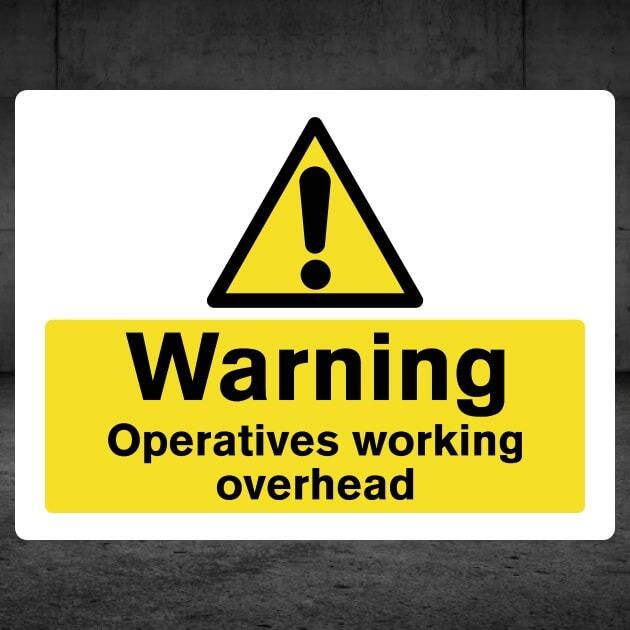
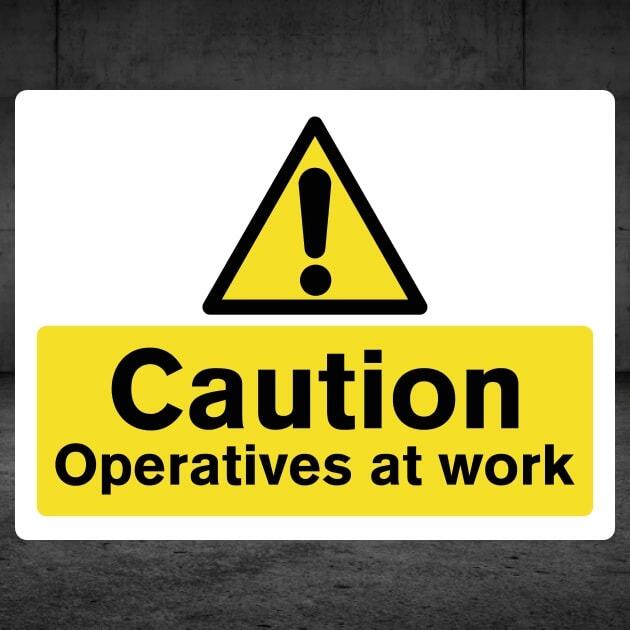
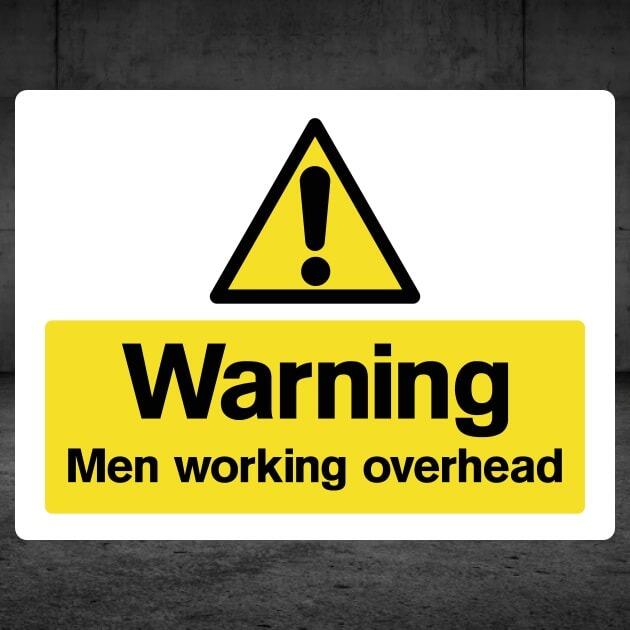
Operatives Working Overhead Sign
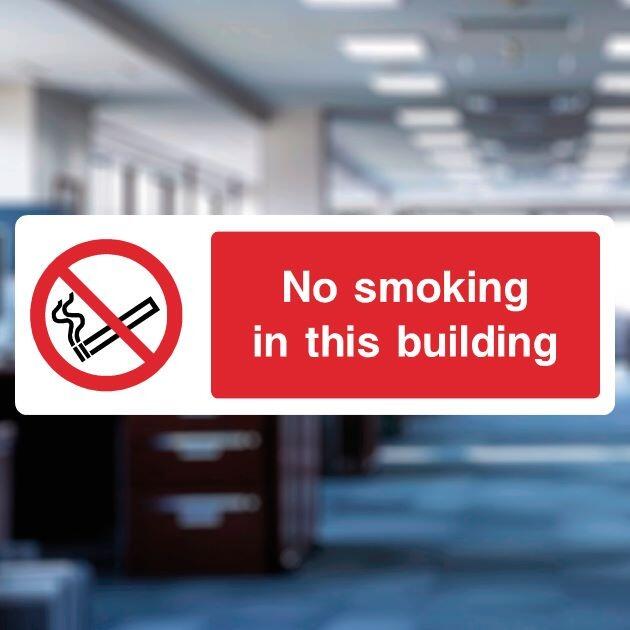
No Smoking In Building Sign v2

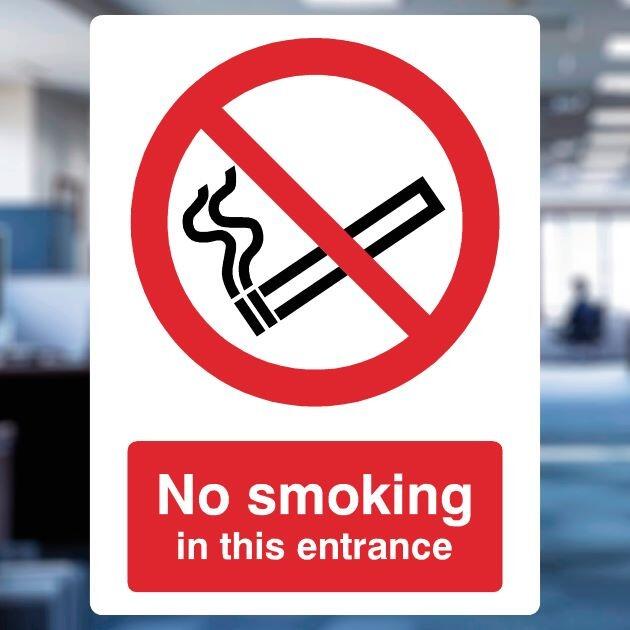
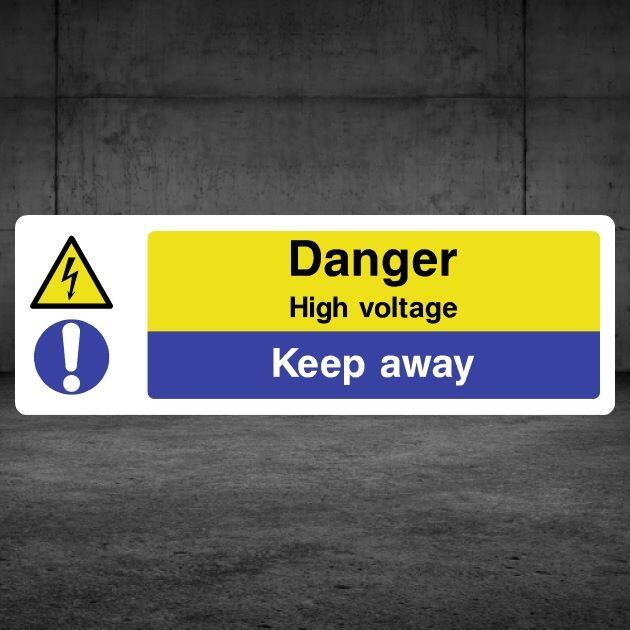
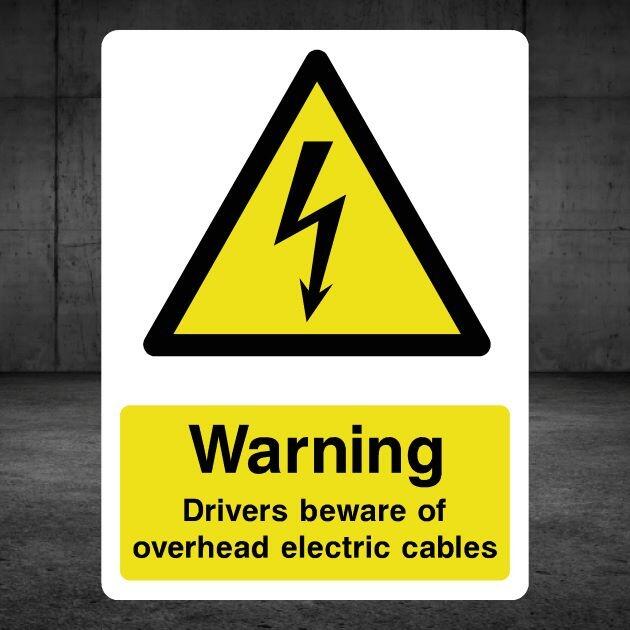
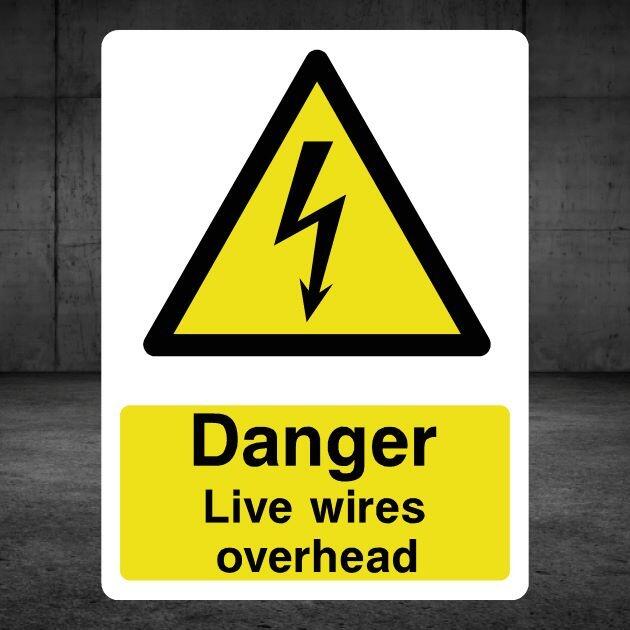

Safety Signs help businesses communicate hazards, instructions, restrictions and emergency information clearly to employees, contractors, visitors and members of the public.
From warning people about a workplace hazard to identifying a fire exit, requiring PPE or restricting access to a dangerous area, the right safety sign provides important information at the point where people need it.
Safety Sheep supplies health and safety signs for construction sites, warehouses, factories, offices, schools, farms, healthcare premises, workshops and other UK workplaces, with a wide range of messages, sizes and materials available.
Different safety signs communicate different types of information. Choosing the correct category makes the message easier to recognise and understand.
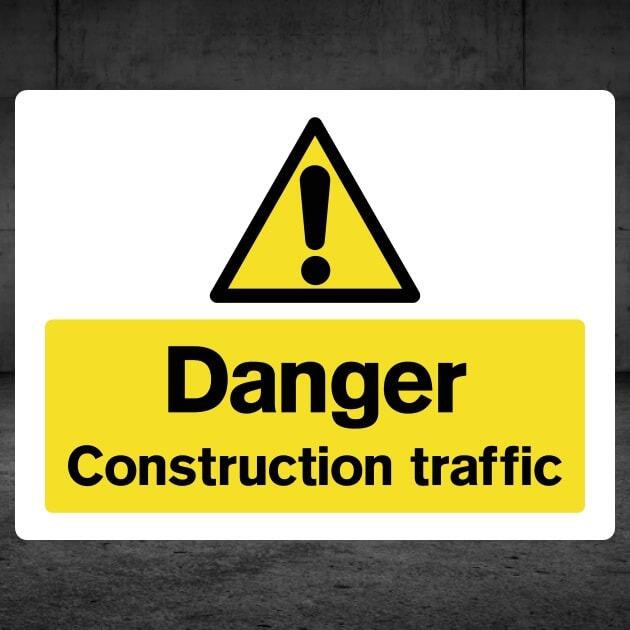
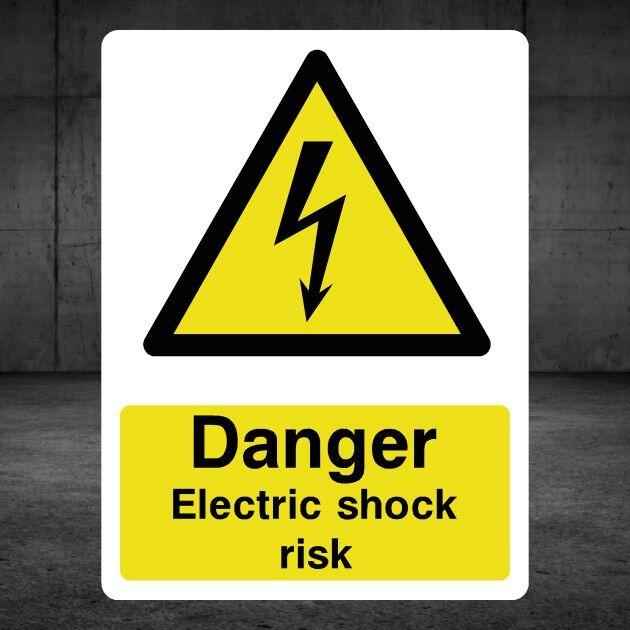
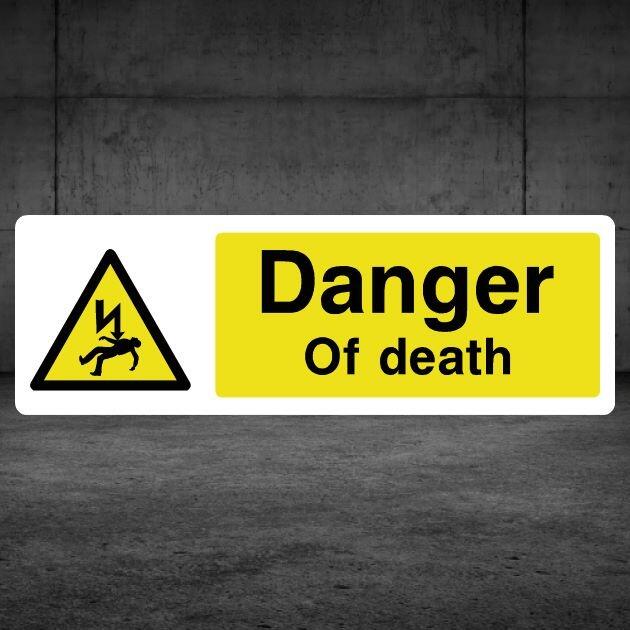
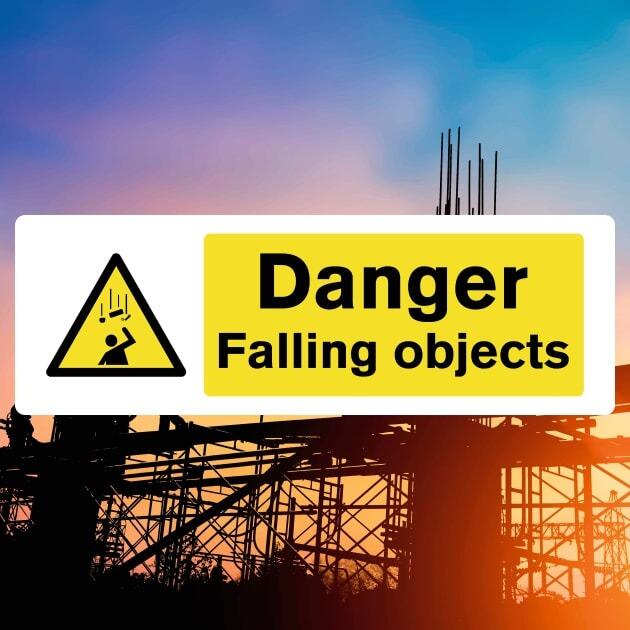
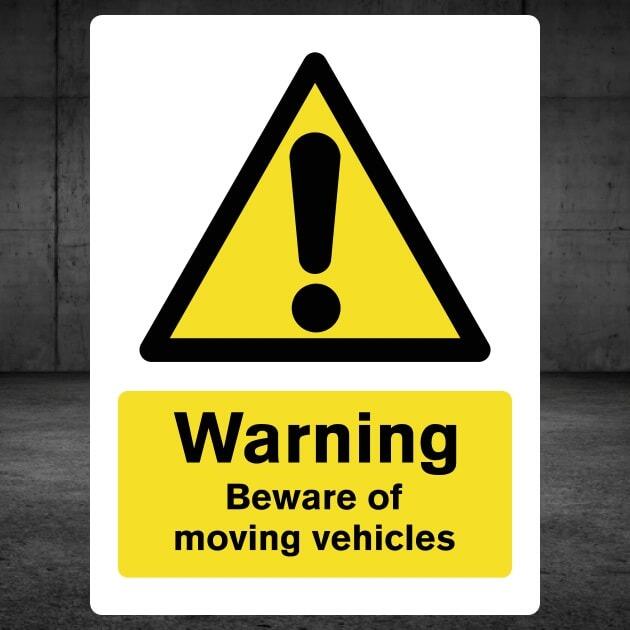
Hazard and Warning Signs alert people to hazards that could cause injury or harm.
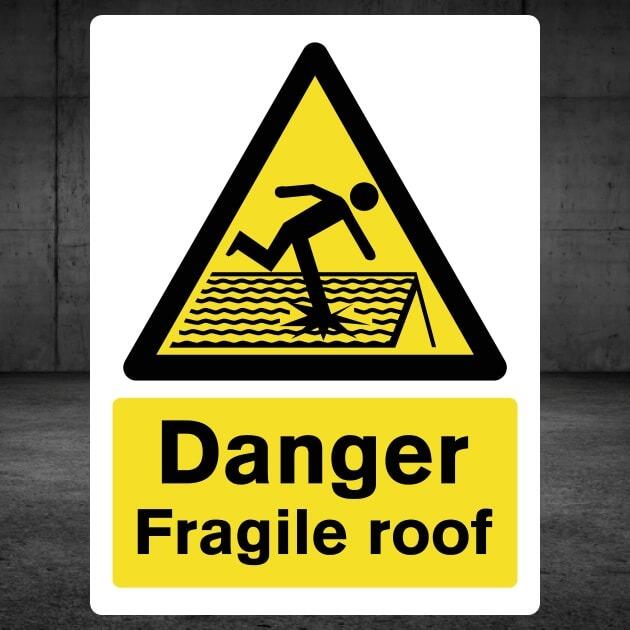
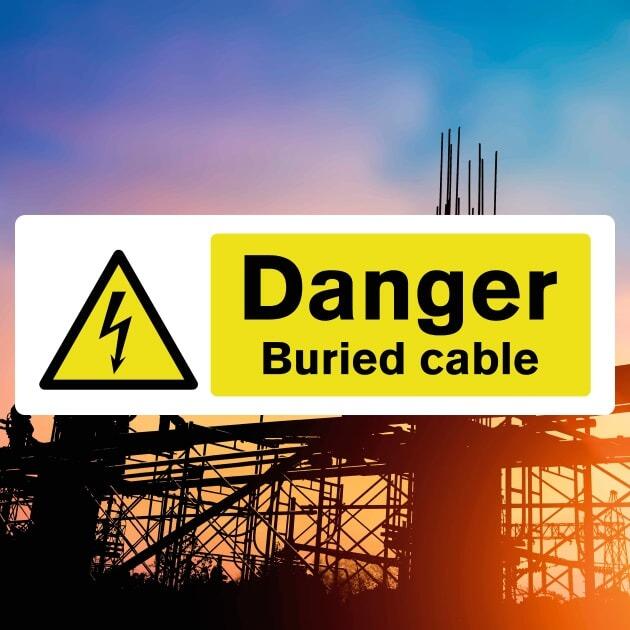
Typical applications include electrical hazards, slippery surfaces, moving vehicles, fragile roofs, hazardous substances, overhead loads and other workplace dangers.
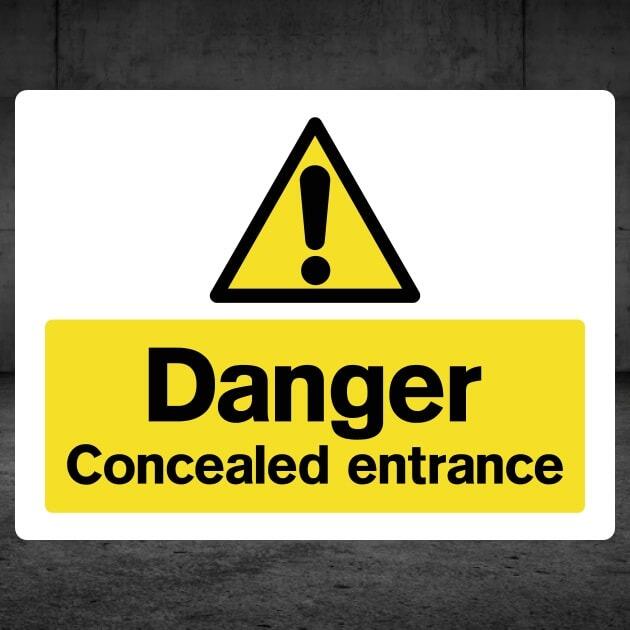
Warning signs are commonly recognised by their triangular shape with a yellow background and black symbol or text.
Mandatory Safety Signs communicate an action that people are required to take.
They can cover instructions such as keeping doors closed, following particular procedures or taking specified safety precautions.
Mandatory safety signage is commonly associated with a blue circular symbol containing a white pictogram.
PPE Signs communicate requirements to wear personal protective equipment in designated areas.
Common examples include:
PPE signage should reflect the protective equipment actually required for the task or area.
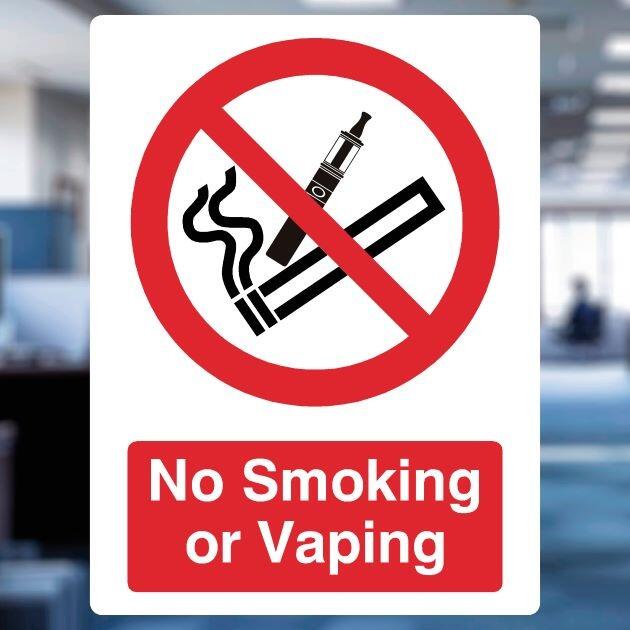
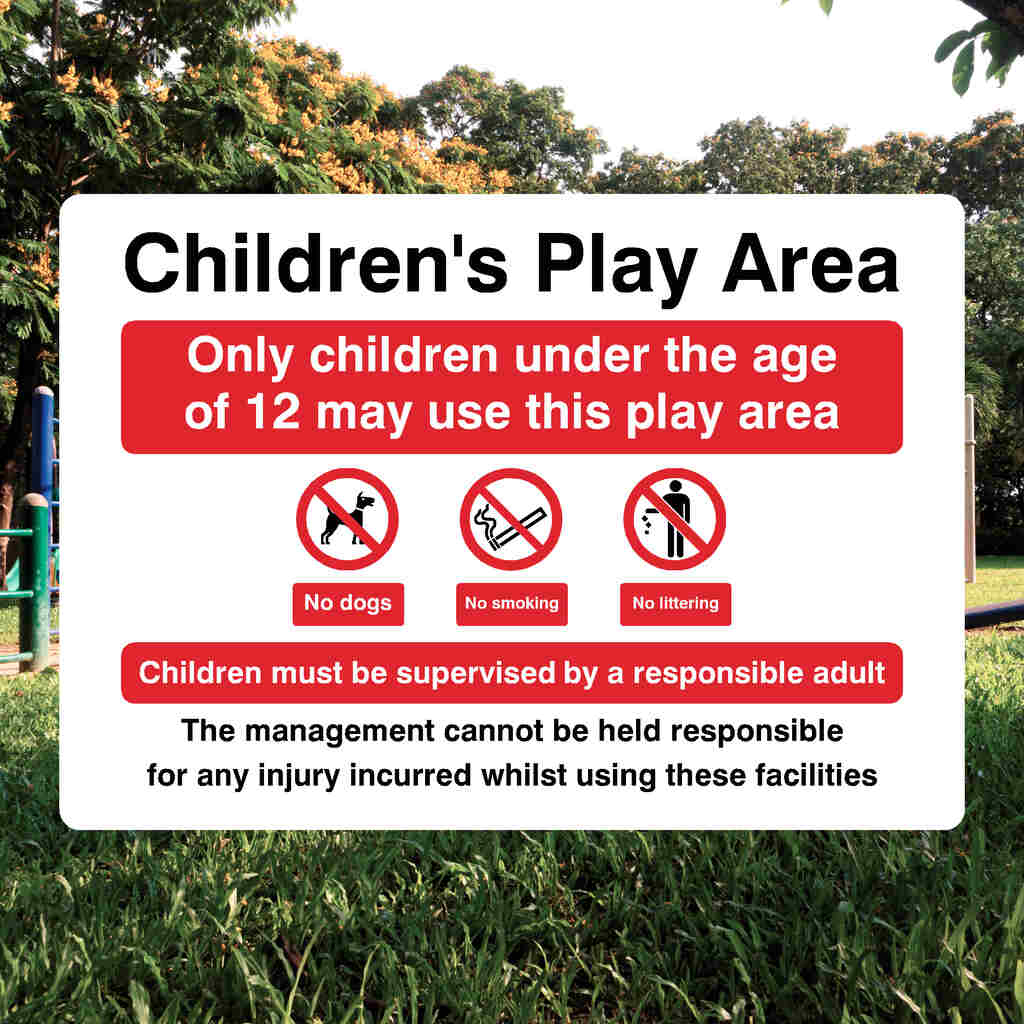
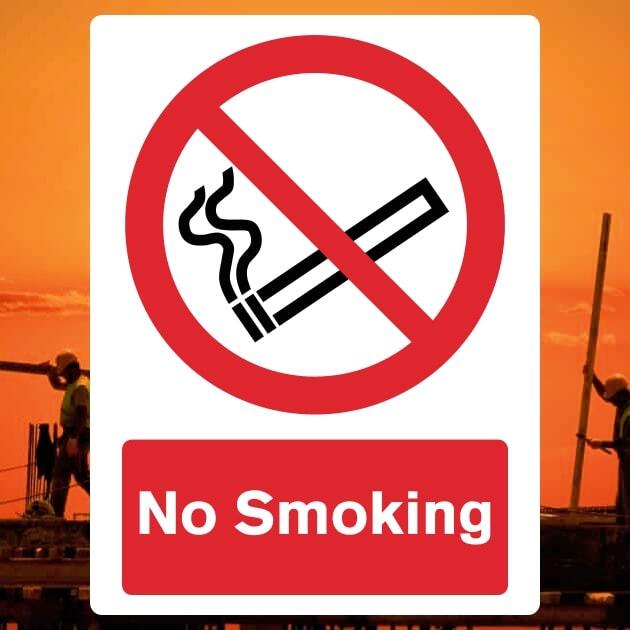
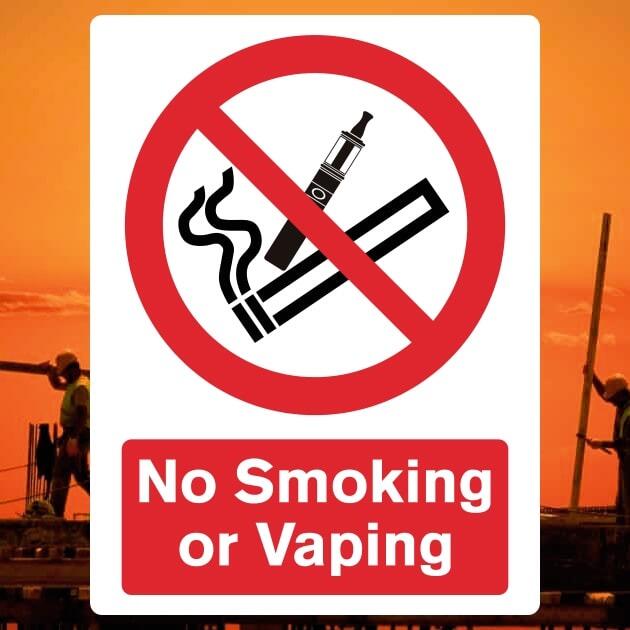
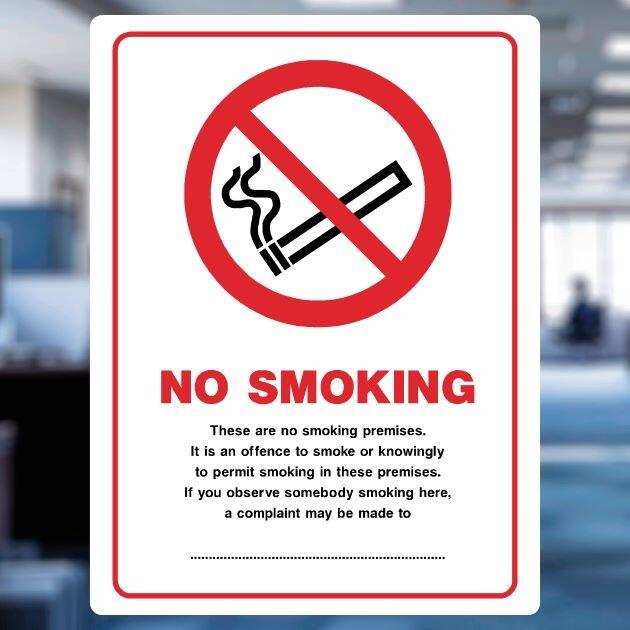
Prohibition Signs tell people what they must not do.
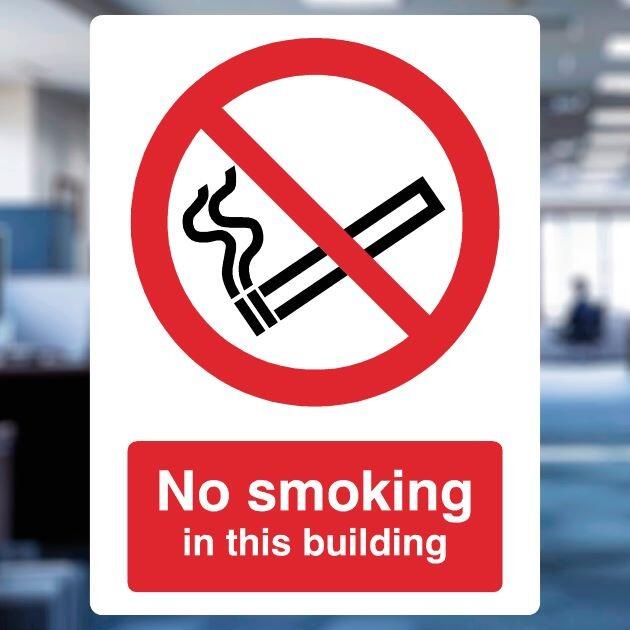
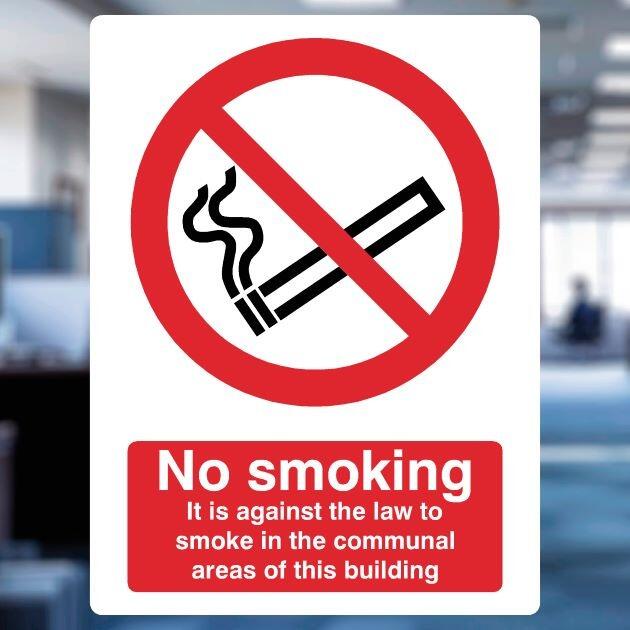
Typical examples include:
They are generally recognised by a red circular border and diagonal bar with a black pictogram on a white background.
Fire Safety Signs communicate information relating to fire precautions, emergency escape and firefighting equipment.
The wider category includes fire exit signs, fire action notices, fire door signs, extinguisher identification signs and assembly point signs.
Use the appropriate specialist sign for the information that needs to be communicated.
First Aid Signs help people identify first aid equipment, facilities and emergency assistance.
These can include:
Clear identification can help people locate appropriate facilities quickly when they are needed.
Construction Safety Signs communicate hazards, access restrictions, PPE requirements and other safety information around building and construction projects.
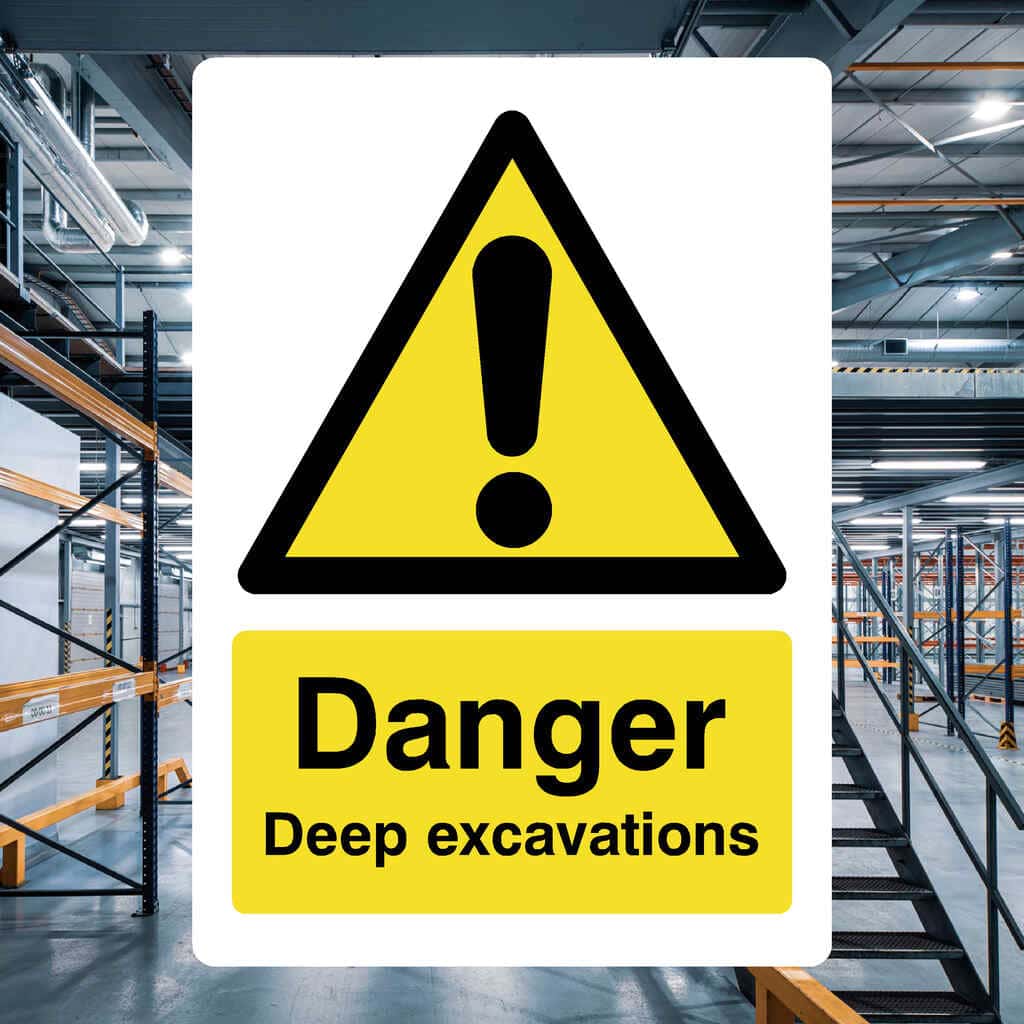
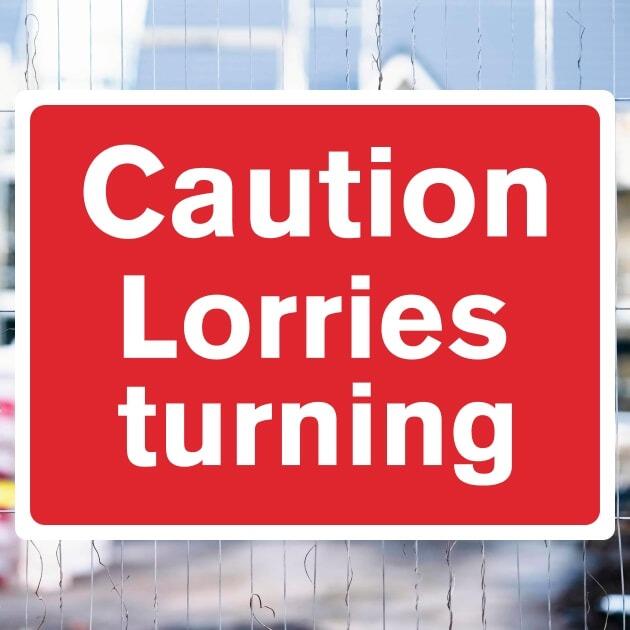
Sites can contain changing hazards, vehicle movements, excavations, work at height and restricted work areas.
The appropriate signage should therefore reflect the actual site and change as the project develops.
Access-control signage can help identify areas that employees, visitors, contractors, pedestrians or vehicles shouldn't enter.
Messages include:
Choose the wording that accurately describes the restriction rather than treating all access-control signs as interchangeable.
CCTV and security signage can help communicate surveillance, security measures and access arrangements around commercial and private premises.
CCTV signage can also form part of the information provided to people where surveillance systems process personal data.
Choose wording appropriate to the particular security arrangements rather than relying on a generic notice for every application.
Health and safety signs communicate information intended to help people avoid hazards, follow safety instructions and respond appropriately to workplace arrangements.
They can communicate:
Colours, shapes and graphical symbols help people recognise these different messages quickly.
UK businesses don't simply need to cover their premises with as many safety signs as possible.
Safety signage should be based on the actual hazards and arrangements of the workplace.
Under the Health and Safety (Safety Signs and Signals) Regulations 1996, safety signs are required where a significant risk to health and safety remains after other appropriate measures have been taken and where signage can help communicate that risk.
That principle is important.
A warning sign doesn't remove a hazard.
A PPE sign doesn't provide protective equipment.
A No Entry sign doesn't physically prevent access.
Safety signage should support appropriate risk-control measures rather than replace them.
Start with the workplace risk assessment rather than a catalogue of signs.
Consider:
The answers can help determine what safety information needs to be communicated and where.
Recognised safety-sign colours help people understand the type of message quickly.
Red is commonly associated with prohibition and is also used in connection with firefighting equipment.
A prohibition sign generally uses a red circle and diagonal bar.
Yellow is associated with warnings.
Warning signs generally use a yellow triangle with a black border and black pictogram.
Blue is associated with mandatory actions.
These signs tell people about an action or behaviour that is required.
Green is associated with safe conditions and emergency information.
Typical applications include emergency exits, first aid facilities and evacuation information.
Colour isn't decoration. It forms part of the visual language that helps distinguish one type of safety message from another.
BS EN ISO 7010 provides standardised graphical symbols used on safety signs.
Recognised pictograms help make safety information consistent and easier to understand, particularly where a workplace is used by employees, contractors, visitors or people with different first languages.
However, ISO 7010 is a standard rather than UK legislation itself.
The need for a particular sign should be determined by the workplace risk and applicable requirements.
Where recognised graphical symbols apply, using consistent standardised designs can improve clarity.
Before buying a safety sign, establish exactly what you need people to understand.
Ask:
This will help narrow the choice to the correct safety-sign category.
Position signs where people receive the information before they encounter the hazard or reach the point where they need to act.
Examples include:
Think about the direction people approach from and anything that could obstruct their view.
Sign size should reflect viewing distance and the environment.
A safety sign on an office door viewed from close range can usually be smaller than one positioned at a construction-site entrance or large industrial yard.
Consider:
The sign needs to be understandable early enough for somebody to respond appropriately.
The best material depends on the environment and intended period of use.
Factors to consider include:
Temporary construction signage can have different material requirements from permanent factory or office signage.
Choose the material for the application rather than simply choosing the lowest-cost option.
Construction sites can require many types of signage because risks and site arrangements change as work progresses.
Potential requirements include:
There isn't one universal pack of signs that makes every construction project compliant.
Select signs according to the project's actual hazards and arrangements and review them as the site changes.
Warehouses can combine pedestrians, forklifts, loading operations, storage, machinery and visiting drivers in one environment.
Safety signage can help communicate:
Position signs at decision points rather than after somebody has already entered the hazardous area.
Manufacturing environments can contain machinery, electrical equipment, noise, chemicals and moving vehicles.
Depending on the risks, signage might include warning, mandatory, prohibition, PPE, fire and emergency signs.
Use specific messages wherever possible.
A sign saying Eye Protection Must Be Worn provides a clearer instruction than a vague general safety notice where eye protection is the actual requirement.
Lower-risk workplaces can still require appropriate safety information.
Common examples include:
The number and type of signs should reflect the premises rather than assumptions about what every office requires.
More signs don't automatically create a safer workplace.
Too much signage can create visual clutter and make important instructions less noticeable.
Prioritise the messages people genuinely need at each location.
Where several related general instructions apply at the same entrance, an appropriate multi-message sign or site safety board may sometimes communicate them more effectively than a large cluster of separate notices.
Specific hazards elsewhere should still be signed at the appropriate location.
Safety signage should remain:
Review signage when workplace arrangements change.
New machinery, altered pedestrian routes, relocated fire equipment, construction phases or changes in access can all mean existing signs need to be moved, replaced or removed.
Outdated signs can create confusion and undermine other safety information.
Safety Sheep supplies Made in Britain Safety Signs for businesses, contractors and organisations across the UK.
Explore safety signage for construction sites, warehouses, factories, offices, schools, farms, workshops and commercial premises, with different sizes and materials available for a wide range of applications.
Whether you need an individual replacement sign, multiple signs for a workplace or bulk quantities across several sites, choose signage that accurately communicates the hazards, instructions and arrangements relevant to your premises.
Think Safety. Think Sheep.
Safety signs communicate warnings, prohibitions, mandatory actions, emergency information and other health and safety instructions. They're used to help employees, visitors and contractors understand hazards and workplace arrangements.
There isn't one standard list that applies to every workplace. The signs required depend on your hazards, risk assessment, workplace layout and the controls already in place.
The Health and Safety (Safety Signs and Signals) Regulations 1996 require appropriate safety signs where significant risks remain after other suitable measures have been taken and signage can help control or communicate those risks.
The main categories include warning signs, prohibition signs, mandatory signs, safe-condition signs and signs relating to firefighting equipment. Workplaces may also use supplementary text and other information signage.
Yellow triangular signs generally warn about hazards or dangers, such as electrical risks, moving vehicles or slippery surfaces.
Blue circular safety signs generally communicate mandatory actions, such as wearing particular PPE or following a required safety instruction.
Red is used for prohibition signs and is also associated with identifying firefighting equipment. The design and shape distinguish the type of message being communicated.
Green safety signs generally identify safe conditions and emergency information, such as first aid facilities and emergency escape routes.
ISO 7010 is a standard rather than UK legislation itself. Where recognised safety pictograms apply, standardised symbols can help provide clear and consistent communication. The need for signage should be based on the actual workplace risk and applicable requirements.


