



The Safety Sheep Blog

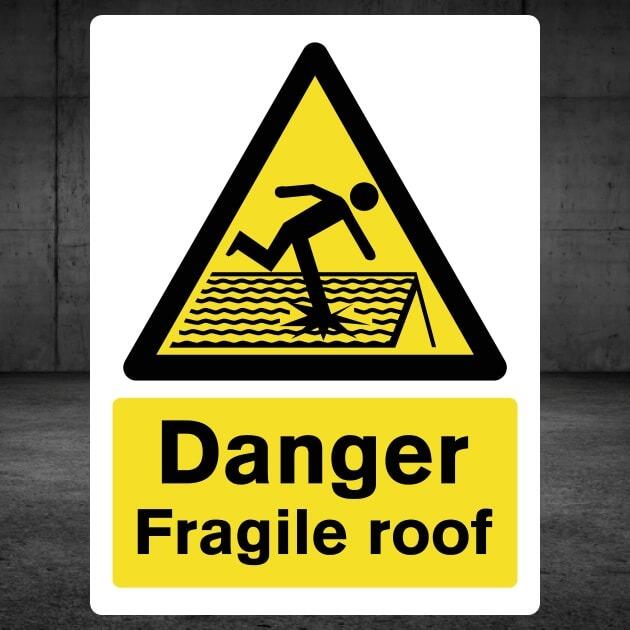
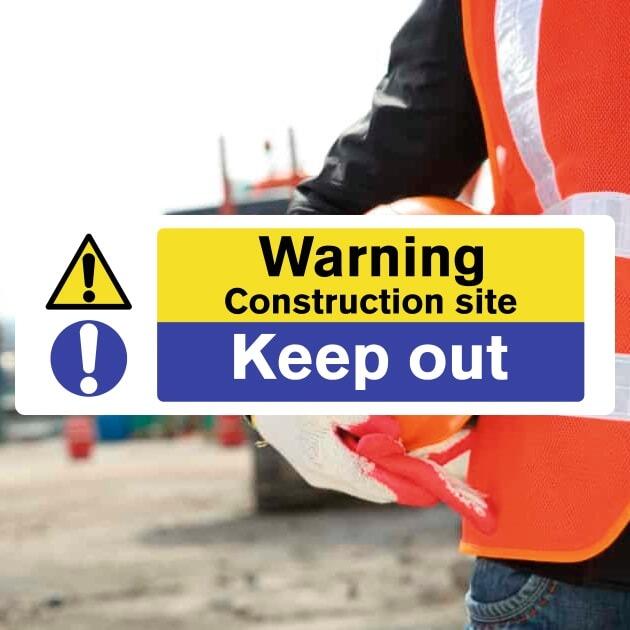
Construction Site Danger Sign v3
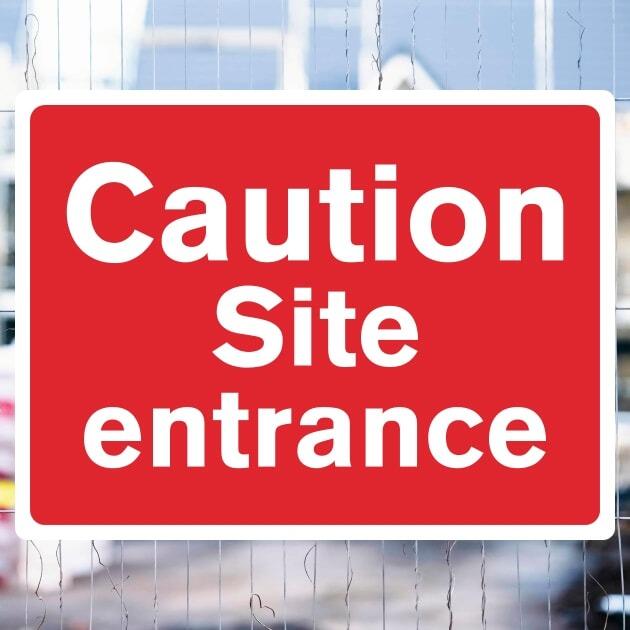

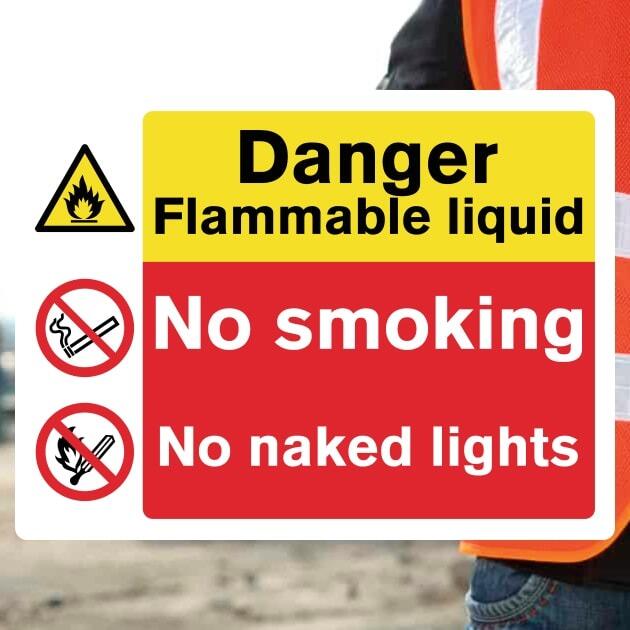
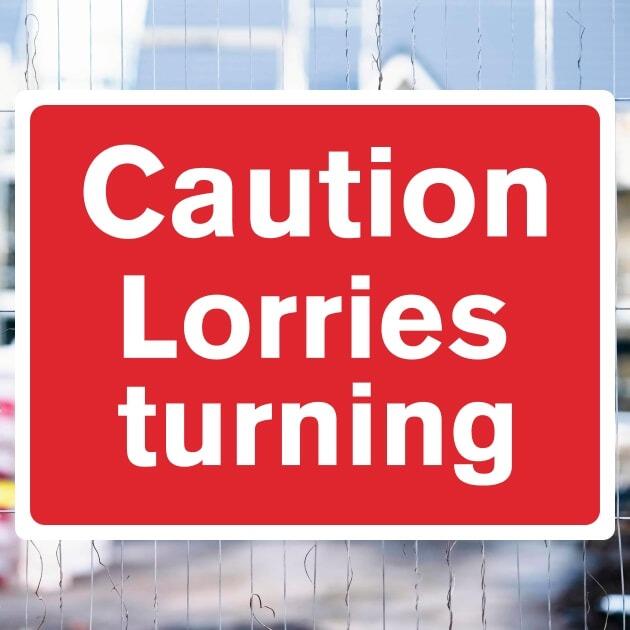
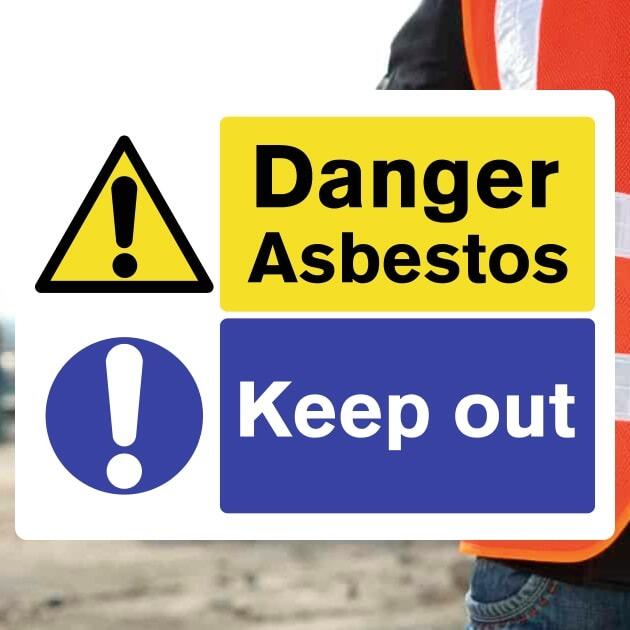
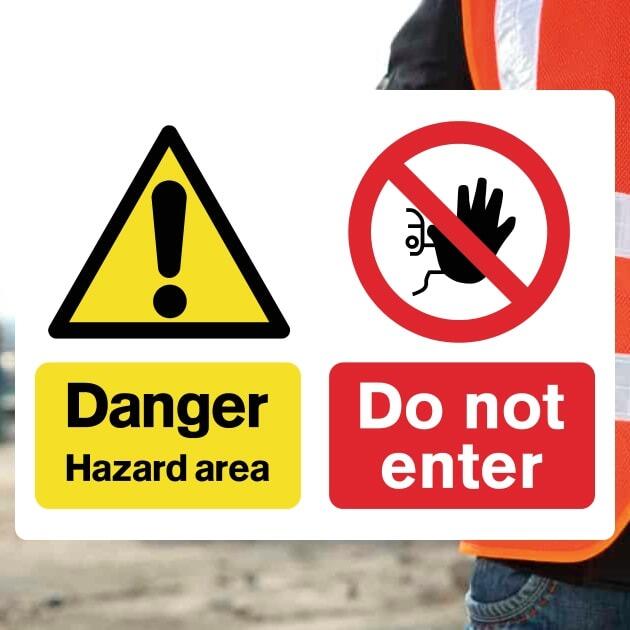
Hazardous Area Do Not Enter Sign v2
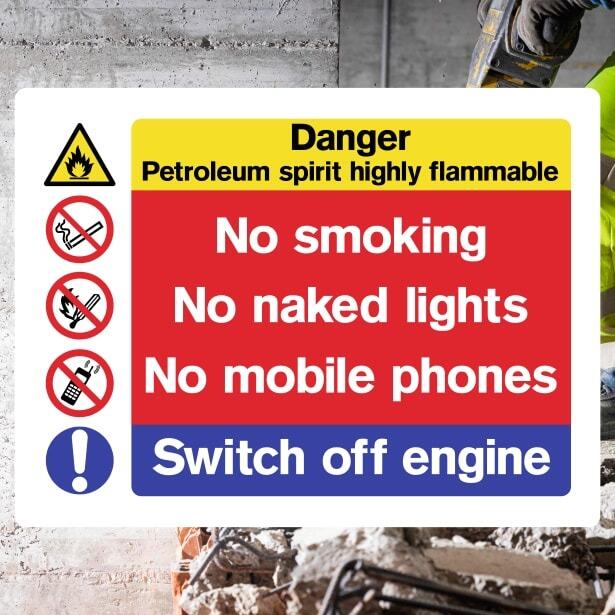
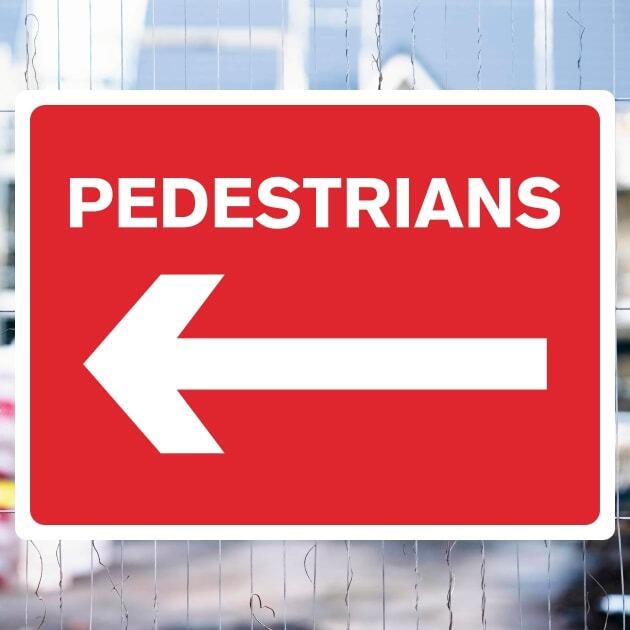
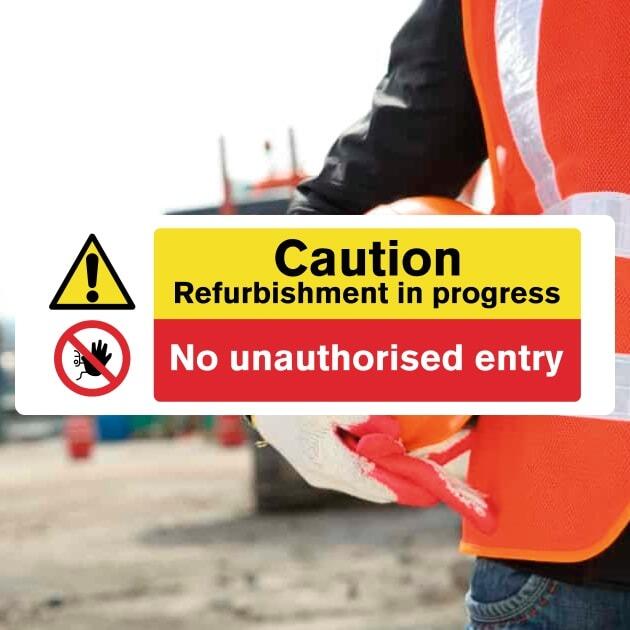
Refurbishment In Progress Sign
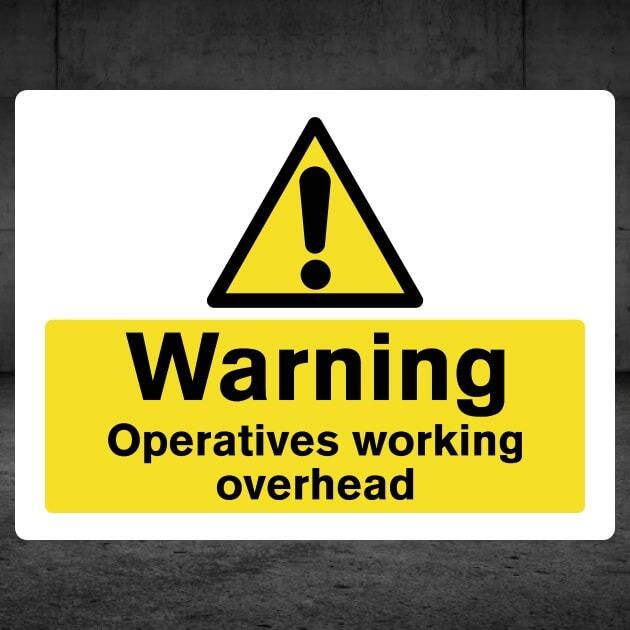
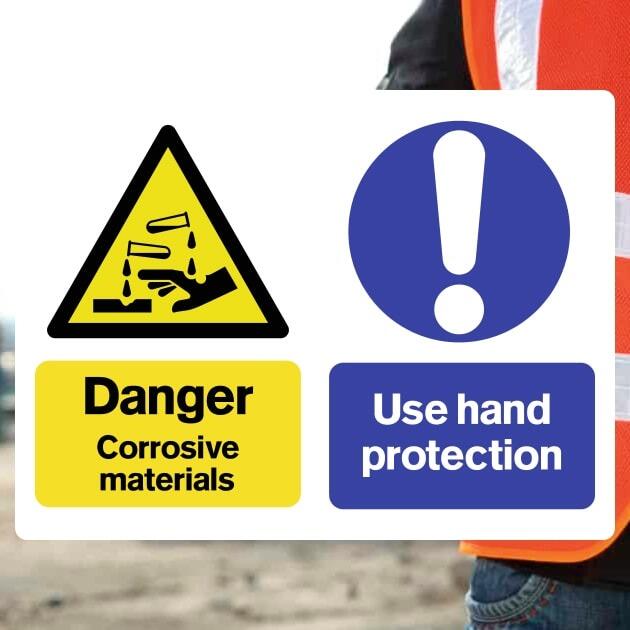

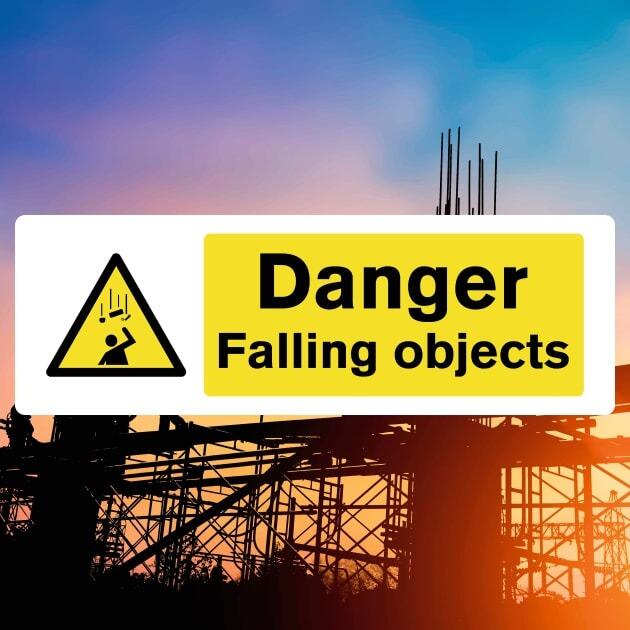
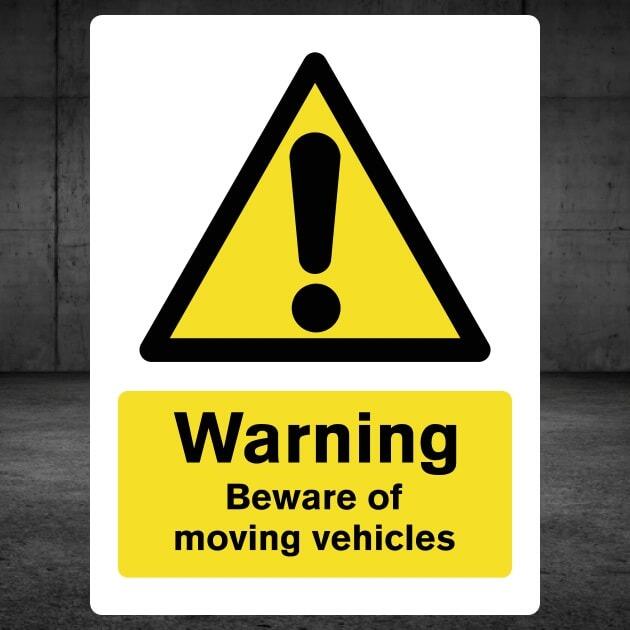
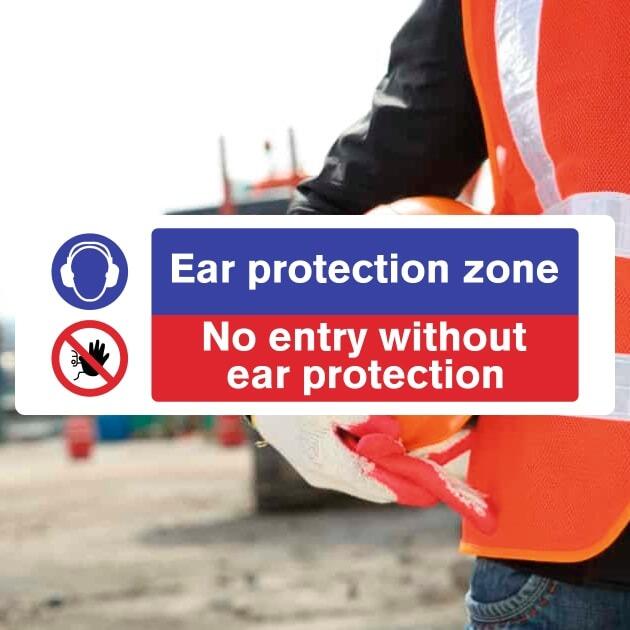
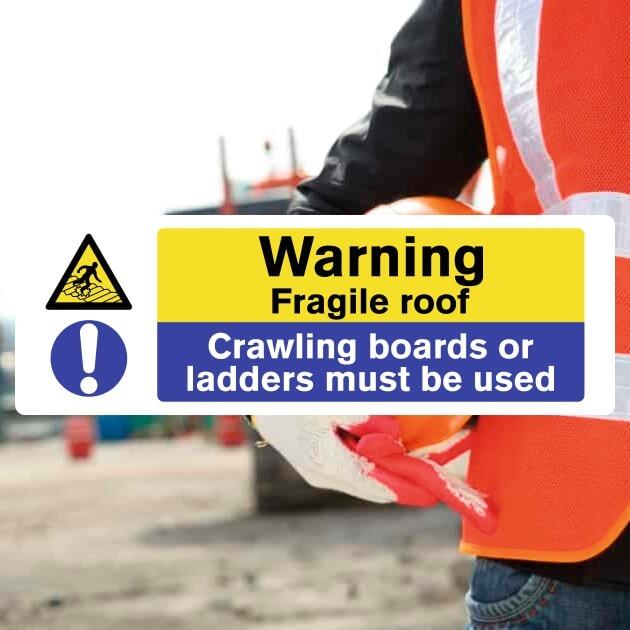
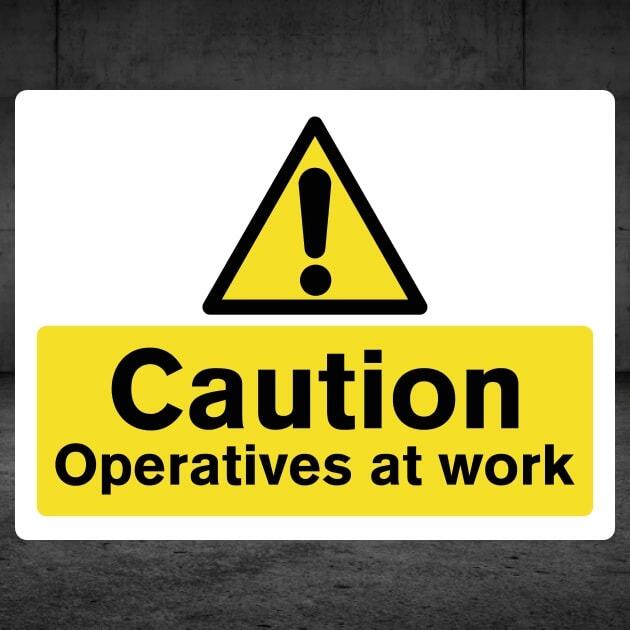
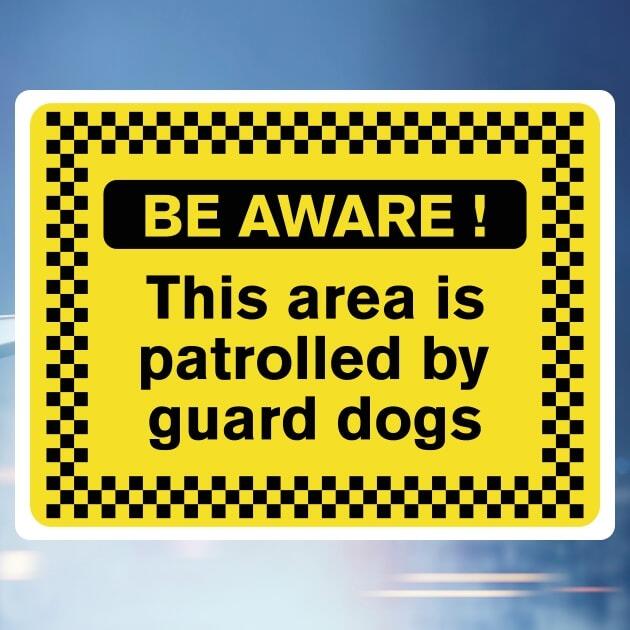
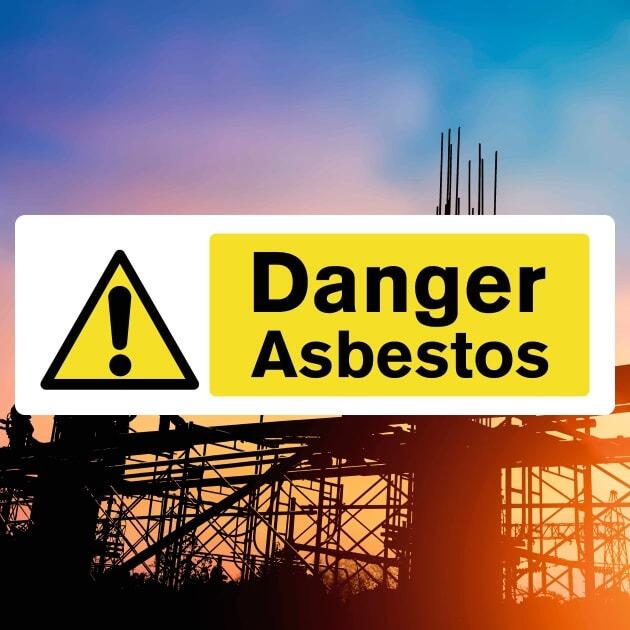
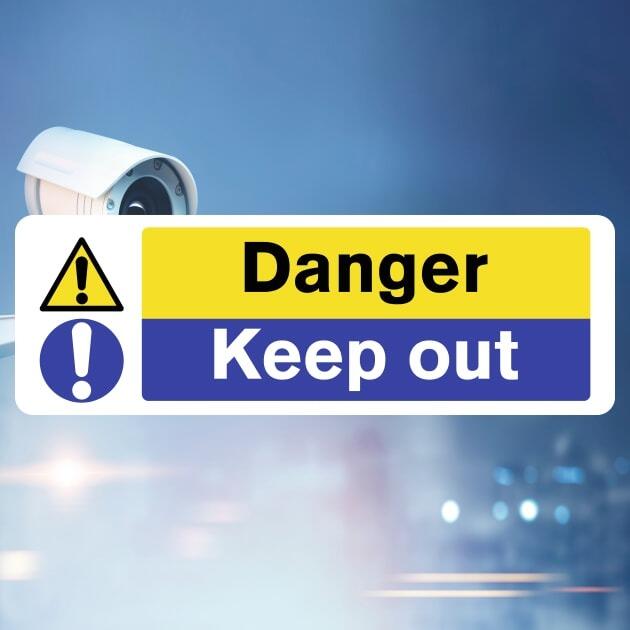
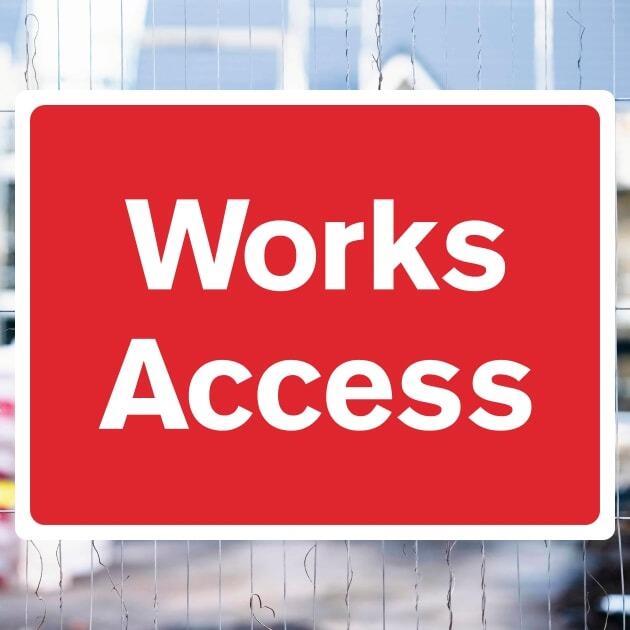
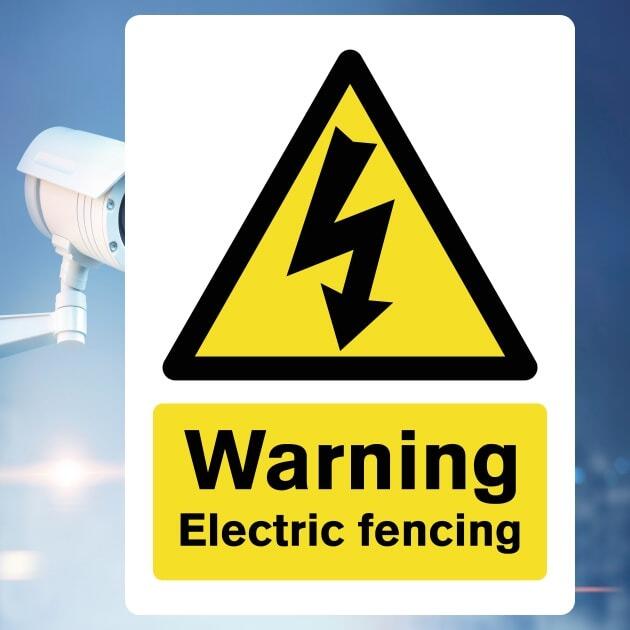
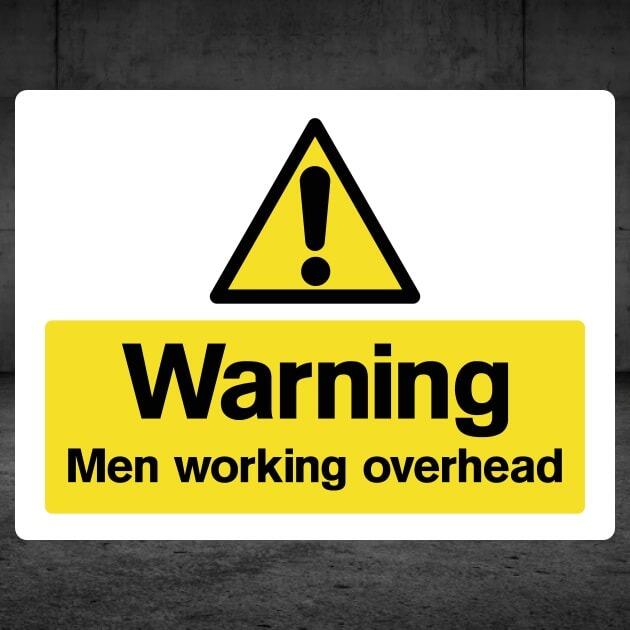
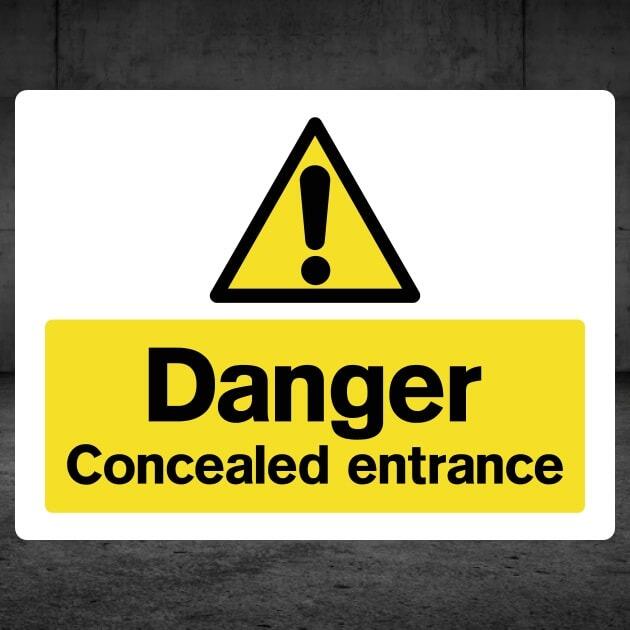
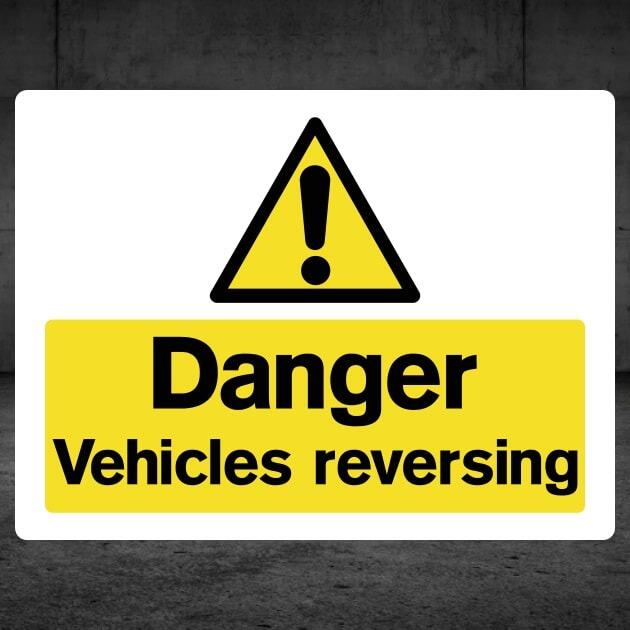
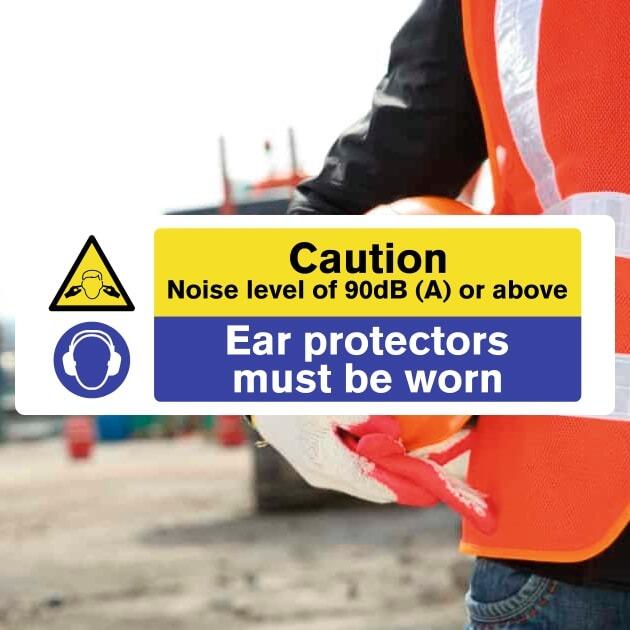
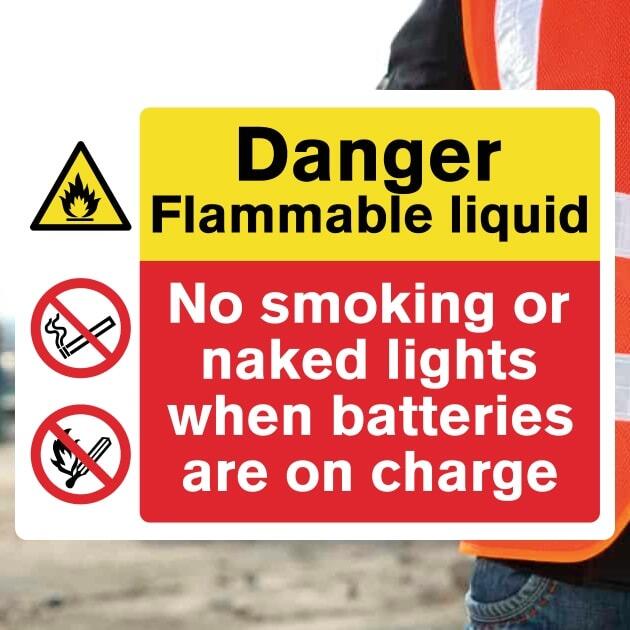
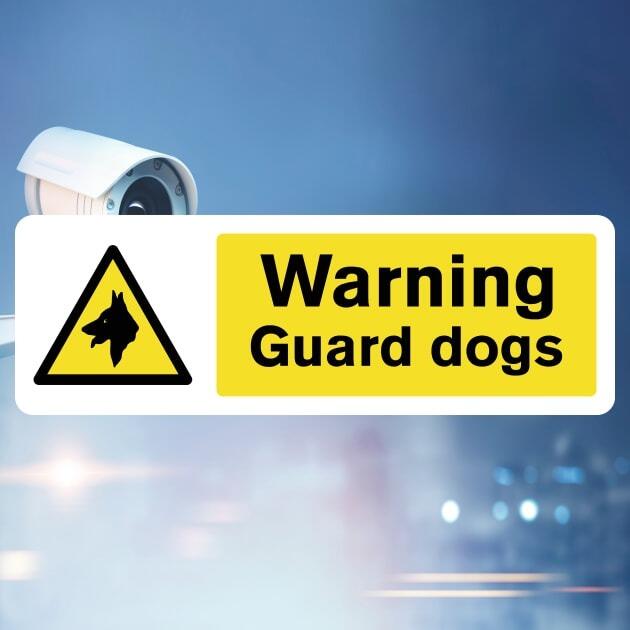
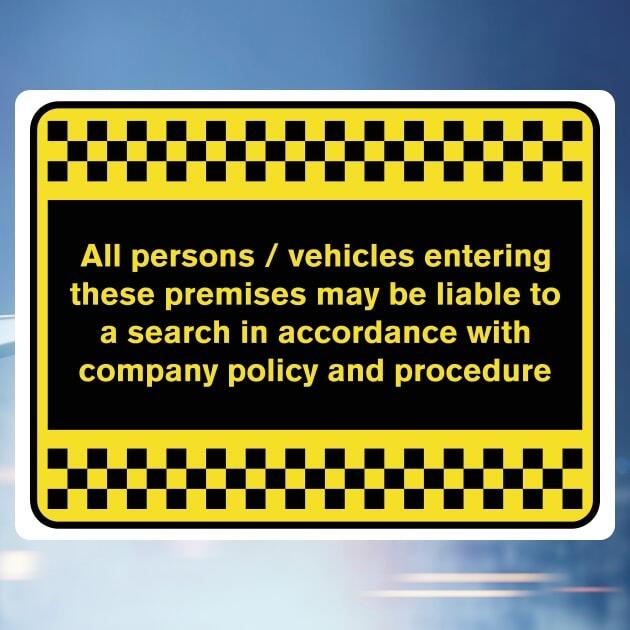
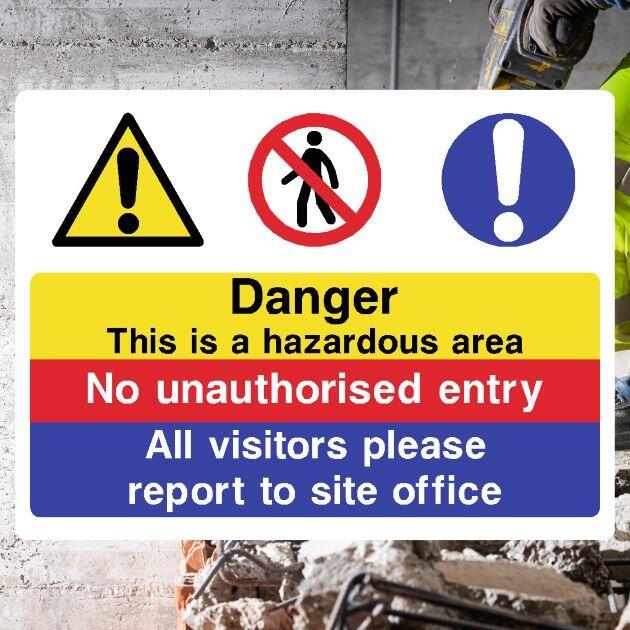
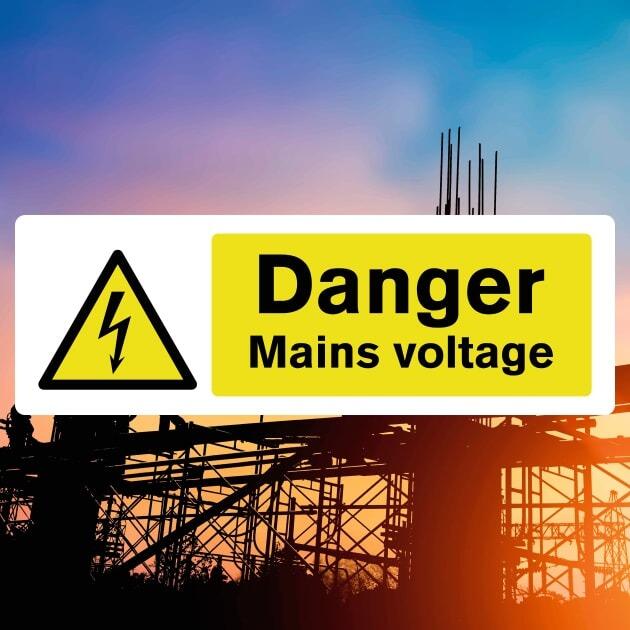
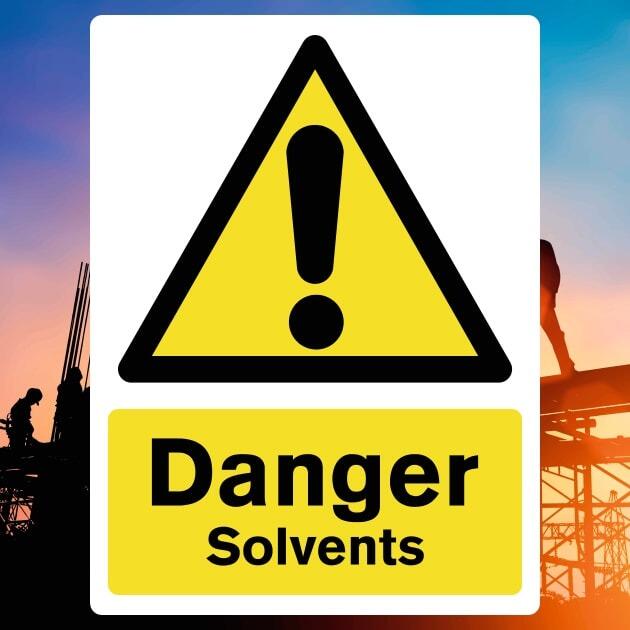
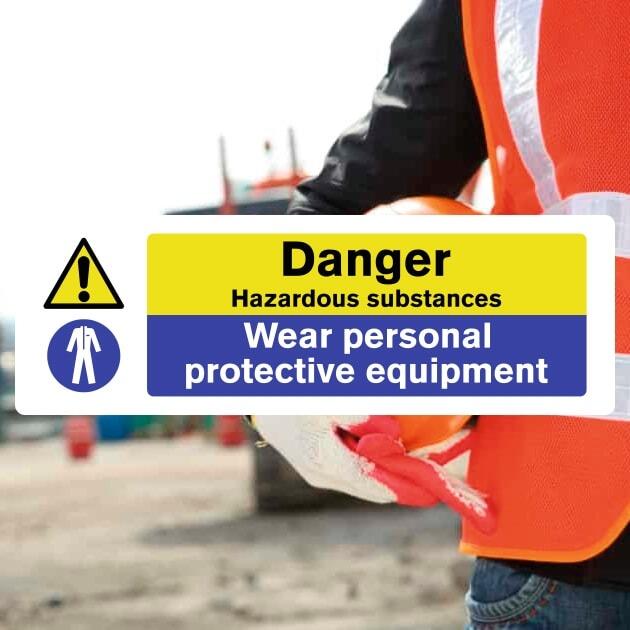

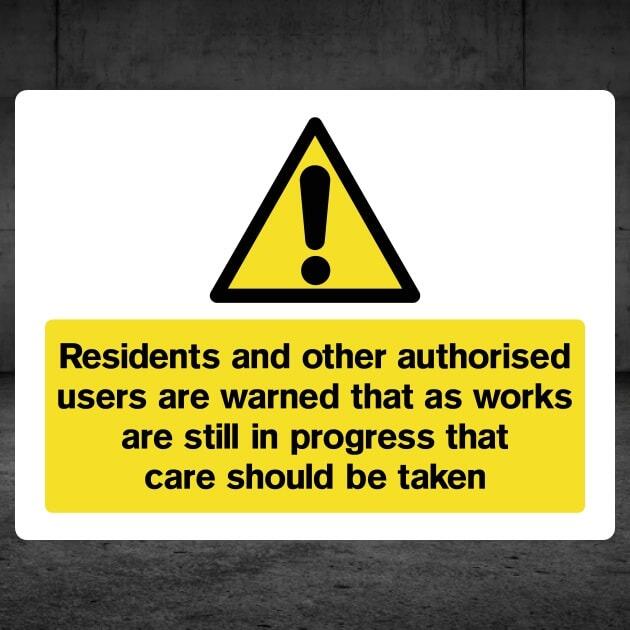
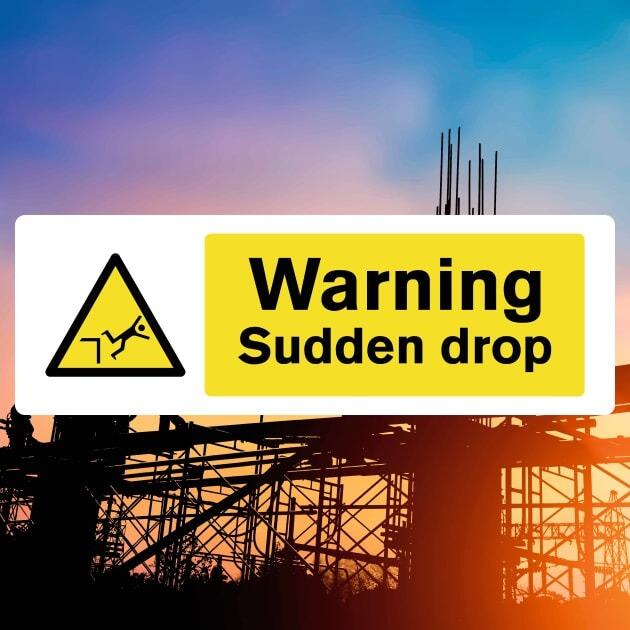
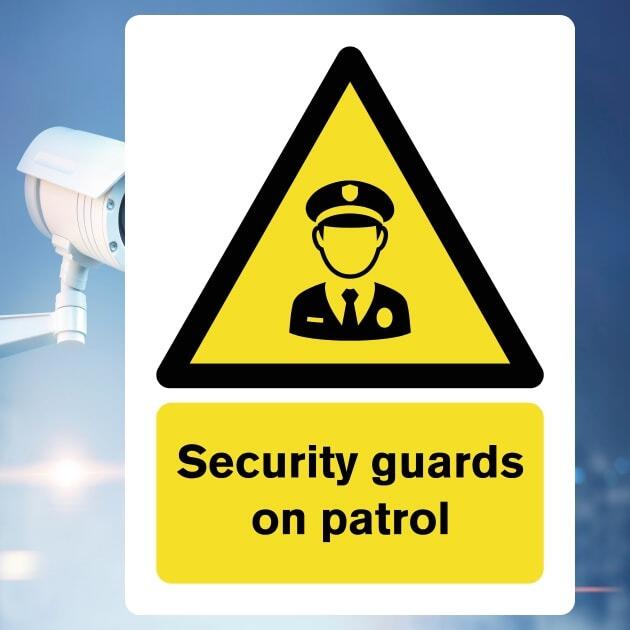
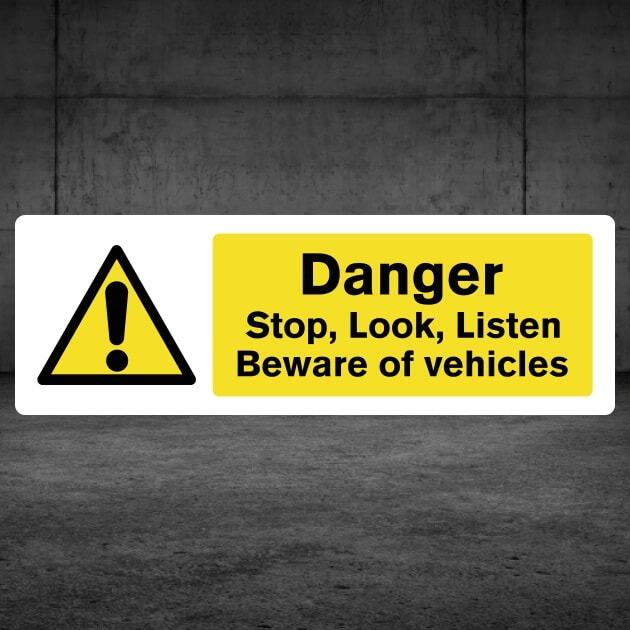
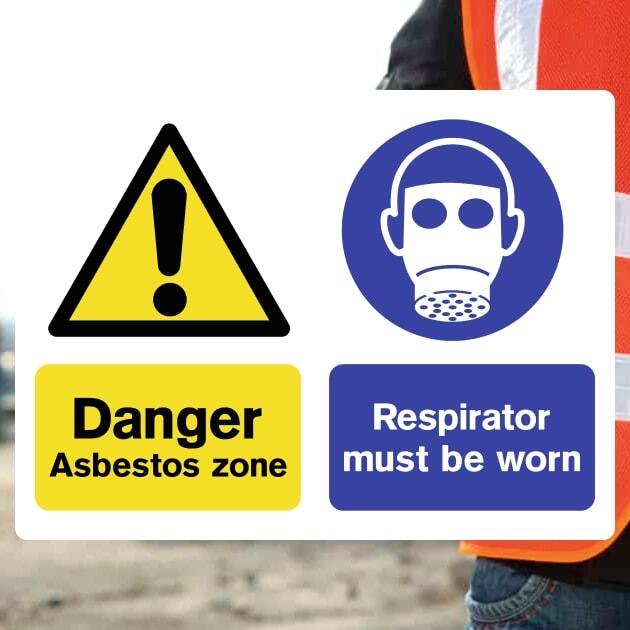
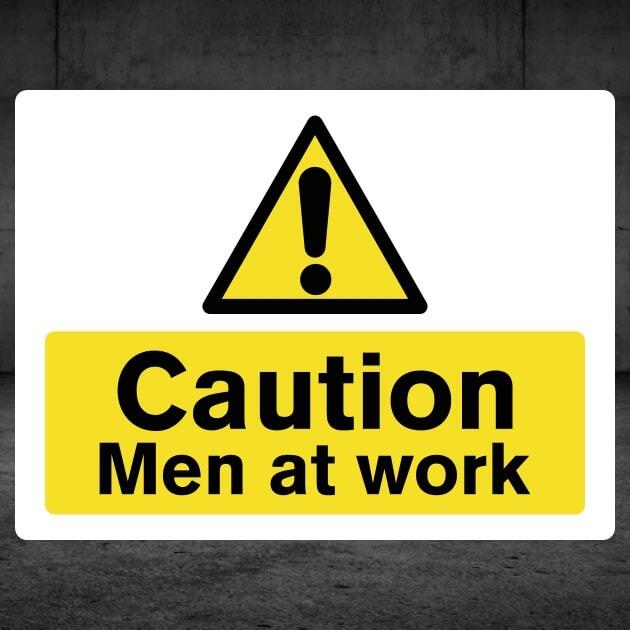
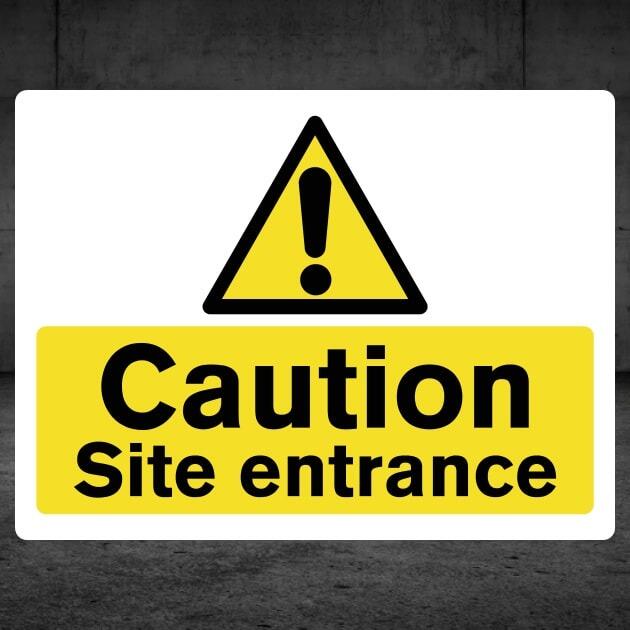
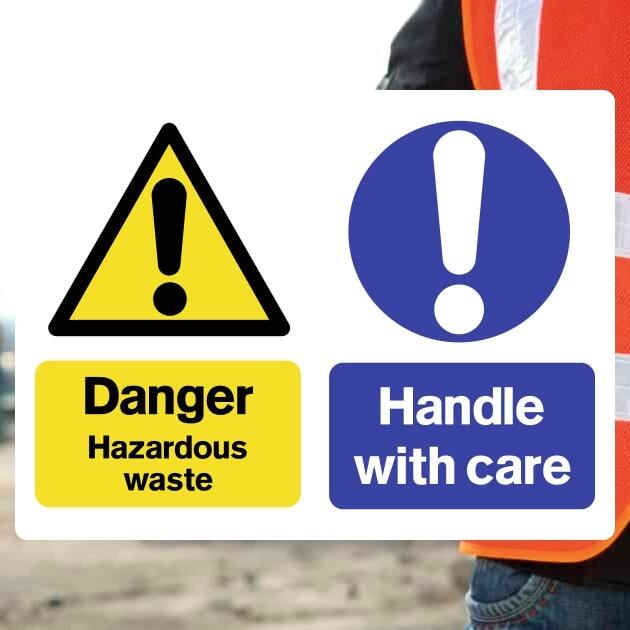
Hazard & Warning Signs alert people to risks they may encounter in workplaces, construction sites and other environments.
From electrical equipment and moving vehicles to hazardous substances, fragile roofs, machinery and uneven surfaces, the right warning sign helps people recognise a hazard before they reach it.
Safety Sheep offers hazard and warning signs for businesses, contractors and organisations in a range of sizes and materials suitable for different indoor and outdoor environments.
Warning signs alert people to a hazard or potentially dangerous situation.
They're designed to attract attention before somebody reaches the hazard so that they have an opportunity to recognise the risk and act appropriately.
Common examples include warnings for:
The sign should identify the actual hazard rather than simply provide a vague warning.
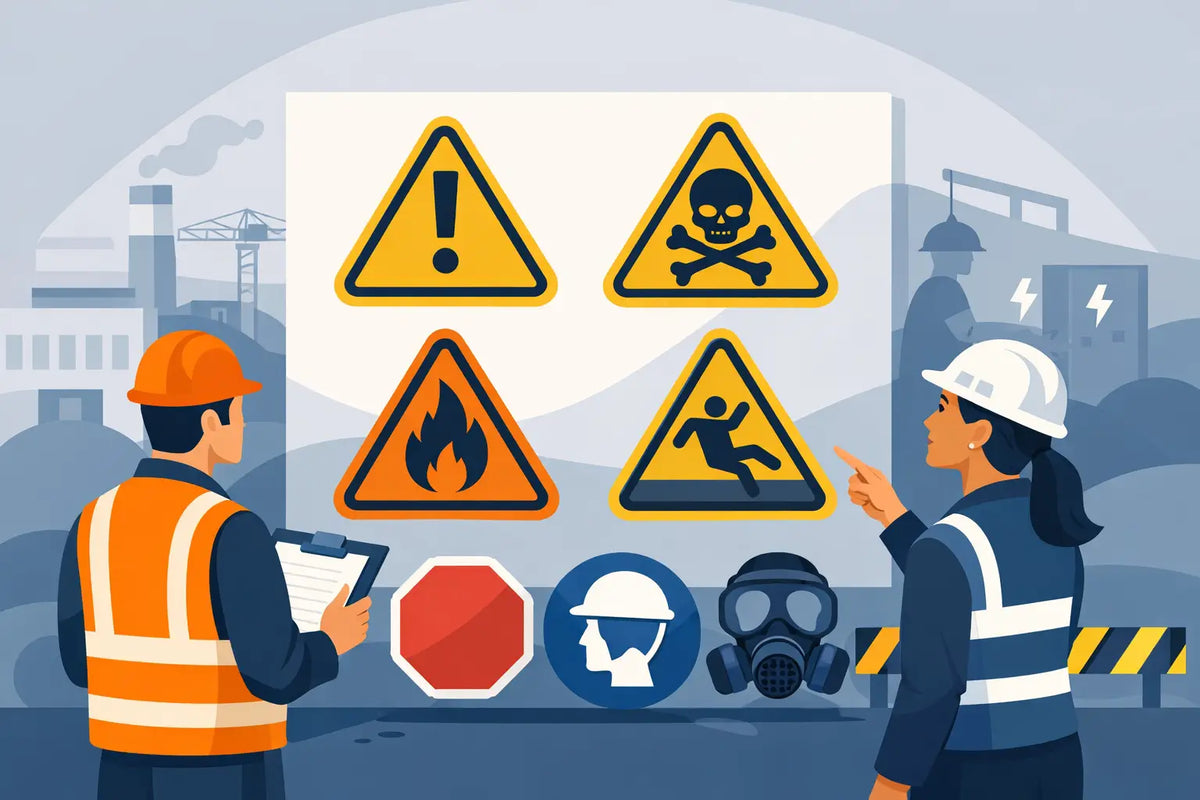
Recognised workplace warning signs typically use a yellow triangular design with a black border and black pictogram.
The distinctive colour and shape help people recognise quickly that they are approaching a hazard.
Text may also be included to clarify the particular risk, especially where additional information helps people understand what they're being warned about.
Customers frequently use hazard signs, warning signs and danger signs to describe similar products.
In practical terms, the purpose is to alert somebody to a hazard they need to be aware of.
For this reason, our Hazard & Warning Signs collection brings together a broad range of signs designed to warn people about workplace and site hazards.
Where a specialist type of hazard is involved, you can also browse our dedicated collections for more specific signage.
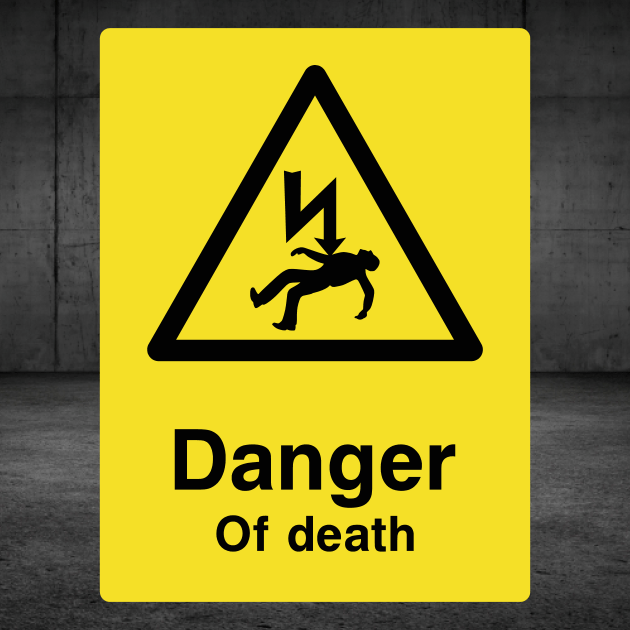
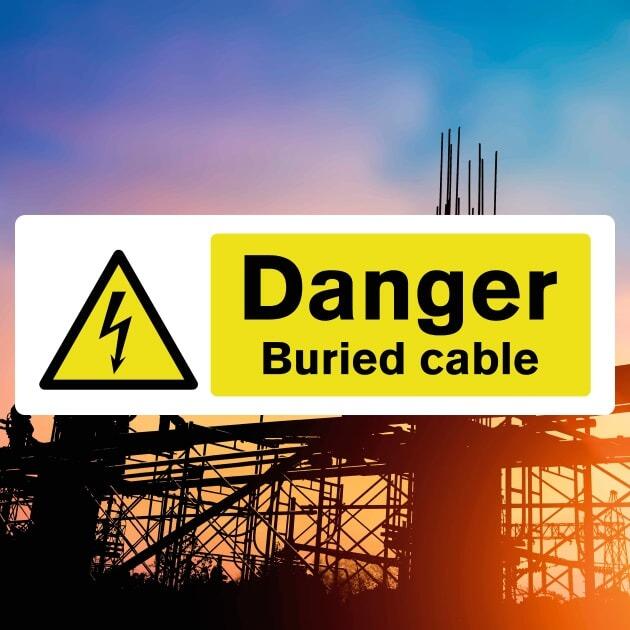
Electrical hazards can cause serious injury, making clear warning particularly important around electrical equipment and installations.
Typical electrical warnings include:
Position signs where people can see the warning before coming into contact with the electrical hazard.
For a wider selection, browse our dedicated Electrical Safety Signs range.
Workplaces that use or store hazardous substances may need signs to warn people about risks such as:
Workplace warning signage is different from the hazard labelling required on chemical products and containers.
A sign on the entrance to a chemical store doesn't replace appropriate product labels, safety data, storage arrangements, PPE or training.
Browse our Chemical Safety Signs for specialist chemical-related signage.
Machinery can create hazards involving moving parts, crushing, entanglement, cutting and other risks.
Warning signs can help identify machinery hazards at the point where people may encounter them.
However, a warning sign doesn't make dangerous machinery safe.
Machine guarding, isolation procedures, training, maintenance and other appropriate controls remain essential.
Vehicle movements are a common workplace hazard, particularly in:
Warning signs can alert pedestrians and other road users to forklifts, lorries, reversing vehicles, construction traffic and other vehicle movements.
They should form part of wider traffic-management arrangements such as pedestrian segregation, suitable routes, crossings and site procedures.
Construction sites can contain changing hazards including:
Warning signage should reflect the hazards actually present on the project.
As construction work progresses and risks change, signs may need to be moved, replaced or removed.
For site-specific products, browse our Construction Safety Signs.
Asbestos requires particularly careful management.
Warning signage may be appropriate where asbestos-containing materials or controlled asbestos work areas need to be identified.
However, an asbestos warning sign isn't an asbestos-management system.
Appropriate identification, assessment, management, controls and specialist procedures remain necessary according to the circumstances.
Farms and rural premises can combine machinery, livestock, vehicles, chemicals, deep water, slurry stores and other hazards.
Warning signs can help workers, contractors, delivery drivers and visitors recognise these risks before entering an affected area.
Outdoor farm signs should also be selected with visibility, weather exposure and mounting conditions in mind.
Browse our dedicated Farm & Countryside Signs for specialist agricultural signage.
Warehouses can contain several different hazards within the same building.
Common warnings include:
Position warning signs where people first encounter the risk rather than relying on a general warning at the opposite end of the building.
Manufacturing environments can contain machinery, electrical equipment, hazardous substances, hot surfaces, vehicles and production processes.
Specific warnings are generally more useful than vague Danger notices.
For example, a sign identifying a forklift hazard tells the viewer considerably more than a generic warning sign.
Choose signage that describes the actual hazard as clearly as possible.
UK businesses shouldn't approach warning signage as a fixed shopping list.
The appropriate signs depend on the hazards identified in the workplace and the measures already used to control them.
Where a significant risk remains after appropriate controls have been put in place, safety signage can help communicate that remaining risk.
Warning signs should therefore support measures such as:
A warning sign communicates a hazard; it doesn't remove it.
BS EN ISO 7010 provides standardised graphical symbols for safety signs.
Using recognised symbols helps make safety information consistent and easier to understand, particularly in workplaces used by employees, visitors and contractors.
However, ISO 7010 is a standard rather than UK legislation itself.
The appropriate sign should be selected according to the actual hazard, risk assessment and applicable requirements.
Position warning signs so people can see them before encountering the hazard.
Depending on the environment, suitable locations could include:
The sign should be close enough to relate clearly to the hazard without positioning the viewer in danger simply to read it.
Start by identifying the specific hazard.
Rather than automatically choosing a generic Danger or Warning sign, consider whether a more specific message is available.
For example:
Electrical hazard → use an appropriate electrical warning.
Forklift traffic → use a forklift or industrial vehicle warning.
Fragile roof → use a fragile roof warning.
Flammable material → use an appropriate flammable-material warning.
Deep water → use a deep-water warning.
Specific messages help people understand what they're approaching and what precautions may be necessary.
Sign size depends on factors including:
A warning label on a machine viewed at close range can be smaller than a hazard sign that needs to be seen across a construction site or warehouse.
Make sure the sign can be recognised early enough to be useful.
Consider where the warning sign will be installed and the conditions it needs to withstand.
Indoor workplaces may require different materials from outdoor construction sites, farms and industrial yards.
Consider:
The sign should remain clear and legible throughout its intended use.
Some hazards are temporary.
Examples can include:
Use appropriate temporary signage while the hazard exists and remove it when the warning is no longer relevant.
Leaving obsolete warnings in place can reduce the effectiveness of safety signage generally.
More warning signs don't automatically make a workplace safer.
Too many irrelevant or repetitive warnings can create visual clutter and make important messages easier to overlook.
Prioritise signs that:
Review signage when workplace layouts, equipment or working practices change.
Before ordering, consider:
This helps ensure the sign communicates a real hazard rather than simply adding another general warning to the workplace.
Safety Sheep Hazard & Warning Signs are Made in Britain for UK workplaces, construction sites, warehouses, factories, farms and commercial premises.
Choose from electrical, chemical, machinery, vehicle, construction and general hazard warnings in a range of sizes and materials.
For other types of workplace signage, explore our complete Safety Signs range.
Think Safety. Think Sheep.
Hazard and warning signs alert people to risks they may encounter. They can warn about electricity, machinery, vehicles, chemicals, falling objects, fragile roofs and many other workplace hazards.
Recognised workplace warning signs typically use a yellow triangular design with a black border and black pictogram.
The terms are often used interchangeably by customers. Warning signs are the recognised category used to alert people to hazards, while “hazard sign” is commonly used more broadly to describe signs identifying a source of danger.
Safety signs are required in appropriate circumstances where significant risks remain after other suitable control measures have been put in place. The signs needed therefore depend on the particular workplace and its risks.
No. A warning sign communicates the presence of a hazard but doesn't remove or control it. Appropriate physical, technical and organisational safety measures may also be required.
Position warning signs where people can see them before encountering the hazard. The precise position depends on the hazard, viewing distance, direction of approach and workplace layout.
Warning signs can identify risks including electricity, machinery, vehicles, chemicals, flammable materials, asbestos, fragile roofs, overhead loads, deep water and uneven surfaces.
BS EN ISO 7010 provides recognised standardised safety symbols. It is a standard rather than UK legislation itself, so signage should be selected according to the actual risk and applicable requirements.
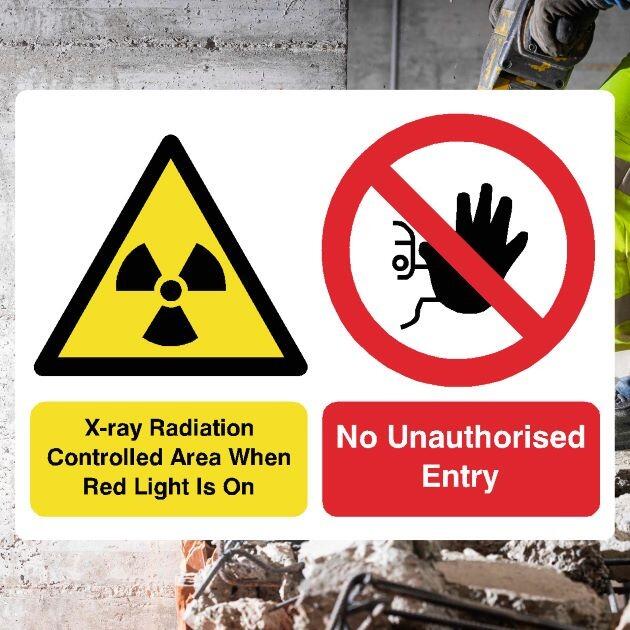
Warning signs alert people to a hazard. Prohibition signs tell people that a particular action or behaviour isn't permitted.


